Previzualizare
 Trimite prin felicitare
 Distribuie
 Detalii despre lucrare
 Ghid
Ghid

 Descarcă imaginea
 Produse similare
 Radiografie
 Galerie foto
 Întrebări și răspunsuri
 Statistici
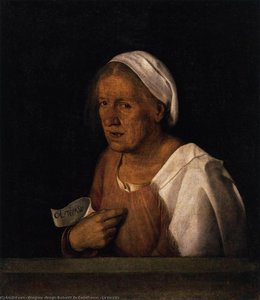
La Vecchia


 Vezi mai mult
Giclée / Imprimare artistică
Printuri giclée sau pe canvas de calitate muzeală, cu proces de producție rapid și opțiuni flexibile de finisare. ( Comandă pictură realizată manual Comută pe Imagine Digitală)




P118B lei10

P118H lei10

P118W lei10

P438Z lei10

P508JH lei12

P508YH lei12

P805H lei10

P805Z lei10

P919BZ lei10

P919G lei10

P919XJ lei10

P959ZH lei10

P968JZ lei12

W106C lei8

W218G lei10

W218JH lei8

W218Y lei10

W307PJ lei10

W316G lei10

W316PJ lei8

W316Y lei10

W398PJ lei8

W4111J lei10

W500HY lei15

W500JH lei15

W692G lei12

W849H lei8

W940BG lei15

W953PJ lei8




Alegeți dintre dimensiunile noastre prestabilite, care respectă proporțiile originale ale operei de artă.

Introduceți lățimea și înălțimea necesare pentru a se potrivi ramei sau peretelui dumneavoastră. O printare poate fi doar tăiată, niciodată extinsă dincolo de dimensiunea imaginii originale, astfel încât o dimensiune cu o formă diferită va pierde o parte din imagine. Vă trimitem o simulare digitală pentru aprobare înainte de a imprima orice. Imaginea afișată pe această pagină nu prezintă tăierea reală — doar simularea arată acest lucru.
Livrare în întreaga lume () în 2 săptămâni, în loc de cele 4/5 săptămâni standard. (6 Noiembrie)

Livrare expres gratuită la nivel mondial

Pânză de in de înaltă calitate

Asigurare completă pentru transport

Garanție de rambursare a taxelor vamale

Garanția fidelității culorilor

Politica de retur în 100 de zile (doar pentru defecte de fabricație)

Garanție de rambursare 100%

Ofertă pentru comenzi multiple
 Opțiunea cu sticlă este disponibilă doar pentru dimensiuni de sub 110 cm

La Vecchia
Giclée / Imprimare artistică
Dimensiune reproducere
-


Preț total calculat
lei 387
Artistul: Giorgione
Giorgione, cunoscut și sub numele de Giorgio Barbarelli da Castelfranco, a fost un pictor venețian influent care a trăit în perioada Renașterii înalte. Se crede că s-a născut între anii 1473 și 1474 în Castelfranco Veneto, Italia, și a murit pe 17 septembrie 1510, la vârsta de 36 de ani, din cauza pestiliei, conform datelor de la University of Sydney Library. Deși viața sa a fost scurtă, Giorgione a lăsat o amprentă durabilă asupra artei occidentale.Păinatul: La Vecchia
La Vecchia, cunoscută și sub numele de „Femeia bătrână” sau „Portretul unei doamne în vârstă”, este una dintre puținele lucrări supraviețuitoare atribuite cu certitudine lui Giorgione, conform studiilor lui Dalvit și Peyton. Această pictură în ulei pe pânză, cu dimensiuni de 120 x 78 cm, este păstrată în prezenta Gallerie dell'Accademia din Veneția, Italia.Tehnici și Stil
Pentru a crea La Vecchia, Giorgione a utilizat uleiul pe pânză, o tehnică ce a câștigat o popularitate imensă în timpul Renașterii datorită capacității sale de a genera culori bogate și gradații subtile de nuanțe. Stilul său este definit prin pictură cu pensulă liberă, perspectivă atmosferică și o accentuare a stării de spirit și a emoției, în detrimentul detaliilor narative rigide.Subiectul și Tehnica de Execuție
Piesa prezintă o femeie în vârstă, îmbrăcată în haine simple și purtând un văl alb. Aceasta privește direct către privitor cu o expresie solemnă, ținând o scrisoare sau o notă în mâna dreaptă. Subiectul tabloului a fost intens dezbătut de istoricii de artă: unii îl interpretează ca pe un portret al unei persoane specifice, în timp ce alții îl văd ca pe o alegorie a înțelepciunii sau a timpului. Tehnica lui Giorgione este remarcabilă prin utilizarea chiaroscuro-ului — contrastul dintre lumină și întuneric pentru a crea adâncime și volum — precum și prin aplicarea sfumato-ului, o amestecare subtilă a culorilor și tonurilor pentru a obține un efect moale, difuz. Aceste tehnici contribuie la calitatea enigmatică a picturii, invitând privitorii să mediteze asupra semnificației sale profunde.Concluzie
La Vecchia este o capodoperă a Renașterii italiene care demonstrează stilul și tehnica inovatoare ale lui Giorgione. Subiectul său invită la reflecție asupra temelor precum îmbătrânirea, înțelepciunea și trecerea timpului. Dacă sunteți interesat să adăugați această lucrare remarcabilă în colecția dumneavoastră de artă, luați în considerare achiziționarea unei reproduceri pictate manual în ulei de la artiștii noștri experți de pe OriginalUniqueArt.com.- Referințe:
- Dalvit, Laura; Peyton, Jane (2017). Giorgione: The Complete Works . New York: Parkstone International.
- University of Sydney Library. "Dante's Divine Comedy with Giorgione illustration and death notice" . Digital Collections .
- Vasari, Giorgio; Conaway Bondanella, Julia; Bondanella, Peter (1991). The Lives of the Artists . New York: Oxford University Press.
Întrebări și răspunsuri
Cum se îmbină stilul și epoca în "La Vecchia" de Giorgione?
În "La Vecchia" de Giorgione, mișcarea Renașterea Venetiană întâlnește epoca Renașterea.
Pot vedea "La Vecchia" de Giorgione pe propriul meu perete înainte de achiziție?
„La Vecchia” are o previzualizare în realitate augmentată: pagina Previzualizare în AR operei artistice o prezintă în propriul tău spațiu, pe un dispozitiv compatibil.
Ce intensitate de culoare are "La Vecchia" de Giorgione?
"La Vecchia" de Giorgione prezintă o intensitate a culorii Monocromatic.
Biografie artist
Giorgione (1477/8-1510), a Key High Renaissance Venetian Painter
Giorgio Barbarelli da Castelfranco, known to the world as Giorgione, remains one of the most elusive and captivating figures in Renaissance art. Born in the small town of Castelfranco Veneto near Venice around 1477 or 1478 – the exact year is debated – his tragically short life, ending around 1510 at the age of thirty-two or thirty-three, belies an artistic impact that continues to resonate centuries later. Unlike many of his contemporaries whose lives are well documented, Giorgione’s story is shrouded in mystery, pieced together from scant historical records and the often romanticized accounts of Giorgio Vasari. What we do know suggests a man deeply immersed in the vibrant culture of Venice, a city that fostered both artistic innovation and a sensual appreciation for beauty. He likely apprenticed under Giovanni Bellini, a leading Venetian painter, absorbing the established traditions before forging his own unique path. Early commissions included portraits of prominent figures like Doge Agostino Barbarigo, demonstrating an immediate talent for capturing likeness and status. However, it was in his departure from conventional subject matter and his revolutionary approach to painting that Giorgione truly distinguished himself.Early Life and Artistic Training
Giorgio Barbarelli’s origins are relatively obscure. He was born into a noble family, though details about his parents remain elusive. His formative years were spent in Castelfranco Veneto, where he received an education focused on humanist studies – a hallmark of the Venetian intellectual landscape at the time. Crucially, he began his artistic training under Giovanni Bellini, arguably Venice’s most influential painter and a master of Venetian tradition. Bellini instilled in Giorgione a profound understanding of perspective and draughtsmanship, yet Giorgione swiftly rejected these conventions, recognizing their limitations in conveying emotion and atmosphere. This decision would prove to be pivotal in shaping his distinctive artistic style.A Revolutionary Style: Color, Atmosphere, and *Sfumat*
Giorgione’s artistic style marked a significant break from the Florentine preoccupation with linear perspective and precise draftsmanship. He championed color, atmosphere, and an evocative moodiness that became hallmarks of the Venetian school. His technique involved softening outlines, employing subtle gradations of tone – *sfumato* – to create atmospheric effects, and prioritizing overall harmony over meticulous detail. This wasn’t merely a technical choice; it reflected a fundamentally different artistic sensibility. Giorgione sought not to replicate reality but to capture its essence, its fleeting emotions, and its poetic resonance. He famously described his aim as “to make the painting seem to breathe,” capturing the elusive beauty of nature and human experience. This approach wasn’t merely about achieving visual realism; it was about conveying a deeper truth – a sense of mystery and contemplation that captivated audiences and influenced generations of artists. Consider *The Tempest*, Giorgione's masterpiece. The hazy landscape, rendered with delicate gradations of color, evokes the drama of impending storm without resorting to dramatic chiaroscuro—the stark contrast between light and dark—a technique favored by Leonardo da Vinci and Michelangelo. Instead, Giorgione’s palette is rich in muted hues, creating an ethereal glow that envelops the figures within.Notable Works and Artistic Legacy
Giorgione produced a relatively small number of paintings during his lifetime, yet each work possesses extraordinary artistic merit and continues to inspire admiration. Among his most celebrated creations are *Pastoral Concert*, depicting musicians gathered in a serene meadow—a scene devoid of narrative complexity but brimming with visual beauty and symbolic resonance; *Sleeping Venus*, an enigmatic portrait that embodies Venetian ideals of feminine grace and sensual allure; and *Judith*, which showcases Giorgione’s masterful handling of color and form. His influence extended far beyond his own output, shaping the artistic sensibilities of Titian and other Venetian painters who would carry forward his innovations in color and atmospheric painting. Giorgione's embrace of *sfumato*—the subtle blending of colors to create soft transitions—became a defining characteristic of Venetian art, distinguishing it from Florentine realism and establishing Venice as a beacon of artistic creativity. He remains a symbol of artistic freedom, innovation, and the power of suggestion – a painter who dared to prioritize feeling over form, atmosphere over accuracy, and poetry over narrative.A Final Mystery: The Enduring Enigma
Giorgione’s death in 1510 remains shrouded in speculation. Vasari attributed his demise to malaria, but recent scholarship suggests that he may have succumbed to tuberculosis—a tragic fate for a man who had achieved such remarkable artistic success. Despite the paucity of biographical information, Giorgione's legacy persists as one of the most profound and influential figures in Renaissance art. His pioneering approach to painting continues to fascinate scholars and artists alike, prompting ongoing debates about his motivations, inspirations, and artistic vision. He stands as a testament to the transformative power of imagination—a painter who dared to transcend convention and capture the elusive beauty of human experience with unparalleled grace and subtlety.
Giorgione
1477 - 1510 , Italia
Detalii rapide
- Artistic Movement Or Style: Renașterea venețiană
- Artists Or Movements Influenced By This Artist: ['Titian']
- Artists Who Influenced This Artist:
- Giovanni Bellini
- Mantegna
- Date Of Birth: 1477/78 sau 1473/74
- Date Of Death: 1510
- Full Name: Giorgio Barbarelli da Castelfranco Zorzo
- Nationality: Italian
- Notable Artworks:
- Tempestă
- Apusul
- Magna Domenă a Castelfranco
- Place Of Birth: Castelfranco Veneto, Italia
Articole similare

The Golden Light of Innovation: Exploring the Venetian Renaissance Art Movement (1430–1580)
Explore the Golden Age of Venetian art (1430–1580). Discover Giorgione, Titian & Tintoretto's techniques, the 'colorito' revolution, and lasting influence. Expert insights for collectors & enthusiasts.

Jacopo Tintoretto: Cele Mai Remarcabile 25 de Capodopere – Artă Clasică pentru Decorul Tău
Descoperă cele mai frumoase 25 de picturi ale lui Jacopo Tintoretto! Explorează capodopere renascentiste venețiene, scene biblice dramatice și stilul unic al artistului. Reproduceri artă de calitate muzeală pentru decorul tău pe OriginalUniqueArt.com.

Venetian Renaissance: The Mastery of Color, Light, and the Art of Colorito
Explore the luminous mastery of the Venetian Renaissance. Discover how masters like Titian and Giorgione revolutionized art through colorito, light, and atmosphere. An expert guide to the golden age of Italian painting for collectors and enthusiasts.

Venetian Renaissance: The Golden Age of Color, Light, and Luminous Artistry
Embark on a journey through the Venetian Renaissance. Discover how masters like Giorgione and Titian revolutionized art through luminous color and light. Explore the profound legacy of the Venetian School and its enduring influence on the world of fine art.

Giorgione: Enigma and Innovation in Early Venetian Renaissance Painting
Explore the enigmatic world of Giorgione, a pivotal figure in the Venetian Renaissance. Discover his innovative techniques, iconic paintings like 'The Tempest', and lasting influence on art history. Learn more at OriginalUniqueArt.