
 Vezi în context
 Trimite
 Distribuie
 Detalii
 Ghidul

 Descarcă
 Produse similare
 Radiografie
 Diaporama
 Statistici
Waltz


 Citește mai mult
Achiziționați o imagine digitală de înaltă rezoluție, îmbunătățită, mult superioară previzualizării online.
Fiecare fișier este pregătit cu meticulozitate de specialiștii noștri interni, utilizând instrumente avansate și retușare manuală expertă. Ne asigurăm că fiecare imagine beneficiază de o claritate excepțională, o acuratețe precisă a culorilor și detalii fine.
Fișierul final este livrat prin e-mail în termen de 72 de ore, optimizat pentru utilizare imediată în medii profesionale, editoriale și de imprimare. Aceasta este aceeași calitate în care au încredere studiouri de design, edituri și galerii de top.
Imagine Digitală
Descărcați un fișier la rezoluție înaltă pentru afișare personală, imprimare și proiecte creative. ( Comută pe versiunea Print Comandă pictură realizată manual)
Inclus în fiecare comandă de imagini digitale
Livrare digitală de expertiză, garantată
Când alegeți OriginalUniqueArt.com, nu primiți doar o simplă imagine – primiți o operă de artă digitală îmbunătățită profesional, creată cu precizie și susținută de o garanție de satisfacție. Iată tot ceea ce primești odată cu comanda ta, în mod automat:

Livrare rapidă prin e-mail
Fișierul imaginii digitale la rezoluție înaltă vă va fi trimis prin e-mail în termen de 72 de ore de la finalizarea comenzii – gata pentru utilizare imediată.

Fișier digital optimizat prin IA
Opera ta de artă este optimizată profesional prin intermediul unor instrumente AI avansate și al editării manuale, asigurând un nivel maxim de detalii, claritate și acuratețe a culorilor.

Retransmitere gratuită pe viață
Ai șters sau ai pierdut din greșeală fișierul? Nu îți face griji – ți-l vom retrimite oricând, gratuit.

Fără taxe de import – Întotdeauna
Bucură-te instant de noua ta operă de artă, fără taxe vamale, taxe de import sau costuri de livrare – descărcările digitale sunt întotdeauna fără taxe.

Garanția fidelității culorilor
Asigurăm o reflectare cât mai fidelă a culorilor originale în imaginea ta digitală, prin utilizarea unor instrumente profesionale și a proceselor de gestionare a culorii.

Garanție de satisfacție de 100 de zile
Dacă nu sunteți mulțumit de imaginea digitală achiziționată, o vom revizui sau vă vom returna 100% în termen de 100 de zile – fără nicio întrebare.

Garanție de returnare 100% a banilor
Nu ești mulțumit? Primești rambursarea integrală în termen de 100 de zile de la primirea fișierului digital – fără nicio întrebare.

Reduceri pentru comenzi în volum
Cumpără 3 imagini, economisește 10% - Cumpără 5, economisește 15% - Cumpără 10+, economisește 20%. Ideal pentru proiecte creative, galerii și agenții.
The Whirlwind Energy of Modern Life
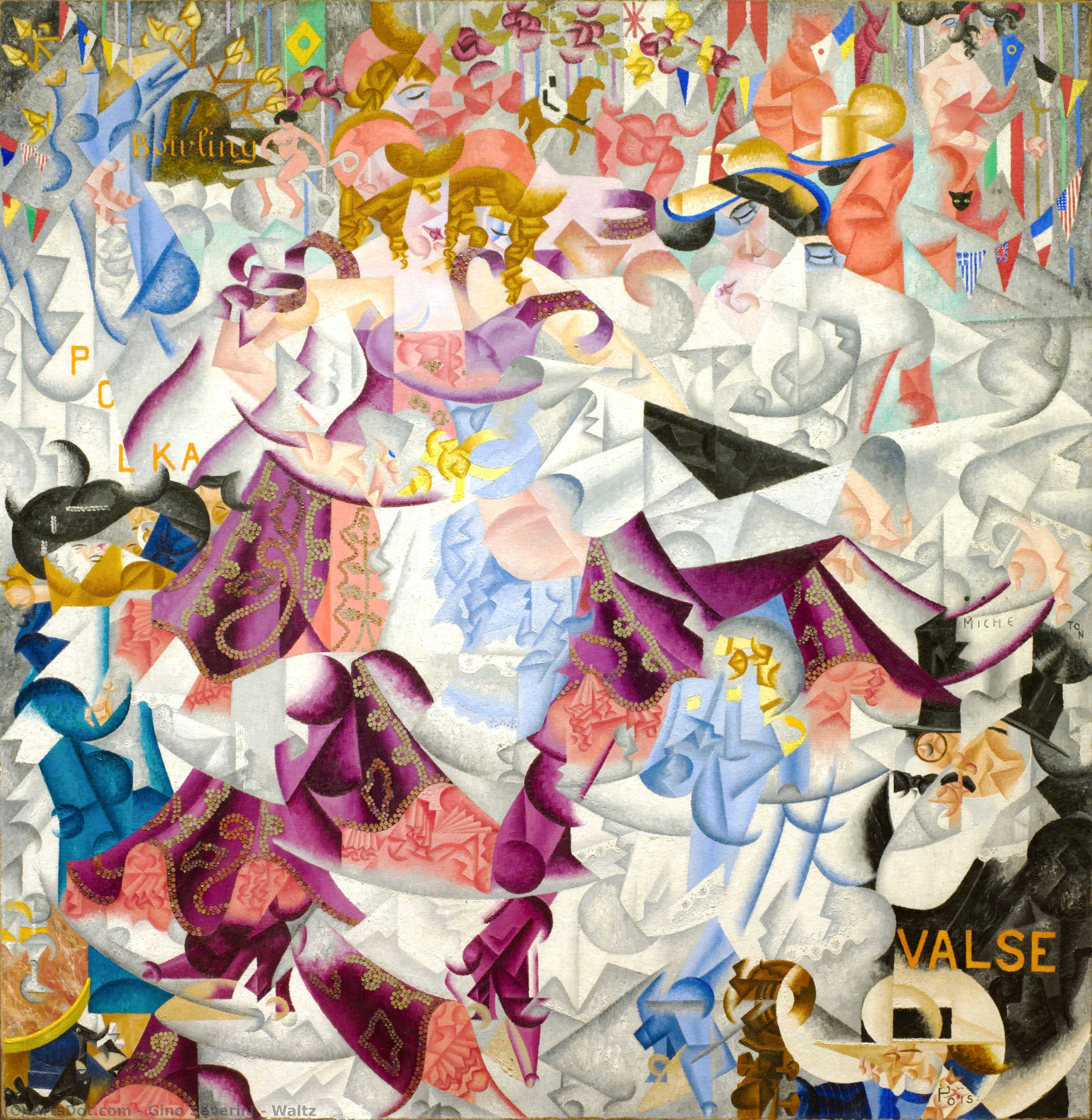
To gaze upon Gino Severini’s "Waltz" is not merely to observe a dance; it is to be swept into its very current. This painting captures the exhilarating, almost breathless energy of a Parisian nightclub in the early 20th century. The scene pulses with life—a dizzying confluence of bodies caught in the rhythmic embrace of the waltz. Severini has masterfully translated the ephemeral nature of movement into solid pigment, creating a visual symphony where every swirling form contributes to an overwhelming sense of joyous abandon. It speaks directly to the modern experience: vibrant, chaotic, and utterly captivating.
Embracing the Futurist Spirit
This work stands as a quintessential artifact of the Futurist movement, an avant-garde explosion born from Italy’s desire to shed the weight of tradition and leap headfirst into the roaring promise of the machine age. The Futurists were revolutionaries in every sense—artistic, cultural, and even political. They worshipped speed, technology, and the raw dynamism of contemporary urban existence. In "Waltz," this philosophy manifests not through depictions of engines or skyscrapers, but through the very structure of the dance itself. The composition fragments, angles collide, and perspectives overlap, mirroring the sensory overload of a modern metropolis where multiple realities intersect at once.
Technique and Visual Alchemy
Severini’s technique here is nothing short of electrifying. He employs a vibrant, almost feverish palette—deep purples mingle with electric blues, punctuated by flashes of fiery red and acidic yellow. These colors do not simply decorate the figures; they seem to emanate from the very motion, suggesting light refracting off silk gowns and sweat under the club's glow. The brushwork itself is energetic, visible, and purposeful, lending a palpable texture to the air around the dancers. It is a masterful exercise in capturing kinetic energy, making the viewer feel the centrifugal force pulling them into the heart of the dance floor.
Symbolism of Motion and Modernity
Beyond the spectacle of the waltz, "Waltz" carries deeper symbolic weight. The dance itself represents humanity’s attempt to find order and connection amidst the accelerating pace of industrial modernity. Yet, this apparent structure is always on the verge of dissolution—a beautiful tension that defines the early 20th century spirit. For collectors and designers alike, owning this piece means acquiring a conversation starter; it suggests an appreciation for art that refuses stillness, embracing instead the glorious, messy momentum of life itself.
Bringing the Nightlife Home
For those seeking to infuse a space with intellectual vigor and undeniable drama, a reproduction of "Waltz" offers unparalleled depth. It functions as more than mere decoration; it is an emotional anchor, suggesting stories of glamour, rebellion, and unstoppable vitality. Whether placed in a grand hall or a richly decorated lounge, this artwork commands attention, inviting every passerby to slow down, look closer, and feel the irresistible urge to join the dance.
Întrebări și răspunsuri
„Waltz” este disponibil(ă) sub formă de print de fine art?
O ediție print a lucrării "Waltz" de Gino Severini poate fi comandată direct pe pagina sa de Print de Fine Art: o printă de fine art pe canvas din bumbac sau pe hârtie canvas arhivistică.
Cum se situează "Waltz" din punct de vedere istoric?
Din punct de vedere istoric, „Waltz” este o operă Futurism din cadrul erei mai largi Modern.
Există un ghid pentru "Waltz" de Gino Severini?
O pagină de Ghid este disponibilă pentru "Waltz" de Gino Severini: o fișă informativă imprimabilă despre operă, concepută pentru elevi și utilizarea în mediul școlar.
Biografie artist
Primii ani și semințele rebeliunii artistice
Gino Severini a venit pe lume pe 7 aprilie 1883, în pitoreasca tăscană Cortona, Italia. Începuturile sale au fost modeste; cu un tată funcționar judecătoresc de rang inferior și o mamă croitoreasă – un context care i-a insuflat atât o sensibilitate pentru formă, cât și o conștiință a structurilor sociale. Educația formală s-a dovedit a fi nepotrivită pentru spiritul neliniștit al tânărului Severini. Expulsat la cincisprezece ani, împreună cu colegii săi, pentru o indiscreție juvenilă care implica furtul unor subiecte de examen, s-a trezit rătăcit departe de școlarizarea convențională. Această excludere, însă, nu a fost un eșec, ci mai degrabă un catalizator, eliberându-l să își urmeze dorințele artistice emergente în mod independent, în timp ce lucra ca agent de expediție. Mutarea la Roma în 1899 a marcat un punct de cotitură; acolo, printre ruinele antice și viața vibrantă de stradă, a început cursurile formale de artă, fiind rapid captivat de efectele strălucitoare ale Divizionismului – o tehnică susținută de artiști precum Giacomo Balla și Umberto Boccioni, care urma să devină figuri esențiale în călătoria sa artistică. Acești ani formativi au pus bazele fundamentale pentru adoptarea ulterioară a Futurismului de către Severini, aprinzând în interiorul său dorința de a surprinde dinamismul vieții moderne.Adoptarea vitezei Futurismului
Invitația de a se alătura lui Filippo Tommaso Marinetti și Umberto Boccioni în mișcarea futuristă în plină expansiune s-a dovedit transformatoare pentru Severini. El a devenit unul dintre semnatarii Manifestului Pictorilor Futuristi în 1910, aliniindu-se unei ideologii revoluționare care celebra viteza, tehnologia și energia amețitoare a modernității. Aceasta nu a fost doar o alegere artistică; a fost un angajament filosofic de a sparge tradiția și de a forja un nou limbaj estetic pentru o lume în schimbare rapidă. Severini a jucat un rol crucial în diseminarea ideilor futuriste la nivel internațional, organizând în mod notabil prima expoziție a mișcării în afara Italiei, la Galerie Bernheim-Jeune din Paris, în 1912. Opera sa din această perioadă, exemplificată prin tablouri precum Nord-Sud (1915), întruchipează obsesia futuristă de a captura mișcarea și energia prin forme fragmentate și o paletă vibrantă, aproape explozivă. Spre deosebire de unii dintre colegii săi care se concentrau pe mașinării, Severini a ales adesea scene urbane și dansatori ca subiecte, reflectând fascinația sa pentru portretizarea ritmurilor și senzațiilor vieții moderne – rochiile în mișcare, luminile intermitente, mulțimile pulsante.O sinteză de stiluri: Cubismul și dincolo de acesta
Stilul artistic al lui Severini nu a fost niciodată limitat de dogme rigide; a fost o sinteză în continuă evoluție a influențelor primite. Deși profund înrădăcinat în estetica futuristă, munca sa a demonstrat și un angajament profund față de Cubism, în special după vizita sa decisivă la Paris în 1911. El a absorbit elemente de abstractizare geometrică și perspective fragmentate, încorporându-le în compozițiile sale pentru a crea aranjamente dinamice ce transmiteau un sentiment de simultaneitate și mișcare. Artiști precum Umberto Boccioni, Carlo Carrà și Giovanni Francesco Romanelli au fost influențe semnificative, însă viziunea unică a lui Severini i-a permis să își trase propriul drum. Valsul, de exemplu, prezintă această fuziune magistrală de stiluri – energia vârtejului unei danse prin prisma lentilei cubiste, rezultând într-o pictură care pare simultan haotică și armonioasă. După Primul Război Mondial, a avut loc o schimbare în direcția artistică a lui Severini, oglindind o „întoarcere la ordine” mai largă, prevalentă în întreaga Europă. El a explorat teme și forme clasice, păstrându-și totodată utilizarea distinctivă a culorii și compoziției, demonstrând o capacitate de a se adapta și de a evolua fără a renunța la principiile sale estetice fundamentale.Anii de după și moștenirea durabilă
Anii care au urmat Primului Război Mondial l-au văzut pe Severini continuând să experimenteze cu diverse medii artistice, inclusiv mozaic și fresc, extinzându-și orizonturile creative dincolo de pânza de pictură. Și-a împărțit timpul între Paris și Roma, producând lucrări care reflectau atât moștenirea sa italiană, cât și imersiunea în cultura pariziană. Dincolo de pictură, a devenit un scriitor prolific pe teme de teorie artistică, contribuind semnificativ la discursul intelectual din jurul modernismului. Gino Severini a decedat în Paris pe 26 februarie 1966, la vârsta de 83 de ani, lăsând în urmă o operă bogată și multifacetată. Moștenirea sa ca figură cheie în mișcarea futuristă – și contributor semnificativ al artei italiene din secolul XX – persistă. Astăzi, picturile sale sunt păstrate în muzee de renume din întreaga lume, inclusiv în Galleria Civica di Arte Moderna din Veneția, servind drept mărturii ale impactului său durabil asupra dezvoltării artei moderne și continuând să inspire generații întregi de artiști și spectatori. El rămâne o punte vitală între trecut și prezent, amintindu-ne puterea artei de a captura energia și complexitatea experienței umane.
Gino Severini
1883 - 1966 , Italia
Informații esențiale
- Artistic Movement Or Style: Futurism Cubism
- Artists Or Movements Influenced By This Artist: ['Marino Parenti']
- Artists Who Influenced This Artist:
- Giacomo Balla
- Umberto Boccioni
- Date Of Birth: 7 april 1883
- Date Of Death: 26 februarie 1966 Paris
- Full Name: Gino Severini
- Nationality: Italian
- Notable Artworks:
- North-South
- Waltz
- Self-Portrait
- Place Of Birth: Cortona Italia