

 Vezi în context
 Trimite
 Distribuie
 Detalii
 Guide
Guide

 Descarcă
 Produse similare
 Radiografie
 Diaporama
 Statistici
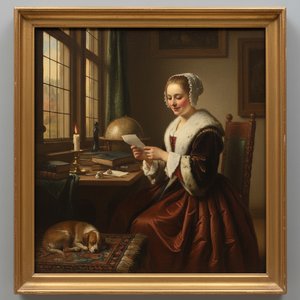
The Dropsical Woman
 Oil On Canvas
- WallArt
- Baroque
 1663
1663 86.0 x 67.0 cm
 Muzeul Luvru
 Citește mai mult
Reproducere pictată manual în ulei
Pictură în ulei pe pânză, realizată manual de artiștii noștri la dimensiunea și ramele dorite de dumneavoastră, pe comandă. ( Comută pe versiunea Print Treci la imagine digitală)




































Alegeți dintre dimensiunile noastre prestabilite, care respectă proporțiile originale ale operei de artă.

Puteți introduce propriile dimensiuni pentru a se potrivi unui anumit cadru sau spațiu. Dacă dimensiunea selectată nu corespunde proporțiilor imaginii originale, vom decupa opera de artă sau vom extinde pictura cu elemente suplimentare pictate manual. O simulare digitală vă va fi trimisă pentru aprobare înainte de începerea producției.
Vă rugăm să rețineți că previzualizarea de pe ecran nu reflectă decuparea sau extinderea reală. Doar macheta va arăta cu exactitate compoziția finală.
Deși sunt disponibile dimensiuni personalizate, vă recomandăm să selectați o dimensiune din lista predefinită pentru a păstra proporțiile originale.
După plasarea comenzii, echipa OriginalUniqueArt.com va contacta clientul prin e-mail pentru instrucțiuni și îi va furniza o previzualizare a machetei
Livrare în întreaga lume () în 3-4 săptămâni, în loc de cele 5 săptămâni standard. (21 Septembrie). Fără compromisuri în ceea ce privește calitatea.

Livrare expres gratuită la nivel mondial

Pânză de in premium

Asigurare completă pentru transport

Garanție de rambursare a taxelor vamale

Garanția fidelității culorilor

Politica de retur în 100 de zile (doar pentru defecte)

Garanție de rambursare 100%

Reducere pentru comenzi multiple
 Opțiunea cu sticlă este disponibilă doar pentru dimensiuni de sub 110 cm

The Dropsical Woman
Tip de reproducere
Dimensiune reproducere
-


Preț total
$ 350
A Moment Frozen in Time: Gerrit Dou’s “The Dropsical Woman”
The Dutch Golden Age witnessed an explosion of artistic innovation, fueled by burgeoning commerce and intellectual curiosity. Among the luminaries of this era stood Gerrit Dou (1613-1675), a painter whose meticulous approach to genre scenes cemented his reputation as one of Leiden’s most celebrated fijnschilders – “fine painters.” His masterpiece, “The Dropsical Woman,” transcends mere representation; it's an exquisitely crafted tableau that speaks volumes about the anxieties and affections of its time. Painted in 1663, this oil on canvas depicts a poignant domestic scene within a richly appointed bedroom, capturing a fleeting moment of compassion amidst unspoken sorrow.Composition and Technique: Mastery of Light and Illusion
Dou’s technique is characterized by an unparalleled level of detail and realism achieved through painstaking layering and glazing—a hallmark of Leiden’s artistic tradition. The artist skillfully employs chiaroscuro – dramatic contrasts between light and shadow – to sculpt the figures and illuminate the interior space. Notice how a single window casts a warm glow upon the woman’s face, highlighting her serene expression while simultaneously enveloping the room in subdued darkness. This masterful manipulation of light isn't merely aesthetic; it serves to heighten the emotional impact of the scene, emphasizing vulnerability and conveying a palpable sense of melancholy. The artist meticulously renders textures – from the velvety draperies to the smooth skin of the woman – creating an immersive experience for the viewer. Impasto brushstrokes are particularly prominent on the fabrics and walls, adding depth and physicality to the composition. Furthermore, Dou’s use of trompe l'oeil—optical illusions—adds another layer of sophistication, subtly blurring the boundaries between reality and artifice.Historical Context: Anxiety and Domestic Tranquility
“The Dropsical Woman” emerges from a period marked by significant social and intellectual upheaval. The Dutch Republic wrestled with religious tensions following the Thirty Years’ War, grappling with questions of faith and morality. Yet, amidst this turmoil, Dou captures a scene of quiet domesticity—a woman lying in bed attended by her husband and daughter—representing an idealized vision of familial care and devotion. This depiction reflects the prevailing humanist sensibilities of the era, emphasizing human compassion and empathy. The painting’s subject matter speaks to broader themes of illness, grief, and the importance of nurturing relationships during times of hardship. It's a testament to Dou’s ability to distill complex emotions into a single, unforgettable image.Symbolism: Layers of Meaning Beneath the Surface
Beyond its technical brilliance, “The Dropsical Woman” is laden with symbolic significance. The woman’s unconscious posture suggests fragility and vulnerability—a reflection of the anxieties surrounding mortality prevalent during Dou's lifetime. Her husband and daughter offer solace and support, embodying ideals of paternal love and filial piety. The muted color palette contributes to the painting’s somber mood, reinforcing the pervasive atmosphere of sorrow. However, the subtle illumination emanating from the window symbolizes hope—a glimmer of light amidst darkness—suggesting that even in moments of despair, compassion and tenderness endure.Emotional Impact: A Window into Human Experience
Ultimately, “The Dropsical Woman” resonates deeply with viewers because it captures a universal human experience – caring for someone afflicted by illness or grief. Dou’s masterful rendering of emotion transcends time, inviting contemplation on themes of empathy, devotion, and the enduring power of familial bonds. It stands as an exceptional example of Baroque artistry, demonstrating not only technical prowess but also profound insight into the complexities of human psychology. Reproductions of this iconic artwork offer a captivating glimpse into the artistic spirit of the Dutch Golden Age and continue to inspire admiration for its beauty and emotional depth.Biografie artist
Gerrit Dou: A Master of Subtle Light and Intricate Detail
Gerrit Dou, a name synonymous with the Dutch Golden Age, was more than just a painter; he was a meticulous craftsman, a subtle magician who coaxed extraordinary realism from seemingly simple scenes. Born in Leiden on April 7th, 1613, into a family involved in glassmaking, his early life instilled within him an appreciation for detail and precision – qualities that would profoundly shape his artistic vision. Dou’s legacy rests not upon grand gestures or dramatic narratives, but rather on the quiet beauty of everyday moments rendered with astonishing skill and sensitivity. He passed away peacefully on February 9th, 1675, leaving behind a body of work that continues to fascinate and delight art lovers worldwide.The Leiden Fijnschilder School and Artistic Influences
Dou’s artistic journey began under the tutelage of Bartholomeus Dolendo, an engraver, before he transitioned to the workshop of Pieter Couwenhorn, a master glass painter. This early training provided him with invaluable experience in rendering textures, capturing light, and working with intricate details – skills that would become hallmarks of his distinctive style. Crucially, Dou’s time spent studying under Rembrandt van Rijn proved transformative. While he never formally became Rembrandt's pupil, the influence is undeniable; Dou absorbed Rembrandt’s mastery of chiaroscuro—the dramatic interplay of light and shadow—and his ability to imbue scenes with a sense of psychological depth. However, unlike Rembrandt’s often turbulent and emotionally charged compositions, Dou favored a more restrained and polished approach, developing what became known as the *fijnschilder* style – “fine painting” – characterized by its meticulous detail, subtle color gradations, and an almost photographic realism. He was part of the Leiden Fijnschilders, a group of artists who shared a commitment to technical excellence and a focus on capturing the nuances of everyday life.A Distinctive Style: Niche Paintings and Candlelit Scenes
Dou’s artistic signature lies in his innovative use of “niche” paintings – small, self-contained scenes often framed as if they were part of an architectural feature, such as a recessed alcove or a window frame. These niches created a sense of intimacy and immediacy, drawing the viewer into the depicted world. He was particularly renowned for his candlelit night-scenes, where he masterfully captured the flickering light reflecting off surfaces, creating a mesmerizing effect of depth and atmosphere. His technique involved using a concave lens combined with a convex mirror to achieve an accurate representation of the scene, ensuring that every detail – from the texture of fabric to the glint in a person’s eye – was rendered with astonishing precision. His paintings weren't merely representations; they were carefully constructed illusions designed to engage the viewer's senses and invite contemplation.Notable Works and Lasting Legacy
Among Dou’s most celebrated works is *The Astronomer by Candlelight*, a painting that exemplifies his mastery of light and shadow, capturing the intense glow of candlelight illuminating a man engrossed in his observations. His *Portrait of an Old Woman* showcases his ability to convey character and emotion through subtle details – the wrinkles on her face, the expression in her eyes. The Leiden Collection in New York holds a significant number of Dou’s paintings, offering visitors a chance to experience the breadth and depth of his artistic talent. Furthermore, his influence extended beyond his own lifetime; artists such as Frans van Mieris the Elder and Gabriel Metsu were inspired by his meticulous technique and refined style. Gerrit Dou's legacy continues to resonate today, reminding us of the power of observation, precision, and a deep appreciation for the beauty of the everyday world.Further Exploration
For more information about Gerrit Dou’s life and work, consider visiting these resources:
Gerrit Dou
1613 - 1675 , Olanda
Informații rapide
- Artistic Movement Or Style: Fijnschilder (Fine Painting)
- Artists Or Movements Influenced By This Artist: ['Leiden Fijnschilders']
- Artists Who Influenced This Artist: ['Rembrandt van Rijn']
- Date Of Birth: April 7, 1613
- Date Of Death: February 9, 1675
- Full Name: Gerrit Dou
- Nationality: Dutch
- Notable Artworks:
- The Astronomer by Candlelight
- Portrait of an Old Woman
- Place Of Birth: Leiden, Netherlands
Articole conexe

Mastering Light & Shadow: A Journey Through the Dutch Golden Age's Luminous Legacy
Embark on a cultural journey through the Dutch Golden Age. Explore the masterful interplay of light and shadow in 17th-century masterpieces, from Rembrandt to Vermeer, and discover how this era of profound realism continues to inspire fine art collectors today.

Golden Light & Dutch Skies: The Timeless Magic of Dutch Golden Age Landscapes
Discover the breathtaking beauty of Dutch Golden Age landscapes. Explore the mastery of light, chiaroscuro, and 17th-century realism through an expert art history lens, celebrating the enduring legacy of the Dutch Masters for discerning collectors and art lovers.

Epoca de Aur Olandeză: 10 Capodopere Care Au Definit Arta și Decorațiunea Interioară
Descoperiți Epoca de Aur Olandeză prin 10 capodopere Rembrandt, Vermeer și alți pictori olandezi. Aflați poveștile din spatele acestor tablouri baroce iconice și inspirați-vă pentru decorațiuni interioare unice. Explorează colecția completă pe OriginalUniqueArt.com!

Golden Age Reflections: Dutch Baroque Painting & Cultural Innovation
Explore the Dutch Golden Age of painting! Discover key artists like Vermeer & ter Borch, their innovative techniques, and the rich cultural context behind these Baroque masterpieces. Learn about collecting & appreciating this iconic art period.
Gerrit Dou: Intimacy & Light in the Dutch Golden Age
Explore the exquisite world of Gerrit Dou, a master of Dutch Golden Age painting. Discover his intimate genre scenes, signature use of light, and lasting legacy. Learn about collecting Dou's works & their value.


