
 Vezi în context
 Trimite
 Distribuie
 Detalii
 Ghidul

 Descarcă
 Produse similare
 Radiografie
 Diaporama
 Statistici
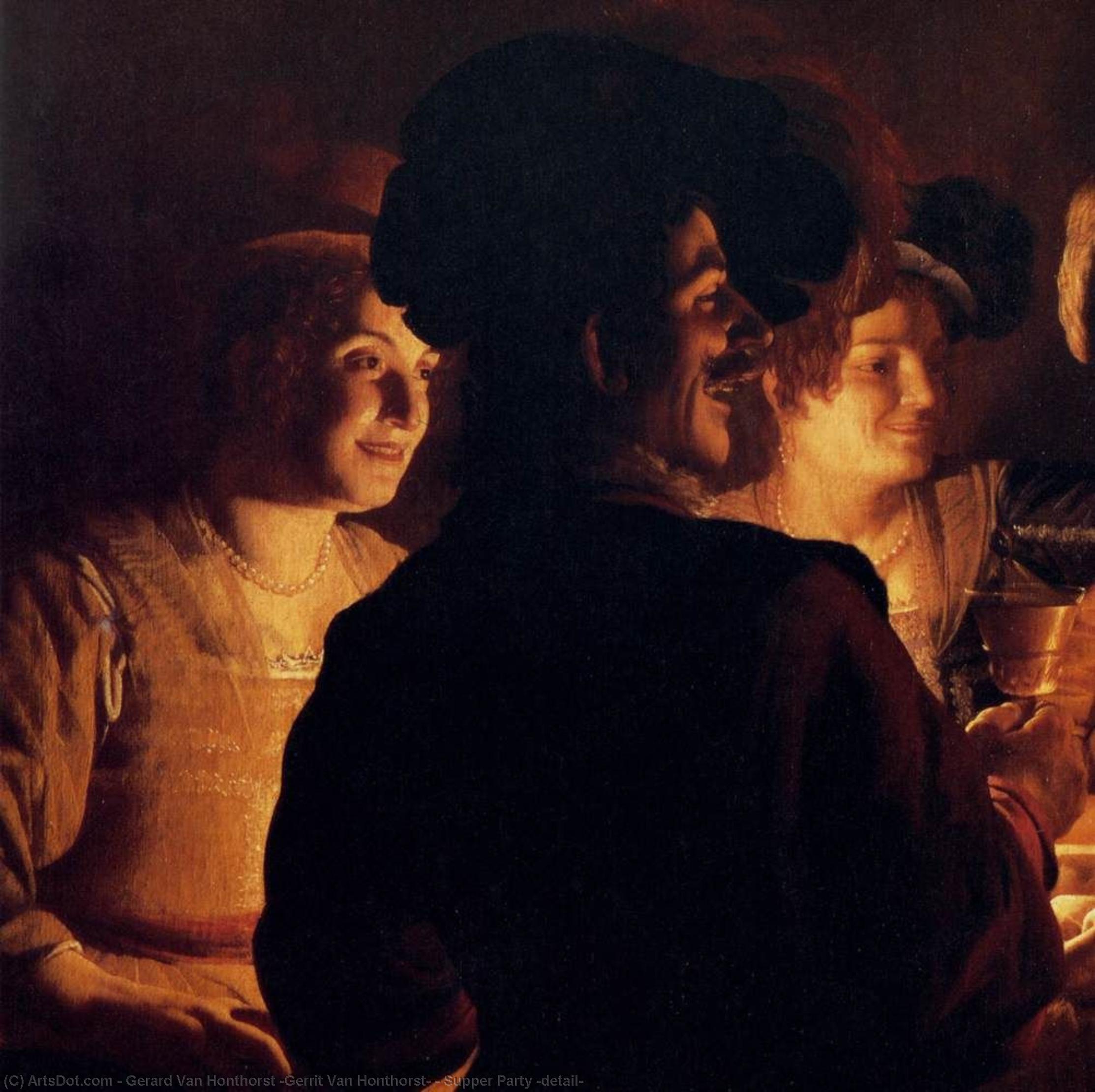
Supper Party (detail)


 Citește mai mult
Giclée / Imprimare artistică
Printuri giclée sau pe canvas de calitate muzeală, cu proces de producție rapid și opțiuni flexibile de finisare. ( Comandă pictură realizată manual Treci la imagine digitală)




P118B lei10

P118H lei10

P118W lei10

P438Z lei10

P508JH lei12

P508YH lei12

P805H lei10

P805Z lei10

P919BZ lei10

P919G lei10

P919XJ lei10

P959ZH lei10

P968JZ lei12

W106C lei8

W218G lei10

W218JH lei8

W218Y lei10

W307PJ lei10

W316G lei10

W316PJ lei8

W316Y lei10

W398PJ lei8

W4111J lei10

W500HY lei15

W500JH lei15

W692G lei12

W849H lei8

W940BG lei15

W953PJ lei8




Alegeți dintre dimensiunile noastre prestabilite, care respectă proporțiile originale ale operei de artă.

Introduceți lățimea și înălțimea de care aveți nevoie, pentru a se potrivi ramei sau peretelui dumneavoastră. O printare poate fi doar tăiată, niciodată extinsă dincolo de dimensiunea imaginii originale, astfel încât o dimensiune cu o formă diferită va pierde o parte din imagine. Vă trimitem o simulare digitală pentru aprobare înainte de a imprima orice. Imaginea afișată pe această pagină nu prezintă tăierea reală — doar simularea arată acest lucru.
Livrare în întreaga lume () în 2 săptămâni, în loc de cele 4/5 săptămâni standard. (23 Octombrie)

Livrare expres gratuită la nivel mondial

Pânză de in premium

Asigurare completă pentru transport

Garanție de rambursare a taxelor vamale

Garanția fidelității culorilor

Politica de retur în 100 de zile (doar pentru defecte)

Garanție de rambursare 100%

Reducere pentru comenzi multiple
 Opțiunea cu sticlă este disponibilă doar pentru dimensiuni de sub 110 cm

Supper Party (detail)
Giclée / Imprimare artistică
Dimensiune reproducere
-


Preț total
lei 371
A Dance of Light and Shadow
In the intimate detail of Supper Party, we are invited into a world where the boundaries between reality and theatrical performance blur. This captivating fragment of Gerard van Honthorst’s 1619 masterpiece serves as a profound window into the heart of Baroque emotion. The scene captures a moment of conviviality, focusing our gaze on the palpable energy of a gathering that feels both timeless and intensely immediate. Through his masterful command of light, Honthorast does not merely show us a meal; he orchestrates a sensory experience that pulls the viewer into the very warmth of the candlelight.
The technique employed here is nothing short of breathtaking, defined by the dramatic use of tenebrism. This stylistic choice, heavily inspired by the revolutionary Caravaggio, utilizes stark, bold contrasts between brilliant illumination and impenetrable darkness to sculpt the figures within the frame. As light spills across the faces of the guests, it reveals meticulous textures—the sheen of a wine glass, the soft glow on skin, and the rich details of an elegantly set table. This interplay of chiaroscuro creates a sense of three-dimensional depth, making the subjects appear to emerge from the shadows directly into our own space.
The Soul of the Baroque Gathering
Beyond the technical brilliance, this detail explores the subtle power dynamics and social textures of early seventeenth-century life. The composition focuses on the interaction between individuals, where a shared glance or an animated gesture tells a story of camaraderie and human connection. There is a profound sense of movement captured in stillness; the way the light catches a cup or illuminates a hand suggests a conversation caught mid-breath. For the collector or designer, this piece offers more than mere decoration; it provides a focal point of psychological depth, bringing an atmosphere of sophisticated mystery and historical grandeur to any interior.
The historical resonance of this work is deeply rooted in the artistic flourishing of Utrecht. As Honthorst adapted Italian Baroque principles to suit Dutch sensibilities, he created a visual language that was both grand and intimately human. In this specific detail, we see the legacy of his travels to Rome reflected in the way he uses light to convey emotion with uncompromising realism. It is an invitation to contemplate the beauty of the ephemeral moment—a celebration of life, light, and the enduring allure of the shadows.
Întrebări și răspunsuri
Ce atmosferă aduce "Supper Party (detail)" de Gerard van Honthorst într-un interior?
"Supper Party (detail)" de Gerard van Honthorst emană o atmosferă Dramatic și este recomandată pentru o Restaurant. Întreaga dispoziție este ceea ce lucrarea aduce în spațiul din jurul său.
Care este culoarea dominantă în "Supper Party (detail)" de Gerard van Honthorst?
Culoarea dominantă a operei "Supper Party (detail)" de Gerard van Honthorst este Phthalo Green (#2e161a).
Cum face "Supper Party (detail)" de Gerard van Honthorst legătura dintre Baroque și țara de origine a artistului?
"Supper Party (detail)" conectează mișcarea Baroque cu Olanda prin locul de naștere al creatorului său.
Biografie artist
A Master of Light and Shadow: The Life and Art of Gerard van Honthorst
Gerard van Honthorst emerged from Utrecht in 1592, a pivotal figure poised to illuminate the Dutch Golden Age with his dramatic artistry. Initially guided by his father, a decorative painter, young Gerard’s talent blossomed under the tutelage of Abraham Bloemaert, establishing a solid foundation in draftsmanship and composition. However, it was a transformative journey to Rome that irrevocably altered the course of his artistic development. There, amidst the fervent energy of the Italian Baroque, he encountered the groundbreaking work of Caravaggio – an encounter that would define his signature style and earn him the evocative nickname “Gherardo delle Notti,” or Gerard of the Nights. The dramatic use of tenebrism, a technique employing stark contrasts between light and dark, became Honthorst’s hallmark, imbuing his canvases with a palpable sense of drama and emotional intensity. He wasn't merely imitating Caravaggio; he was translating the Italian master’s innovations into a distinctly Dutch sensibility, focusing on intimate scenes illuminated by artificial light sources – candles, lamps, and fires – creating an atmosphere both realistic and deeply theatrical. This mastery over light wasn’t simply technical skill; it was a means of revealing character, of drawing the viewer into the emotional core of each scene.From Roman Acclaim to Dutch Mastery
Honthorst's time in Rome was marked by considerable success and patronage. He found favor amongst the city’s elite, including Vincenzo Giustiniani, for whom he created the powerful “Christ Before the High Priest,” a work that exemplifies his masterful command of light and shadow. This painting, now residing in London’s National Gallery, showcases not only his technical skill but also his ability to convey profound psychological depth within his figures. The scene depicts Christ calmly awaiting judgment before the high priest, bathed in a dramatic spotlight while the surrounding figures are plunged into darkness – a masterful use of light that emphasizes Christ's divinity and vulnerability. He further solidified his reputation by working for Cosimo II de’ Medici, Grand Duke of Tuscany, demonstrating an adaptability and versatility that would serve him well throughout his career. Honthorst’s ability to capture not just physical likeness but also the character and social standing of his sitters made him highly sought after by wealthy merchants, nobles, and even royalty. He became president of the Guild of St. Luke in Utrecht in 1623, a testament to his growing influence within the artistic community. This period saw a flourishing of commissions, allowing Honthorst to refine his style and establish a distinctive voice within Dutch painting.The Utrecht Caravaggisti: A Distinctly Dutch Interpretation
Honthorst was a key figure in the *Utrecht Caravaggisti* movement – a group of Dutch painters who embraced Caravaggio’s dramatic realism and tenebrism. Alongside artists like Hendrick ter Brugghen and Dirck van Baburen, he helped to establish a distinctly Dutch interpretation of Italian Baroque style. The Utrecht Caravaggisti didn't simply copy Caravaggio; they adapted his techniques to suit the Dutch aesthetic, often emphasizing genre scenes – everyday life, bustling marketplaces, and lively tavern gatherings – illuminated by candlelight or fireplace light. This created a unique atmosphere, blending the intensity of Italian drama with the pragmatic realism of the Netherlands. Their work reflected a fascination with human emotion, moral dilemmas, and the complexities of social interaction. Honthorst’s emphasis on these themes, combined with his masterful use of light and shadow, cemented his place as one of the most important artists of the movement.A Courtly Artist: Commissions and Collaborations
The reach of Honthorst’s talent extended beyond the Netherlands. His work attracted the attention of Sir Dudley Carleton, who enthusiastically recommended him to prominent English aristocrats like the Earl of Arundel and Lord Dorchester. This led to commissions from Queen Elizabeth of Bohemia, sister of Charles I, who employed him as both a painter and drawing master for her children. These royal connections culminated in significant works such as the allegorical depiction of Charles and Henrietta Maria as Diana and Apollo, a grand composition that showcased Honthorst’s ability to create complex narratives and dramatic scenes. He also worked on portraits of members of the English court, capturing their personalities with remarkable skill and insight. Furthermore, Honthorst's willingness to collaborate with other artists – notably Peter Paul Rubens during a visit to Utrecht – speaks to his open-mindedness and artistic generosity. These collaborations weren’t simply about sharing workload; they were intellectual exchanges that enriched the artistic landscape.Legacy and the Enduring Power of Light
Gerard van Honthorst’s influence resonated far beyond his lifetime. He was a pivotal figure in Dutch art history, bridging the gap between Italian Baroque innovation and the developing national style. His paintings continue to captivate audiences today, not only for their technical brilliance but also for their emotional depth and dramatic power. His ability to seamlessly blend Italian influences with Dutch sensibilities ensured his lasting legacy, inspiring generations of artists who followed. He died in Utrecht in 1656, leaving behind a body of work that continues to illuminate the artistic landscape and remind us of the profound beauty and evocative potential of light and shadow. His works are a testament to his skill as a painter and a keen observer of human nature – a true master of his craft.
Gerard van Honthorst
1590 - 1656 , Olanda
Informații rapide
- Artistic Movement Or Style: Baroc, Caravagism
- Artists Or Movements Influenced By This Artist: ['Utrecht Caravaggisti']
- Artists Who Influenced This Artist: ['Caravaggio']
- Date Of Birth: 1592
- Date Of Death: 1656
- Full Name: Gerard van Honthorst
- Nationality: Olandez
- Notable Artworks:
- Christ Înaintea Preotului
- Prăznuirea Cinasului
- Place Of Birth: Utrecht, Olanda
Articole conexe

25 Masterpieces by Sir Anthony van Dyck: The King of Baroque Portraiture
Step into the elegance of the Baroque era with our curated guide to Sir Anthony van Dyck's top 25 masterpieces. Explore royal portraits and Flemish brilliance through museum-quality art reproductions and timeless decor inspiration. Discover all masterpieces on OriginalUniqueArt.com.

25 Masterpieces by Sir Anthony van Dyck: The King of Baroque Portraiture
Immerse yourself in the elegance of Sir Anthony van Dyck. Explore 25 iconic Baroque masterpieces, from royal portraits to Flemish classics. Find inspiration for museum-quality art reproductions and timeless decor. Discover all masterpieces on OriginalUniqueArt.com.

25 Masterpieces by Sir Anthony van Dyck: The King of Baroque Portraiture
Immerse yourself in the elegance of Sir Anthony van Dyck. Explore 25 iconic Baroque masterpieces, from royal portraits to refined Flemish classics. Find inspiration for museum-quality art reproductions and luxury decor. Discover all masterpieces on OriginalUniqueArt.com.

25 Masterpieces by Vincent van Gogh: The Ultimate Guide to His Most Iconic Works
Immerse yourself in the vibrant world of Vincent van Gogh. Explore 25 iconic Post-Impressionist masterpieces, from Starry Night to Sunflowers, through their stories and textures. Find museum-quality reproductions and decor inspiration. Discover all masterpieces on OriginalUniqueArt.com.
Master of Elegance: The Top 25 Greatest Artworks by Sir Anthony van Dyck
Immerse yourself in the elegance of Baroque mastery with our curated list of Sir Anthony van Dyck's top 25 artworks. From royal portraits to exquisite oil techniques, explore timeless legends and find museum-quality art reproductions. Discover all masterpieces on OriginalUniqueArt.com.
