

 Vezi în context
 Trimite
 Distribuie
 Detalii
 Ghidul

 Descarcă
 Produse similare
 Radiografie
 Diaporama
 Statistici
Curiosity
 Oil
Oil- WallArt
- Dutch Golden Age
 1660
1660 76.0 x 62.0 cm
 Muzeul Metropolitan de Artă
 Citește mai mult
Reproducere pictată manual în ulei
Pictură în ulei pe pânză, realizată manual de artiștii noștri la dimensiunea și ramele dorite de dumneavoastră, pe comandă. ( Comută pe versiunea Print Treci la imagine digitală)




P118B lei10

P118H lei10

P118W lei10

P438Z lei10

P508JH lei12

P508YH lei12

P805H lei10

P805Z lei10

P919BZ lei10

P919G lei10

P919XJ lei10

P959ZH lei10

P968JZ lei12

W106C lei8

W218G lei10

W218JH lei8

W218Y lei10

W307PJ lei10

W316G lei10

W316PJ lei8

W316Y lei10

W398PJ lei8

W4111J lei10

W500HY lei15

W500JH lei15

W692G lei12

W849H lei8

W940BG lei15

W953PJ lei8




Alegeți dintre dimensiunile noastre prestabilite, care respectă proporțiile originale ale operei de artă.

Introduceți lățimea și înălțimea de care aveți nevoie, pentru a se potrivi ramei sau peretelui dumneavoastră. Această lucrare este pictată manual, așa că pentru o dimensiune cu o formă diferită, artistul poate picta puțin mai mult în jurul imaginii sau poate tăia puțin din margini — dumneavoastră decideți. Vă vom trimite o simulare digitală pentru aprobare înainte de a începe pictarea. Imaginea afișată pe această pagină nu reprezintă rezultatul real — doar simularea este reprezentativă.
După plasarea comenzii, echipa OriginalUniqueArt.com va contacta clientul prin e-mail pentru instrucțiuni și îi va furniza o previzualizare a machetei
Livrare în întreaga lume () în 3-4 săptămâni, în loc de cele 5 săptămâni standard. (21 Octombrie). Fără compromisuri în ceea ce privește calitatea.

Livrare expres gratuită la nivel mondial

Pânză de in premium

Asigurare completă pentru transport

Garanție de rambursare a taxelor vamale

Garanția fidelității culorilor

Politica de retur în 100 de zile (doar pentru defecte)

Garanție de rambursare 100%

Reducere pentru comenzi multiple
 Opțiunea cu sticlă este disponibilă doar pentru dimensiuni de sub 110 cm

Curiosity
Tip de reproducere
Dimensiune reproducere
-


Preț total
lei 1379
The Enigmatic Gaze: Gerard ter Borch’s ‘Curiosity’
Gerard ter Borch's “Curiosity,” painted around 1660-62, isn’t a grand historical scene or a dramatic portrait; instead, it offers a profoundly intimate glimpse into the quiet domesticity of the Dutch Golden Age. This remarkable work, measuring just 76 x 62 cm, immediately draws the viewer in with its masterful use of light and shadow, creating an atmosphere of subtle tension and unspoken connection. The painting depicts three women – a seamstress meticulously working at her needle, a lady absorbed in a book, and a third figure observing them from a distance – within a modestly furnished room. It’s a scene brimming with understated observation, capturing the nuances of human interaction with remarkable psychological depth.
Ter Borch was a pioneer of Dutch genre painting, renowned for his ability to portray everyday life with an unparalleled level of realism and emotional sensitivity. Unlike many of his contemporaries who favored heroic subjects or elaborate compositions, Ter Borch focused on the ordinary – the moments of quiet contemplation, the subtle gestures, and the unspoken relationships that define human experience. “Curiosity” exemplifies this approach perfectly; it’s not about showcasing wealth or status but rather exploring the complexities of female companionship and the quiet drama of domestic life.
A Symphony of Light and Texture
The painting's power lies in Ter Borch’s extraordinary technical skill. He employs a technique known as ‘chiaroscuro,’ dramatically contrasting areas of light and shadow to create a sense of depth and volume. Notice how the soft, diffused light illuminates the women’s faces and hands, while the background remains shrouded in darkness, drawing our attention to their immediate presence. The textures are equally compelling – the delicate weave of the seamstress's dress, the smooth surface of the book, the rough fabric of the chair—all rendered with painstaking detail.
Ter Borch’s meticulous approach is evident in his rendering of fabrics and drapery. He doesn’t simply depict them; he captures their tactile quality, allowing us to almost feel the weight and texture of each garment. This attention to detail extends to every element of the scene, creating a remarkably immersive experience for the viewer. The subtle variations in tone and shading contribute significantly to the painting's overall sense of realism and immediacy.
Symbolism and Psychological Resonance
The composition itself is laden with symbolic meaning. The seamstress, focused on her work, represents diligence and industry – a valued trait in 17th-century Dutch society. The lady reading suggests intellectual pursuits and a connection to the wider world beyond the domestic sphere. And the woman observing them from afar—a figure often interpreted as the artist’s wife, Gesina ter Borch—hints at a subtle power dynamic and perhaps a hint of melancholy. Her averted gaze invites speculation about her thoughts and feelings.
The inclusion of the dog adds another layer of complexity to the scene. It represents loyalty, companionship, and the simple pleasures of domestic life. The dog’s presence further emphasizes the intimacy of the setting and the close-knit relationships between the women. “Curiosity” isn't merely a portrait; it’s a carefully constructed tableau that invites us to contemplate the mysteries of human connection and the quiet beauty of everyday moments.
Bringing ‘Curiosity’ Home
OriginalUniqueArt offers exquisite, hand-painted reproductions of Gerard ter Borch’s “Curiosity,” meticulously crafted by our team of skilled artists using traditional techniques. Each reproduction captures the original painting's luminous quality and psychological depth, allowing you to bring this remarkable work into your home or office. Available in a range of sizes, our high-quality prints are perfect for collectors, interior designers, and anyone who appreciates the beauty and artistry of Dutch Golden Age painting. Explore our selection today and experience the timeless allure of “Curiosity.”
Întrebări și răspunsuri
Cum pot achiziționa o printă a lucrării "Curiosity" de Gerard ter Borch?
„Curiosity” este disponibil sub formă de o printă de fine art pe canvas din bumbac sau pe hârtie canvas arhivistică. Comenzile pot fi plasate pe pagina sa de Print de Fine Art, în dimensiunea dorită de dumneavoastră.
Ce dimensiuni are originalul "Curiosity"?
Dimensiunile înregistrate pentru "Curiosity" de Gerard ter Borch sunt 76 x 62 cm. Reproducerile pot fi comandate în alte dimensiuni, păstrând aceleași proporții.
Cu ce sentiment este asociată opera „Curiosity”?
"Curiosity" de Gerard ter Borch transmite un ton emoțional Reflective.
Biografie artist
Gerard ter Borch - A Pioneer of Dutch Genre Painting
Gerard ter Borch (Dutch: Gerard Terburg; December 1617 – 8 December 1681), also known as Gerard Terborch, was a Dutch Golden Age painter who profoundly shaped the artistic landscape of his era. Born in Zwolle, Netherlands, he ascended to fame through meticulous observation and masterful execution—characteristics that cemented his place as one of the foremost figures in genre painting.
His early life remains shrouded in obscurity, yet records indicate a privileged upbringing fostered by his father, Gerard ter Borch the Elder, also a respected artist. This familial influence instilled within him an unwavering dedication to artistic pursuits from a young age. Ter Borch’s formal education encompassed classical studies and artistic training, equipping him with the foundational knowledge necessary for his subsequent endeavors.
Ter Borch's artistic journey commenced in Amsterdam around 1632 where he studied under Willem Cornelisz Duyster or Pieter Codde. This formative period exposed him to influential stylistic currents prevalent at the time—particularly Duyster’s emphasis on luminous realism and meticulous detail. Subsequently, he honed his skills further under Pieter de Molijn in Haarlem, absorbing techniques that would contribute to his distinctive artistic vision.
Notable Works and Achievements
Ter Borch's oeuvre comprises approximately 150 paintings—a remarkable testament to his prolific output during the Golden Age. Among his most celebrated masterpieces are ‘The Letter,’ an exquisite depiction of domestic intimacy rendered with unparalleled sensitivity to light and texture; ‘The Gallant Conversation,’ a captivating tableau capturing a moment of refined social interaction; ‘Man on Horseback’ (1634), showcasing Ter Borch's burgeoning talent for portraying dynamic movement; and ‘Adrian Pauw’s Arrival in Münster’ (1646), demonstrating his narrative prowess and ability to convey complex emotions.
His influence extended far beyond his immediate contemporaries. Artists such as Gabriel Metsu, Gerrit Dou, Eglon van der Neer, and Johannes Vermeer acknowledged Ter Borch's pioneering role in redefining genre painting—a genre previously dominated by idealized portraits and mythological subjects. Ter Borch’s innovative approach championed the depiction of everyday life with unflinching honesty and psychological depth.
Museum Collections Featuring Ter Borch’s Work
Ter Borch’s paintings reside in prestigious museums across Europe, reflecting their enduring artistic merit and historical significance. The Hermitage Museum in St. Petersburg boasts six canvases attributed to Ter Borch—a remarkable collection that underscores his international renown. Similarly, Berlin Museum houses six pieces showcasing Ter Borch's distinctive style.
The Getty Center in Los Angeles proudly displays three paintings by Ter Borch—a testament to the artist’s enduring appeal and contribution to Western art history. Visiting these institutions offers invaluable opportunities for appreciating Ter Borch’s artistic legacy firsthand.
Legacy and Impact
Gerard ter Borch stands as a cornerstone of Dutch Golden Age painting, shaping the trajectory of subsequent generations of artists. His unwavering commitment to realism—combined with his profound understanding of human psychology—established him as a singular voice within his time. Ter Borch’s influence can be discerned in the works of Vermeer and other masters who embraced his innovative techniques and stylistic sensibilities.
He fundamentally altered perceptions of genre painting, elevating it from mere decorative representation to a vehicle for exploring complex emotional landscapes—a distinction that continues to resonate within contemporary artistic discourse. Ter Borch’s legacy persists as an inspiration for artists striving to capture the nuances of human experience with unwavering precision and evocative artistry.

Gerard ter Borch
1617 - 1681 , Olanda
Informații rapide
- Artistic Movement Or Style: Genre painting
- Artists Or Movements Influenced By This Artist: ['Johannes Vermeer']
- Artists Who Influenced This Artist:
- Gabriel Metsu
- Gerrit Dou
- Date Of Birth: 1617-12-01
- Date Of Death: 1681-12-08
- Full Name: Gerard ter Borch
- Nationality: Dutch
- Notable Artworks:
- The Letter
- The Gallant Conversation
- Place Of Birth: Zwolle, Netherlands
Articole conexe
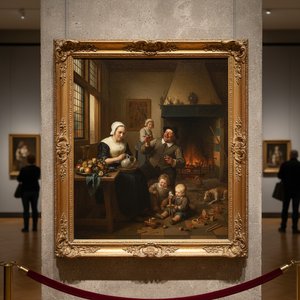
Genre Painting: A Window into Daily Life & Societal Values of the Dutch Golden Age
Explore the captivating world of Dutch Golden Age genre painting! Discover realistic depictions of daily life, masterful artists like Ostade & Metsu, and hidden symbolism. Learn about this influential art movement with OriginalUniqueArt.
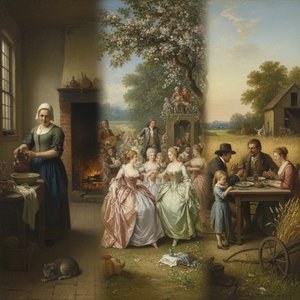
Scenes of Daily Life: A Comprehensive Exploration of Genre Painting Through History
Explore the rich history of genre painting! Discover Dutch Masters & European artists who captured everyday life with stunning realism. Learn about symbolism, techniques & lasting influence.

Gerard ter Borch: Intimacy & Light in the Dutch Golden Age
Explore the captivating world of Gerard ter Borch, a master of Dutch Golden Age genre painting. Discover his intimate scenes, masterful light, and lasting influence on art history. Learn more at OriginalUniqueArt.

Golden Age Reflections: Dutch Baroque Painting & Cultural Innovation
Explore the Dutch Golden Age of painting! Discover key artists like Vermeer & ter Borch, their innovative techniques, and the rich cultural context behind these Baroque masterpieces. Learn about collecting & appreciating this iconic art period.
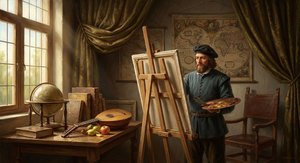
Illuminating Realism: Exploring the Dutch Golden Age of Painting (1600-1700)
Explore the Dutch Golden Age of painting (1600-1700) with OriginalUniqueArt. Discover Rembrandt, Vermeer & other masters. Learn about techniques, history & find museum-quality reproductions.


