

 Previzualizare
 Trimite
 Distribuie
 Detalii despre lucrare

 Descarcă
 Produse similare
 Radiografie
 Diapozitive automate
untitled (3150)


 Vezi mai mult
Reproducere pictată manual în ulei
Pictură în ulei pe pânză, realizată manual de artiștii noștri la dimensiunea și ramele dorite de dumneavoastră, pe comandă. ( Comandă printul Cumpără imaginea)




P118B $10

P118H $10

P118W $10

P438Z $10

P508JH $12

P508YH $12

P805H $10

P805Z $10

P919BZ $10

P919G $10

P919XJ $10

P959ZH $10

P968JZ $12

W106C $8

W218G $10

W218JH $8

W218Y $10

W307PJ $10

W316G $10

W316PJ $8

W316Y $10

W398PJ $8

W4111J $10

W500HY $15

W500JH $15

W692G $12

W849H $8

W940BG $15

W953PJ $8




Alegeți dintre dimensiunile noastre prestabilite, care respectă proporțiile originale ale operei de artă.

Puteți introduce propriile dimensiuni pentru a se potrivi unui anumit cadru sau spațiu. Dacă dimensiunea selectată nu corespunde proporțiilor imaginii originale, vom decupa opera de artă sau vom extinde pictura cu elemente suplimentare pictate manual. O simulare digitală vă va fi trimisă pentru aprobare înainte de începerea producției.
Vă rugăm să rețineți că previzualizarea de pe ecran nu reflectă decuparea sau extinderea reală. Doar macheta va arăta cu exactitate compoziția finală.
Deși sunt disponibile dimensiuni personalizate, vă recomandăm să selectați o dimensiune din lista predefinită pentru a păstra proporțiile originale.
După plasarea comenzii, echipa OriginalUniqueArt.com va contacta clientul prin e-mail pentru instrucțiuni și îi va furniza o previzualizare a machetei
Livrare în întreaga lume () în 3-4 săptămâni, în loc de cele 5 săptămâni standard. (4 Septembrie). Fără compromisuri în ceea ce privește calitatea.

Livrare expres gratuită la nivel mondial

Pânză de in de înaltă calitate

Asigurare completă pentru transport

Garanție de rambursare a taxelor vamale

Garanția fidelității culorilor

Politica de retur în 60 de zile (doar pentru defecte)

Garanție de rambursare 100%

Ofertă pentru comenzi multiple
 Opțiunea cu sticlă este disponibilă doar pentru dimensiuni de sub 110 cm

untitled (3150)
Tehnică de reproducere
Dimensiune reproducere
-


Preț total calculat
$ 300
Georges Braque’s Intimate Exploration of Form and Color
Georges Braque (1882-1963), a titan amongst the vanguard artists of the early 20th century, stands as a pivotal figure in the genesis of Cubism alongside Pablo Picasso. His artistic journey began humbly—apprenticeships with his father’s decorating business instilled a foundational understanding of material and spatial relationships that would profoundly influence his groundbreaking approach to painting.
- Early Influences: Braque's formative years were marked by exposure to Impressionism and Post-Impressionism, particularly Cézanne’s exploration of geometric simplification. These influences subtly prepared him for the radical departures that would characterize his artistic development.
- Academic Training & Parisian Circle: Formal training at the École des Beaux-Arts in Le Havre provided a crucial counterbalance to these initial impulses, grounding him in traditional academic conventions before he dared to dismantle them. His association with Marie Laurencin and Francis Picabia fostered an environment of intellectual ferment within Paris’s burgeoning artistic community.
The Birth of Cubism: A Revolutionary Shift
Braque’s pivotal contribution arrived in 1907 with the co-creation of “Houses at L’Estaque” alongside Picasso—a seminal work that cemented Cubism's emergence as a dominant aesthetic force. Unlike Impressionists who sought to capture fleeting moments of light and color, Braque and Picasso interrogated perception itself. They fragmented objects into geometric planes, presenting multiple viewpoints simultaneously on a single canvas.
- Analytical Cubism: This initial phase prioritized monochrome palettes—often browns and ochres—and meticulous dissection of form. The goal wasn’t to depict reality faithfully but rather to reveal its underlying structure.
- Synthetic Cubism: Braque subsequently embraced a more colorful approach, incorporating collage elements – fragments of newspaper or fabric – into his paintings. This technique expanded the visual vocabulary and challenged conventional notions of artistic representation.
“untitled (3150):” A Study in Color and Texture
"untitled (3150)" exemplifies Braque’s masterful synthesis of analytical and synthetic principles. The artwork depicts a nude woman reclining on the ground, bathed in hues of blue and red—a deliberate juxtaposition that speaks to the artist's preoccupation with color theory and spatial illusion.
Technique: Braque employed oil paint on canvas, utilizing layering and glazing techniques to achieve remarkable depth and luminosity. The subtle gradations of tone contribute to an atmosphere of serene contemplation. Symbolism & Emotional Impact: Beyond its formal considerations, the painting resonates with themes of vulnerability and intimacy. The woman’s posture conveys repose and surrender, while the enveloping presence of another figure suggests a connection rooted in shared experience. Braque's masterful manipulation of color and form invites viewers to consider not just what is seen but also how it feels—a testament to his enduring legacy as one of art history’s most perceptive innovators.Biografie artist
Early Life and Artistic Foundations
Georges Braque, născut în Argenteuil, Franța, în 1882, a pornit într-un drum profund împletit cu peisajul în evoluție al artei moderne. Creșterea sa într-o familie de pictori și zugravi, precum și decoratori a instillat nu doar o măiestrie tehnică în utilizarea materialelor, ci și o apreciere timpurie pentru formă și structură. Deși inițial urmând exemplul tatălui său, Braque’s instinct artistic natural l-a condus curând la o pregătire formală la École des Beaux-Arts din Le Havre, marcând începutul călătoriei sale către a deveni unul dintre cei mai influenți pictori ai secolului XX. Această fundație – un amestec de meșteșug practic și studiu academic – s-a dovedit crucială pe măsură ce ulterior a deconstrucit și a reimaginat convențiile artistice tradiționale.
Mutându-se în Paris în 1902, Braque a continuat studiile la Académie Humbert, imersându-se în mediul artistic vibrant al orașului. Aici a întâlnit artiști precum Marie Laurencin și Francis Picabia, întărind conexiuni care au modelat dezvoltarea sa timpurie. Primele sale lucrări au reflectat influențele predominante ale Impresionismului și Post-Impresionismului, dar o întâlnire decisivă cu culorile îndrăznețe și libertatea expresivă a Fauvismului în 1905 a aprins o nouă direcție în explorarea sa artistică.
The Embrace of Fauvism and the Dawn of Cubism
Adoptarea principiilor Fauvistice de către Braque – caracterizate prin culori intense, non-naturaliste și expresie emoțională – este exemplificată vivid în picturi precum The Patience. Această perioadă a văzut-l lucrând alături de artiști precum Henri Matisse și André Derain, experimentând cu palate vibrante și forme simplificate. Cu toate acestea, implicarea lui Braque cu Fauvismul nu a fost doar o imitație; el a infuzat-o cu o sensibilitate unică, temperând exuberanța necontrolată a mișcării cu o abordare mai restrânsă și analitică. Un punct de cotitură a sosit în 1907 cu expoziția retrospectivă a operelor lui Paul Cézanne. Accentul pus de Cézanne pe forme geometrice și perspective multiple a avut un impact profund asupra Braque, pregătind terenul pentru colaborarea sa revoluționară cu Pablo Picasso. Începând din 1908, acești doi titani ai artei au pornit împreună într-o perioadă intensă de schimburi intelectuale care au dat naștere Cubismului – un mișcare revoluționară care a sfidat concepțiile tradiționale despre reprezentare.
Împreună, Braque și Picasso au dezvoltat Cubismul analitic, descompunând obiectele în forme geometrice fragmentate și prezentându-le din mai multe perspective simultan. Lucrări precum Houses at L'Estaque demonstrează această fază timpurie, evidențiind o abatere radicală de la perspectiva convențională și un focus pe structura subiacentă a formelor. Paleta lor a devenit deliberat palidă, punând accent pe formă în detrimentul culorii, pentru a reprezenta totalitatea prezenței unui obiect, mai degrabă decât doar aspectul său.
Innovation Through Fragmentation and Collage
Colaborarea dintre Braque și Picasso a continuat să depășească limitele expresiei artistice, conducând la dezvoltarea Cubismului sintetic în jurul anului 1912. Această fază a introdus *papier collé* – incorporarea de materiale din lumea reală, cum ar fi ziare, hârtie tapetată și țesături, în picturi. Această inovație a contestat ierarhia tradițională dintre pictură și sculptură, amestecând liniile dintre artă și viață.
Utilizarea pionieristică de către Braque a *papier collé* (pasted paper) a marcat un punct de cotitură semnificativ în evoluția sa artistică. Prin integrarea fragmentelor de obiecte din lumea reală în compozițiile sale, el a perturbat spațiul iluzionist al picturii tradiționale și a introdus un nou nivel de materialitate și textură.
Later Years and Enduring Legacy
După război, stilul lui Braque s-a dezvoltat dincolo de limitele stricte ale Cubismului timpuriu, incorporând elemente ale compoziției clasice și o nouă interes pentru natură moartă. În timp ce a păstrat influențele geometrice care au definit lucrarea sa timpurie, el a dezvoltat o abordare mai nuanțată și contemplativă a picturii. Pânzele sale mai târziu sunt caracterizate de atmosfera lor senină și armonii subtile de culoare. Pe tot parcursul carierei sale, Braque s-a angajat să exploreze principiile fundamentale ale formei, spațiului și reprezentării. A continuat să experimenteze cu diferite materiale și tehnici, depășind limitele expresiei artistice până la moartea sa în 1963. Moștenirea sa este imensă, modelând cursul artei moderne și inspirând generații întregi de pictori, sculptori și artiști colagiști.
Influences and Notable Works
- Influenced By: Henri Matisse, André Derain, Paul Cézanne
- Key Works: Houses at L'Estaque, The Patience, Violin and Palette, Mandola
- Impact on Art History: Revolutionized 20th-century art through Cubism; challenged traditional notions of perspective and representation.
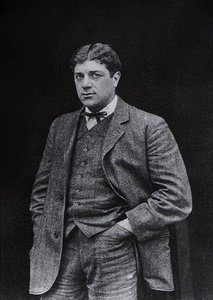
Georges Braque
1882 - 1963 , Franța
Detalii rapide
- Artistic Movement Or Style: Cubism, Fauvism
- Artists Or Movements Influenced By This Artist:
- Pablo Picasso
- Arta modernă
- Artists Who Influenced This Artist:
- Henri Matisse
- André Derain
- Paul Cézanne
- Date Of Birth: 13 mai 1882
- Date Of Death: 31 aug 1963
- Full Name: Georges Braque
- Nationality: Francez
- Notable Artworks:
- Houses at L'Estaque
- The Patience
- Violin și Paletă
- Place Of Birth: Argenteuil, Franța
Articole similare

Top 10 Capodopere Albastre: Picturi Celebre și Inspirație pentru Decor
Descoperă top 10 picturi celebre dominate de nuanțe subtile de albastru! Explorează poveștile din spatele capodoperelor Monet, Renoir și Van Gogh. Inspirație decor interior & reproducere tablouri pe OriginalUniqueArt.com
Serene Blue Backgrounds: Discover Soulful Art to Transform Your Space with Timeless Elegance
Transform your home with soulful blue art. From serene Monet impressions to modern textured sculptures, discover curated masterpieces designed to inspire calm. Explore expert art consultations and bespoke hand-painted reproductions to create your personal sanctuary.

The Allure of Azure: Exploring the Symbolic & Aesthetic Depths of Blue in Art History
Explore the rich history of blue in art! Discover its symbolism, from ancient pigments to modern masterpieces by Kandinsky & Seurat. Uncover the psychological impact and cultural meanings behind this captivating hue.
Cubismul Expresionist: 10 Capodopere Esențiale pentru Decoruri de Artă Rafinate | OriginalUniqueArt.ro
Descoperă cele mai importante 10 capodopere ale Cubismului Expresionist! Explorează poveștile lui Picasso, Braque și alți artiști revoluționari. Reproduceri de artă de calitate muzeală pentru un decor interior unic. OriginalUniqueArt.ro

Liquid Vibes: Bold Water Landscapes & Deep Blue Textures to Level Up Your Space
Elevate your space with bold water landscapes and deep blue textures. Discover trending abstract art, from sculptural textiles to premium oil reproductions, designed to bring high-impact, liquid vibes to modern urban interiors.



