Cubist Fauvism
tenora (Georges Braque)
Georges Braque (1882–1963) a realizat tenora. Face parte din mișcarea Cubist Fauvism. Este realizată în Mixed Media.
- Mixed Media

 Previzualizare

 Tablou în ulei pictat manual
 Trimite prin felicitare
 Distribuie
 Fișă informativă


 Descarcă imaginea
 Produse similare
 Radiografie
 Galerie foto
 Întrebări și răspunsuri

 Statistici
tenora, pe scurt
- Titlu
- tenora
- Artist
- Georges Braque (1882–1963)
- Artist născut în
- Argenteuil, Franța
- Medium
- Mixed Media
- Mișcare
- Cubist Fauvism
- Perioadă
- Modern
- Subiect
- painting, paper, frame, texture, composition, abstraction
Ce reprezintă tenora?
A Symphony of Texture and Silence
In the quiet realm of Georges Braque’s "Tenora," we encounter a masterpiece that defies the immediate expectations of the eye. At first glance, the composition presents a deceptive simplicity, a monochrome meditation that seems to strip away the distractions of the physical world. Yet, beneath this austere surface lies a profound exploration of texture and presence. The work functions as a tactile landscape, where the absence of vibrant color allows the viewer to focus entirely on the rhythmic dance of light across heavy, sculptural brushstrokes. It is an invitation to slow down, to move past the superficial, and to engage with the very materiality of paint itself. For the discerning collector or interior designer, this piece offers a sophisticated anchor—a work of quiet intensity that commands attention through its subtle complexity rather than through loud, competing hues.
The technique employed in "Tenora" is nothing short of visceral. Braque utilizes a thick impasto, applying layers of pigment so substantial that they create palpable ridges and valleys upon the canvas. This method transforms the painting from a mere two-dimensional image into a three-dimensional object, where shadows are cast by the paint itself. This interplay of light and shadow is further heightened by the artist's mastery of grayscale, creating a range of tones that feel both weighty and ethereal. The surface becomes a topographical map of the artist's creative struggle, capturing the energy of every stroke and the deliberate placement of every layer. Such textural depth makes a high-quality reproduction particularly rewarding, as it allows the play of ambient light in a room to interact with the simulated relief of the brushwork.
The Echoes of Fauvism and the Birth of Modernity
To understand "Tenora," one must look back to the radical shifts occurring in the French avant-garde at the turn of the 20th century. While Braque would later become a titan of Cubism, this work resonates with the lingering spirit of Fauvism. During this era, artists sought to liberate color from its descriptive duties, using it instead as a direct conduit for emotion. In "Tenora," even within a restricted palette, we feel that same expressive rebellion. The painting does not seek to mirror a recognizable object with photographic accuracy; rather, it seeks to capture the essence of a moment. There is a historical weight to this piece, as it sits at the crossroads of tradition and revolution, embodying the transition from the atmospheric preoccupations of Impressionism to the structural, intellectual rigor of the modern age.
The title itself, referencing the tenora—a traditional Catalan woodwind instrument—adds a layer of haunting symbolism. Though the instrument may not be explicitly rendered in a naturalistic fashion, its presence is felt through the rhythmic, melodic quality of the composition. The painting becomes a visual music, where the thick strokes act as notes and the tonal shifts serve as crescendos and decrescendos. This connection to folk tradition and auditory sensation imbues the work with a soulful, human element that balances its intellectual complexity. For those looking to infuse a space with culture and depth, "Tenora" provides more than just decoration; it offers a window into a pivotal moment of human expression, making it an enduring choice for any curated collection.
Imagini la înaltă rezoluție ale lui tenora

Protected by copyright: these files are for personal reference, not a licence to republish.
Georges Braque, tenora.
Întrebări despre tenora, răspunsuri
În ce tehnică este realizată lucrarea "tenora" de Georges Braque?
Tehnica utilizată pentru "tenora" de Georges Braque este Mixed Media, iar reproducerile urmăresc să reducă aspectul acestei tehnici.
Ce subiecte sunt reprezentate în "tenora" de Georges Braque?
Temele prezente în "tenora" de Georges Braque includ painting, paper, frame, texture, composition, abstraction, geometric. Împreună, acestea definesc subiectul întregii opere de artă.
"tenora" de Georges Braque face parte din domeniul public?
"tenora" de Georges Braque este în domeniul public (încă protejată de drepturile de autor). Acest statut reglementează modul în care imaginea lucrării poate fi reprodusă.
La ce artist este atribuită opera „tenora”?
Artistul din spatele operei „tenora” este Georges Braque. Lucrarea este catalogată sub numele lui Georges Braque.
Din ce curent artistic face parte "tenora" de Georges Braque?
"tenora" de Georges Braque face parte din mișcarea Cubist Fauvism. Acest curent oferă contextul stilistic al operei.
În ce etapă a evoluției lui Georges Braque se încadrează „tenora”?
"tenora" reprezintă perioada Mature Period a lui Georges Braque.
Care este motivul statutului drepturilor de autor pentru "tenora"?
Statutul drepturilor de autor pentru "tenora" - încă protejată de drepturile de autor - este determinat de data decesului artistului, în anul 1963.
Ce punct comun are "tenora" cu restul creației lui Georges Braque?
În creația lui Georges Braque, „tenora” se înscrie în stilul Cubist Fauvism, alături de temele fauvist expressionism, formal experimentation, analytical cubism, avant-garde tradition, iconic representation.
Cum se încadrează "tenora" în rândul temelor recurente ale lui Georges Braque?
"tenora" înfățișează painting, paper, frame, texture, composition, abstraction, geometric, în timp ce temele recurente ale lui Georges Braque sunt fauvist expressionism, formal experimentation, analytical cubism, avant-garde tradition, iconic representation. Compararea celor două relevă modul în care această lucrare se raportează la subiectele obișnuite ale artistului.
Despre artistul Georges Braque
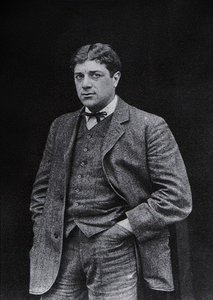
1882–1963, Franța
Georges Braque
Viața timpurie, familia și formarea artistică Georges Braque s-a născut în Argenteuil, Franța, în anul 1882. Primii săi ani de viață au fost petrecuți în Le Havre, într-un cămin definit de practicalitatea decorului și a culorii. Crescând într-o familie de zugravi și decoratori, el a fost imersat în realitățile tactile ale meseriei sale încă de la o vârstă fragedă. Această educație timpurie i-a oferit o fundație de măiestrie tehnică ce avea să îi modeleze, ulterior, abordarea asupra pânzei de pictură.
Despre Georges Braque Lucrări remarcabile ale lui Georges Braque
Alte lucrări ale lui Georges Braque
 Mandolina1910
 Om cu Chitară1914
 Case În L'estaque
 Harbor în Normandia1909
Eseuri despre tenora
 Quietude on Canvas: Examining Serenity in Classical LandscapesExplore how masters like Dürer and Corot capture profound stillness through landscape. Discover the art of visual tranquility today.
 Georges Braque: Cele Mai Iconice 25 De Opere – Artă Modernă pentru Decorul TăuDescoperă cele mai importante 25 de opere ale lui Georges Braque, pionier al cubismului! Explorează istoria, tehnicile și semnificația fiec…
 Georges Braque: The Architect of Form and the Soul of Cubist RevolutionExplore the profound legacy of Georges Braque, a master of Cubism. Discover how his technical craftsmanship and collaboration with Picasso …