

 Vezi în context
 Trimite
 Distribuie
 Detalii
 Ghidul

 Descarcă
 Produse similare
 Radiografie
 Diaporama
 Statistici
Brown Still Life
 Oil On Canvas
- WallArt
- Analytical Cubism
 1932
1932- Modern
 194.0 x 129.0 cm
 Citește mai mult
Lucrarea de artă afișată pe această pagină este protejată de legile privind drepturile de autor, ceea ce înseamnă că nu putem crea sau vinde în mod legal o reproducere identică. Această protecție este garantată prin acorduri internaționale, precum Convenția de la Berna și de legile naționale, inclusiv cele prevăzute de Legea dreptului de autor din S.U.A. – Titlul 17. Toate drepturile rezervate. Orice reproducere neautorizată este interzisă.
Această metodă respectă pe deplin reglementările privind drepturile de autor, deoarece nu implică copierea sau duplicarea operei protejate. În schimb, este o reinterpretare creativă – o pictură nouă, influențată de original, dar care nu este identică cu acesta.
Giclée / Imprimare artistică
Printuri giclée sau pe canvas de calitate muzeală, cu proces de producție rapid și opțiuni flexibile de finisare. ( Comandă pictură realizată manual Treci la imagine digitală)




P118B lei10

P118H lei10

P118W lei10

P438Z lei10

P508JH lei12

P508YH lei12

P805H lei10

P805Z lei10

P919BZ lei10

P919G lei10

P919XJ lei10

P959ZH lei10

P968JZ lei12

W106C lei8

W218G lei10

W218JH lei8

W218Y lei10

W307PJ lei10

W316G lei10

W316PJ lei8

W316Y lei10

W398PJ lei8

W4111J lei10

W500HY lei15

W500JH lei15

W692G lei12

W849H lei8

W940BG lei15

W953PJ lei8




Alegeți dintre dimensiunile noastre prestabilite, care respectă proporțiile originale ale operei de artă.

Introduceți lățimea și înălțimea de care aveți nevoie, pentru a se potrivi ramei sau peretelui dumneavoastră. O printare poate fi doar tăiată, niciodată extinsă dincolo de dimensiunea imaginii originale, astfel încât o dimensiune cu o formă diferită va pierde o parte din imagine. Vă trimitem o simulare digitală pentru aprobare înainte de a imprima orice. Imaginea afișată pe această pagină nu prezintă tăierea reală — doar simularea arată acest lucru.
Livrare în întreaga lume () în 2 săptămâni, în loc de cele 4/5 săptămâni standard. (23 Octombrie)

Livrare expres gratuită la nivel mondial

Pânză de in premium

Asigurare completă pentru transport

Garanție de rambursare a taxelor vamale

Garanția fidelității culorilor

Politica de retur în 100 de zile (doar pentru defecte)

Garanție de rambursare 100%

Reducere pentru comenzi multiple
 Opțiunea cu sticlă este disponibilă doar pentru dimensiuni de sub 110 cm

Brown Still Life
Giclée / Imprimare artistică
Dimensiune reproducere
-


Preț total
lei 371
A Moment Frozen in Time: The Soul of Georges Braque’s Brown Still Life
In the quietude of 1932, Georges Braque captured more than just a scene; he captured an atmosphere. “Brown Still Life” stands as a profound testament to the power of Cubism to transcend mere visual representation and touch upon the very essence of domestic tranquility. While the title suggests a focus on inanimate objects, the painting breathes with a hidden vitality, inviting the viewer into a contemplative space where time seems to decelerately pulse. Through his masterful use of geometric fragmentation, Braque invites us to look beyond the surface, challenging our perception of reality and urging us to reconstruct the scene through our own emotional lens.
The composition is a masterclass in the revolutionary techniques Braque developed alongside Pablo Picasso. Moving away from the fleeting light of Impressionism, Braque utilizes the principles of Cubism to dismantle and reassemble the world into interlocking planes. Notice how the chair in the lower left corner is not rendered as a singular, solid entity but is instead dissected into a rhythmic arrangement of cubes and rectangles. This technique does not merely show us an object; it presents multiple perspectives simultaneously, creating a sense of depth and complexity that keeps the eye wandering through the textured landscape of the canvas. It is this very tension between structure and fragmentation that makes the piece so captivating for modern collectors.
Symbolism and the Quiet Language of Domesticity
Beyond the technical brilliance lies a deeply moving narrative of connection and continuity. At the heart of the work, the depiction of a woman cradling her child serves as an anchor of tenderness amidst the fractured geometry. This central figure embodies idealized notions of motherhood and familial affection, yet Braque avoids the trap of sentimentality. Instead, he presents this bond with an understated dignity that resonates with a timeless, universal strength. The muted palette of browns, blacks, and golds lends a somber, respectful weight to this maternal embrace, making the scene feel like a sacred memory preserved in amber.
Braque subtly weaves layers of symbolism throughout the composition to enrich its emotional depth. The presence of birds—one perched to the left and another drifting toward the upper right—acts as a delicate metaphor for hope and renewal, punctuating the stillness with a sense of life's persistent movement. Meanwhile, the clock hanging above the woman’s head serves as a poignant memento mori, a quiet reminder of the inexorable passage of time juxtaposed against the enduring, unchanging nature of familial love. For an interior designer, these layers of meaning offer a profound way to introduce narrative and intellectual depth into a curated space.
A Timeless Addition to the Sophisticated Interior
For those seeking to adorn a home or gallery with works of historical significance, “Brown Still Life” offers an unparalleled blend of intellectual rigor and aesthetic warmth. The muted, earthy tones make it an incredibly versatile piece for high-end interior decoration, harmonizing beautifully with both contemporary minimalist settings and classic, richly textured rooms. The painting does not merely occupy space; it commands it, providing a focal point that encourages slow looking and deep thought.
Owning a high-quality reproduction of this masterpiece allows one to bring the revolutionary spirit of the early 20th century into the modern era. It is an investment in atmosphere—a way to surround oneself with the quiet strength, technical mastery, and profound emotional resonance that only a master like Georges Braque can provide. Whether viewed as a study in Cubist form or a meditation on the beauty of everyday life, this artwork remains a breathtaking window into a moment of eternal stillness.
Întrebări și răspunsuri
"Brown Still Life" de Georges Braque folosește contrastul puternic sau armonii delicate?
În "Brown Still Life", un Gentle contrast este împletuit cu o Unified Palette armonie.
Care sunt formatul și dimensiunile pentru "Brown Still Life"?
Formatul lucrării „Brown Still Life” este Portrait, iar dimensiunile originale sunt 194 x 129 cm. Ambele informații sunt utile atunci când planificați o reproducere.
„Brown Still Life” prezintă contraste puternice între lumină și întuneric?
Nivelul de contrast al operei "Brown Still Life" de Georges Braque este Gentle.
Biografie artist
Early Life and Artistic Foundations
Georges Braque, născut în Argenteuil, Franța, în 1882, a pornit într-un drum profund împletit cu peisajul în evoluție al artei moderne. Creșterea sa într-o familie de pictori și zugravi, precum și decoratori a instillat nu doar o măiestrie tehnică în utilizarea materialelor, ci și o apreciere timpurie pentru formă și structură. Deși inițial urmând exemplul tatălui său, Braque’s instinct artistic natural l-a condus curând la o pregătire formală la École des Beaux-Arts din Le Havre, marcând începutul călătoriei sale către a deveni unul dintre cei mai influenți pictori ai secolului XX. Această fundație – un amestec de meșteșug practic și studiu academic – s-a dovedit crucială pe măsură ce ulterior a deconstrucit și a reimaginat convențiile artistice tradiționale.
Mutându-se în Paris în 1902, Braque a continuat studiile la Académie Humbert, imersându-se în mediul artistic vibrant al orașului. Aici a întâlnit artiști precum Marie Laurencin și Francis Picabia, întărind conexiuni care au modelat dezvoltarea sa timpurie. Primele sale lucrări au reflectat influențele predominante ale Impresionismului și Post-Impresionismului, dar o întâlnire decisivă cu culorile îndrăznețe și libertatea expresivă a Fauvismului în 1905 a aprins o nouă direcție în explorarea sa artistică.
The Embrace of Fauvism and the Dawn of Cubism
Adoptarea principiilor Fauvistice de către Braque – caracterizate prin culori intense, non-naturaliste și expresie emoțională – este exemplificată vivid în picturi precum The Patience. Această perioadă a văzut-l lucrând alături de artiști precum Henri Matisse și André Derain, experimentând cu palate vibrante și forme simplificate. Cu toate acestea, implicarea lui Braque cu Fauvismul nu a fost doar o imitație; el a infuzat-o cu o sensibilitate unică, temperând exuberanța necontrolată a mișcării cu o abordare mai restrânsă și analitică. Un punct de cotitură a sosit în 1907 cu expoziția retrospectivă a operelor lui Paul Cézanne. Accentul pus de Cézanne pe forme geometrice și perspective multiple a avut un impact profund asupra Braque, pregătind terenul pentru colaborarea sa revoluționară cu Pablo Picasso. Începând din 1908, acești doi titani ai artei au pornit împreună într-o perioadă intensă de schimburi intelectuale care au dat naștere Cubismului – un mișcare revoluționară care a sfidat concepțiile tradiționale despre reprezentare.
Împreună, Braque și Picasso au dezvoltat Cubismul analitic, descompunând obiectele în forme geometrice fragmentate și prezentându-le din mai multe perspective simultan. Lucrări precum Houses at L'Estaque demonstrează această fază timpurie, evidențiind o abatere radicală de la perspectiva convențională și un focus pe structura subiacentă a formelor. Paleta lor a devenit deliberat palidă, punând accent pe formă în detrimentul culorii, pentru a reprezenta totalitatea prezenței unui obiect, mai degrabă decât doar aspectul său.
Innovation Through Fragmentation and Collage
Colaborarea dintre Braque și Picasso a continuat să depășească limitele expresiei artistice, conducând la dezvoltarea Cubismului sintetic în jurul anului 1912. Această fază a introdus *papier collé* – incorporarea de materiale din lumea reală, cum ar fi ziare, hârtie tapetată și țesături, în picturi. Această inovație a contestat ierarhia tradițională dintre pictură și sculptură, amestecând liniile dintre artă și viață.
Utilizarea pionieristică de către Braque a *papier collé* (pasted paper) a marcat un punct de cotitură semnificativ în evoluția sa artistică. Prin integrarea fragmentelor de obiecte din lumea reală în compozițiile sale, el a perturbat spațiul iluzionist al picturii tradiționale și a introdus un nou nivel de materialitate și textură.
Later Years and Enduring Legacy
După război, stilul lui Braque s-a dezvoltat dincolo de limitele stricte ale Cubismului timpuriu, incorporând elemente ale compoziției clasice și o nouă interes pentru natură moartă. În timp ce a păstrat influențele geometrice care au definit lucrarea sa timpurie, el a dezvoltat o abordare mai nuanțată și contemplativă a picturii. Pânzele sale mai târziu sunt caracterizate de atmosfera lor senină și armonii subtile de culoare. Pe tot parcursul carierei sale, Braque s-a angajat să exploreze principiile fundamentale ale formei, spațiului și reprezentării. A continuat să experimenteze cu diferite materiale și tehnici, depășind limitele expresiei artistice până la moartea sa în 1963. Moștenirea sa este imensă, modelând cursul artei moderne și inspirând generații întregi de pictori, sculptori și artiști colagiști.
Influences and Notable Works
- Influenced By: Henri Matisse, André Derain, Paul Cézanne
- Key Works: Houses at L'Estaque, The Patience, Violin and Palette, Mandola
- Impact on Art History: Revolutionized 20th-century art through Cubism; challenged traditional notions of perspective and representation.
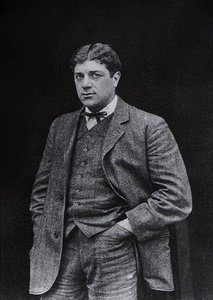
Georges Braque
1882 - 1963 , Franța
Informații rapide
- Artistic Movement Or Style: Cubism, Fauvism
- Artists Or Movements Influenced By This Artist:
- Pablo Picasso
- Arta modernă
- Artists Who Influenced This Artist:
- Henri Matisse
- André Derain
- Paul Cézanne
- Date Of Birth: 13 mai 1882
- Date Of Death: 31 aug 1963
- Full Name: Georges Braque
- Nationality: Francez
- Notable Artworks:
- Houses at L'Estaque
- The Patience
- Violin și Paletă
- Place Of Birth: Argenteuil, Franța
Articole conexe
Deconstructing Reality: A Comprehensive Exploration of Cubist Still Life
Explore the revolutionary world of Cubist Still Life with OriginalUniqueArt. Discover Picasso & Braque's groundbreaking techniques, its philosophical roots, and lasting impact on modern art. Expert insights for collectors.
Cubism Unveiled: How Picasso and Braque Redefined Reality Through Geometric Abstraction
Explore the revolutionary world of Cubism. Discover how masters Pablo Picasso and Georges Braque dismantled reality through geometric abstraction to redefine modern art history.

Paul Cézanne: Cele Mai Reprezentative 25 De Capodopere – Artă, Istorie și Decorațiuni Interioare
Descoperă cele mai frumoase 25 de capodopere Paul Cézanne! Explorează istoria, tehnicile și semnificația picturilor impresioniste iconice. Reproduceri artă de calitate muzeală & inspirație decor interioară pe OriginalUniqueArt.com.

Georges Braque: Cele Mai Iconice 25 De Opere – Artă Modernă pentru Decorul Tău
Descoperă cele mai importante 25 de opere ale lui Georges Braque, pionier al cubismului! Explorează istoria, tehnicile și semnificația fiecărei picturi. Reproduceri artă de calitate muzeală pentru decorul tău pe OriginalUniqueArt.com.
Georges Braque: Pioneering Cubism & the Evolution of Modern Form
Explore the revolutionary art of Georges Braque, a pioneer of Cubism alongside Picasso. Discover his artistic evolution, key works, and lasting impact on modern art. A guide for discerning collectors.


