

 Previzualizare
 Trimite
 Distribuie
 Detalii despre lucrare

 Descarcă
 Produse similare
 Radiografie
 Diapozitive automate
First Farewell
 Vezi mai mult
Achiziționați o imagine digitală de înaltă rezoluție, îmbunătățită, mult superioară previzualizării online.
Fiecare fișier este pregătit cu meticulozitate de specialiștii noștri interni, utilizând instrumente avansate și retușare manuală expertă. Ne asigurăm că fiecare imagine beneficiază de o claritate excepțională, o acuratețe precisă a culorilor și detalii fine.
Fișierul final este livrat prin e-mail în termen de 72 de ore, optimizat pentru utilizare imediată în medii profesionale, editoriale și de imprimare. Aceasta este aceeași calitate în care au încredere studiouri de design, edituri și galerii de top.
Imagine Digitală
Descărcați un fișier la rezoluție înaltă pentru afișare personală, imprimare și proiecte creative. ( Comandă printul Comandă pictură lucrată manual)
Inclus în fiecare comandă de imagini digitale
Livrare digitală de expertiză, garantată
Când alegeți OriginalUniqueArt.com, nu primiți doar o simplă imagine – primiți o operă de artă digitală îmbunătățită profesional, creată cu precizie și susținută de o garanție de satisfacție. Iată tot ceea ce primești odată cu comanda ta, în mod automat:

Livrare rapidă prin e-mail
Fișierul imaginii digitale la rezoluție înaltă vă va fi trimis prin e-mail în termen de 72 de ore de la finalizarea comenzii – gata pentru utilizare imediată.

Fișier digital optimizat prin IA
Opera ta de artă este optimizată profesional prin intermediul unor instrumente AI avansate și al editării manuale, asigurând un nivel maxim de detalii, claritate și acuratețe a culorilor.

Retransmitere gratuită pe viață
Ai șters sau ai pierdut din greșeală fișierul? Nu îți face griji – ți-l vom retrimite oricând, gratuit.

Fără taxe de import – Întotdeauna
Bucură-te instant de noua ta operă de artă, fără taxe vamale, taxe de import sau costuri de livrare – descărcările digitale sunt întotdeauna fără taxe.

Garanția acurateții culorilor
Asigurăm o reflectare cât mai fidelă a culorilor originale în imaginea ta digitală, prin utilizarea unor instrumente profesionale și a proceselor de gestionare a culorii.

Garanție de satisfacție de 60 de zile
Dacă nu sunteți mulțumit de imaginea digitală achiziționată, o vom revizui sau vă vom returna 100% în termen de 60 de zile – fără nicio explicație necesară.

Garanție de returnare 100% a banilor
Nu ești mulțumit? Obține o rambursare completă în termen de 60 de zile de la primirea fișierului tău digital – fără întrebări.

Reduceri pentru comenzi în volum
Cumpără 3 imagini, economisește 10% - Cumpără 5, economisește 15% - Cumpără 10+, economisește 20%. Ideal pentru proiecte creative, galerii și agenții.
Biografie artist
Henri Rousseau: A Pioneer of Naïve Vision
Henri Julien Félix Rousseau, born in Laval, France, in 1844, was a figure whose life and art defied easy categorization. Initially destined for a career as a government employee, Rousseau’s path dramatically shifted when he abandoned his job at age forty-four to pursue the singular passion that would define him: painting. This decision, coupled with his self-taught approach and unique artistic vision, cemented his place as one of the most intriguing and influential artists of the late 19th century – a pioneer of what we now recognize as “naïve art” or primitive expression. His work, often characterized by vibrant colors, fantastical scenes, and a dreamlike quality, exerted a profound influence on generations of artists, bridging the gap between academic tradition and the burgeoning avant-garde movements of the 20th century.Early Life and Influences
Rousseau’s childhood was marked by hardship and instability. His father's financial difficulties led to his family’s relocation from Laval, and he spent his youth working in a tinsmith shop. Despite limited formal education – he attended Laval High School as a day student before becoming a boarder – Rousseau demonstrated an early aptitude for drawing and music, skills nurtured through self-study. He briefly pursued legal studies but ultimately found himself drawn to the world of tax collection, a profession that would later provide him with the means to dedicate himself entirely to his art. Crucially, Rousseau’s artistic development was largely independent. He deliberately avoided formal training, preferring to learn by observing and imitating the works of masters he encountered in museums and galleries. This autodidactic approach, combined with his exposure to the vibrant colors and decorative arts of Tahiti through a friend who had served there, profoundly shaped his distinctive style – a synthesis of observation, imagination, and uninhibited expression. The influence of artists like Mary Cassatt, whose Impressionistic techniques he admired, is also evident in his later work, particularly in the way he captures fleeting moments of emotion and interaction.The Rise of “Le Douanier”
Rousseau’s artistic career began to gain recognition during the late 1870s and early 1880s, though often met with skepticism and ridicule. His paintings depicted scenes from the jungle, populated by exotic animals and figures, rendered in a bold, simplified style that stood in stark contrast to the prevailing academic standards of the time. He adopted the moniker “Le Douanier” (the customs officer) – a humorous reference to his former occupation – reflecting both his humble origins and his somewhat eccentric personality. Despite this initial resistance, Rousseau persevered, exhibiting his work sporadically at Salon exhibitions and establishing a devoted following among artists and intellectuals who recognized the originality and emotional power of his art. His paintings, imbued with a sense of primal energy and spiritual depth, resonated with a growing interest in non-Western cultures and the exploration of the subconscious – themes that would become central to the Symbolist movement.Key Works and Artistic Style
Rousseau’s oeuvre is characterized by a remarkable consistency in subject matter and technique. He frequently depicted scenes from the jungle, often featuring animals rendered with an almost childlike innocence and a palpable sense of wonder. *The Sleeping Gypsy* (1897), perhaps his most famous work, captures the vulnerability and solitude of a young woman resting beneath a star-filled sky – a scene imbued with both beauty and melancholy. Other notable paintings include *Tiger in a Tropical Storm* (1896), a dynamic composition that conveys the raw power of nature; *The Hungry Lion Throws Itself on the Antelope* (1894), a dramatic depiction of predatory instinct; and *Boy on the Rocks* (1897), a poignant portrait of a young boy lost in contemplation. Rousseau’s artistic style is instantly recognizable for its use of flat, unmodulated color, simplified forms, and a deliberate lack of perspective. He eschewed traditional techniques of shading and modeling, opting instead to create his images through bold brushstrokes and the juxtaposition of vibrant hues. This approach, rooted in his self-taught practice, resulted in a unique visual language that prioritized emotional impact over realistic representation.Legacy and Historical Significance
Despite facing considerable criticism during his lifetime, Henri Rousseau’s work has since been recognized as a seminal contribution to the development of modern art. His pioneering exploration of “naïve art” – characterized by its directness, emotional intensity, and rejection of academic conventions – paved the way for later artists such as Paul Gauguin, Pablo Picasso, and Marc Chagall. Rousseau’s influence extends beyond painting; his work has inspired a wide range of artistic disciplines, including sculpture, printmaking, and illustration. His paintings continue to captivate audiences with their dreamlike quality, their evocative imagery, and their profound sense of human emotion. Henri Rousseau died in Paris in 1910, leaving behind a legacy as one of the most original and enduring figures in the history of art – an artist who dared to paint according to his own vision, transforming the world through the power of his imagination.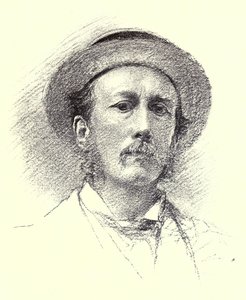
george william joy
1844 - 1925

