

 Previzualizare
 Trimite
 Distribuie
 Detalii despre lucrare

 Descarcă
 Produse similare
 Radiografie
 Diapozitive automate
William Metcalfe
 Contemporary Realism
 1821
1821 127.0 x 102.0 cm
 Vezi mai mult
Reproducere pictată manual în ulei
Pictură în ulei pe pânză, realizată manual de artiștii noștri la dimensiunea și ramele dorite de dumneavoastră, pe comandă. ( Comandă versiunea tipărită Comută la imagine)




































Alegeți dintre dimensiunile noastre prestabilite, care respectă proporțiile originale ale operei de artă.

Puteți introduce propriile dimensiuni pentru a se potrivi unui anumit cadru sau spațiu. Dacă dimensiunea selectată nu corespunde proporțiilor imaginii originale, vom decupa opera de artă sau vom extinde pictura cu elemente suplimentare pictate manual. O simulare digitală vă va fi trimisă pentru aprobare înainte de începerea producției.
Vă rugăm să rețineți că previzualizarea de pe ecran nu reflectă decuparea sau extinderea reală. Doar macheta va arăta cu exactitate compoziția finală.
Deși sunt disponibile dimensiuni personalizate, vă recomandăm să selectați o dimensiune din lista predefinită pentru a păstra proporțiile originale.
După plasarea comenzii, echipa OriginalUniqueArt.com va contacta clientul prin e-mail pentru instrucțiuni și îi va furniza o previzualizare a machetei
Livrare în întreaga lume () în 3-4 săptămâni, în loc de cele 5 săptămâni standard. (10 August). Fără compromisuri în ceea ce privește calitatea.

Livrare expres gratuită la nivel mondial

Pânză de in de înaltă calitate

Asigurare completă pentru transport

Garanție de rambursare a taxelor vamale

Garanția fidelității culorilor

Politica de retur în 60 de zile (doar pentru defecte)

Garanție de rambursare 100%

Ofertă pentru comenzi multiple
 Opțiunea cu sticlă este disponibilă doar pentru dimensiuni de sub 110 cm

William Metcalfe
Tehnică de reproducere
Dimensiune reproducere
-


Preț total calculat
$ 300
Biografie artist
George Watson (1767 – 1837): A Pioneer of Scottish Portraiture
George Watson was a pivotal figure in the artistic landscape of Scotland during the late Georgian and early Victorian eras, establishing himself as one of the foremost portrait painters of his time. Born in Edinburgh around 1767, he possessed an innate talent for capturing likenesses with remarkable accuracy and subtlety—a skill that quickly garnered him recognition within the burgeoning Scottish art scene. His career spanned over seven decades, during which he produced a prolific body of work characterized by its refined style and meticulous attention to detail.Early Life and Artistic Training
Watson’s formative years were marked by exposure to influential artistic currents circulating in Edinburgh. He apprenticed under John Ramsay, a celebrated Scottish landscape painter who instilled in Watson a deep appreciation for tonal harmony and atmospheric perspective—techniques that would become hallmarks of his distinctive approach to portraiture. Ramsay's guidance fostered Watson’s understanding of how to convey emotion through color and form, shaping him into an artist deeply attuned to the psychological complexities inherent in human subjects. Furthermore, Watson studied briefly at the Royal Academy in London, broadening his artistic horizons and exposing him to European stylistic innovations prevalent during that period.Watson's Artistic Style and Technique
Watson’s artistic style distinguished itself from its contemporaries through a commitment to tonal gradation—a technique whereby he skillfully blended shades of color to create illusions of depth and volume within his canvases. Unlike many artists who favored brighter palettes, Watson prioritized muted hues, favoring browns, greys, and ochres to achieve an understated elegance that perfectly complemented the solemn dignity of his subjects. He meticulously rendered textures with painstaking precision, utilizing glazing techniques—applying thin layers of translucent paint over subsequent coats—to build up surfaces with remarkable realism. This meticulous approach demanded considerable patience and skill, resulting in portraits imbued with a palpable sense of presence and psychological insight.Notable Commissions and Artistic Achievements
Watson’s reputation grew steadily throughout his lifetime thanks to numerous prestigious commissions from aristocratic families and prominent figures across Scotland. He painted portraits of members of the Scottish aristocracy—including Earl Grey, Lord Melville, and Sir William Wallace—capturing their likenesses with unwavering fidelity while simultaneously conveying their character and bearing. His work extended beyond portraiture into genre scenes depicting domestic interiors and landscapes, demonstrating his versatility as an artist. Among his most celebrated achievements was his depiction of Elizabeth Oliver, the wife of John Singleton Copley—a painting that exemplifies Watson’s mastery of tonal harmony and psychological observation. This masterpiece remains a testament to his artistic vision and enduring legacy.Legacy and Historical Significance
George Watson's influence on Scottish art history is undeniable. He championed a style rooted in observation and restraint, establishing himself as a pioneer of Scottish portraiture—a genre that would flourish throughout the Victorian era. His meticulous technique and unwavering dedication to capturing human emotion solidified his place among Scotland’s artistic luminaries. Watson’s paintings continue to be admired for their beauty and psychological depth, serving as invaluable records of the social and cultural milieu of his time. He is remembered not merely as a skilled painter but as an artist who profoundly shaped the aesthetic sensibilities of his era—a legacy that persists to this day.
george watson
1767 - 1837
Detalii rapide
- Artistic Movement Or Style: Neoclassical
- Artists Who Influenced This Artist:
- Joshua Reynolds
- Benjamin West
- Date Of Birth: 1767
- Date Of Death: 1837
- Full Name: George Watson
- Nationality: Scottish
- Notable Artworks:
- The Duchess of Sutherland
- Portrait of William Lyon Mackenzie
- Place Of Birth: Edinburgh, Scotland
Articole similare
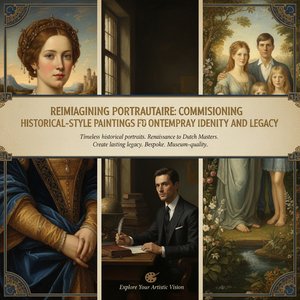
Reimaginarea Portretului Regal: Comandarea de Picturi în Stil Istoric pentru Identitatea și Moștenirea Contemporană
Comandă un portret regal personalizat realizat de artiști talentați! Redescoperă stilurile istorice și creează o moștenire artistică durabilă. Consultanță gratuită & calitate superioară garantată.
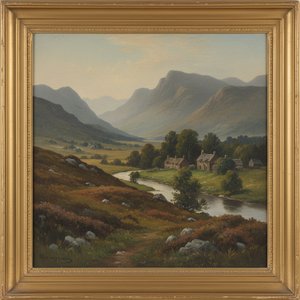
Sir John Watson Gordon: A Study in Scottish Landscape Painting & Tonal Impressionism
Explore the captivating portraits of Sir John Watson Gordon, a leading Scottish master. Discover his evolution from neoclassical style to atmospheric Tonalism and influence on 19th-century British art. Learn about his iconic sitters & legacy.
From Imagination to Canvas: Commissioning Bespoke Fantasy Art with Traditional Oil Painting Techniques
Commission breathtaking bespoke fantasy art with skilled oil painters. Explore techniques, artist selection & preservation tips. Invest in a unique masterpiece today!
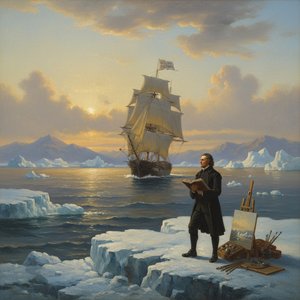
William Bradford: Navigating Faith, Landscape & Artistic Innovation in Early American Painting
Explore the captivating world of William Bradford, American Romanticist painter renowned for his dramatic Arctic seascapes & ship portraits. Discover his artistic evolution, influences, and lasting legacy with OriginalUniqueArt.
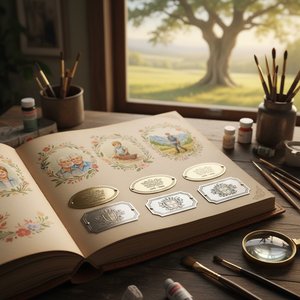
Dincolo de Retrat: Valoarea Durabilă a Plăcii Commemorative în Arta Personalizată
OriginalUniqueArt creează plăci comemorative personalizate cu portrete sculptate de artiști talentați. Onorează-ți cei dragi cu o operă de artă durabilă, realizată manual și cu atenție la detalii. Moștenire familială garantată!

