

 Vezi în context
 Trimite
 Distribuie
 Detalii
 Ghidul

 Descarcă
 Produse similare
 Radiografie
 Diaporama
 Statistici
James Stanley
 Oil On Canvas
- WallArt
- Romanticism
 1755
1755- Early Modern
 625.0 x 750.0 cm
 Walker Art Gallery
 Citește mai mult
Giclée / Imprimare artistică
Printuri giclée sau pe canvas de calitate muzeală, cu proces de producție rapid și opțiuni flexibile de finisare. ( Comandă pictură realizată manual Treci la imagine digitală)




P118B lei10

P118H lei10

P118W lei10

P438Z lei10

P508JH lei12

P508YH lei12

P805H lei10

P805Z lei10

P919BZ lei10

P919G lei10

P919XJ lei10

P959ZH lei10

P968JZ lei12

W106C lei8

W218G lei10

W218JH lei8

W218Y lei10

W307PJ lei10

W316G lei10

W316PJ lei8

W316Y lei10

W398PJ lei8

W4111J lei10

W500HY lei15

W500JH lei15

W692G lei12

W849H lei8

W940BG lei15

W953PJ lei8




Alegeți dintre dimensiunile noastre prestabilite, care respectă proporțiile originale ale operei de artă.

Puteți introduce propriile dimensiuni pentru a se potrivi unui anumit cadru sau spațiu. Dacă dimensiunea selectată nu corespunde proporțiilor imaginii originale, vom decupa lucrarea de artă sau vom extinde imaginea cu margini oglindite sau cu o culoare uniformă. Un mockup digital va fi trimis pentru aprobarea dumneavoastră înainte de începerea producției.
Vă rugăm să rețineți că previzualizarea de pe ecran nu reflectă decuparea sau extinderea reală. Doar mockup-ul va arăta cu exactitate compoziția finală.
Deși dimensiunile personalizate sunt disponibile, vă recomandăm să selectați o dimensiune din lista predefinită pentru a păstra proporțiile originale.
Livrare în întreaga lume () în 2 săptămâni, în loc de cele 4/5 săptămâni standard. (8 Octombrie)

Livrare expres gratuită la nivel mondial

Pânză de in premium

Asigurare completă pentru transport

Garanție de rambursare a taxelor vamale

Garanția fidelității culorilor

Politica de retur în 100 de zile (doar pentru defecte)

Garanție de rambursare 100%

Reducere pentru comenzi multiple
 Opțiunea cu sticlă este disponibilă doar pentru dimensiuni de sub 110 cm

James Stanley
Giclée / Imprimare artistică
Dimensiune reproducere
-


Preț total
lei 361
A Glimpse into Georgian Elegance
In the quiet, dignified presence of George Stubbs’s 1755 portrait, James Stanley, we encounter more than just a likeness; we step into the very heart of the Enlightenment. Before he became the preeminent master of equine anatomy, known for capturing the raw power of horses with scientific precision, Stubbs demonstrated a profound command over the human form. This early work serves as a captivating window into the social fabric of 18th-century Britain, presenting a gentleman whose identity remains shrouded in the mists of time, yet whose character radiates through the canvas. The sitter, identified only by an inscription noting his name and age of thirty-three, stands against a subtly textured, dark background that acts as a stage, stripping away all worldly distractions to focus the viewer’s entire attention upon the man himself.
The composition is masterfully understated, eschewing the grandiosity often found in aristocratic portraiture of the era in favor of a quiet, introspective intimacy. There is an immediate rapport established as Stanley’s gaze meets ours, inviting a moment of shared contemplation. This sense of connection is heightened by the artist's ability to balance formal dignity with a palpable human warmth. For the collector or interior designer, such a piece offers a sophisticated anchor for a room, providing a focal point that commands respect while maintaining an air of approachable grace.
The Intersection of Science and Artistry
What distinguishes this portrait is Stubbs’s unique ability to marry meticulous anatomical accuracy with a burgeoning impressionistic sensibility. While his later works would be celebrated for their rigorous study of musculature and bone structure, in James Stanley, we see the seeds of this scientific devotion applied to the human countenance. Every detail, from the subtle contours of the face to the texture of his attire, is rendered with a dedication to truth that was radical for its time. He avoids the trap of idealized beauty, choosing instead to honor the authentic features of his subject, a choice that lends the painting an enduring, timeless quality.
Technically, the work is a triumph of tonal variation. Stubbs employs a sophisticated play of light and shadow—chiaroscuro—to sculpt the figure out of the darkness. The edges of the subject are not harshly defined; rather, they softly bleed into the atmospheric background, creating a sense of depth and movement that prevents the portrait from feeling static. This technique anticipates the more fluid styles of later centuries, making the piece feel remarkably modern despite its mid-18th-century origins. The rich textures suggested by his clothing—the weight of the fabric and the glint of gold buttons—provide a tactile richness that makes the painting feel alive under varying light conditions.
An Enduring Legacy for the Discerning Eye
To possess a reproduction of this caliber is to bring a piece of British art history into one's personal sanctuary. James Stanley is not merely a decorative object; it is a conversation starter, a testament to an era where the pursuit of knowledge and the appreciation of beauty were inextricably linked. The painting evokes a sense of nostalgia for the Georgian age—a period of intellectual curiosity and refined elegance. Its somber palette and commanding presence make it an ideal choice for curated galleries, traditional studies, or contemporary spaces seeking a touch of historical gravity.
For those looking to inspire awe and reflection within a home or professional design project, this work offers unparalleled emotional resonance. It embodies the spirit of a pioneer—an artist who dared to look closer at the world around him. Whether viewed as a study in light, a masterclass in portraiture, or a relic of a bygone social landscape, Stubbs’s James Stanley remains a profound achievement that continues to captivate the soul of the art lover.
Întrebări și răspunsuri
La ce vârstă a creat George Stubbs opera „James Stanley”?
George Stubbs avea 31 ani când a creat "James Stanley" în 1755. Vârsta este calculată pe baza anului nașterii artistului, 1724.
Care este data creației pentru "James Stanley" de George Stubbs?
"James Stanley" de George Stubbs a fost creat(ă) în 1755.
Care este luminozitatea lucrării "James Stanley" de George Stubbs?
Culorile din "James Stanley" prezintă o luminanță Dark.
Cine a creat "James Stanley"?
Artistul din spatele operei „James Stanley” este George Stubbs. Lucrarea este catalogată sub numele lui George Stubbs.
Este "James Stanley" liber de drepturi de autor?
În ceea ce privește drepturile de autor, "James Stanley" este în domeniul public - drepturile de autor au expirat.
În ce muzeu se află originalul "James Stanley"?
"James Stanley" de George Stubbs este expusă la Walker Art Gallery, Liverpool, Regatul Unit. Mențiunea muzeului se referă la lucrarea originală, nu la reproduceri.
Care este locul ocupat de "James Stanley" de George Stubbs în istoria artei?
"James Stanley" de George Stubbs aparține mișcării Romanticism, din perioada Early Modern. Împreună, acestea conferă operei locul său în istoria artei.
Biografie artist
Early Life and Training
George Stubbs, un pictor englez de renume mondial, s-a născut în Liverpool pe 25 august 1724, într-o familie modestă. Tatăl său, John Stubbs, era un curier – un meșter care lucra cu piei – o meserie bine stabilită în orașul portuar. George a crescut într-un mediu familiar cu animalele, deoarece tatăl său avea adesea contact cu cai și alte specii de animale. Deși nu există multe informații detaliate despre copilăria sa timpurie, este clar că interesul pentru anatomia animalelor a fost prezent încă din tinerețe. În jurul vârstei de 8 ani, Stubbs a început să deseneze schițe ale animalelor, câștigând chiar și un premiu la concursul local de artă pentru desenul său al unui cal. Această pasiune timpurie a modelat traiectoria sa artistică ulterioară. În loc să urmeze calea tradițională a unui meșteșugar, Stubbs a ales o cale neobișnuită pentru un băiat din acea perioadă: pictura. A început să lucreze ca asistent la un pictor local, Hamlet Winstanley, în jurul vârstei de 15 ani. Winstanley era un artist obscur, dar Stubbs a profitat de oportunitatea de a învăța despre tehnicile picturale și de a studia colecția impresionantă de opere de artă din Knowsley Hall, o proprietate aparținând familiei Winstanley. Această experiență timpurie a fost crucială pentru dezvoltarea abilităților sale artistice, oferindu-i acces la modele clasice și la o înțelegere profundă a anatomiei și compoziției. După doar câteva săptămâni de muncă cu Winstanley, Stubbs s-a simțit frustrat de stilul rigid al mentorului său și a decis să se întoarcă la propria sa viziune artistică.Artistic Development and Notable Works
După despărțirea de Winstanley, Stubbs a continuat să își dezvolte abilitățile în mod autodidact, concentrându-se pe studiul anatomiei animalelor. În 1744, s-a mutat la York, în nordul Angliei, unde a studiat sub îndrumarea chirurgului Charles Atkinson la spitalul județean din York. Această experiență i-a oferit o înțelegere de neegalat a structurii musculare și osoase a animalelor, care s-a reflectat în realismul incredibil al picturilor sale. Unul dintre cele mai timpurii și mai importante lucrări ale lui Stubbs este seria de ilustrații pentru manualul de cezariane al lui John Burton din 1751. Aceste ilustrații, realizate cu o acuratețe remarcabilă, demonstrează abilitatea sa de a reprezenta anatomia umană cu un nivel de detaliu fără precedent. În 1756, Stubbs închiriat o fermă în Lincolnshire și petrecând 18 luni acolo, a început un proiect ambițios: studierea anatomiei calului. A lucrat intens, disecând numeroase cai și creând schițe minuțioase ale fiecărei părți a corpului animalului. Rezultatul acestei munci riguroase a fost publicarea *Anatomiei Calului* în 1766, o carte care a devenit un standard pentru studenții de medicină și artiști. În plus, Stubbs a creat câteva opere de artă remarcabile, inclusiv "A Lion Attacking a Horse" (1762), o pictură dramatică care a captivat imaginația publicului și a contribuit la popularizarea conceptului de "romanticism" în arta britanică.Royal Patronage and Artistic Style
Succesul lui Stubbs nu s-a întâmplat peste noapte. În 1759, a primit comenzi importante de la mai mulți ducși și lori, inclusiv Ducatul de Richmond, care i-a comandat trei picturi mari. Aceste comenzi au marcat începutul carierei sale de succes, iar în scurt timp Stubbs era solicitat să creeze opere de artă pentru numeroși membri ai elitei aristocratice din Anglia. Un aspect unic al stilului lui Stubbs a fost abordarea sa inovatoare a picturii ecvestre. Spre deosebire de mulți artiști care reprezentau cai într-un mod static și idealizat, Stubbs se concentra pe capturarea dinamicii, forței și emoțiilor animalelor. Picturile sale nu sunt doar reprezentări anatomice precise; ele transmit o senzație palpabilă de viață și mișcare. În plus, Stubbs a fost un maestru al culorii, folosind nuanțe subtile și contraste puternice pentru a crea efecte vizuale impresionante.Legacy and Notable Paintings
Printre cele mai faimoase picturi ale lui George Stubbs se numără "Whistlejacket" (1762), o reprezentare revoluționară a unui purce în picioare pe spate, care a sfidat convențiile de la acea vreme. Pictura, comandată de cel de-al doilea marquess de Rockingham, este remarcabilă pentru fundalul său simplu și neutru, ceea ce a permis ca atenția să fie concentrată asupra expresiei puternice a animalului. Această pictură, împreună cu alte două picturi realizate pentru Rockingham, au fost considerate o ruptură radicală față de convențiile tradiționale ale picturii ecvestre. În plus, Stubbs este cunoscut pentru seria sa de picturi pe tema unui leu atacând un cal, care sunt considerate primele exemple timpurii de romanticism în arta britanică. Aceste picturi transmit o senzație palpabilă de luptă și tensiune, capturând frumusețea brută a naturii. George Stubbs rămâne unul dintre cei mai apreciați și influențați artiști ai Angliei, iar operele sale continue să inspire admirația și uimirea publicului din întreaga lume.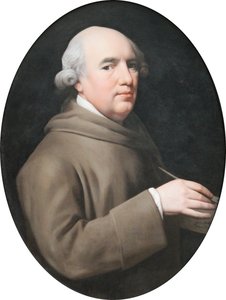
George Stubbs
1724 - 1806 , Regatul Unit al Marii Britanii și Irlandei
Informații rapide
- Artistic Movement Or Style: Romanticism, Artă ecvestră
- Artists Or Movements Influenced By This Artist: ['Joshua Reynolds']
- Artists Who Influenced This Artist: ['Hamlet Winstanley']
- Date Of Birth: 25 august 1724
- Date Of Death: 10 iulie 1806
- Full Name: George Stubbs
- Nationality: British
- Notable Artworks:
- Whistlejacket
- Leu atacând un cal
- Anatomia Caii
- Place Of Birth: Liverpool, UK
Articole conexe
Animalia: Prezența Durabilă a Animalelor în Artă și Design Interior
Explorați prezența fascinantă a animalelor în artă și design interior de-a lungul istoriei. Descoperiți simbolismul, influențele culturale și inspirația oferită de lumea animală.
Top 10 Capodopere Neoclasice: Artă, Istorie și Decorațiuni Interioare de Lux
Descoperă top 10 capodopere neoclasice de la David, Ingres și Canova! Explorează istoria artei, tehnicile artistice și semnificația culturală a picturilor și sculpturilor clasice. Găsește reproducerea perfectă pentru decorul tău pe OriginalUniqueArt.com.
George Stubbs: Anatomical Precision & Romantic Vision in 18th-Century British Art
Explore the captivating world of George Stubbs, the 18th-century master renowned for his anatomical precision & Romantic animal paintings. Discover his legacy and investment potential.
Beastly Brushstrokes: A Historical Journey Through Animal Painting & Aesthetic Movements
Explore the rich history of animal painting across cultures & movements. Discover iconic artists, symbolism, collecting trends & expert art consultation at OriginalUniqueArt.com.
Thomas Hudson: A Study in 18th-Century Portraiture & British Artistic Identity
Explore the life & work of Thomas Hudson, a leading 18th-century British portraitist. Discover his mastery of the 'Grand Manner,' influential style, and lasting impact on British art. Learn about his notable portraits like Judge William Noel & Alexander Van Aken.


