 Previzualizare
 Trimite prin felicitare
 Distribuie
 Detalii despre lucrare
 Ghid
Ghid

 Descarcă imaginea
 Produse similare
 Radiografie
 Galerie foto
 Întrebări și răspunsuri
 Statistici
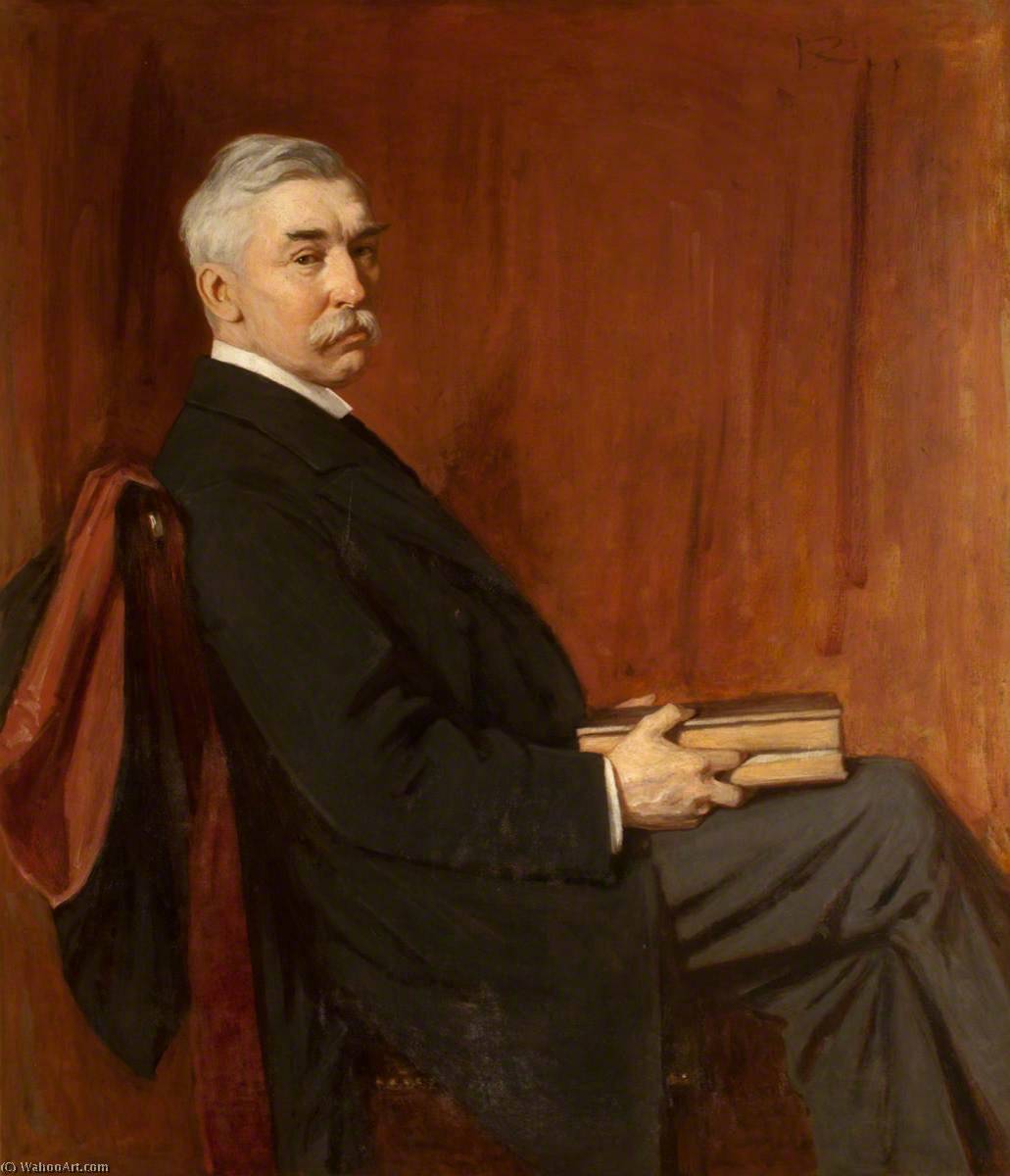
Sir John Sibbald

- 122.0 x 107.0 cm


 Vezi mai mult
Obțineți un fișier gata de imprimare care depășește cu mult calitatea previzualizării web. Fiecare imagine digitală pe care o vindem provine dintr-un master de înaltă rezoluție din baza noastră de date — având, de regulă, o lățime între 5.000 și 15.000 de pixeli — astfel încât să puteți printa în format mare, să decupați strâns sau să reproduceți detalii fine cu încredere.
Niciun fișier nu părăsește studioul nostru fără să fie tratat. Un expert digital verifică nuanțele de culoare în raport cu pictura originală și le corectează acolo unde este necesar, apoi îmbunătățește claritatea și detaliile folosind instrumente profesionale de retușare — rămânând întotdeauna fidel gestului pictural și stilului artistului. Rezultatul este o imagine care seamănă cu tabloul propriu-zis, nu cu o scanare filtrată.
Aprobați înainte de finalizare: expertul nostru vă va trimite imaginea prin e-mail în termen de 72 de ore pentru revizuire. Nu sunteți mulțumit? Solicitați îmbunătățiri sau corecturi, ori cereți o restituire a plății dacă calitatea nu este pe măsura așteptărilor.
Aceasta este calitatea pe care se bazează editorii, studiourile de design, galeriile și tipăriturile.
Imagine Digitală
Descărcați un fișier la rezoluție înaltă pentru afișare personală, imprimare și proiecte creative. ( Comută pe versiunea Print Comandă pictură realizată manual)
Inclus în fiecare comandă de imagini digitale
Livrare digitală de expertiză, garantată
Când alegeți OriginalUniqueArt.com, nu primiți doar o simplă imagine – primiți o operă de artă digitală îmbunătățită profesional, creată cu precizie și susținută de o garanție de satisfacție. Iată tot ceea ce primești odată cu comanda ta, în mod automat:

Livrare rapidă prin e-mail
Fișierul imaginii digitale la rezoluție înaltă vă va fi trimis prin e-mail în termen de 72 de ore de la finalizarea comenzii – gata pentru utilizare imediată.

Fișier digital optimizat prin IA
Opera ta de artă este optimizată profesional prin intermediul unor instrumente AI avansate și al editării manuale, asigurând un nivel maxim de detalii, claritate și acuratețe a culorilor.

Retransmitere gratuită pe viață
Ai șters sau ai pierdut din greșeală fișierul? Nu îți face griji – ți-l vom retrimite oricând, gratuit.

Fără taxe de import – Întotdeauna
Bucură-te instant de noua ta operă de artă, fără taxe vamale, taxe de import sau costuri de livrare – descărcările digitale sunt întotdeauna fără taxe.

Garanția acurateții culorilor
Asigurăm o reflectare cât mai fidelă a culorilor originale în imaginea ta digitală, prin utilizarea unor instrumente profesionale și a proceselor de gestionare a culorii.

Garanție de satisfacție de 100 de zile
Dacă nu sunteți mulțumit de imaginea digitală achiziționată, o vom revizui sau vă vom returna 100% în termen de 100 de zile – fără nicio întrebare.

Garanție de returnare 100% a banilor
Nu ești mulțumit? Primești rambursarea integrală în termen de 100 de zile de la primirea fișierului digital – fără nicio întrebare.

Reduceri pentru comenzi în volum
Cumpără 3 imagini, economisește 10% - Cumpără 5, economisește 15% - Cumpără 10+, economisește 20%. Ideal pentru proiecte creative, galerii și agenții.
A Portrait of Dignity: The Soul of Sir John Sibbald
In the quiet, commanding presence of George Agnew Reid’s Sir John Sibbald, one finds more than just a mere likeness of a man; one encounters a profound meditation on character and intellectual legacy. Completed around 1893, this masterful oil on canvas serves as a window into the Victorian era's reverence for authority, wisdom, and moral fortitude. The subject, Sir John Sibbald—a distinguished physician and Fellow of the Royal College of Physicians of Edinburgh—is captured not in a moment of action, but in a state of contemplative repose. As he sits before a subtle, deep red backdrop, his very posture radiates a sense of settled importance, inviting the viewer to pause and reflect upon the weight of a life dedicated to science and service.
Reid, an artist whose roots were planted in the pastoral landscapes of Ontario but whose hands were trained in the rigorous academic traditions of Philadelphia, brings a unique duality to this work. There is a palpable tension between the meticulous, almost scientific precision of his realism and a soft, atmospheric warmth that breathes life into the canvas. The way the light catches the silvered strands of Sibbald’s beard and the gentle furrow of his brow suggests an intimacy that transcends the formal boundaries of traditional portraiture. For the collector or the lover of fine art, this piece offers a rare opportunity to possess a fragment of Canadian artistic heritage, rendered with a sensitivity that makes the subject feel both monumental and deeply human.
Mastery of Light and Texture
The technical brilliance of Sir John Sibbald lies in Reid’s sophisticated use of glazing and tonal variation. To gaze upon the painting is to witness a masterclass in the art of realism. The artist employed thin, translucent layers of oil paint—a technique known as glazing—to build up a luminous depth that seems to glow from within. This method allows light to penetrate the surface, illuminating the subtle textures of Sibbald’s dark formal suit and the crisp, stark white of his shirt. Such attention to detail creates a breathtaking illusion of three-dimensionality, making the fabric appear heavy and tactile, as if one could reach out and feel the weave of the cloth.
Beyond the physical textures, Reid utilizes light to direct the emotional narrative of the piece. The soft gradient of the background, transitioning from deep shadows to a warmer, muted crimson, focuses all attention upon the subject's face and hands. This careful manipulation of chiaroscuro—the contrast between light and dark—imbues the portrait with a sense of drama and solemnity. For interior designers seeking to anchor a room with a piece of commanding presence, the painting’s balanced composition and rich, tonal palette provide an unparalleled sense of sophistication and timelessness.
Symbolism and the Legacy of Knowledge
Every element within this portrait has been carefully curated by Reid to communicate the essence of his subject. The inclusion of a book held firmly yet naturally in Sibbald’s hands is far from incidental; it serves as a powerful symbol of scholarship, erudition, and the pursuit of truth. In an age where professional identity was inextricably linked to one's intellectual contributions, the book acts as a silent testament to the physician's devotion to the medical arts. This symbolic layer elevates the painting from a simple biographical record to a tribute to the enduring power of human knowledge.
The overall emotional impact of the work is one of profound stability and grace. In an ever-changing world, there is a deep, aesthetic comfort in encountering such a steadfast representation of character. Whether displayed in a private study, a grand library, or a curated gallery space, Sir John Sibbald acts as a focal point of quiet strength. It is a piece that does not merely decorate a wall; it enriches the atmosphere of a home, offering a continuous dialogue between the historical dignity of the past and the refined elegance of the present.
Întrebări și răspunsuri
Cine a creat "Sir John Sibbald" și în ce stil este realizată?
"Sir John Sibbald" a fost creat de George Reid, în stilul Contemporary Realism. Artistul și mișcarea definesc tradiția acestei opere.
Sub ce alte nume este cunoscut/ă George Reid?
Alte nume înregistrate pentru George Reid, creatorul operei „Sir John Sibbald”, includ G.A. Reid.
În ce tehnică este realizată lucrarea "Sir John Sibbald" de George Reid?
Tehnica utilizată pentru "Sir John Sibbald" de George Reid este Oil On Canvas, iar reproducerile urmăresc să reducă aspectul acestei tehnici.
Biografie artist
Early Life and Artistic Foundations
George Agnew Reid emerged from the fertile landscapes of rural Canada West, born in 1860 in Wingham, Ontario – a place that would indelibilmente shape his artistic vision. His beginnings were steeped not in formal training but in the rhythms of farm life—a setting he’d later revisit with poignant detail and emotional depth in his paintings. Though initially hesitant about his son's aspirations, Reid’s father eventually recognized and supported his burgeoning talent, allowing him to pursue studies at the Central Ontario School of Art in Toronto in 1879 under the tutelage of Robert Harris. This foundational period instilled a respect for established techniques and representational art, yet it also ignited within Reid a desire to explore beyond imitation. He sought further refinement at Philadelphia’s Pennsylvania Academy of the Fine Arts from 1882 to 1885, where he fell under the powerful influence of Thomas Eakins—a master of realism and anatomical accuracy whose dedication to truthful representation would remain a guiding principle throughout Reid's career. Equally significant during this time was his meeting and subsequent marriage to Mary Hiester Reid, herself a gifted artist; their union forged a lifelong artistic partnership built on mutual respect and creative exchange. Reid’s early exposure to illustrated books and magazines, coupled with the encouragement of his grandfather, sparked an early interest in art—a passion initially viewed with skepticism by his father, who believed it was unsuitable for a “robust man.” This initial resistance ultimately paved the way for Reid's artistic pursuits, setting him on a path that would lead him to the prestigious Pennsylvania Academy.A Blossoming Style: Genre Painting and Narrative Depth
Upon returning to Canada, Reid’s artistic focus shifted from portraiture towards genre painting—a style that allowed him to explore the narratives embedded within everyday life. This wasn't merely a change in subject matter; it represented a deepening of his artistic intent. He moved beyond simple depictions of landscapes or individuals and began to capture moments of human interaction, social conditions, and the struggles and triumphs of ordinary people. His paintings became windows into the lives of rural Canadians, offering glimpses into their joys, hardships, and enduring spirit. Reid masterfully blended the precision he had absorbed during his Parisian academic training with subtle Impressionistic touches—a delicate interplay of light and atmosphere that imbued his canvases with realism and emotional resonance. He wasn’t simply recording scenes; he was interpreting them, imbuing them with a psychological depth that resonated deeply with viewers. Works like *The Foreclosure of the Mortgage* (1893) exemplify this approach, depicting a poignant scene of rural hardship with remarkable sensitivity and social commentary. The painting's success solidified Reid’s reputation as a storyteller through paint, capturing a moment of profound emotional weight.Career Highlights and Educational Leadership
Reid's artistic achievements were paralleled by a distinguished career in art education and administration. His election to the Royal Canadian Academy of Arts in 1889 solidified his position within the burgeoning Canadian art community, recognizing his contributions and influence. However, perhaps his most significant contribution lay in his role as Principal of the Central Ontario School of Art and Design (later OCAD University) from 1912 to 1918. During this period, he spearheaded crucial reforms, shaping the institution into a leading center for artistic training in Canada. He passionately believed in the power of art education to nurture creativity and foster a vibrant cultural landscape. Beyond his administrative duties, Reid continued to produce significant works, including murals and commissioned pieces for public buildings—most notably contributing to the decoration of Toronto’s third City Hall. His architectural interests were also evident, reflecting an admiration for the Arts and Crafts movement – a desire to integrate beauty and functionality in design. He envisioned a world where art was accessible to all, fostering a sense of community through shared creative experiences.Legacy and Lasting Influence
George Agnew Reid’s legacy extends far beyond his individual paintings; he was a catalyst for change within the Canadian art world, fostering a distinctly national artistic identity while simultaneously embracing international influences. His mentor, Thomas Eakins, instilled in him a commitment to realism and anatomical accuracy, while his time in Paris exposed him to the innovative techniques of Impressionism—elements that he skillfully integrated into his own unique style. He played a crucial role in establishing a visual language that reflected the Canadian experience, depicting Ontario landscapes and rural life with both sensitivity and authenticity. As an educator and administrator, Reid nurtured generations of Canadian artists, shaping the future of art education within the country. His artworks continue to be held in esteemed public and private collections across Canada, including the Art Gallery of Ontario and the National Gallery of Canada—a testament to their enduring artistic merit and historical significance. He died in 1947, leaving behind a body of work that continues to captivate and inspire, solidifying his place as one of Canada’s most important and influential artists. His ability to combine academic rigor with emotional depth created works that resonate with viewers on a profound level, reflecting the social realities of his time and offering enduring insights into the human condition.Notable Works
- Spynie Castle and Loch, Moray (1866): A captivating Scottish landscape painting showcasing dramatic light and detail.
- Mrs Alexander Hay Moncur (1887): A stunning Victorian portrait exhibiting rich detail and luxurious elegance.
- John Ritchie Findlay of Aberlour (1899): An academic realist portrait capturing wisdom and experience.
- The Foreclosure of the Mortgage (1893): A poignant depiction of rural hardship, considered a landmark achievement in Canadian art.

George Reid
1860 - 1947 , Canada
Detalii rapide
- Artistic Movement Or Style: Realism, Genă
- Artists Or Movements Influenced By This Artist: ['Canadieni']
- Artists Who Influenced This Artist: ['Eakins']
- Date Of Birth: 25 iulie 1860
- Date Of Death: 23 august 1947
- Full Name: George Agnew Reid
- Nationality: Canadian
- Notable Artworks:
- Mortgaj
- Spynie
- Moncur
- Place Of Birth: Wingham, Canada