Vezi în context
 Trimite
 Distribuie
 Detalii
 Ghidul

 Descarcă
 Produse similare
 Radiografie
 Diaporama
 Statistici
Cremaură


 Citește mai mult
Giclée / Imprimare artistică
Printuri giclée sau pe canvas de calitate muzeală, cu proces de producție rapid și opțiuni flexibile de finisare. ( Comandă pictură realizată manual Treci la imagine digitală)




P118B lei10

P118H lei10

P118W lei10

P438Z lei10

P508JH lei12

P508YH lei12

P805H lei10

P805Z lei10

P919BZ lei10

P919G lei10

P919XJ lei10

P959ZH lei10

P968JZ lei12

W106C lei8

W218G lei10

W218JH lei8

W218Y lei10

W307PJ lei10

W316G lei10

W316PJ lei8

W316Y lei10

W398PJ lei8

W4111J lei10

W500HY lei15

W500JH lei15

W692G lei12

W849H lei8

W940BG lei15

W953PJ lei8




Alegeți dintre dimensiunile noastre prestabilite, care respectă proporțiile originale ale operei de artă.

Introduceți lățimea și înălțimea de care aveți nevoie, pentru a se potrivi ramei sau peretelui dumneavoastră. O printare poate fi doar tăiată, niciodată extinsă dincolo de dimensiunea imaginii originale, astfel încât o dimensiune cu o formă diferită va pierde o parte din imagine. Vă trimitem o simulare digitală pentru aprobare înainte de a imprima orice. Imaginea afișată pe această pagină nu prezintă tăierea reală — doar simularea arată acest lucru.
Livrare în întreaga lume () în 2 săptămâni, în loc de cele 4/5 săptămâni standard. (23 Octombrie)

Livrare expres gratuită la nivel mondial

Pânză de in premium

Asigurare completă pentru transport

Garanție de rambursare a taxelor vamale

Garanția fidelității culorilor

Politica de retur în 100 de zile (doar pentru defecte)

Garanție de rambursare 100%

Reducere pentru comenzi multiple
 Opțiunea cu sticlă este disponibilă doar pentru dimensiuni de sub 110 cm

Cremaură
Giclée / Imprimare artistică
Dimensiune reproducere
-


Preț total
lei 371
George Edgar Ohr și Cremerul Simplității Abstrae
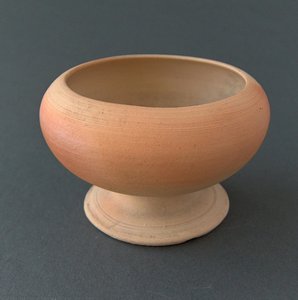
Cremerul lui George Edgar Ohr reprezintă mai mult decât un obiect cotidian; este o declarație îndrăzneață despre libertatea artistică și o explorare fascinantă a esteticii abstracte expresioniste. Această lucrare impresionistă, realizată în jurul anului 1908, surprinde perfect spiritul unei perioade marcate de schimbări culturale și artistice semnificative în America de Nord. Ohr nu urmărea să reprezinte obiectul în mod realist, ci să îl transforme într-o formă simplificată, aproape meditativă, prin intermediul unei tehnici inovatoare și a unei culori intense.Tehnica și Materialele: O Abordare Singulară
Ohr era cunoscut pentru abordarea sa radical diferită în producția ceramică. În loc să utilizeze metode industriale standardizate, el prefera tehnica „hand-built”, adică construirea obiectelor manual, folosind doar mâinile și instrumente simple. Acest proces meticulos permitea obținerea unor texturi complexe și variații subtile în culoare, rezultate ale unei aplicări atent controlate a glazurilor și a argilelor. În cazul cremerului prezentat aici, Ohr a folosit o glazură multicoloră, aplicată în mod repetat pe suprafața ceramicii pentru a crea un efect impresionist caracteristic stilului său. Textura aparent brută și neuniformă este rezultatul unei tehnici deliberate care pune accent pe imperfecțiuni și spontaneitate – elemente considerate importante de Ohr pentru exprimarea emoțiilor și ideilor artistice.Istorie și Context Artistic
Cremerul lui Ohr apare într-o perioadă în care arta americană începea să abandoneze reprezentările tradiționale și să adopte noi abordări estetice. După războiul franco-prusian din 1870-1871, există o puternică influență a impresionismului și expresionismului în Europa, iar aceste tendințe se reflectă și în creațiile unor artiști precum Ohr. Artistul era fascinat de ideea de a surprinde emoții și senzații autentice prin intermediul artei, mai ales prin mijloace non-figurative. În acest sens, cremerul lui Ohr poate fi văzut ca o reacție împotriva esteticii academice dominante din acea vreme și ca un simbol al unei noi libertăți creative.Simbolism și Impact Emotional
În ciuda aparenței sale aparent simpliste, cremerul lui Ohr este încărcat de semnificații simbolice profunde. Forma bulbuloasă și culoarea intensă evocă sentimente de căldură și confort, dar și de nostalgie pentru trecut și pentru tradițiile culturale europene. Glazura multicoloră creează un efect vizual puternic care stimulează imaginația și invita privitorul să își îndrepte atenția spre interioritate și contemplare. Cremerul lui Ohr nu este doar un obiect decorativ, ci și o expresie artistică autentică care transmite emoții complexe și idei filozofice despre natura umană și relația dintre om și lume. Este o lucrare care rămâne impresionată de frumusețe și originalitate până în prezent.Întrebări și răspunsuri
Din ce perioadă a carierei lui George Edgar Ohr (Mad Potterul din Biloxi) face parte „Cremaură”?
"Cremaură" reprezintă perioada Mature Period a lui George Edgar Ohr (Mad Potterul din Biloxi).
Unde este recomandată expunerea formatului Orientare verticală pentru „Cremaură”?
Formatul (Orientare verticală) și spațiul recomandat (Living Room) sunt cele două detalii de amplasare înregistrate pentru "Cremaură" de George Edgar Ohr (Mad Potterul din Biloxi).
Există o fișă informativă despre "Cremaură" de George Edgar Ohr (Mad Potterul din Biloxi) pentru studenți?
Pagina Ghid pentru "Cremaură" de George Edgar Ohr (Mad Potterul din Biloxi) oferă o fișă informativă imprimabilă în două pagini: opera de artă însoțită de tabelul său de identificare, o bandă decenală care o plasează în intervalul de viață al artistului, alte lucrări ale acestuia, paleta de culori măsurată și citări gata de copiat în patru stiluri diferite.
Biografie artist
The Singular Vision of George Edgar Ohr: The Mad Potter of Biloxi
George Edgar Ohr, a name that echoes through the annals of American ceramics, is synonymous with audacious innovation and delightfully eccentric artistry. Born on July 12, 1857, in the vibrant coastal city of Biloxi, Mississippi, he wasn’t merely a potter; he was an explorer, a rebel against convention, and ultimately, a visionary who redefined the possibilities of clay. His story is one of relentless experimentation, unwavering artistic freedom, and a surprising journey to posthumous recognition as a pioneer of abstract expressionism decades before the movement fully blossomed.
Early Influences and a Restless Youth
Ohr’s early life was marked by a restless spirit and a series of diverse experiences. After a youth spent navigating various trades in New Orleans, he found himself apprenticed to Joseph Fortune Meyer, a potter connected to the burgeoning Arts & Crafts movement. This initial training provided him with a foundational understanding of traditional techniques – throwing on the wheel, shaping clay, and applying glazes. However, it was his subsequent travels across sixteen states—a veritable pilgrimage through American pottery workshops—that truly ignited his creative fire. He absorbed diverse methods, styles, and approaches, but he wasn’t content to simply imitate; he sought to transcend established norms, to forge a distinctly personal voice within the craft.
A Revolution in Clay: Technique and Innovation
What set Ohr apart from his contemporaries was an almost radical departure from conventional ceramic practices. While many potters focused on producing functional, symmetrical pieces—jugs, bowls, and vases designed for everyday use—Ohr embraced asymmetry, distortion, and a deliberate rejection of perfect symmetry. He wasn’t interested in creating aesthetically pleasing objects; he was driven by a desire to explore the very nature of form, texture, and color. His techniques were revolutionary: he twisted, crumpled, folded, and stretched the clay while it was still wet, pushing its boundaries to create vessels that seemed to defy gravity and challenge expectations. His glazes were equally experimental—often vibrant, unpredictable, and resembling molten metal or iridescent jewels – a far cry from the muted tones of traditional ceramics. He wasn’t interested in simply decorating pottery; he was sculpting with color and light. Ohr achieved an astonishing delicacy by thinning his walls to almost impossible levels, creating pieces that were both visually stunning and structurally audacious. This daring approach, combined with his unique glazes, foreshadowed the abstract expressionist movement decades before it fully emerged, demonstrating a willingness to prioritize form and emotion over representational accuracy.
Years of Isolation and Rediscovery
Despite his innovative spirit and growing reputation within certain circles, Ohr struggled for widespread recognition during his lifetime. The public wasn’t always receptive to his radical designs, and he often found himself at odds with prevailing tastes. Frustrated by the lack of appreciation and unwilling to compromise his artistic integrity, he ceased production around 1910, meticulously packing away thousands of pieces in his studio – a testament to his belief that future generations would be more attuned to his vision. Sadly, George Edgar Ohr passed away on April 7, 1918, during the influenza pandemic, largely unknown outside of Biloxi. It wasn’t until the late 1960s and early 1970s that his genius was finally recognized. James Carpenter, an antiques dealer, discovered the hidden trove of pottery – a veritable time capsule of artistic experimentation – and began to champion Ohr's work, introducing it to a wider audience. The rediscovery sparked a renewed interest in American ceramics and cemented Ohr’s place as a visionary artist.
Legacy and Enduring Influence
Today, George Edgar Ohr is celebrated as one of the most important figures in American ceramic history. His pioneering spirit continues to inspire artists around the world. His work can be found in major museums, including the Smithsonian Institution and the Metropolitan Museum of Art, and a dedicated museum – the Ohr–O'Keefe Museum of Art in Biloxi – stands as a testament to his enduring legacy. Ohr’s influence extends beyond ceramics; his willingness to challenge conventions resonates with artists across disciplines. He demonstrated that true artistic expression requires courage, independence, and an unwavering commitment to one’s vision. The “Mad Potter of Biloxi” may have been ahead of his time, but his work continues to speak volumes about the power of innovation, the beauty of imperfection, and the enduring allure of a truly singular artistic voice.

George Edgar Ohr (Mad Potterul din Biloxi)
1857 - 1918 , Statele Unite ale Americii
Informații rapide
- Artistic Movement Or Style: Abstract Expressionism
- Artists Or Movements Influenced By This Artist: ['Ceramica Americană']
- Artists Who Influenced This Artist: ['Joseph Meyer']
- Date Of Birth: 12 iulie 1857
- Date Of Death: 7 aprilie 1918
- Full Name: George Edgar Ohr
- Nationality: American
- Notable Artworks:
- Ceainic
- Vas
- Vazut
- Place Of Birth: Biloxi, SUA
Articole conexe
The Art of Ceramics: A Guide to Mastery, Texture, and Timeless Form for the Discerning Collector
Explore the profound elegance of ceramic art. From master glazes to sculptural forms, our expert guide offers discerning collectors deep insights into the mastery, texture, and timeless value of fine ceramics for sophisticated collections and luxury interiors.

Georges Braque: Cele Mai Iconice 25 De Opere – Artă Modernă pentru Decorul Tău
Descoperă cele mai importante 25 de opere ale lui Georges Braque, pionier al cubismului! Explorează istoria, tehnicile și semnificația fiecărei picturi. Reproduceri artă de calitate muzeală pentru decorul tău pe OriginalUniqueArt.com.

Top 10 Capodopere ale Expresionismului Abstract: Artă, Artiști și Decorațiuni de Lux | OriginalUniqueArt.ro
Descoperă Top 10 capodopere ale Expresionismului Abstract! Explorează poveștile lui Pollock, Rothko și De Kooning. Reproduceri de artă de lux & inspirație decor pe OriginalUniqueArt.ro. Găsește pictura perfectă pentru spațiul tău!

The Alchemy of Clay: A Collector's Guide to the Mastery, Texture, and Timeless Form of Ceramic Art
Discover the profound beauty of ceramic art. Our expert guide explores the alchemy of clay, texture, and glaze, offering collectors deep insights into mastering earth and fire to create timeless, sculptural masterpieces for any curated collection.

Georges Seurat: Cele Mai Remarcabile 25 de Opere – Artă, Decorațiuni și Inspirație
Descoperă cele mai frumoase 25 de picturi ale lui Georges Seurat! Explorează arta Pointillismului, culorile vibrante și stilul unic al acestui maestru impresionist. Reproduceri de calitate superioară pentru decor interior rafinat pe OriginalUniqueArt.com.