Trimite prin felicitare
 Distribuie
 Detalii despre lucrare
 Ghid
Ghid

 Descarcă imaginea
 Produse similare
 Galerie foto
 Q&A
Q&A Statistici
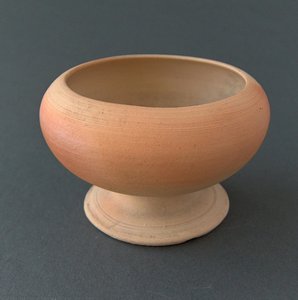
Bowl


 Vezi mai mult
Giclée / Imprimare artistică
Printuri giclée sau pe canvas de calitate muzeală, cu proces de producție rapid și opțiuni flexibile de finisare. ( Comandă pictură realizată manual Comută pe Imagine Digitală)




































Alegeți dintre dimensiunile noastre prestabilite, care respectă proporțiile originale ale operei de artă.

Introduceți lățimea și înălțimea necesare pentru a se potrivi ramei sau peretelui dumneavoastră. O printare poate fi doar tăiată, niciodată extinsă dincolo de dimensiunea imaginii originale, astfel încât o dimensiune cu o formă diferită va pierde o parte din imagine. Vă trimitem o simulare digitală pentru aprobare înainte de a imprima orice. Imaginea afișată pe această pagină nu prezintă tăierea reală — doar simularea arată acest lucru.
Livrare în întreaga lume () în 2 săptămâni, în loc de cele 4/5 săptămâni standard. (31 Octombrie)

Livrare expres gratuită la nivel mondial

Pânză de in de înaltă calitate

Asigurare completă pentru transport

Garanție de rambursare a taxelor vamale

Garanția fidelității culorilor

Politica de retur în 100 de zile (doar pentru defecte de fabricație)

Garanție de rambursare 100%

Ofertă pentru comenzi multiple
 Opțiunea cu sticlă este disponibilă doar pentru dimensiuni de sub 110 cm

Bowl
Giclée / Imprimare artistică
Dimensiune reproducere
-


Preț total calculat
lei 375
The Soul of the Clay: Embracing Imperfection
In the quiet, salt-misted atmosphere of Biloxi, Mississippi, a revolution was quietly being molded by hands that refused to follow the rules. George Edgar Ohr, famously known as the "Mad Potter of Biloxi," did not merely create vessels; he breathed life into the very earth itself. His Bowl stands as a profound testament to this radical philosophy, where the beauty of the piece is found not in the precision of its rim or the smoothness of its surface, but in the raw, tactile energy of its creation. To look upon this work is to witness a deliberate departure from the polished, predictable ceramics of the late 19th century, offering instead a window into a world where texture and form dance in an unpredictable, organic embrace.
The piece serves as a captivating bridge between the traditional folk art of the American South and the burgeoning whispers of modern abstraction. For the discerning collector or interior designer, this bowl offers more than just a decorative element; it provides a focal point of profound character. Its earthy brown tones, punctuated by unexpected accents, evoke the rugged landscapes of the Gulf Coast, reminding us that true artistry often lies in the ability to find elegance within the irregular and the weathered. It is an object that demands attention not through flashiness, but through its deep, resonant presence.
A Masterclass in Texture and Technique
The allure of Ohr’s work lies heavily in his revolutionary use of slip-trailing and incising. Unlike his contemporaries who sought to erase the marks of the maker, Ohr celebrated them. By pouring thin layers of liquid clay onto the vessel's surface, he built up a topographical landscape of ridges and valleys that invite the touch as much as the eye. This technique creates a rhythmic, almost musical quality to the surface, where light and shadow play across the raised motifs, changing the bowl's appearance with every shift in the room's illumination.
This mastery of materiality transforms a simple ceramic object into a sculptural experience. The bowl’s organic, slightly asymmetrical form exhibits irregular curves and ridges that suggest a hand-thrown technique, far removed from the sterile perfection of industrial production. The color palette, consisting primarily of muted greens and browns, creates a naturalistic feel that grounds the piece in the physical world, while the deliberate use of texture ensures that it remains a dynamic subject for any curated space.
The Legacy of a Singular Vision
To understand this bowl is to understand the spirit of George Edgar Ohr himself. Born into a landscape rich with clay deposits and artisan traditions, Ohr used his medium to embark on a radical exploration of form and materiality—a quest to liberate ceramics from convention. His work foreshadowed the Abstract Expressionist movement, embracing imperfection as an inherent element of artistic expression. He rejected the symmetrical and the polished, favoring instead the visceral and the spontaneous.
For those seeking to bring a piece of American art history into their homes, a reproduction of this bowl offers an opportunity to possess a fragment of that rebellious spirit. It is an ideal acquisition for those who appreciate the Arts and Crafts movement's emphasis on craftsmanship and the modern desire for organic, soulful decor. Whether placed as a centerpiece on a minimalist pedestal or integrated into a rich, textured collection, this work continues to inspire awe through its unwavering dedication to artistic freedom.
Întrebări și răspunsuri
Unde pot găsi un ghid pentru "Bowl"?
Pagina Fișă informativă pentru "Bowl" de George Edgar Ohr (Mad Potterul din Biloxi) oferă o fișă informativă imprimabilă în două pagini: opera de artă însoțită de tabelul său de identificare, o bandă decenală care o plasează în intervalul de viață al artistului, alte lucrări ale acestuia, paleta de culori extrasă din imagine și citări gata de copiat în patru stiluri diferite.
Unde pot achiziționa o printă a lucrării "Bowl" de George Edgar Ohr (Mad Potterul din Biloxi)?
„Bowl” este disponibil sub formă de o printă fine art pe canvas din bumbac sau pe hârtie canvas arhivistică. Comenzile pot fi plasate pe pagina sa de Print Fine Art, în dimensiunea dorită de dumneavoastră.
Care este nuanța dominantă în "Bowl"?
"Bowl" tinde spre o nuanță de Ochre to Sepia.
Biografie artist
The Singular Vision of George Edgar Ohr: The Mad Potter of Biloxi
George Edgar Ohr, a name that echoes through the annals of American ceramics, is synonymous with audacious innovation and delightfully eccentric artistry. Born on July 12, 1857, in the vibrant coastal city of Biloxi, Mississippi, he wasn’t merely a potter; he was an explorer, a rebel against convention, and ultimately, a visionary who redefined the possibilities of clay. His story is one of relentless experimentation, unwavering artistic freedom, and a surprising journey to posthumous recognition as a pioneer of abstract expressionism decades before the movement fully blossomed.
Early Influences and a Restless Youth
Ohr’s early life was marked by a restless spirit and a series of diverse experiences. After a youth spent navigating various trades in New Orleans, he found himself apprenticed to Joseph Fortune Meyer, a potter connected to the burgeoning Arts & Crafts movement. This initial training provided him with a foundational understanding of traditional techniques – throwing on the wheel, shaping clay, and applying glazes. However, it was his subsequent travels across sixteen states—a veritable pilgrimage through American pottery workshops—that truly ignited his creative fire. He absorbed diverse methods, styles, and approaches, but he wasn’t content to simply imitate; he sought to transcend established norms, to forge a distinctly personal voice within the craft.
A Revolution in Clay: Technique and Innovation
What set Ohr apart from his contemporaries was an almost radical departure from conventional ceramic practices. While many potters focused on producing functional, symmetrical pieces—jugs, bowls, and vases designed for everyday use—Ohr embraced asymmetry, distortion, and a deliberate rejection of perfect symmetry. He wasn’t interested in creating aesthetically pleasing objects; he was driven by a desire to explore the very nature of form, texture, and color. His techniques were revolutionary: he twisted, crumpled, folded, and stretched the clay while it was still wet, pushing its boundaries to create vessels that seemed to defy gravity and challenge expectations. His glazes were equally experimental—often vibrant, unpredictable, and resembling molten metal or iridescent jewels – a far cry from the muted tones of traditional ceramics. He wasn’t interested in simply decorating pottery; he was sculpting with color and light. Ohr achieved an astonishing delicacy by thinning his walls to almost impossible levels, creating pieces that were both visually stunning and structurally audacious. This daring approach, combined with his unique glazes, foreshadowed the abstract expressionist movement decades before it fully emerged, demonstrating a willingness to prioritize form and emotion over representational accuracy.
Years of Isolation and Rediscovery
Despite his innovative spirit and growing reputation within certain circles, Ohr struggled for widespread recognition during his lifetime. The public wasn’t always receptive to his radical designs, and he often found himself at odds with prevailing tastes. Frustrated by the lack of appreciation and unwilling to compromise his artistic integrity, he ceased production around 1910, meticulously packing away thousands of pieces in his studio – a testament to his belief that future generations would be more attuned to his vision. Sadly, George Edgar Ohr passed away on April 7, 1918, during the influenza pandemic, largely unknown outside of Biloxi. It wasn’t until the late 1960s and early 1970s that his genius was finally recognized. James Carpenter, an antiques dealer, discovered the hidden trove of pottery – a veritable time capsule of artistic experimentation – and began to champion Ohr's work, introducing it to a wider audience. The rediscovery sparked a renewed interest in American ceramics and cemented Ohr’s place as a visionary artist.
Legacy and Enduring Influence
Today, George Edgar Ohr is celebrated as one of the most important figures in American ceramic history. His pioneering spirit continues to inspire artists around the world. His work can be found in major museums, including the Smithsonian Institution and the Metropolitan Museum of Art, and a dedicated museum – the Ohr–O'Keefe Museum of Art in Biloxi – stands as a testament to his enduring legacy. Ohr’s influence extends beyond ceramics; his willingness to challenge conventions resonates with artists across disciplines. He demonstrated that true artistic expression requires courage, independence, and an unwavering commitment to one’s vision. The “Mad Potter of Biloxi” may have been ahead of his time, but his work continues to speak volumes about the power of innovation, the beauty of imperfection, and the enduring allure of a truly singular artistic voice.

George Edgar Ohr (Mad Potterul din Biloxi)
1857 - 1918 , Statele Unite ale Americii
Detalii rapide
- Artistic Movement Or Style: Abstract Expressionism
- Artists Or Movements Influenced By This Artist: ['Ceramica Americană']
- Artists Who Influenced This Artist: ['Joseph Meyer']
- Date Of Birth: 12 iulie 1857
- Date Of Death: 7 aprilie 1918
- Full Name: George Edgar Ohr
- Nationality: American
- Notable Artworks:
- Ceainic
- Vas
- Vazut
- Place Of Birth: Biloxi, SUA
Articole similare

The Art of Ceramics: A Guide to Mastery, Texture, and Timeless Form for the Discerning Collector
Explore the profound elegance of ceramic art. From master glazes to sculptural forms, our expert guide offers discerning collectors deep insights into the mastery, texture, and timeless value of fine ceramics for sophisticated collections and luxury interiors.

The Alchemy of Clay: A Collector's Guide to the Mastery, Texture, and Timeless Form of Ceramic Art
Discover the profound beauty of ceramic art. Our expert guide explores the alchemy of clay, texture, and glaze, offering collectors deep insights into mastering earth and fire to create timeless, sculptural masterpieces for any curated collection.

Georges Braque: Cele Mai Iconice 25 De Opere – Artă Modernă pentru Decorul Tău
Descoperă cele mai importante 25 de opere ale lui Georges Braque, pionier al cubismului! Explorează istoria, tehnicile și semnificația fiecărei picturi. Reproduceri artă de calitate muzeală pentru decorul tău pe OriginalUniqueArt.com.
George Stubbs: Anatomical Precision & Romantic Vision in 18th-Century British Art
Explore the captivating world of George Stubbs, the 18th-century master renowned for his anatomical precision & Romantic animal paintings. Discover his legacy and investment potential.

Georges Seurat: Cele Mai Remarcabile 25 de Opere – Artă, Decorațiuni și Inspirație
Descoperă cele mai frumoase 25 de picturi ale lui Georges Seurat! Explorează arta Pointillismului, culorile vibrante și stilul unic al acestui maestru impresionist. Reproduceri de calitate superioară pentru decor interior rafinat pe OriginalUniqueArt.com.