

 Vezi în context
 Trimite
 Distribuie
 Detalii
 Ghidul

 Descarcă
 Produse similare
 Radiografie
 Diaporama
 Statistici
Sha-kó-ka, Mint, a Pretty Girl
 Oil On Canvas
- WallArt
- Romantic Painting
 1832
1832- 19th Century
 73.0 x 60.0 cm
 Muzeul de Artă Americană Smithsonian
 Citește mai mult
Giclée / Imprimare artistică
Printuri giclée sau pe canvas de calitate muzeală, cu proces de producție rapid și opțiuni flexibile de finisare. ( Comandă pictură realizată manual Treci la imagine digitală)




P118B $10

P118H $10

P118W $10

P438Z $10

P508JH $12

P508YH $12

P805H $10

P805Z $10

P919BZ $10

P919G $10

P919XJ $10

P959ZH $10

P968JZ $12

W106C $8

W218G $10

W218JH $8

W218Y $10

W307PJ $10

W316G $10

W316PJ $8

W316Y $10

W398PJ $8

W4111J $10

W500HY $15

W500JH $15

W692G $12

W849H $8

W940BG $15

W953PJ $8




Alegeți dintre dimensiunile noastre prestabilite, care respectă proporțiile originale ale operei de artă.

Puteți introduce propriile dimensiuni pentru a se potrivi unui anumit cadru sau spațiu. Dacă dimensiunea selectată nu corespunde proporțiilor imaginii originale, vom decupa lucrarea de artă sau vom extinde imaginea cu margini oglindite sau cu o culoare uniformă. Un mockup digital va fi trimis pentru aprobarea dumneavoastră înainte de începerea producției.
Vă rugăm să rețineți că previzualizarea de pe ecran nu reflectă decuparea sau extinderea reală. Doar mockup-ul va arăta cu exactitate compoziția finală.
Deși dimensiunile personalizate sunt disponibile, vă recomandăm să selectați o dimensiune din lista predefinită pentru a păstra proporțiile originale.
Livrare în întreaga lume () în 2 săptămâni, în loc de cele 4/5 săptămâni standard. (27 Septembrie)

Livrare expres gratuită la nivel mondial

Pânză de in premium

Asigurare completă pentru transport

Garanție de rambursare a taxelor vamale

Garanția fidelității culorilor

Politica de retur în 100 de zile (doar pentru defecte)

Garanție de rambursare 100%

Reducere pentru comenzi multiple
 Opțiunea cu sticlă este disponibilă doar pentru dimensiuni de sub 110 cm

Sha-kó-ka, Mint, a Pretty Girl
Giclée / Imprimare artistică
Dimensiune reproducere
-


Preț total
$ 80
A Gaze Across Time: The Soul of the Mandan
In the quiet intimacy of George Catlin’s 1832 masterpiece, "Sha-kó-ka, Mint, a Pretty Girl," the viewer is not merely observing a portrait but is being summoned into a profound encounter with a vanishing world. The painting captures a young Mandan woman, identified by Catlin as being only twelve years of age, whose presence commands the canvas with an unexpected gravity. Her gaze, direct and unblinking, establishes an immediate, almost confrontational connection that bridges the centuries between her mid-nineteenth-century reality and our contemporary moment. There is a striking duality in her expression; while her youth is evident, there is a settled dignity and a resilient spirit that suggests a depth of character far beyond her years, offering a window into the strength of the Mandan people during a period of immense cultural transition.
The artistry of Catlin lies in his ability to blend Romantic idealism with a meticulous, almost ethnographic precision. Through his masterful use of oil on canvas, he renders the textures of her attire with such tactile clarity that one can almost feel the weight and warmth of the elaborate fur garments. These elements are not merely decorative; they serve as vital symbols of wealth, status, and the sophisticated craftsmanship inherent in Mandan society. The subtle interplay of light across the different furs and the delicate red streak in her hair creates a visual richness that elevates the subject from a simple portrait to a legendary figure, imbuing the work with a sense of mythic importance.
The Artist’s Mission: Preserving a Vanishing Legacy
To understand this painting is to understand the frantic, beautiful urgency that drove George Catlin. Driven by the haunting tales of his childhood and a deep-seated fear that the vibrant traditions of the American frontier were destined to fade under the tide of Western expansion, Catlin embarked on a monumental mission. His "Indian Gallery" was more than an artistic endeavor; it was a visual act of preservation. In "Sha-kó-ka, Mint," we see the culmination of this dedication. He utilized theatrical lighting and carefully composed studio settings to recreate scenes of Indigenous life, ensuring that the splendor of the O-kee-pa ceremony and the intricate details of tribal regalia would be etched into the historical record forever.
For the discerning collector or interior designer, this artwork offers much more than aesthetic beauty. It provides a narrative anchor for a space, bringing with it a sense of history, cultural reverence, and emotional depth. The painting’s ability to evoke both the ruggedness of the American West and the delicate grace of its people makes it a versatile and powerful piece for any curated collection. Whether placed in a room designed for quiet contemplation or as a bold statement in a sophisticated gallery setting, this reproduction serves as a continuous dialogue between the past and the present, inviting all who look upon it to honor the enduring spirit of a culture that refused to be forgotten.
Biografie artist
Early Life and the Call of the Frontier
George Catlin, born in Wilkes-Barre, Pennsylvania, in 1796, was destined for a life profoundly shaped by the frontier—a world both alluring and perilous, vividly etched into his memory through the tales spun by his mother, Polly Sutton. Her own harrowing experience as a captive during an Indian raid ignited within young Catlin a deep fascination with the West, a land perceived not merely as distant but as imbued with a unique dignity and romance. Initially trained in law, he found himself drawn to a different path—a yearning to capture the essence of a vanishing way of life before it was irrevocably altered by westward expansion. This wasn’t simply an artistic pursuit; it stemmed from a profound sense of urgency, a premonition that these vibrant cultures were on the brink of disappearing. His early work, primarily engravings depicting scenes along the Erie Canal, demonstrated a remarkable technical skill and attention to detail—qualities he would later hone into his ambitious project: documenting the lives of Native American tribes. These initial endeavors served as a crucial foundation, sharpening his observational abilities and solidifying his commitment to visual storytelling, laying the groundwork for his future explorations.Documenting a Vanishing World: The Indian Gallery
Catlin’s most enduring legacy is undoubtedly “The Indian Gallery,” an extraordinary collection of over 500 paintings meticulously crafted between the 1830s and 1836 during five extensive expeditions into the American West. He ventured up the Missouri River, penetrating territories inhabited by tribes such as the Mandan, Sioux, Blackfeet, and Choctaw—immersing himself within their communities, participating in ceremonies, witnessing daily life, and forging genuine relationships with tribal leaders. It’s crucial to understand that Catlin wasn't merely an observer; he actively sought to understand and represent these cultures authentically. His paintings are not simply portraits but vibrant narratives of Native American life, capturing the dynamism of their customs, the solemnity of their rituals, and the profound connection between people and the land. Works like Sham Fight, Mandan Boys (1832-1833) offer a glimpse into the playful yet competitive spirit of young warriors, while Medicine Buffalo of the Sioux (1839) powerfully conveys the dignity and authority of a prominent tribal leader. The meticulous detail in these paintings—from the intricate beadwork on clothing to the carefully rendered landscapes—reflects Catlin’s dedication to accuracy and his desire to present Native Americans not as savage stereotypes, but as individuals with rich cultural traditions and complex social structures.A Journey Westward: Challenges and Artistic Evolution
Catlin's expeditions were far from easy. He faced immense logistical challenges – navigating treacherous rivers, enduring harsh weather conditions, and often relying on the hospitality of tribes wary of outsiders. Furthermore, he encountered significant resistance to his work—many Native Americans viewed his presence with suspicion, while government officials largely dismissed his efforts as frivolous or even exploitative. Despite these obstacles, Catlin persevered, driven by a deep conviction that documenting these cultures was an urgent necessity. His artistic style evolved throughout his journey, moving from the more formal engravings of his early career to a looser, more expressive approach that captured the immediacy and dynamism of Native American life. He experimented with color palettes, brushstrokes, and composition, striving to create paintings that were both visually compelling and emotionally resonant. The influence of Hudson River School painters is evident in his landscapes, while his portraits often incorporate elements of realism and psychological insight.Recognition and Legacy
Catlin’s work initially garnered limited recognition in the United States, but it gained considerable acclaim abroad, particularly in Europe during the 1840s and 50s. Exhibitions in London, Paris, and Berlin captivated audiences with their vivid depictions of Native American life—a world largely unknown to Europeans. These international successes not only provided Catlin with much-needed financial support but also helped to raise awareness of the plight of Native Americans and challenge prevailing prejudices. He published several influential books, including *Letters and Notes on the Manners, Customs, and Conditions of North American Indians* (1841) and *Last Rambles Amongst the Indians of the Rocky Mountains and the Andes* (1868), which further solidified his reputation as a leading authority on Native American culture. Despite facing financial difficulties throughout his life, Catlin remained steadfast in his commitment to documenting these vanishing cultures until his death in 1872. Today, George Catlin is remembered not only for his artistic achievements but also for his pioneering role in advocating for the preservation of Native American heritage and challenging the dominant narratives of American history. His paintings serve as a poignant reminder of a time when indigenous cultures were on the brink of extinction—a legacy that continues to inspire artists and scholars alike.Key Works
- Sham Fight, Mandan Boys (1832-1833): A lively depiction of a playful mock battle among young Mandan warriors.
- Mrs. George Catlin (Clara Bartlett Gregory) (1850): A portrait showcasing the artist’s wife, offering insight into his personal life.
- Pipestone Quarry, Coteau Des Prairies (1848): Illustrates a sacred site for many tribes and their spiritual connection to the land.
- Medicine Buffalo of the Sioux (1839): A striking portrait capturing the dignity and power of a prominent Sioux leader.
- Prairie Meadows Burning (1832): Depicts a dramatic scene of controlled burning, highlighting the relationship between Native Americans and their environment.
- Little Wolf, A Famos Warrior (1844): A powerful portrait of a Native American warrior, symbolizing strength and resilience.

George Catlin
1796 - 1872 , Statele Unite ale Americii
Informații rapide
- Artistic Movement Or Style: Frontier painting
- Artists Or Movements Influenced By This Artist: ['Hudson River']
- Artists Who Influenced This Artist:
- Peale
- Sully
- Date Of Birth: 1796
- Date Of Death: 1872
- Full Name: George Catlin
- Nationality: American
- Notable Artworks:
- Sham Fight
- Prairie
- Pipestone
- Medicine
- Eagle Dance
- Place Of Birth: Wilkes-Barre, USA
Articole conexe
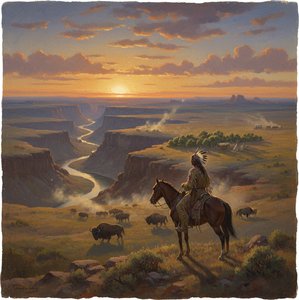
Henry Farny: Romantic Visions of the American West & Indigenous Life
Explore the evocative paintings of Henry Farny, renowned for his romantic realism & depictions of Native American life in the 19th-century West. Discover his legacy and key artworks at OriginalUniqueArt.
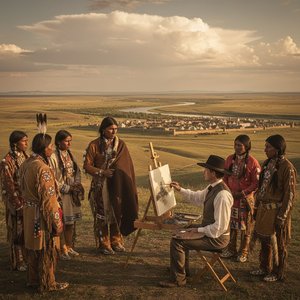
George Catlin: Witnessing & Representing Indigenous Life on the American Frontier
Explore the captivating art of George Catlin, renowned for his vivid portraits & landscapes documenting Native American life on the frontier. Discover a vanishing world through stunning paintings and historical context.

Charles Bird King: Capturing Native American Dignity Through Portraiture & Cultural Exchange
Explore the captivating portraits of Charles Bird King, renowned for his depictions of Native American leaders. Discover the historical context, artistic techniques, and collecting value of these significant 19th-century artworks.
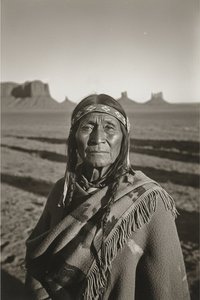
Shadow Catcher: Edward S. Curtis & the Ethnographic Portraiture of a Vanishing West
Explore the life & work of Edward S. Curtis, the 'Shadow Catcher,' and his groundbreaking photographic documentation of Native American cultures. Discover iconic images from *The North American Indian* and a critical look at his lasting legacy.

Grant Wood & American Regionalism: Identity, Myth & the Rural Landscape
Explore the world of Grant Wood & American Regionalism with OriginalUniqueArt. Discover the symbolism behind 'American Gothic', recurring themes, and the movement's lasting impact on art history. High-quality reproductions available.

