Meniu
CONSULTAȚIE GRATUITĂ DE ARTĂ
Vezi în contextVezi în context Previzualizare ARPrevizualizare AR Comandă versiunea tipărită Comandă versiunea tipărităComută la imagine Comută la imagine Trimite prin felicitareTrimite prin felicitare
DetaliiDetalii Adaugă la favorite Adaugă la favorite Descarcă imagineaDescarcă imaginea Produse similareProduse similare RadiografieRadiografie Galerie fotoGalerie foto

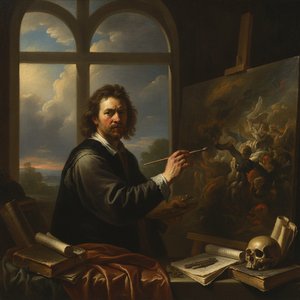
The Prodigal Son

Explore Gabriel Metsu’s "The Prodigal Son" (1640). A lavish Baroque oil painting depicting decadence & moral decline, showcasing rich detail & dramatic chiaroscuro. Discover Dutch Golden Age art.

Descoperiți măiestria lui Gabriel Metsu (1629-1667), pictor olandez emblematic al perioadei aurului dutch, cunoscut pentru scenele sale domestice și naturiste cu simbolism puternic și influențe ale maeștri lor Rembrandt și Vermeer.

Reproducere manuală în ulei

Pictură în ulei pe pânză, pictată manual, la dimensiunea și ramele dorite de dumneavoastră, realizată la comandă de artiștii noștri. (Comandă versiunea tipărită Comandă versiunea tipărităComută la imagine Comută la imagine)

Standard
custom
CM
INCH

Alegeți dintre dimensiunile noastre prestabilite, care respectă proporțiile originale ale operei de artă.

lățime
înălțime

Puteți introduce propriile dimensiuni pentru a se potrivi unui anumit cadru sau spațiu. Dacă dimensiunea selectată nu corespunde proporțiilor imaginii originale, vom decupa opera de artă sau vom extinde pictura cu elemente suplimentare pictate manual. O simulare digitală vă va fi trimisă pentru aprobare înainte de începerea producției.
Vă rugăm să rețineți că previzualizarea de pe ecran nu reflectă decuparea sau extinderea reală. Doar macheta va arăta cu exactitate compoziția finală.
Deși sunt disponibile dimensiuni personalizate, vă recomandăm să selectați o dimensiune din lista predefinită pentru a păstra proporțiile originale.

Exemple de elemente ce pot fi personalizate: Înlocuiți fața cu fotografia clientului; Adăugați un animal de companie (de exemplu, înlocuiți pisica cu un câine); Includeți un mesaj ascuns în fundal; Schimbați peisajul sau elementele din fundal.
După plasarea comenzii, echipa OriginalUniqueArt.com va contacta clientul prin e-mail pentru instrucțiuni și îi va furniza o previzualizare a machetei

Livrare în întreaga lume () în 3-4 săptămâni, în loc de cele 5 săptămâni standard. (2 August). Fără compromisuri în ceea ce privește calitatea.

why_choose_icon
Livrare expres gratuită la nivel mondial
why_choose_icon
Pânză de in premium
why_choose_icon
Asigurare completă pentru transport
why_choose_icon
Garanție de rambursare a taxelor vamale
why_choose_icon
Garanția fidelității culorilor
why_choose_icon
Politica de retur în 60 de zile (doar pentru defecte)
why_choose_icon
Garanție de rambursare 100%
why_choose_icon
Reducere pentru comenzi multiple

Preț total

$ 400

reproduction

The Prodigal Son

Tip de reproducere

Dimensiuni reproducere

-

Preț total

$ 400

Detalii rapide

  • Title: The Prodigal Son
  • Influences: Italian Baroque
  • Movement: Dutch Baroque
  • Subject or theme: Moral Narrative; Wealth & Virtue
  • Year: 1640
  • Artistic style: Baroque
  • Notable elements or techniques: Dramatic chiaroscuro; skillful brushwork

Descriere operă

A Portrait of Excess: Gabriel Metsu’s “The Prodigal Son”

The painting "The Prodigal Son," attributed to Gabriel Metsu (1629 – 1667), stands as a captivating emblem of the Dutch Golden Age, encapsulating not merely visual splendor but also profound psychological complexity. Executed in 1640, this Baroque masterpiece transcends mere representation; it delves into themes of repentance, familial reconciliation, and the seductive allure of worldly indulgence—a narrative rendered with breathtaking artistry and imbued with symbolic resonance.
  • Subject Matter & Narrative The scene depicts a poignant tableau: a wealthy father welcomes his estranged son home after years of wandering away from family ties. Metsu skillfully captures the emotional core of this biblical tale, portraying not just physical reunion but also an internal struggle between filial piety and the temptations of opulent comfort. The figures are positioned within a lavish bedroom—a deliberate choice that underscores the central conflict – the son’s desire for ease contrasts sharply with his father's unwavering devotion.
  • Style & Technique Metsu’s signature style is characterized by its meticulous attention to detail and masterful manipulation of chiaroscuro. The dramatic lighting, originating from an unseen source above and slightly to the left, sculpts the forms within the room, creating deep shadows that heighten the sense of intimacy and drama. Brushwork is remarkably smooth and blended, conveying a velvety texture particularly evident in the draped bed canopy and the woman’s gown—a testament to Metsu's dedication to achieving an illusionistic realism.
  • Color Palette & Composition The color palette leans heavily into warm earth tones – ochre, gold, and browns – reflecting the grandeur of aristocratic patronage. However, cooler blues and reds punctuate these hues, primarily in clothing and accessories, adding visual interest and subtly emphasizing emotional states. Metsu’s compositional choices are deliberate; he employs a flattened perspective to draw the viewer's gaze toward the central figures, creating a sense of immediacy and reinforcing the narrative’s dramatic tension.
  • Symbolism & Interpretation Beyond its depiction of biblical scripture, “The Prodigal Son” is rife with symbolic elements. The discarded garments symbolize the son’s former excesses and moral failings—a visual reminder of his journey toward redemption. Similarly, the woman's gesture – offering a bowl of fruit – represents hospitality and forgiveness, embodying the father’s unwavering compassion despite his son’s transgressions. Metsu subtly communicates that true wealth lies not in material possessions but in spiritual reconciliation.
  • Historical Context & Legacy Created during the zenith of Dutch artistic achievement, “The Prodigal Son” exemplifies the Baroque aesthetic's preoccupation with emotion and grandeur. It reflects the broader cultural anxieties surrounding moral virtue amidst burgeoning materialism—a theme that continues to resonate with audiences today. Metsu’s work stands as a cornerstone of Dutch Baroque painting, influencing subsequent generations of artists and cementing his reputation as one of the era’s most accomplished portraitists.
Considerations for Reproduction: High-quality reproductions capture the subtle nuances of Metsu's technique—the velvety textures, the masterful chiaroscuro—allowing collectors to appreciate the painting’s emotional depth and artistic brilliance. Framing choices should complement the artwork’s serene grandeur, enhancing its visual impact within a sophisticated interior setting.

Biografie artist

Gabriel Metsu – A Life of Artistic Exploration

Gabriel Metsu (1629–1667) stands as a singular figure within the Dutch Golden Age, an artist whose legacy continues to inspire admiration for his meticulous observation of daily life and masterful manipulation of light and color. Born in Leiden, Netherlands, Metsu’s artistic journey unfolded against the backdrop of a burgeoning cultural landscape shaped by humanist ideals and scientific advancements – a period that witnessed unparalleled creativity across disciplines. This biography delves into the intricacies of Metsu's life and oeuvre, exploring his formative influences, groundbreaking techniques, and enduring contribution to European art history.

Early Life and Influences

Gabriel Metsu’s origins were rooted in Leiden’s vibrant tapestry of artistic tradition. His father, Jacques Metsu (ca. 1588–1629), was a tapestry weaver and painter originally hailing from Hainault—a familial connection that instilled in Gabriel an early appreciation for diverse artistic mediums and techniques. Jacques's own artistic endeavors mirrored the broader trends of the era, prioritizing decorative artistry alongside narrative storytelling. Notably, Jacques Metsu’s untimely demise shortly before Gabriel’s birth profoundly impacted his upbringing, shaping him into a young man determined to forge his own path in the arts. The family’s relocation to Leiden exposed Gabriel to the intellectual ferment of the city—a hub for humanist scholarship and burgeoning scientific inquiry. This environment fostered an inquisitive spirit and nurtured his nascent talent for visual representation. Furthermore, Gabriel's mother, Jacquemijntje Garniers (ca. 1590–1651), possessed considerable artistic aptitude herself, serving as a midwife and demonstrating a keen understanding of the human form—a skill that would undoubtedly prove invaluable to Metsu’s future artistic endeavors.

Artistic Career: Rembrandt's Shadow and Emergence

Metsu’s artistic trajectory was characterized by an unwavering commitment to stylistic experimentation, earning him the moniker “a highly eclectic artist.” Rejecting rigid conventions, he embraced a multifaceted approach that spanned history paintings, still lifes, portraits, and genre scenes—reflecting the broader intellectual currents of his time. His formative years were undeniably influenced by Rembrandt van Rijn’s groundbreaking innovations in chiaroscuro—the dramatic interplay between light and dark—a technique that Metsu skillfully adopted to imbue his canvases with palpable emotion and psychological depth. A pivotal moment arrived when Metsu relocated to Amsterdam in 1655, marking a decisive shift toward a more refined artistic sensibility. Amidst the bustling cosmopolitan atmosphere of the city, he honed his craft under the tutelage of Pieter Pieterszoon Hulkens—a renowned portraitist who championed naturalism and psychological realism. This period witnessed Metsu’s stylistic evolution towards greater subtlety and nuance, mirroring the broader trends of Amsterdam’s artistic milieu.

Notable Works: Capturing Everyday Life

Metsu's oeuvre is distinguished by its remarkable sensitivity to the nuances of domestic life—a fascination that found expression in his celebrated genre paintings. Among his most iconic creations are *The Sick Child* (c. 1664), a poignant depiction of maternal tenderness rendered with exquisite detail and luminous color; *Portrait of the Hinlopen Family*, a masterpiece embodying Rembrandt’s influence while simultaneously showcasing Metsu's mastery of compositional balance and tonal gradation; and *Poultry Seller*, which exemplifies his masterful use of symbolism—a technique characteristic of the Dutch Golden Age. These paintings transcend mere representation, conveying profound emotional resonance through subtle gestures and evocative lighting—elements that underscore Metsu’s artistic genius. His meticulous observation of human behavior and his ability to capture fleeting moments of emotion cemented his reputation as one of the era's foremost artists.
  • The Sick Child:
  • A testament to Rembrandt’s influence, showcasing a masterful use of light and color to convey compassion and vulnerability.
  • Portrait of the Hinlopen Family:
  • Demonstrates Metsu’s exceptional skill in blending genre and portrait painting, capturing familial bonds with remarkable sensitivity.

Legacy: An Enduring Influence

Gabriel Metsu's artistic legacy extends far beyond his individual achievements—he served as a mentor to younger artists, fostering the development of Leiden’s artistic community and shaping the stylistic trajectory of subsequent generations. His unwavering dedication to craftsmanship and his profound understanding of human psychology continue to inspire admiration among art historians and collectors alike. As we contemplate Metsu's enduring contribution to European art history, we recognize him as a pivotal figure—a beacon of innovation and beauty amidst the turbulent currents of the seventeenth century.

For more information on Gabriel Metsu’s life and work, explore resources at The Leiden Collection.

Gabriel Metsu

Gabriel Metsu

1629 - 1667 , Țările Niederlandeze

Informații rapide

  • Artistic Movement Or Style: Dutch Golden Age painting
  • Artists Or Movements Influenced By This Artist:
    • Michiel van Musscher
    • Joost van Geel
  • Artists Who Influenced This Artist:
    • Rembrandt van Rijn
    • Johannes Vermeer
  • Date Of Birth: 1629
  • Date Of Death: 1667
  • Full Name: Gabriel Metsu
  • Nationality: Dutch
  • Notable Artworks:
    • The Sick Child
    • Poultry Seller
    • Portrait of the Hinlopen Family
  • Place Of Birth: Leiden, Netherlands
Explorați opere de artă organizate pe teme, stiluri și caracteristici.