
 Previzualizare
 Trimite
 Distribuie
 Detalii despre lucrare

 Descarcă
 Produse similare
 Radiografie
 Diapozitive automate
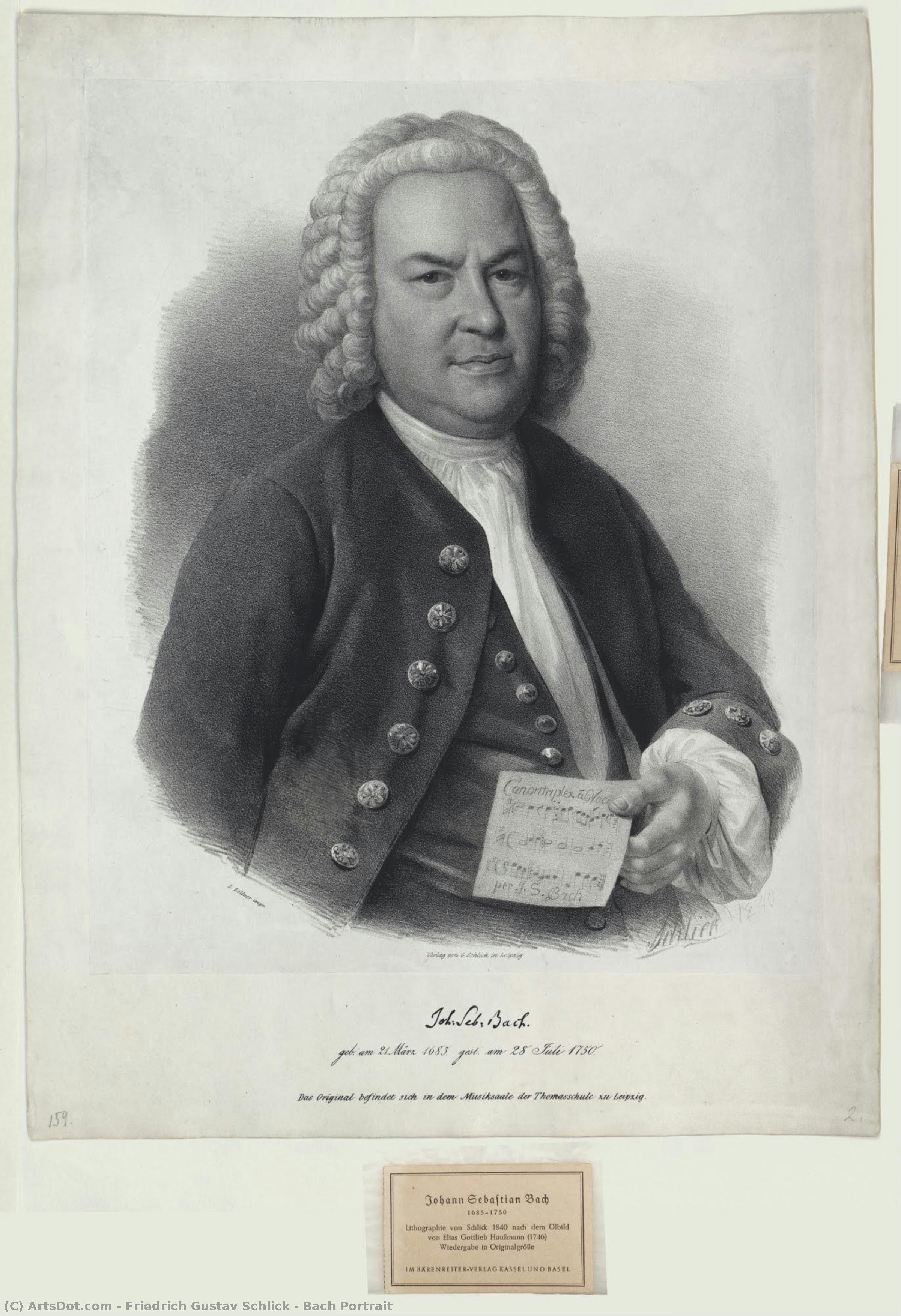
Bach Portrait


 Vezi mai mult
Giclée / Imprimare artistică
Printuri giclée sau pe canvas de calitate muzeală, cu proces de producție rapid și opțiuni flexibile de finisare. ( Comandă pictură lucrată manual Cumpără imaginea)




































Alegeți dintre dimensiunile noastre prestabilite, care respectă proporțiile originale ale operei de artă.

Puteți introduce propriile dimensiuni pentru a se potrivi unui anumit cadru sau spațiu. Dacă dimensiunea selectată nu corespunde proporțiilor imaginii originale, vom decupa lucrarea de artă sau vom extinde imaginea cu margini oglindite sau cu o culoare uniformă. Un mockup digital va fi trimis pentru aprobarea dumneavoastră înainte de începerea producției.
Vă rugăm să rețineți că previzualizarea de pe ecran nu reflectă decuparea sau extinderea reală. Doar mockup-ul va arăta cu exactitate compoziția finală.
Deși dimensiunile personalizate sunt disponibile, vă recomandăm să selectați o dimensiune din lista predefinită pentru a păstra proporțiile originale.
Livrare în întreaga lume () în 2 săptămâni, în loc de cele 4/5 săptămâni standard. (18 August)

Livrare expres gratuită la nivel mondial

Pânză de in de înaltă calitate

Asigurare completă pentru transport

Garanție de rambursare a taxelor vamale

Garanția fidelității culorilor

Politica de retur în 60 de zile (doar pentru defecte)

Garanție de rambursare 100%

Ofertă pentru comenzi multiple
 Opțiunea cu sticlă este disponibilă doar pentru dimensiuni de sub 110 cm

Bach Portrait
Giclée / Imprimare artistică
Dimensiune reproducere
-


Preț total calculat
$ 80
Biografie artist
Early Life and Artistic Training
Friedrich Gustav Schlick (1804 – 6 September 1869) emerged from the artistic milieu of Vienna, Austria-Hungary—a city renowned for its burgeoning Symbolist movement and a tradition of portraiture deeply rooted in classical ideals. Born into a family with connections to the arts, Schlick’s formative years were marked by exposure to influential figures like Gustav Bergmann, whose philosophical explorations profoundly impacted Schlick's intellectual sensibilities. Bergmann’s advocacy for thinkers such as Moritz Schlick, Friedrich Waismann, and Rudolf Carnap—members of the Vienna Circle—established a crucial framework for Schlick’s engagement with epistemology and metaphysics. This intellectual lineage would prove instrumental in shaping his artistic vision. Schlick began his formal artistic training at the Akademie der Bildenden Künste Wien (Vienna Academy of Fine Arts), where he honed his skills under Walther Baumgartner, mastering techniques of oil painting and engraving—skills that would define his oeuvre. His early works demonstrated a meticulous attention to detail and an unwavering commitment to capturing the essence of his subjects with accuracy and grace. Notably influenced by Johann Christian Richter’s style, Schlick embraced a restrained palette and favored compositions that prioritized clarity and balance.The Symbolist Influence and Portraiture Style
Schlick's artistic trajectory took a decisive turn during his encounter with Gustave Moreau—a pivotal figure in the Symbolist movement. Moreau’s immersive studio-home, nestled within Paris, served as a crucible for artistic experimentation and challenged conventional notions of representation. Schlick absorbed Moreau’s ethos of blending mythology and biblical narratives into evocative visual forms, recognizing the power of symbolism to convey deeper meanings beyond mere surface appearances. This influence is palpable in his portraits—particularly those depicting Bach—where he eschewed literal depiction in favor of capturing psychological nuance and conveying spiritual contemplation. Schlick's portraiture style distinguished itself by its remarkable realism combined with subtle expressive gestures. He meticulously studied anatomy and drapery, striving to achieve an unparalleled level of accuracy. However, Schlick’s portraits transcended mere technical virtuosity; they possessed a palpable sense of inner life—a feat accomplished through masterful use of chiaroscuro (light and shadow) and nuanced tonal gradations. His canvases emanated an aura of dignified composure, reflecting the subjects' character and conveying their intellectual pursuits with profound sensitivity.Notable Works and Artistic Achievements
Schlick’s artistic output spanned a considerable period, producing numerous paintings and engravings that cemented his reputation as one of Vienna’s foremost portrait artists. Among his most celebrated achievements is undoubtedly the “Bach Portrait,” housed in Musée national Gustave Moreau—a testament to Schlick's dedication to honoring musical genius through visual art. This iconic depiction captures Bach’s contemplative gaze and conveys a sense of profound spiritual connection, embodying the spirit of Symbolist aesthetics. Furthermore, Schlick undertook commissions for prominent Viennese families, documenting their lineage and capturing their social standing with unwavering precision. His portraits adorned aristocratic residences throughout Austria-Hungary, reflecting the cultural prestige of his time. Beyond portraiture, Schlick explored landscapes and mythological subjects—demonstrating versatility within the Symbolist idiom. He skillfully blended classical compositional principles with imaginative embellishments, creating artworks that captivated audiences with their beauty and intellectual depth.Legacy and Historical Significance
Friedrich Gustav Schlick’s artistic legacy extends beyond his individual masterpieces; he represents a cornerstone of Viennese Biedermeier art—a movement characterized by its emphasis on domestic tranquility and psychological realism. His work stands as an exemplar of Symbolist portraiture, prioritizing inner contemplation alongside meticulous observation. Schlick's influence resonated throughout the Austro-Hungarian Empire and continues to inspire artists today who seek to convey profound emotion through carefully crafted imagery. The Musée national Gustave Moreau—where his “Bach Portrait” resides—serves as a poignant reminder of Schlick’s enduring contribution to European art history, ensuring that his artistic vision persists for generations to come.
friedrich gustav schlick
1804 - 1869 , Germany
Detalii rapide
- Artistic Movement Or Style: Romanticism
- Artists Or Movements Influenced By This Artist: Biedermeier
- Artists Who Influenced This Artist: Gustav Bergmann
- Date Of Birth: 1804
- Full Name: Friedrich Gustav Schlick
- Nationality: German
- Notable Artworks: ['Bach Portrait']
- Place Of Birth: Germany

