Surrealism · 1945
Moses (Frida Kahlo, 1945)
Frida Kahlo (1907–1954) a realizat Moses. Data sa este din 1945. Face parte din mișcarea Surrealism. Este realizată în Acrylic On Canvas. Dimensiunile sunt 61 × 76 cm.
- 1945
- Acrylic On Canvas
- 61 × 76 cm

 Previzualizare

 Tablou în ulei pictat manual
 Trimite prin felicitare
 Distribuie
 Fișă informativă


 Descarcă imaginea
 Produse similare
 Radiografie
 Galerie foto
 Întrebări și răspunsuri

 Statistici
Moses, pe scurt
- Titlu
- Moses
- Artist
- Frida Kahlo (1907–1954)
- Artist născut în
- Coyoacán, Mexic
- Date
- 1945
- Medium
- Acrylic On Canvas
- Dimensiuni
- 61 × 76 cm
- Mișcare
- Surrealism
- Perioadă
- Contemporary
- Subiect
- moses, ten commandments, biblical story, ancient israel, religious iconography, mural painting
Ce reprezintă Moses?
A Testament to Resilience: Frida Kahlo’s “Moses” – A Deep Dive
This meticulously crafted hand-painted reproduction captures the raw power and profound symbolism of Frida Kahlo's rarely seen, yet intensely evocative, painting titled "Moses." Initially conceived as a personal exploration of faith, suffering, and the human condition, this work transcends its origins to offer a timeless meditation on resilience and the struggle for meaning. Kahlo’s unique artistic voice, forged in the crucible of physical pain and emotional turmoil, is powerfully evident here, creating an image that resonates with both vulnerability and unwavering strength.
- Subject Matter: The painting centers around the biblical figure of Moses, depicted not as a heroic leader but as a profoundly human being grappling with immense responsibility. He holds aloft the tablets inscribed with the Ten Commandments, a potent symbol of divine law and humanity’s relationship with the sacred.
- Style & Technique: Kahlo's signature style – characterized by bold color palettes, meticulous detail, and unflinching self-portraiture elements – is fully realized here. The application of paint is thick and textured, lending a tactile quality to the image and emphasizing the physicality of Moses’ form. Notice the deliberate use of chiaroscuro, creating dramatic contrasts between light and shadow that heighten the emotional intensity.
Historical Context & Influences
Painted in 1945, “Moses” emerged during a period of significant artistic and intellectual ferment. Kahlo was deeply influenced by Surrealism, though she resisted being categorized within the movement’s more fantastical tendencies. Instead, she employed surrealist techniques – dreamlike imagery, symbolic representation – to explore intensely personal themes. The painting also reflects Kahlo's own experiences with illness, disability, and her complex relationship with her family history, particularly her German heritage. The choice of Moses, a figure synonymous with liberation from oppression, speaks directly to the political anxieties of post-war Mexico, where social justice movements were gaining momentum.
Decoding the Symbolism
Beyond the obvious representation of Moses and the Ten Commandments, the painting is layered with rich symbolism. The horse, prominently featured in the background, represents power, nobility, and perhaps even a fallen kingdom – a subtle allusion to the Israelites’ past. The cow symbolizes fertility and abundance, while the bird suggests freedom and spiritual aspiration. The boat, often interpreted as representing the Red Sea crossing, isn't merely a depiction of a biblical event; it embodies the journey of self-discovery and the overcoming of obstacles. Kahlo masterfully uses these elements to create a complex tapestry of meaning that invites multiple interpretations.
Emotional Impact & Artistic Value
"Moses" is more than just a beautiful image; it’s an emotionally charged statement about the human spirit's capacity for endurance and faith. Kahlo’s unflinching honesty and her ability to transform personal suffering into universal themes are what make this painting so compelling. This hand-painted reproduction allows you to experience the full force of Kahlo’s artistic vision, bringing a piece of art history directly into your home or office. Its scale – 61 x 76 cm – makes it suitable for a variety of interior design settings, while its enduring symbolism ensures that it will continue to inspire and provoke thought for generations to come.
Imagini la înaltă rezoluție ale lui Moses

Domeniu public: artistul a decedat în 1954.
Alte dimensiuni, cadrări și citări →Frida Kahlo, Moses (1945). Domeniu public
Întrebări despre Moses, răspunsuri
În ce an a fost creată „Moses”?
„Moses” datează din 1945. Această dată plasează lucrarea în cadrul carierei lui Frida Kahlo și în contextul epocii sale.
În ce tehnică este realizată lucrarea "Moses" de Frida Kahlo?
Tehnica utilizată pentru "Moses" de Frida Kahlo este Acrylic On Canvas, iar reproducerile urmăresc să reducă aspectul acestei tehnici.
Care sunt dimensiunile originalului "Moses" de Frida Kahlo?
Lucrarea originală "Moses" de Frida Kahlo are dimensiunile de 61 x 76 cm.
Ce subiecte sunt reprezentate în "Moses" de Frida Kahlo?
"Moses" de Frida Kahlo surprinde: moses, ten commandments, biblical story, ancient israel, religious iconography, mural painting, symbolic art.
Este "Moses" în domeniul public?
"Moses" de Frida Kahlo este în domeniul public (în domeniul public – drepturile de autor au expirat). Acest statut reglementează modul în care imaginea lucrării poate fi reprodusă.
La ce artist este atribuită opera „Moses”?
„Moses” este atribuit lui Frida Kahlo.
Din ce curent artistic face parte "Moses" de Frida Kahlo?
"Moses" de Frida Kahlo face parte din mișcarea Surrealism. Acest curent oferă contextul stilistic al operei.
Din ce perioadă a carierei lui Frida Kahlo face parte „Moses”?
„Moses” aparține perioadei Mature Period din cariera lui Frida Kahlo. Această clasificare corelează opera cu evoluția artistului.
Ce vârstă avea Frida Kahlo când a creat "Moses" în 1945?
Frida Kahlo avea 38 ani când a creat "Moses" în 1945. Vârsta este calculată pe baza anului nașterii artistului, 1907.
Despre artistul Frida Kahlo
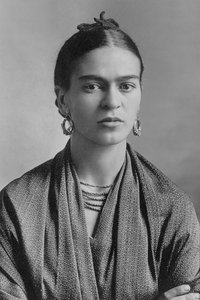
1907–1954, Mexic
Frida Kahlo
Tinerețe și Rădăcini Familiale Coyoacán, din Mexico City, oferă cadrul pentru nașterea Magdalenei Carmen Frieda Kahlo y Calderón, pe data de 6 iulie 1907. Lumea ei familială reprezintă o convergență a unor genealogii diverse. Tatăl ei, Guillermo Kahlo, era un fotograf germano-mexican, în timp ce mama ei, Matilde, purta în sânge moștenirea atât amerindiană, cât și spaniolă. Acest peisaj domestic îi modelează primii ani pe cei ai lui Frida Kahlo, un copil a cărui realitate fizică începe să se transforme sub povara bolii.
Alte lucrări ale lui Frida Kahlo
 Cele Două Fride1939
 Autoportret cu Colier de Espine și Colibrí
 Coloana Încuiată1944
 Cerbul Rănit1946

Eseuri despre Moses
 Pain and Passion: The 25 Most Iconic Masterpieces by Frida KahloExplore 25 iconic Frida Kahlo masterpieces through their powerful stories. Discover the full collection online at OriginalUniqueArt.com.
 Navigating Symbolism & Sentiment: A Comprehensive Exploration of Boats in Art HistoryExplore the rich history of boats in art! Discover symbolism & style from ancient myths to Impressionist masterpieces. Expert insights for …
 Beyond Reality: Exploring Symbolism's Influence on Modern Art & Psychological ExpressionExplore the captivating world of Symbolism! Discover key artists, psychological themes & its lasting impact on modern art. Expert insights …