

 Vezi în context
 Trimite
 Distribuie
 Detalii
 Ghidul

 Descarcă
 Produse similare
 Radiografie
 Diaporama
 Statistici
Triumphal Arch at Prince/'s Bridge, Melbourne


 Citește mai mult
Giclée / Imprimare artistică
Printuri giclée sau pe canvas de calitate muzeală, cu proces de producție rapid și opțiuni flexibile de finisare. ( Comandă pictură realizată manual Treci la imagine digitală)




P118B $10

P118H $10

P118W $10

P438Z $10

P508JH $12

P508YH $12

P805H $10

P805Z $10

P919BZ $10

P919G $10

P919XJ $10

P959ZH $10

P968JZ $12

W106C $8

W218G $10

W218JH $8

W218Y $10

W307PJ $10

W316G $10

W316PJ $8

W316Y $10

W398PJ $8

W4111J $10

W500HY $15

W500JH $15

W692G $12

W849H $8

W940BG $15

W953PJ $8




Alegeți dintre dimensiunile noastre prestabilite, care respectă proporțiile originale ale operei de artă.

Puteți introduce propriile dimensiuni pentru a se potrivi unui anumit cadru sau spațiu. Dacă dimensiunea selectată nu corespunde proporțiilor imaginii originale, vom decupa lucrarea de artă sau vom extinde imaginea cu margini oglindite sau cu o culoare uniformă. Un mockup digital va fi trimis pentru aprobarea dumneavoastră înainte de începerea producției.
Vă rugăm să rețineți că previzualizarea de pe ecran nu reflectă decuparea sau extinderea reală. Doar mockup-ul va arăta cu exactitate compoziția finală.
Deși dimensiunile personalizate sunt disponibile, vă recomandăm să selectați o dimensiune din lista predefinită pentru a păstra proporțiile originale.
Livrare în întreaga lume () în 2 săptămâni, în loc de cele 4/5 săptămâni standard. (25 Septembrie)

Livrare expres gratuită la nivel mondial

Pânză de in premium

Asigurare completă pentru transport

Garanție de rambursare a taxelor vamale

Garanția fidelității culorilor

Politica de retur în 100 de zile (doar pentru defecte)

Garanție de rambursare 100%

Reducere pentru comenzi multiple
 Opțiunea cu sticlă este disponibilă doar pentru dimensiuni de sub 110 cm

Triumphal Arch at Prince/'s Bridge, Melbourne
Giclée / Imprimare artistică
Dimensiune reproducere
-


Preț total
$ 80
A Moment Frozen in Time: The Majesty of Melbourne's Triumphal Arch
In the heart of 1901, as Australia stood on the precipice of a new century, Frederick McCubbin captured a moment of architectural and civic grandeur that remains etched in the collective memory of Melbourne. His masterpiece, Triumphal Arch at Prince's Bridge, is far more than a mere depiction of a landmark; it is a soulful window into a bygone era. Through his masterful use of oil on panel, McCubbin breathes life into the stone and steel of the bridge, transforming a structural feat into a living, breathing narrative of urban vitality. The painting invites the viewer to step onto the bridge itself, feeling the weight of history and the pulse of a city finding its footing in a modern world.
The composition is anchored by the commanding presence of the Triumphal Arch, which rises with an imposing elegance at the center of the frame. McCubbin utilizes the spanning width of the bridge to create a sense of immense scale, drawing the eye across the scene toward the horizon. This architectural strength is softened by the artist's delicate handling of light and shadow. The foreground is bathed in rich, warm tones that suggest the golden glow of an afternoon sun, while the distant reaches of the painting dissolve into cooler, atmospheric hues. This deliberate use of color temperature creates a profound sense of depth, pulling the observer through the layers of the cityscape.
The Artistry of the Heidelberg School Master
As a pivotal figure of the Heidelberg School, McCubbin brought a unique sensitivity to the Australian landscape and its urban developments. In this particular work, his technique demonstrates an exquisite command over texture and light. The choice of oil on panel allows for a certain density and richness in the pigment, lending a tactile quality to the arch's intricate masonry and the movement of the figures below. One can almost sense the subtle vibrations of life—the rhythmic clip-clop of a horse in the background and the quiet murmur of pedestrians navigating the bridge.
McCubbin’s ability to blend the monumental with the mundane is what makes this piece so captivating for the modern collector. He does not merely paint an arch; he paints the atmosphere of an era. The inclusion of small, scattered figures provides a human scale to the grand architecture, reminding us that these great monuments are built for the people. For interior designers and art enthusiasts alike, this painting offers a sophisticated balance of structural stability and organic movement, making it a profound statement piece for any curated collection.
A Legacy of Light and Identity
Beyond its aesthetic brilliance, Triumphal Arch at Prince's Bridge serves as a historical document of Australian identity. At the turn of the century, such landmarks were symbols of progress and permanence. McCubbin captures this optimism through his vibrant palette and energetic brushwork. The painting evokes a sense of nostalgia, yet its visual impact is strikingly contemporary due to the bold interplay of light that defines the scene. It is an evocative piece that resonates with anyone who finds beauty in the intersection of human ambition and the natural environment.
Owning a high-quality reproduction of this work allows one to bring a piece of Australian heritage into a modern living space. Whether placed in a sunlit gallery or a quiet study, the painting acts as an anchor of elegance, offering a continuous dialogue between the past and the present. It is an invitation to contemplate the enduring beauty of Melbourne's history and the timeless skill of one of Australia's most beloved masters.
Biografie artist
A Life Rooted in the Australian Landscape
Frederick McCubbin, born in Melbourne on February 25th, 1855, stands as a cornerstone of Australian art, inextricably linked to the nation’s evolving identity and its unique visual language. His journey from humble beginnings – the son of bakers who instilled in him a strong work ethic – to becoming a pivotal figure in the Heidelberg School is a testament to his dedication and artistic vision. McCubbin's early life was marked by diverse experiences, working as a solicitor’s clerk and assisting in the family bakery before fully embracing his calling as a painter. These formative years, though seemingly disparate, imbued him with a deep understanding of everyday Australian life, a theme that would resonate profoundly throughout his oeuvre. He received foundational training at the National Gallery of Victoria's School of Design, studying under esteemed artists like Eugene von Guerard and George Folingsby, honing his skills in landscape painting while absorbing the prevailing artistic currents of the time. A crucial turning point arrived with his enduring friendship with Tom Roberts, a bond that would shape the course of Australian art history.The Heidelberg School and Defining a National Aesthetic
In 1885, McCubbin and Roberts established the Box Hill Artists' Camp, a landmark event in the development of the Heidelberg School movement. This plein air collective – soon joined by Arthur Streeton and Charles Conder – sought to capture the essence of Australian life and landscapes with an unprecedented immediacy and authenticity. Rejecting the conventions of European academic painting, they ventured into the bush, embracing the raw beauty and harsh realities of the Australian environment. McCubbin’s contributions during this period were instrumental in defining a distinctly Australian aesthetic. His works from this era, such as Down on His Luck (1889), On the Wallaby Track (1896), and The Pioneer (1904), are now iconic representations of pioneering life, depicting the struggles and resilience of early settlers against the backdrop of a vast and often unforgiving landscape. These paintings weren’t merely depictions of scenery; they were narratives imbued with social commentary, exploring themes of solitude, hardship, and the complex relationship between European settlers and the Indigenous land. Heidelberg School artists aimed to paint what was uniquely Australian, moving away from imported styles and subjects. They prioritized capturing light and atmosphere—the way sunlight filtered through eucalyptus trees—creating images that felt alive and emotionally charged. McCubbin’s palette favored earthy tones – ochres, browns, greens – reflecting the colors of the bush itself.Evolution of Style and a Continued Exploration of Identity
While deeply committed to capturing the spirit of Australia, McCubbin wasn’t immune to external influences. A pivotal journey to Europe in 1907 exposed him to the works of J.M.W. Turner and French Impressionists, prompting a subtle yet significant shift in his artistic approach. He began experimenting with freer brushwork, lighter colors, and a more abstracted style, evident in later paintings like An Interior, which many critics consider among his strongest achievements. This evolution wasn’t a rejection of his earlier themes but rather a refinement of his ability to convey emotion and atmosphere. He continued to depict scenes of rural life—farmers tending their crops, families gathering around the hearth—often focusing on the interplay between light and shadow, creating works that are both visually stunning and emotionally resonant. McCubbin’s technique developed over time, becoming looser and more expressive as he matured as an artist. He skillfully blended color to create luminous effects, capturing the mood of a particular moment or place.Major Achievements and Legacy
Frederick McCubbin achieved considerable renown during his lifetime, establishing himself as one of Australia's most respected landscape painters. His paintings were exhibited extensively in Melbourne and London, garnering critical acclaim for their authenticity and emotional depth. He served as president of the Victorian Artists’ Society and played a key role in fostering artistic dialogue within the Australian art community. McCubbin’s enduring influence can be seen in the work of subsequent generations of artists who embraced his vision of capturing the essence of Australia—its beauty, its challenges, and its spirit. His legacy continues to inspire admiration for his masterful use of color and brushwork, cementing his place as a true pioneer and visionary within Australian art history. He remains celebrated as one of Australia's most important and beloved painters, whose works continue to resonate with audiences today, offering poignant glimpses into the nation’s past and enduring reflections on the human condition.
Frederick McCubbin
1855 - 1917 , Australia
Informații rapide
- Artistic Movement Or Style: Impressionism
- Artists Or Movements Influenced By This Artist: ['Heidelberg School']
- Artists Who Influenced This Artist:
- Eugene von Guerard
- George Folingsby
- Date Of Birth: Feb 25, 1855
- Date Of Death: Dec 20, 1917
- Full Name: Frederick McCubbin
- Nationality: Australian
- Notable Artworks:
- On the Wallaby Track
- Down on His Luck
- The Pioneer
- Place Of Birth: Melbourne, Australia
Articole conexe

Frederick Goodall (1822–1904): A Victorian Narrative of Rural Life and Artistic Tradition
Explore the captivating world of Frederick Goodall (1822–1904), a celebrated Victorian artist renowned for his detailed genre paintings and evocative Egyptian scenes. Discover his life, legacy & find high-quality reproductions at OriginalUniqueArt.

Frederick Morgan: A Study in Aestheticism & Victorian Beauty
Explore the captivating world of Frederick Morgan, a key figure in Victorian Aestheticism. Discover his beautiful paintings, recurring themes, and lasting legacy with our expert analysis. Learn more today!

John Frederick Kensett: Luminosity, Landscape & the American Identity
Explore the luminous landscapes of John Frederick Kensett, a master of Luminism and key figure in the Hudson River School. Discover his serene paintings & enduring legacy with OriginalUniqueArt.
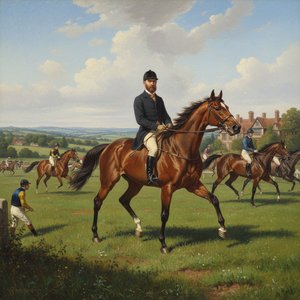
John Frederick Herring Sr.: Equestrian Mastery & the Rise of Sporting Art in Victorian England
Explore the life & work of John Frederick Herring Sr., a leading Victorian equestrian artist. Discover his masterpieces, patronage, techniques & investment potential. Expert insights for collectors.
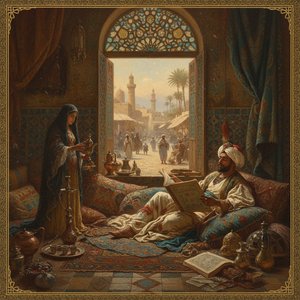
John Frederick Lewis: Orientalism, Detail & Genre Painting in 19th-Century British Art
Explore the captivating Orientalist paintings of John Frederick Lewis! Discover his mastery of detail, genre scenes & influence on 19th-century British art. Learn about his life, techniques & legacy at OriginalUniqueArt.
