

 Previzualizare
 Trimite
 Distribuie
 Detalii despre lucrare

 Descarcă
 Produse similare
 Radiografie
 Diapozitive automate
The Rainbow (also known as Rainbow over Burnley)


 Vezi mai mult
Giclée / Imprimare artistică
Printuri giclée sau pe canvas de calitate muzeală, cu proces de producție rapid și opțiuni flexibile de finisare. ( Comandă pictură lucrată manual Cumpără imaginea)




P118B $10

P118H $10

P118W $10

P438Z $10

P508JH $12

P508YH $12

P805H $10

P805Z $10

P919BZ $10

P919G $10

P919XJ $10

P959ZH $10

P968JZ $12

W106C $8

W218G $10

W218JH $8

W218Y $10

W307PJ $10

W316G $10

W316PJ $8

W316Y $10

W398PJ $8

W4111J $10

W500HY $15

W500JH $15

W692G $12

W849H $8

W940BG $15

W953PJ $8




Alegeți dintre dimensiunile noastre prestabilite, care respectă proporțiile originale ale operei de artă.

Puteți introduce propriile dimensiuni pentru a se potrivi unui anumit cadru sau spațiu. Dacă dimensiunea selectată nu corespunde proporțiilor imaginii originale, vom decupa lucrarea de artă sau vom extinde imaginea cu margini oglindite sau cu o culoare uniformă. Un mockup digital va fi trimis pentru aprobarea dumneavoastră înainte de începerea producției.
Vă rugăm să rețineți că previzualizarea de pe ecran nu reflectă decuparea sau extinderea reală. Doar mockup-ul va arăta cu exactitate compoziția finală.
Deși dimensiunile personalizate sunt disponibile, vă recomandăm să selectați o dimensiune din lista predefinită pentru a păstra proporțiile originale.
Livrare în întreaga lume () în 2 săptămâni, în loc de cele 4/5 săptămâni standard. (22 August)

Livrare expres gratuită la nivel mondial

Pânză de in de înaltă calitate

Asigurare completă pentru transport

Garanție de rambursare a taxelor vamale

Garanția fidelității culorilor

Politica de retur în 60 de zile (doar pentru defecte)

Garanție de rambursare 100%

Ofertă pentru comenzi multiple
 Opțiunea cu sticlă este disponibilă doar pentru dimensiuni de sub 110 cm

The Rainbow (also known as Rainbow over Burnley)
Giclée / Imprimare artistică
Dimensiune reproducere
-


Preț total calculat
$ 80
Descriere obiect de colecție
A Celestial Spectacle Over the Australian Landscape
In the annals of Australian impressionism, few works capture the fleeting majesty of the natural world as poignantly as Frederick McCubbin’s The Rainbow, also known as Rainbow over Burnley. Painted in 1910, this evocative oil on panel serves as a breathtaking window into a moment where the heavens and the earth collide in a display of atmospheric drama. The composition is dominated by a sweeping, vibrant rainbow that arches across the sky, acting as a bridge between the turbulent, swirling clouds above and the grounded reality of the landscape below. McCubbin masterfully captures a sense of transition, where the heavy, bruised tones of an approaching or receding storm give way to a sudden, luminous clarity. The scene is set against the backdrop of the Burnley quarry, a significant industrial site in Melbourne during the early 20th century, providing a profound contrast between the raw, man-made scars of industry and the unbridled, ethereal beauty of the meteorological phenomenon.
The artistry of McCubbin is most evident in his sophisticated command of light and texture. Utilizing an impressionistic approach, he employs loose, expressive brushstrokes that prioritize the sensation of movement over rigid anatomical or architectural detail. The technique involves a rhythmic interplay of thick and thin paint applications, creating a tactile surface that seems to vibrate with life. His palette is a masterful study in color harmony; deep blues and verdant greens evoke a sense of profound serenity, while the rainbow itself introduces a spectrum of vivid, saturated hues that pierce through the atmospheric haze. This wet-on-wet technique allows colors to bleed and blend softly into one another, producing an ethereal, dreamlike quality that mimics the way light scatters through moisture in the air, making the entire sky feel as though it is breathing.
Symbolism and the Emotional Resonance of Nature
Beyond its visual splendor, The Rainbow carries a deep symbolic weight that speaks to the Australian identity and the human condition. The juxtaposition of the industrial Burnley quarry with the celestial rainbow serves as a powerful metaphor for the tension between progress and preservation. It invites the viewer to contemplate the resilience of natural beauty even amidst the encroachment of industrialization. There is an inherent sense of awe and perhaps a touch of apprehension in the swirling, dark cloud formations, reminding us of the immense, uncontrollable forces of nature that dwarf human endeavors. Yet, the presence of the rainbow offers a counter-narrative of hope, promise, and renewal, suggesting that even after the most turbulent storms, light and color will inevitably return.
For the discerning collector or interior designer, this masterpiece offers more than just aesthetic appeal; it provides an emotional anchor for any space. The painting’s ability to evoke both tranquility and dynamic energy makes it a versatile centerpiece for sophisticated decor. Whether placed in a quiet study to inspire contemplation or in a grand living area to serve as a conversation piece, the work brings a sense of historical depth and natural grandeur. Owning a high-quality reproduction of this McCubbin classic allows one to invite the spirit of the Australian landscape into their home, celebrating a legacy of light, color, and the enduring magic of the sky.
Biografie artist
A Life Rooted in the Australian Landscape
Frederick McCubbin, born in Melbourne on February 25th, 1855, stands as a cornerstone of Australian art, inextricably linked to the nation’s evolving identity and its unique visual language. His journey from humble beginnings – the son of bakers who instilled in him a strong work ethic – to becoming a pivotal figure in the Heidelberg School is a testament to his dedication and artistic vision. McCubbin's early life was marked by diverse experiences, working as a solicitor’s clerk and assisting in the family bakery before fully embracing his calling as a painter. These formative years, though seemingly disparate, imbued him with a deep understanding of everyday Australian life, a theme that would resonate profoundly throughout his oeuvre. He received foundational training at the National Gallery of Victoria's School of Design, studying under esteemed artists like Eugene von Guerard and George Folingsby, honing his skills in landscape painting while absorbing the prevailing artistic currents of the time. A crucial turning point arrived with his enduring friendship with Tom Roberts, a bond that would shape the course of Australian art history.The Heidelberg School and Defining a National Aesthetic
In 1885, McCubbin and Roberts established the Box Hill Artists' Camp, a landmark event in the development of the Heidelberg School movement. This plein air collective – soon joined by Arthur Streeton and Charles Conder – sought to capture the essence of Australian life and landscapes with an unprecedented immediacy and authenticity. Rejecting the conventions of European academic painting, they ventured into the bush, embracing the raw beauty and harsh realities of the Australian environment. McCubbin’s contributions during this period were instrumental in defining a distinctly Australian aesthetic. His works from this era, such as Down on His Luck (1889), On the Wallaby Track (1896), and The Pioneer (1904), are now iconic representations of pioneering life, depicting the struggles and resilience of early settlers against the backdrop of a vast and often unforgiving landscape. These paintings weren’t merely depictions of scenery; they were narratives imbued with social commentary, exploring themes of solitude, hardship, and the complex relationship between European settlers and the Indigenous land. Heidelberg School artists aimed to paint what was uniquely Australian, moving away from imported styles and subjects. They prioritized capturing light and atmosphere—the way sunlight filtered through eucalyptus trees—creating images that felt alive and emotionally charged. McCubbin’s palette favored earthy tones – ochres, browns, greens – reflecting the colors of the bush itself.Evolution of Style and a Continued Exploration of Identity
While deeply committed to capturing the spirit of Australia, McCubbin wasn’t immune to external influences. A pivotal journey to Europe in 1907 exposed him to the works of J.M.W. Turner and French Impressionists, prompting a subtle yet significant shift in his artistic approach. He began experimenting with freer brushwork, lighter colors, and a more abstracted style, evident in later paintings like An Interior, which many critics consider among his strongest achievements. This evolution wasn’t a rejection of his earlier themes but rather a refinement of his ability to convey emotion and atmosphere. He continued to depict scenes of rural life—farmers tending their crops, families gathering around the hearth—often focusing on the interplay between light and shadow, creating works that are both visually stunning and emotionally resonant. McCubbin’s technique developed over time, becoming looser and more expressive as he matured as an artist. He skillfully blended color to create luminous effects, capturing the mood of a particular moment or place.Major Achievements and Legacy
Frederick McCubbin achieved considerable renown during his lifetime, establishing himself as one of Australia's most respected landscape painters. His paintings were exhibited extensively in Melbourne and London, garnering critical acclaim for their authenticity and emotional depth. He served as president of the Victorian Artists’ Society and played a key role in fostering artistic dialogue within the Australian art community. McCubbin’s enduring influence can be seen in the work of subsequent generations of artists who embraced his vision of capturing the essence of Australia—its beauty, its challenges, and its spirit. His legacy continues to inspire admiration for his masterful use of color and brushwork, cementing his place as a true pioneer and visionary within Australian art history. He remains celebrated as one of Australia's most important and beloved painters, whose works continue to resonate with audiences today, offering poignant glimpses into the nation’s past and enduring reflections on the human condition.
Frederick McCubbin
1855 - 1917 , Australia
Detalii rapide
- Artistic Movement Or Style: Impressionism
- Artists Or Movements Influenced By This Artist: ['Heidelberg School']
- Artists Who Influenced This Artist:
- Eugene von Guerard
- George Folingsby
- Date Of Birth: Feb 25, 1855
- Date Of Death: Dec 20, 1917
- Full Name: Frederick McCubbin
- Nationality: Australian
- Notable Artworks:
- On the Wallaby Track
- Down on His Luck
- The Pioneer
- Place Of Birth: Melbourne, Australia
Articole similare

Top 10 Capodopere Impresioniste: Peisaje care au Definit Arta Modernă | OriginalUniqueArt.ro
Descoperă top 10 capodopere impresioniste care au revoluționat arta! Monet, Manet, Renoir și alți maeștri ai peisajului. Reproduceri de tablouri de calitate muzeală pentru un decor inspirat. Explorează colecția completă pe OriginalUniqueArt.com!

Top 10 Capodopere Impresioniste: Peisaje care au Schimbat Arta | OriginalUniqueArt.ro
Descoperă top 10 capodopere impresioniste care au revoluționat arta! Monet, Manet, Renoir și alți maeștri ai peisajului. Reproduceri de tablouri canvas de calitate muzeală pentru un decor inspirat. Explorează colecția completă pe OriginalUniqueArt.com!

Evocations of Place: A Historical Journey Through Landscape Art
Explore the rich history of landscape art with OriginalUniqueArt. Discover renowned artists, movements like Impressionism & Romanticism, and expert guidance for collecting timeless pieces. Find your perfect serene escape today!
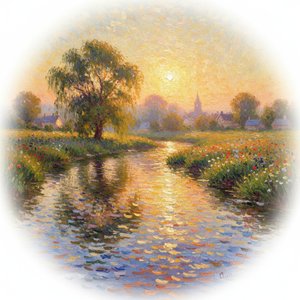
Capturing Light: A Masterclass in the Ethereal Beauty of Impressionistic Landscapes
Explore the ethereal beauty of Impressionist landscapes. Discover how masters like Monet captured fleeting light through color and texture, and learn to curate these timeless, luminous masterpieces for your home collection.

Peisaje Romantice Iconice: 10 Capodopere Artistice pentru Decorul de Lux
Descoperă 10 capodopere romantice iconice de Caspar David Friedrich, Turner și alți maeștri. Explorează istoria artei, emoțiile din peisaje și găsește tablouri canvas perfecte pentru decorul tău pe OriginalUniqueArt.com!


