
 Previzualizare
 Trimite
 Distribuie
 Detalii despre lucrare

 Descarcă
 Produse similare
 Radiografie
 Diapozitive automate
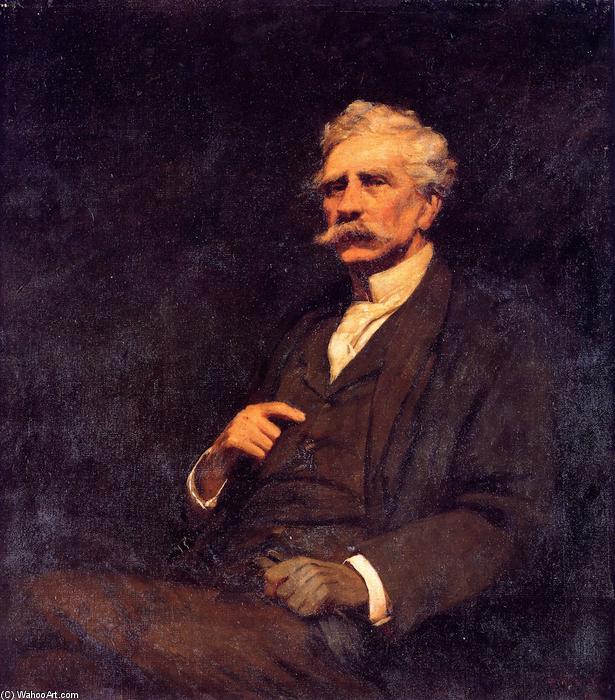
J. A. Panton, Esq. M.P.


 Vezi mai mult
Reproducere pictată manual în ulei
Pictură în ulei pe pânză, realizată manual de artiștii noștri la dimensiunea și ramele dorite de dumneavoastră, pe comandă. ( Comandă printul Cumpără imaginea)




P118B $10

P118H $10

P118W $10

P438Z $10

P508JH $12

P508YH $12

P805H $10

P805Z $10

P919BZ $10

P919G $10

P919XJ $10

P959ZH $10

P968JZ $12

W106C $8

W218G $10

W218JH $8

W218Y $10

W307PJ $10

W316G $10

W316PJ $8

W316Y $10

W398PJ $8

W4111J $10

W500HY $15

W500JH $15

W692G $12

W849H $8

W940BG $15

W953PJ $8




Alegeți dintre dimensiunile noastre prestabilite, care respectă proporțiile originale ale operei de artă.

Puteți introduce propriile dimensiuni pentru a se potrivi unui anumit cadru sau spațiu. Dacă dimensiunea selectată nu corespunde proporțiilor imaginii originale, vom decupa opera de artă sau vom extinde pictura cu elemente suplimentare pictate manual. O simulare digitală vă va fi trimisă pentru aprobare înainte de începerea producției.
Vă rugăm să rețineți că previzualizarea de pe ecran nu reflectă decuparea sau extinderea reală. Doar macheta va arăta cu exactitate compoziția finală.
Deși sunt disponibile dimensiuni personalizate, vă recomandăm să selectați o dimensiune din lista predefinită pentru a păstra proporțiile originale.
După plasarea comenzii, echipa OriginalUniqueArt.com va contacta clientul prin e-mail pentru instrucțiuni și îi va furniza o previzualizare a machetei
Livrare în întreaga lume () în 3-4 săptămâni, în loc de cele 5 săptămâni standard. (20 August). Fără compromisuri în ceea ce privește calitatea.

Livrare expres gratuită la nivel mondial

Pânză de in de înaltă calitate

Asigurare completă pentru transport

Garanție de rambursare a taxelor vamale

Garanția fidelității culorilor

Politica de retur în 60 de zile (doar pentru defecte)

Garanție de rambursare 100%

Ofertă pentru comenzi multiple
 Opțiunea cu sticlă este disponibilă doar pentru dimensiuni de sub 110 cm

J. A. Panton, Esq. M.P.
Tehnică de reproducere
Dimensiune reproducere
-


Preț total calculat
$ 300
Descriere operă de artă
A Portrait of Victorian Esteem: J. A. Panton, Esq. M.P. by Frederick McCubbin
Frederick McCubbin’s 1904 painting, “J. A. Panton, Esq. M.P.,” is more than a simple likeness; it's a carefully constructed tableau of Victorian society, imbued with a subtle melancholy and a poignant awareness of the passage of time. The portrait depicts a distinguished gentleman, identified as J.A. Panton, a prominent figure in colonial administration – an Esquire and Member of Parliament – seated within a richly appointed interior that speaks volumes about his status and the era he represents. McCubbin’s masterful use of light and shadow, combined with a restrained palette dominated by browns, ochres, and muted greens, immediately establishes a mood of quiet contemplation.
McCubbin's style leans heavily into the tenets of the Heidelberg School, a movement that sought to capture the essence of Australian life – its landscapes, its people, and its spirit – with an emphasis on direct observation and emotional resonance. He eschews overly polished surfaces, favoring instead a slightly rougher texture achieved through visible brushstrokes. This technique lends a sense of immediacy and authenticity to the scene, as if we are witnessing a fleeting moment captured in time. The composition is deliberately balanced, drawing our eye across Panton’s face – his thoughtful gaze, the subtle lines etched around his eyes hinting at years of experience – and then outwards to the details of the room, each element contributing to the overall narrative.
The Setting: A Window into Victorian Life
The interior itself is a crucial component of the painting’s meaning. It's not a lavishly opulent space designed to proclaim wealth, but rather a comfortably furnished room that suggests quiet success and established position. The dark wood panelling, the heavy curtains, and the carefully arranged furniture all speak to a man accustomed to respectability and authority. A globe sits prominently on a table, symbolizing Panton’s engagement with both his local community and the wider world – a reflection of the colonial mindset prevalent at the time. A small writing desk suggests a life dedicated to correspondence and administrative duties, while a partially visible bookcase hints at an appreciation for learning and culture.
Notably, McCubbin subtly incorporates elements that hint at the realities beneath the veneer of Victorian respectability. The shadows cast by the furniture are deep and suggestive, creating a sense of enclosure and perhaps even unease. The muted colors contribute to this feeling, preventing the scene from becoming overly bright or cheerful. This restrained approach is characteristic of McCubbin’s work – he doesn't shy away from depicting the complexities and ambiguities of human experience.
Symbolism and Emotional Resonance
Beyond its realistic depiction of a Victorian gentleman, “J. A. Panton, Esq. M.P.” carries significant symbolic weight. The portrait can be interpreted as an exploration of identity – the tension between public persona and private self. Panton’s thoughtful expression suggests a man wrestling with his responsibilities and perhaps even contemplating the legacy he will leave behind. The painting's quietness invites introspection, prompting us to consider the burdens of leadership and the fleeting nature of earthly achievements.
McCubbin was deeply interested in portraying the Australian landscape and its impact on human life. While this portrait is primarily focused on a single individual, it’s important to remember that McCubbin's work often explores themes of isolation, loss, and the relationship between humanity and nature. The subtle hints of the outdoors – glimpsed through the window – serve as a reminder of the vastness of the Australian continent and the challenges faced by those who sought to carve out a life within it.
A Legacy of Australian Art
“J. A. Panton, Esq. M.P.” stands as a testament to Frederick McCubbin’s enduring contribution to Australian art. It's a painting that rewards careful observation and invites multiple interpretations. Reproductions of this iconic work offer a valuable window into the Victorian era, capturing not only the appearance of a prominent figure but also the spirit of a nation grappling with its identity and forging its own path. The painting’s quiet dignity and subtle emotional depth continue to resonate with viewers today, cementing McCubbin's place as one of Australia’s most beloved artists.
Biografie artist
A Life Rooted in the Australian Landscape
Frederick McCubbin, born in Melbourne on February 25th, 1855, stands as a cornerstone of Australian art, inextricably linked to the nation’s evolving identity and its unique visual language. His journey from humble beginnings – the son of bakers who instilled in him a strong work ethic – to becoming a pivotal figure in the Heidelberg School is a testament to his dedication and artistic vision. McCubbin's early life was marked by diverse experiences, working as a solicitor’s clerk and assisting in the family bakery before fully embracing his calling as a painter. These formative years, though seemingly disparate, imbued him with a deep understanding of everyday Australian life, a theme that would resonate profoundly throughout his oeuvre. He received foundational training at the National Gallery of Victoria's School of Design, studying under esteemed artists like Eugene von Guerard and George Folingsby, honing his skills in landscape painting while absorbing the prevailing artistic currents of the time. A crucial turning point arrived with his enduring friendship with Tom Roberts, a bond that would shape the course of Australian art history.The Heidelberg School and Defining a National Aesthetic
In 1885, McCubbin and Roberts established the Box Hill Artists' Camp, a landmark event in the development of the Heidelberg School movement. This plein air collective – soon joined by Arthur Streeton and Charles Conder – sought to capture the essence of Australian life and landscapes with an unprecedented immediacy and authenticity. Rejecting the conventions of European academic painting, they ventured into the bush, embracing the raw beauty and harsh realities of the Australian environment. McCubbin’s contributions during this period were instrumental in defining a distinctly Australian aesthetic. His works from this era, such as Down on His Luck (1889), On the Wallaby Track (1896), and The Pioneer (1904), are now iconic representations of pioneering life, depicting the struggles and resilience of early settlers against the backdrop of a vast and often unforgiving landscape. These paintings weren’t merely depictions of scenery; they were narratives imbued with social commentary, exploring themes of solitude, hardship, and the complex relationship between European settlers and the Indigenous land. Heidelberg School artists aimed to paint what was uniquely Australian, moving away from imported styles and subjects. They prioritized capturing light and atmosphere—the way sunlight filtered through eucalyptus trees—creating images that felt alive and emotionally charged. McCubbin’s palette favored earthy tones – ochres, browns, greens – reflecting the colors of the bush itself.Evolution of Style and a Continued Exploration of Identity
While deeply committed to capturing the spirit of Australia, McCubbin wasn’t immune to external influences. A pivotal journey to Europe in 1907 exposed him to the works of J.M.W. Turner and French Impressionists, prompting a subtle yet significant shift in his artistic approach. He began experimenting with freer brushwork, lighter colors, and a more abstracted style, evident in later paintings like An Interior, which many critics consider among his strongest achievements. This evolution wasn’t a rejection of his earlier themes but rather a refinement of his ability to convey emotion and atmosphere. He continued to depict scenes of rural life—farmers tending their crops, families gathering around the hearth—often focusing on the interplay between light and shadow, creating works that are both visually stunning and emotionally resonant. McCubbin’s technique developed over time, becoming looser and more expressive as he matured as an artist. He skillfully blended color to create luminous effects, capturing the mood of a particular moment or place.Major Achievements and Legacy
Frederick McCubbin achieved considerable renown during his lifetime, establishing himself as one of Australia's most respected landscape painters. His paintings were exhibited extensively in Melbourne and London, garnering critical acclaim for their authenticity and emotional depth. He served as president of the Victorian Artists’ Society and played a key role in fostering artistic dialogue within the Australian art community. McCubbin’s enduring influence can be seen in the work of subsequent generations of artists who embraced his vision of capturing the essence of Australia—its beauty, its challenges, and its spirit. His legacy continues to inspire admiration for his masterful use of color and brushwork, cementing his place as a true pioneer and visionary within Australian art history. He remains celebrated as one of Australia's most important and beloved painters, whose works continue to resonate with audiences today, offering poignant glimpses into the nation’s past and enduring reflections on the human condition.
Frederick McCubbin
1855 - 1917 , Australia
Detalii rapide
- Artistic Movement Or Style: Impressionism
- Artists Or Movements Influenced By This Artist: ['Heidelberg School']
- Artists Who Influenced This Artist:
- Eugene von Guerard
- George Folingsby
- Date Of Birth: Feb 25, 1855
- Date Of Death: Dec 20, 1917
- Full Name: Frederick McCubbin
- Nationality: Australian
- Notable Artworks:
- On the Wallaby Track
- Down on His Luck
- The Pioneer
- Place Of Birth: Melbourne, Australia
Articole similare

Top 10 Capodopere Alb-Negru: Frumusețe Atemporală în Artă | OriginalUniqueArt.ro
Descoperă top 10 picturi celebre dominate de alb, de la Monet la Kandinsky! Explorează istoria artei, tehnicile artistice și frumusețea atemporală a capodoperelor clasice. Reproduceri de calitate muzeală pe OriginalUniqueArt.com – inspiră-ți decorul!
Top 10 Capodopere Artistice cu Peisaje: Inspirație și Frumusețe pentru Decorul Casei
Descoperă top 10 capodopere artistice cu peisaje, de la Monet și Van Gogh la picturi impresioniste. Află poveștile din spatele fiecărei opere și găsește inspirație pentru decorul casei tale! Reproduceri tablouri de calitate superioară pe OriginalUniqueArt.com.

Top 10 Tablouri Celebre Dominante de Negru: Artă, Istorie și Decor Rafinat
Descoperă Top 10 tablouri celebre dominate de negru! Explorează istoria, simbolismul și tehnicile artistice ale unor opere iconice de Rembrandt, Goya și alți maeștri. Reproduceri de artă de calitate muzeală pe OriginalUniqueArt.com – inspiră-ți decorul!

Peisaje Romantice Iconice: 10 Capodopere Artistice pentru Decorul de Lux
Descoperă 10 capodopere romantice iconice de Caspar David Friedrich, Turner și alți maeștri. Explorează istoria artei, emoțiile din peisaje și găsește tablouri canvas perfecte pentru decorul tău pe OriginalUniqueArt.com!

John Constable: Cele Mai Frumoase 25 de Capodopere – Artă Clasică pentru Decorul Casei Tale
Descoperă cele mai frumoase 25 de picturi ale lui John Constable, maestru al peisajului englezesc! Explorează stilul romantic, Dedham Vale și capodopere precum The Hay Wain. Reproduceri artă clasică pentru decorul casei tale – OriginalUniqueArt.com.


