Previzualizare
 Trimite prin felicitare
 Distribuie
 Detalii despre lucrare
 Ghid
Ghid

 Descarcă imaginea
 Produse similare
 Radiografie
 Galerie foto
 Q&A
Q&A Statistici
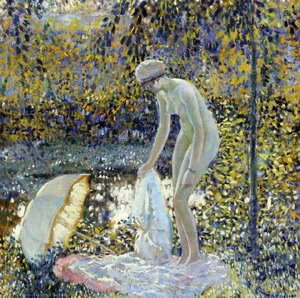
Parasolul


 Vezi mai mult
Giclée / Imprimare artistică
Printuri giclée sau pe canvas de calitate muzeală, cu proces de producție rapid și opțiuni flexibile de finisare. ( Comandă pictură realizată manual Comută pe Imagine Digitală)




P118B lei10

P118H lei10

P118W lei10

P438Z lei10

P508JH lei12

P508YH lei12

P805H lei10

P805Z lei10

P919BZ lei10

P919G lei10

P919XJ lei10

P959ZH lei10

P968JZ lei12

W106C lei8

W218G lei10

W218JH lei8

W218Y lei10

W307PJ lei10

W316G lei10

W316PJ lei8

W316Y lei10

W398PJ lei8

W4111J lei10

W500HY lei15

W500JH lei15

W692G lei12

W849H lei8

W940BG lei15

W953PJ lei8




Alegeți dintre dimensiunile noastre prestabilite, care respectă proporțiile originale ale operei de artă.

Introduceți lățimea și înălțimea necesare pentru a se potrivi ramei sau peretelui dumneavoastră. O printare poate fi doar tăiată, niciodată extinsă dincolo de dimensiunea imaginii originale, astfel încât o dimensiune cu o formă diferită va pierde o parte din imagine. Vă trimitem o simulare digitală pentru aprobare înainte de a imprima orice. Imaginea afișată pe această pagină nu prezintă tăierea reală — doar simularea arată acest lucru.
Livrare în întreaga lume () în 2 săptămâni, în loc de cele 4/5 săptămâni standard. (31 Octombrie)

Livrare expres gratuită la nivel mondial

Pânză de in de înaltă calitate

Asigurare completă pentru transport

Garanție de rambursare a taxelor vamale

Garanția fidelității culorilor

Politica de retur în 100 de zile (doar pentru defecte de fabricație)

Garanție de rambursare 100%

Ofertă pentru comenzi multiple
 Opțiunea cu sticlă este disponibilă doar pentru dimensiuni de sub 110 cm

Parasolul
Giclée / Imprimare artistică
Dimensiune reproducere
-


Preț total calculat
lei 379
A Symphony of Light and Impressionistic Grace
Frederick Carl Frieseke’s “The Parasol,” completed in 1907, isn't merely a depiction of a woman beneath an umbrella; it’s an embodiment of the Luminist movement’s core tenets – capturing fleeting impressions of light and atmosphere with remarkable subtlety. Situated within the idyllic Giverny garden of Frieseke’s wife, Marie Frieseke, this oil on canvas masterpiece transports viewers to a serene tableau where stillness reigns supreme.
Stylistic Influences: Japonisme and Beyond
Frieseke's artistic vision was profoundly shaped by Japonisme—the burgeoning fascination with Japanese art and aesthetics that swept across Europe at the turn of the century. As evidenced in the delicate brushstrokes and muted palette, reminiscent of Hiroshige prints, “The Parasol” reflects a desire to distill the essence of nature into its purest form. However, Frieseke’s approach transcends simple imitation; he skillfully blends Impressionistic techniques with elements of Realism, resulting in an image that feels both tangible and ethereal.
Composition and Symbolism: A Delicate Balance
The composition is meticulously crafted to draw the eye inward. The woman stands poised near a lily pond, her gaze downward as if contemplating its tranquil surface. Two birds flit across the upper left corner, adding a touch of dynamism against the muted greens and blues of the foliage. Notably, a handbag rests on the ground beside Marie’s feet—a subtle detail that speaks to domestic life and perhaps hints at contemplation. The parasol itself serves as more than just protection from the sun; it symbolizes femininity, grace, and an invitation to pause amidst the beauty of the natural world.
Comparisons with Contemporary Masters
Artists like Robert Lewis Reid (“The White Parasol”) and William Merritt Chase (“A Young Roman”) explored similar themes of everyday life and human form within Impressionistic landscapes. These paintings underscore Frieseke’s contribution to a broader artistic dialogue, demonstrating the movement's ability to elevate seemingly simple subjects into profound expressions of emotion and perception.
Bringing Frieseke’s Vision Home
A reproduction of “The Parasol” offers an exceptional opportunity to experience Frieseke’s masterful artistry firsthand. Explore the exquisite detail and luminous quality of this iconic Impressionist painting at OriginalUniqueArt.com for a stunning addition to your collection or interior décor.
Întrebări și răspunsuri
Pot comanda o reproducere în ulei a operei "Parasolul"?
Puteți comanda o reproducere pictată manual a operei "Parasolul" de Frederick Carl Frieseke direct pe pagina sa de Reproducere pictată în ulei: o reproducere pictată manual în ulei pe pânză de in, realizată la comandă.
Cine a creat "Parasolul" și în ce stil este realizată?
Frederick Carl Frieseke a creat "Parasolul", parte a mișcării Impressionist Luminism.
Imaginea pentru "Parasolul" de Frederick Carl Frieseke poate fi reprodusă liber?
Statusul drepturilor de autor pentru "Parasolul" de Frederick Carl Frieseke: opera este în domeniul public – drepturile de autor au expirat. Acest lucru determină dacă reproducerile imaginii pot fi realizate liber.
Biografie artist
A Life Bathed in Sunlight: The Artistic Journey of Frederick Carl Frieseke
Born in the small Michigan town of Owosso on April 7, 1874, Frederick Carl Frieseke embarked on a path that would ultimately establish him as a pivotal figure within American Impressionism. His early years, shaped by a move to Florida following his mother’s untimely passing and nurtured by an artistically inclined aunt, instilled in him a profound sensitivity to light and form – qualities that would become the very essence of his artistic vision. Despite initially being involved in his family's brick manufacturing business, Frieseke discovered a deeper calling, one resonating with the burgeoning spirit of the age. A formative visit to the 1893 World’s Columbian Exposition in Chicago ignited within him an unyielding passion for art, propelling him towards formal training at the Art Institute of Chicago and, crucially, a relocation to Paris in 1898 – a decision that irrevocably altered the course of his life and artistic development. It was in France that Frieseke truly discovered his voice, immersing himself in the vibrant Parisian art scene and absorbing the influences that would coalesce into his distinctive style.The Allure of Giverny and the Development of “Decorative Impressionism”
Paris quickly transformed from a mere place of study into Frieseke’s adopted home – a sanctuary where he could refine his technique, experiment with new approaches, and ultimately cultivate his artistic vision. Early influences included James Abbott McNeill Whistler, whose masterful use of tonal harmonies left an indelible mark on Frieseke's work, subtly shaping the way he perceived and rendered light and color. However, it was the captivating allure of Giverny – Claude Monet’s idyllic haven nestled along the Seine – that truly unlocked Frieseke’s potential. In 1906, he secured a modest house adjacent to Monet’s renowned property, becoming part of a thriving artistic community and immersing himself in the very heart of Impressionism. This proximity fostered a unique style often described as “decorative impressionism,” a term reflecting Frieseke's deliberate approach to creating scenes that were both visually stunning and imbued with an almost decorative quality. Unlike some of his contemporaries who favored spontaneous brushwork, Frieseke’s paintings exhibited a remarkable level of refinement, characterized by luminous colors, dappled sunlight filtering through foliage, and a pronounced emphasis on graceful female figures. He wasn't merely capturing a fleeting moment; he was meticulously crafting scenes of serene beauty, evoking a sense of intimate tranquility and refined elegance. His work began to showcase sensual, rounded forms reminiscent of Pierre-Auguste Renoir, blended with the bolder color palettes inspired by Post-Impressionists like Paul Gauguin and Pierre Bonnard – a harmonious synthesis of influences that defined his unique artistic language.Themes and Techniques: Capturing Light and Femininity
Frieseke’s artistic focus consistently revolved around two central themes: the captivating effects of light and the portrayal of women. He possessed an almost obsessive fascination with how sunlight transformed ordinary scenes into moments of ethereal beauty, meticulously capturing this interplay in his paintings. His female subjects – often depicted lounging languidly in sun-drenched gardens or bathed in the soft glow of interior spaces – were not merely portraits but rather embodiments of grace, sensuality, and quiet contemplation. *Hélène*, painted in 1901, stands as a prime example of this approach – a captivating portrait that masterfully blends realism with an exquisite sense of Impressionistic beauty and intimate detail. Frieseke’s technique involved layering delicate brushstrokes to create a shimmering effect, evoking the sensation of sunlight dancing on skin and foliage. He frequently incorporated geometric elements – parasols, patterned fabrics, or architectural details – to provide visual contrast and enhance the overall harmony of his compositions. This meticulous attention to detail, combined with his masterful use of color and light, earned him recognition throughout his career. *Before the Glass* (1904), a painting that captured the delicate interplay of light and reflection on a glass surface, was purchased by the French Government and subsequently displayed at the Luxembourg Gallery – a testament to Frieseke’s growing reputation as a skilled and innovative artist.Recognition and Legacy: A Lasting Impression on American Art
Throughout his career, Frederick Carl Frieseke garnered numerous accolades that acknowledged his artistic talent and contribution to the art world. He received silver medals at the St. Louis Exposition in 1904, the Temple Gold Medal from the Pennsylvania Academy of Fine Arts in 1913, and the Grand Prize at the Panama-Pacific International Exposition in 1915. His painting *Torn Lingerie* (1920) achieved particular acclaim, winning two gold medals and the popular prize at the Chicago Art Institute – a remarkable achievement that solidified his position as one of America’s leading Impressionist painters. Despite his growing success and international recognition, Frieseke remained deeply committed to his adopted home in France, preferring the artistic freedom he found there to the more rigid social conventions of the United States. He passed away on August 24, 1939, leaving behind a legacy of luminous paintings that continue to captivate audiences today. His contribution to American Impressionism is significant not only for his technical skill and innovative style but also for his ability to create scenes of enduring beauty and tranquility – images that transport us to idyllic realms bathed in sunlight and filled with grace.Notable Works
- Portrait of a Girl (also known as Pensive Model): A stunning blend of realism and beauty capturing quiet contemplation.
- Hélène: Showcasing Impressionistic beauty and intimate detail, painted in 1901.
- Self-Portrait: Reveals the artist’s contemplative nature amidst his studio, showcasing masterful technique.
- The Garden at Giverny: A prime example of his blend of Impressionist and Post-Impressionist styles.
- Woman in a Garden: A quintessential representation of his decorative impressionism.
- Before the Glass (1904): Purchased by the French Government, displayed at the Luxembourg Gallery.
- Torn Lingerie (1920): Awarded two gold medals and the popular prize at the Chicago Art Institute.

Frederick Carl Frieseke
1874 - 1939 , Statele Unite ale Americii
Detalii rapide
- Artistic Movement Or Style: Impressionism american
- Artists Or Movements Influenced By This Artist:
- Impressionism
- Post-Impressionism
- Artists Who Influenced This Artist:
- Renoir
- Whistler
- Gauguin
- Bonnard
- Date Of Birth: 7 aprilie 1874
- Date Of Death: 24 august 1939
- Full Name: Frederick Carl Frieseke
- Nationality: American
- Notable Artworks:
- The Basket of Flowers
- Hélène
- Self-Portrait
- Before the Glass
- Torn Lingerie
- Place Of Birth: Owosso, SUA
Articole similare
Cultivating Paradise: A Historical & Artistic Exploration of Gardens in Painting
Explore the rich history of gardens in painting! Discover masterpieces from Renaissance to Impressionism & beyond. Learn about symbolism, artists like Monet & Klimt, and find your perfect artwork at OriginalUniqueArt.

Dincolo de Lumină și Culoare: Impresionismul vs. Postimpresionismul pentru Colecționarul Exigent
Descoperiți diferențele subtile dintre impresionism și postimpresionism. Ghid expert pentru colecționari exigenți, cu sfaturi despre investiții, valoare și proveniență.

Impressionism: Cele Mai Frumoase Opere de Artă și Inspirație pentru Decorul Casei
Descoperă cele mai frumoase 10 opere impresioniste de la Monet, Renoir și Degas! Explorează istoria, tehnicile și culorile vibrante ale acestui stil revoluționar. Găsește inspirație pentru decorul casei tale cu reproduceri de artă de calitate muzeală pe OriginalUniqueArt.com.

Frederick Childe Hassam: American Impressionism's Chronicler of Light & Modern Life
Explore the captivating world of Frederick Childe Hassam, a pioneer of American Impressionism. Discover his iconic paintings capturing light, urban life & coastal beauty. Learn about his legacy and influence on American art history.

Paul Cézanne: Cele Mai Reprezentative 25 De Capodopere – Artă, Istorie și Decorațiuni Interioare
Descoperă cele mai frumoase 25 de capodopere Paul Cézanne! Explorează istoria, tehnicile și semnificația picturilor impresioniste iconice. Reproduceri artă de calitate muzeală & inspirație decor interioară pe OriginalUniqueArt.com.