

 Previzualizare
 Trimite prin felicitare
 Distribuie
 Detalii despre lucrare
 Ghid
Ghid

 Descarcă imaginea
 Produse similare
 Radiografie
 Galerie foto
 Statistici
The Empress Eugénie
 Oil On Canvas
- WallArt
- Romanticism
 1854
1854- 19th Century
 92.0 x 73.0 cm
 Vezi mai mult
Obțineți un fișier gata de imprimare care depășește cu mult previzualizarea web. Fiecare imagine digitală pe care o vindem provine dintr-un master de înaltă rezoluție din baza noastră de date — de obicei între 5.000 și 15.000 de pixeli lățime — astfel încât să puteți printa în format mare, să decupați strâns sau să reproduceți detalii fine cu încredere.
Niciun fișier nu părăsește studioul nostru fără să fie tratat. Un expert digital verifică nuanțele de culoare în raport cu pictura originală și le corectează acolo unde este necesar, apoi îmbunătățește claritatea și detaliile folosind instrumente profesionale de retușare — rămânând întotdeauna fidel picturii și stilului artistului. Rezultatul este o imagine care seamănă cu tabloul propriu-zis, nu cu o scanare filtrată.
Aprobați înainte de finalizare: expertul nostru vă trimite imaginea prin e-mail în termen de 72 de ore pentru revizuire. Nu sunteți mulțumit? Solicitați îmbunătățiri sau corecturi, ori cereți o restituire a plății dacă calitatea nu este pe măsura așteptărilor.
Aceasta este calitatea pe care se bazează editori, studiouri de design, galerii și tipării.
Imagine Digitală
Descărcați un fișier la rezoluție înaltă pentru afișare personală, imprimare și proiecte creative. ( Comută pe versiunea Print Comandă pictură realizată manual)
Inclus în fiecare comandă de imagini digitale
Livrare digitală de expertiză, garantată
Când alegeți OriginalUniqueArt.com, nu primiți doar o simplă imagine – primiți o operă de artă digitală îmbunătățită profesional, creată cu precizie și susținută de o garanție de satisfacție. Iată tot ceea ce primești odată cu comanda ta, în mod automat:

Livrare rapidă prin e-mail
Fișierul imaginii digitale la rezoluție înaltă vă va fi trimis prin e-mail în termen de 72 de ore de la finalizarea comenzii – gata pentru utilizare imediată.

Fișier digital optimizat prin IA
Opera ta de artă este optimizată profesional prin intermediul unor instrumente AI avansate și al editării manuale, asigurând un nivel maxim de detalii, claritate și acuratețe a culorilor.

Retransmitere gratuită pe viață
Ai șters sau ai pierdut din greșeală fișierul? Nu îți face griji – ți-l vom retrimite oricând, gratuit.

Fără taxe de import – Întotdeauna
Bucură-te instant de noua ta operă de artă, fără taxe vamale, taxe de import sau costuri de livrare – descărcările digitale sunt întotdeauna fără taxe.

Garanția acurateții culorilor
Asigurăm o reflectare cât mai fidelă a culorilor originale în imaginea ta digitală, prin utilizarea unor instrumente profesionale și a proceselor de gestionare a culorii.

Garanție de satisfacție de 100 de zile
Dacă nu sunteți mulțumit de imaginea digitală achiziționată, o vom revizui sau vă vom returna 100% în termen de 100 de zile – fără nicio întrebare.

Garanție de returnare 100% a banilor
Nu ești mulțumit? Primești rambursarea integrală în termen de 100 de zile de la primirea fișierului digital – fără nicio întrebare.

Reduceri pentru comenzi în volum
Cumpără 3 imagini, economisește 10% - Cumpără 5, economisește 15% - Cumpără 10+, economisește 20%. Ideal pentru proiecte creative, galerii și agenții.
The Radiance of Imperial Elegance
To gaze upon this portrait of The Empress Eugénie is to step directly into the gilded salons of mid-nineteenth-century Europe. Franz Xavier Winterhalter, master chronicler of aristocracy and empire, has captured not merely a likeness, but an entire epoch—a moment suspended between Romantic flourish and structured imperial power. The subject, resplendent in her luminous yellow gown accented with delicate blue trim, commands the viewer's attention from every angle. Her posture suggests effortless grace, while the tiara crowning her brow speaks volumes of her elevated status. It is a vision of controlled magnificence, where every fold of fabric and every gesture contributes to an overwhelming aura of regal poise.
A Masterclass in Salon Portraiture
Winterhalter’s technique here is nothing short of breathtaking. His ability to render luxurious textiles—the way the yellow silk catches the light, the delicate ruffles cascading down her skirt—is unparalleled. One can almost feel the weight and texture of the fabric through the painted surface. Beyond the central figure, the background unfolds with a sense of vibrant activity; other figures populate the pathway, lending depth and narrative movement to what might otherwise be a static portrait. This masterful composition draws the eye inexorably toward Eugénie, establishing her as the undeniable focal point against a backdrop of social life.
Historical Echoes and Symbolism
Painted in 1854, this work situates itself at a fascinating crossroads in European history. It embodies the height of imperial grandeur while hinting at the societal shifts that would follow. The yellow dress, often associated with joy and prominence, combined with the formality of her attire, speaks to the immense cultural weight carried by figures like Empress Eugénie herself. She represents an ideal—the perfect synthesis of feminine beauty, political influence, and impeccable taste. Owning a reproduction of this piece is not just acquiring art; it is curating a tangible piece of historical narrative for your own space.
Bringing Courtly Drama Home
For the discerning collector or designer whose interiors echo classical opulence, this painting offers unparalleled decorative impact. The rich palette, dominated by sunny yellows and cool blues against softer background tones, provides an immediate focal point capable of elevating any drawing-room, gallery wall, or grand foyer. Winterhalter’s enduring appeal lies in his ability to make the monumental feel intimate, allowing the viewer a moment of connection with historical splendor. It is a piece that whispers tales of balls, diplomacy, and unparalleled courtly life.
CLASSIFICATION: Art ReproductionÎntrebări și răspunsuri
Care sunt tehnica și dimensiunile originalului "The Empress Eugénie" de Franz Xaver Winterhalter?
Tehnica utilizată pentru "The Empress Eugénie" de Franz Xaver Winterhalter este Oil On Canvas, iar dimensiunile sale înregistrate sunt 92 x 73 cm.
Există o fișă informativă despre "The Empress Eugénie" de Franz Xaver Winterhalter pentru studenți?
O pagină de Fișă informativă este disponibilă pentru "The Empress Eugénie" de Franz Xaver Winterhalter: o fișă informativă imprimabilă despre operă, concepută pentru elevi și utilizare în mediul școlar.
Care este nuanța dominantă în "The Empress Eugénie" de Franz Xaver Winterhalter?
Culoarea dominantă a operei "The Empress Eugénie" de Franz Xaver Winterhalter este Ochre to Sepia. Această nuanță constituie tonul de bază al paletei cromatice.
Biografie artist
A Painter of Kings and Queens: The Life and Art of Franz Xaver Winterhalter
Franz Xaver Winterhalter, a name synonymous with the golden age of European royalty, ascended from humble beginnings in the Black Forest to become one of the most sought-after portraitists of his time. His story isn’t merely that of an artist achieving technical mastery; it's a narrative woven with threads of rural upbringing, monastic training, Parisian ambition, and ultimately, a profound understanding of how to capture the essence – and carefully crafted image – of European courts. Born in 1805 in Menzenschwand, a secluded village nestled within Germany’s picturesque Black Forest, Winterhalter's early life instilled in him a deep appreciation for nature and a quiet resilience shaped by his family’s modest existence as farmers and resin producers. This rural foundation, however, belied an innate artistic sensibility that quickly distinguished him from his peers. The bonds of family were particularly strong, with his brother Hermann, also a painter, providing crucial encouragement and support during his formative years. Formal training initially began at a Benedictine monastery in St. Blasien, where he honed the fundamentals of drawing and engraving – skills that would prove invaluable as he transitioned to the bustling artistic circles of Munich. Later, under the tutelage of Karl Ludwig Schüler in Freiburg, Winterhalter further refined his technical abilities, laying the groundwork for his future success. It was in Munich, however, that his path truly began to diverge from a simple rural existence, securing him an apprenticeship with the influential Joseph Karl Stieler, a master of fashionable portraiture who recognized and nurtured Winterhalter’s unique talent.From Karlsruhe to Parisian Heights: Establishing a Royal Reputation
Winterhalter's breakthrough arrived in 1828 when he was appointed drawing master to Sophie Margravine of Baden at Karlsruhe. This appointment wasn’t merely a job; it was a carefully orchestrated gateway into the intricate world of European royalty, offering him direct access to the courts and aristocratic circles that would define his career. His talent for capturing likeness with an air of elegance quickly gained recognition, leading to commissions from Grand Duke Leopold of Baden and his wife. However, it was Paris that truly cemented Winterhalter’s fame. Arriving in the French capital in the 1830s, he skillfully navigated the competitive artistic landscape, exhibiting genre scenes like *Il dolce Farniente* and *Il Decameron*, which showcased his academic training while hinting at a burgeoning Romantic sensibility. These early works demonstrated his ability to blend classical technique with a touch of modern flair, attracting attention from discerning critics and patrons alike. Yet, it was his portraits that truly captivated the Parisian elite. He quickly established himself as a leading figure in the fashionable portraiture scene, catering to the tastes of King Louis-Philippe and later, Empress Eugénie. His ability to present his subjects at their most idealized – while retaining an undeniable sense of personality – proved irresistible. Winterhalter’s portraits were not simply representations; they were carefully constructed narratives about power, status, and identity, reflecting the aspirations and anxieties of a rapidly changing Europe.The Victorian Embrace: A Painter of Imperial Majesty
Winterhalter's reputation extended far beyond France, reaching the British Isles and capturing the attention of Queen Victoria. In 1841, he was summoned to England, initiating a prolific relationship that would see him create over one hundred portraits for the Royal Collection. These weren’t merely official commissions; they were intimate glimpses into the lives of the royal family, often commissioned as personal gifts – a testament to Victoria's deep appreciation for his artistry and discretion. His portrait of Queen Victoria in 1843, a small and exquisitely detailed work, exemplifies his ability to capture not just physical likeness but also a sense of personality and emotion. The painting, gifted by Victoria to Prince Albert, depicts the young queen with a vulnerable intimacy that belies her regal status. This success solidified Winterhalter’s position as *the* portraitist of European royalty, sought after by Empress Eugénie in France, Empress Elisabeth of Austria, and countless other noble figures. He became a master of dynastic image-making, shaping how these powerful families presented themselves to the world – projecting an aura of stability, grandeur, and enduring legitimacy. His style evolved over time, moving from a somewhat rigid academic approach to one that embraced a greater sense of fluidity and Romantic charm, particularly evident in his portraits of Empress Elisabeth of Austria.Style and Legacy: Beyond Likeness
While often criticized by artistic circles for prioritizing flattery over innovation, Winterhalter’s work holds a significant place in art history. His style is characterized by its meticulous detail, luminous color palette, and ability to capture the textures of fabrics and jewels with breathtaking realism. He skillfully blended Romantic sensibilities with Neoclassical precision, creating portraits that were both visually stunning and psychologically insightful. His paintings weren’t simply representations; they were carefully constructed narratives about power, status, and identity. He wasn't a revolutionary in the same vein as Delacroix or Courbet, but his influence was pervasive – he established a standard for royal portraiture that endured for decades, and his works provide invaluable historical documentation of 19th-century European society. Franz Xaver Winterhalter died in Frankfurt in 1873, leaving behind a vast body of work that continues to be celebrated for its technical brilliance and historical significance. His paintings can be found in prominent museums and royal collections around the world, including the National Portrait Gallery in London, the Musée d’Orsay in Paris, and Buckingham Palace. His legacy lies not just in the beauty of his paintings but also in their ability to transport us back to an era of opulent courts, intricate diplomacy, and unwavering social hierarchies. He remains a pivotal figure for understanding the visual culture of 19th-century Europe and the role of art in shaping perceptions of power and status.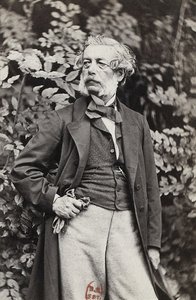
Franz Xaver Winterhalter
1805 - 1873 , Germania
Detalii rapide
- Artistic Movement Or Style: Romanticism, portretizare
- Artists Or Movements Influenced By This Artist: ['Louis I, Mare Duce de Baden']
- Artists Who Influenced This Artist:
- Peter von Cornelius
- Joseph Karl Stieler
- Date Of Birth: 20 Apr. 1805
- Date Of Death: 8 July 1873
- Full Name: Franz Xaver Winterhalter
- Nationality: German
- Notable Artworks:
- Empresia Eugenie...
- Florinda
- Il dolce farniente
- Place Of Birth: Menzenschwand, Germania