

 Vezi în context
 Trimite
 Distribuie
 Detalii
 Ghidul

 Descarcă
 Produse similare
 Radiografie
 Diaporama
 Statistici
Louis Philippe


 Citește mai mult
Giclée / Imprimare artistică
Printuri giclée sau pe canvas de calitate muzeală, cu proces de producție rapid și opțiuni flexibile de finisare. ( Comandă pictură realizată manual Treci la imagine digitală)




P118B lei10

P118H lei10

P118W lei10

P438Z lei10

P508JH lei12

P508YH lei12

P805H lei10

P805Z lei10

P919BZ lei10

P919G lei10

P919XJ lei10

P959ZH lei10

P968JZ lei12

W106C lei8

W218G lei10

W218JH lei8

W218Y lei10

W307PJ lei10

W316G lei10

W316PJ lei8

W316Y lei10

W398PJ lei8

W4111J lei10

W500HY lei15

W500JH lei15

W692G lei12

W849H lei8

W940BG lei15

W953PJ lei8




Alegeți dintre dimensiunile noastre prestabilite, care respectă proporțiile originale ale operei de artă.

Introduceți lățimea și înălțimea de care aveți nevoie, pentru a se potrivi ramei sau peretelui dumneavoastră. O printare poate fi doar tăiată, niciodată extinsă dincolo de dimensiunea imaginii originale, astfel încât o dimensiune cu o formă diferită va pierde o parte din imagine. Vă trimitem o simulare digitală pentru aprobare înainte de a imprima orice. Imaginea afișată pe această pagină nu prezintă tăierea reală — doar simularea arată acest lucru.
Livrare în întreaga lume () în 2 săptămâni, în loc de cele 4/5 săptămâni standard. (25 Octombrie)

Livrare expres gratuită la nivel mondial

Pânză de in premium

Asigurare completă pentru transport

Garanție de rambursare a taxelor vamale

Garanția fidelității culorilor

Politica de retur în 100 de zile (doar pentru defecte)

Garanție de rambursare 100%

Reducere pentru comenzi multiple
 Opțiunea cu sticlă este disponibilă doar pentru dimensiuni de sub 110 cm

Louis Philippe
Giclée / Imprimare artistică
Dimensiune reproducere
-


Preț total
lei 370
The Aura of Authority: A Study in 19th-Century Grandeur
To stand before this portrait of Louis Philippe is to step directly into the gilded drawing rooms of mid-nineteenth-century European aristocracy. It is not merely a likeness; it is a carefully constructed monument to status, power, and refined masculine bearing. The subject commands attention through sheer presence, rendered with the meticulous polish characteristic of academic painting at its zenith. One senses the weight of history settling upon his distinguished posture. The setting itself—a grand interior suggested by imposing columns and rich drapery—serves as a magnificent stage, amplifying the sitter’s importance while simultaneously grounding him within a recognizable framework of wealth and established order.
Masterful Technique and Rich Textural Dialogue
The technical execution speaks volumes about the skill of its creator. The artist has employed oil paints on canvas with an almost breathtaking level of finish, achieving smooth brushwork that belies the complexity beneath. Observe how the light, dramatically sourced from the upper left, does more than illuminate; it sculpts. It carves definition into the folds of velvet drapery, catches the sheen on polished wood, and highlights the subtle texture of his formal attire. This interplay between deep shadows and brilliant highlights creates a profound sense of three-dimensionality and depth within the depicted space. The artist’s command over perspective allows the architecture to recede convincingly, drawing the viewer deeper into the scene while keeping the central figure as the undeniable focal point.
Symbolism Woven into Fabric and Form
Every element in this composition seems deliberately placed to communicate a narrative of elevated standing. The military decorations adorning his chest are not mere embellishments; they are tangible markers of service and achievement, symbols of loyalty and martial prowess. The royal sash adds a vertical sweep of color and authority across the torso. Even the geometric precision of the surrounding architecture—the straight lines of the columns contrasting with the soft curves of the furniture—reinforces a sense of controlled power. These symbolic signifiers work in concert with the sitter’s composed demeanor to project an image of unwavering dignity.
An Emotional Resonance of Formality and Pride
Emotionally, the portrait is a study in restrained grandeur. It evokes a feeling of profound formality—the kind of solemn pride associated with ruling houses and established elites. While the subject appears impassive, there is an undercurrent of undeniable authority that permeates the canvas. For the modern collector or designer, this piece offers more than just decoration; it offers an atmosphere. Reproducing this work allows one to infuse a space with the gravitas, the deep jewel tones of reds and golds, and the timeless elegance of 19th-century court life.
Întrebări și răspunsuri
Pot comanda o reproducere în ulei a operei "Louis Philippe"?
Copii pictate manual ale operei "Louis Philippe" de Franz Xaver Winterhalter sunt vândute pe acest site: o reproducere pictată manual în ulei pe pânză de in, prin comandă de pe pagina Reproducere pictată manual.
Cum se corelează culorile din "Louis Philippe" de Franz Xaver Winterhalter cu emoția transmisă de aceasta?
Paleta Dark a operei "Louis Philippe" de Franz Xaver Winterhalter se armonizează cu tonul său Powerful. Culoarea este una dintre modalitățile prin care o lucrare transmite emoție.
Cum face "Louis Philippe" de Franz Xaver Winterhalter legătura dintre Academic Painting și țara de origine a artistului?
"Louis Philippe" conectează mișcarea Academic Painting cu Germania prin locul de naștere al creatorului său.
Biografie artist
A Painter of Kings and Queens: The Life and Art of Franz Xaver Winterhalter
Franz Xaver Winterhalter, a name synonymous with the golden age of European royalty, ascended from humble beginnings in the Black Forest to become one of the most sought-after portraitists of his time. His story isn’t merely that of an artist achieving technical mastery; it's a narrative woven with threads of rural upbringing, monastic training, Parisian ambition, and ultimately, a profound understanding of how to capture the essence – and carefully crafted image – of European courts. Born in 1805 in Menzenschwand, a secluded village nestled within Germany’s picturesque Black Forest, Winterhalter's early life instilled in him a deep appreciation for nature and a quiet resilience shaped by his family’s modest existence as farmers and resin producers. This rural foundation, however, belied an innate artistic sensibility that quickly distinguished him from his peers. The bonds of family were particularly strong, with his brother Hermann, also a painter, providing crucial encouragement and support during his formative years. Formal training initially began at a Benedictine monastery in St. Blasien, where he honed the fundamentals of drawing and engraving – skills that would prove invaluable as he transitioned to the bustling artistic circles of Munich. Later, under the tutelage of Karl Ludwig Schüler in Freiburg, Winterhalter further refined his technical abilities, laying the groundwork for his future success. It was in Munich, however, that his path truly began to diverge from a simple rural existence, securing him an apprenticeship with the influential Joseph Karl Stieler, a master of fashionable portraiture who recognized and nurtured Winterhalter’s unique talent.From Karlsruhe to Parisian Heights: Establishing a Royal Reputation
Winterhalter's breakthrough arrived in 1828 when he was appointed drawing master to Sophie Margravine of Baden at Karlsruhe. This appointment wasn’t merely a job; it was a carefully orchestrated gateway into the intricate world of European royalty, offering him direct access to the courts and aristocratic circles that would define his career. His talent for capturing likeness with an air of elegance quickly gained recognition, leading to commissions from Grand Duke Leopold of Baden and his wife. However, it was Paris that truly cemented Winterhalter’s fame. Arriving in the French capital in the 1830s, he skillfully navigated the competitive artistic landscape, exhibiting genre scenes like *Il dolce Farniente* and *Il Decameron*, which showcased his academic training while hinting at a burgeoning Romantic sensibility. These early works demonstrated his ability to blend classical technique with a touch of modern flair, attracting attention from discerning critics and patrons alike. Yet, it was his portraits that truly captivated the Parisian elite. He quickly established himself as a leading figure in the fashionable portraiture scene, catering to the tastes of King Louis-Philippe and later, Empress Eugénie. His ability to present his subjects at their most idealized – while retaining an undeniable sense of personality – proved irresistible. Winterhalter’s portraits were not simply representations; they were carefully constructed narratives about power, status, and identity, reflecting the aspirations and anxieties of a rapidly changing Europe.The Victorian Embrace: A Painter of Imperial Majesty
Winterhalter's reputation extended far beyond France, reaching the British Isles and capturing the attention of Queen Victoria. In 1841, he was summoned to England, initiating a prolific relationship that would see him create over one hundred portraits for the Royal Collection. These weren’t merely official commissions; they were intimate glimpses into the lives of the royal family, often commissioned as personal gifts – a testament to Victoria's deep appreciation for his artistry and discretion. His portrait of Queen Victoria in 1843, a small and exquisitely detailed work, exemplifies his ability to capture not just physical likeness but also a sense of personality and emotion. The painting, gifted by Victoria to Prince Albert, depicts the young queen with a vulnerable intimacy that belies her regal status. This success solidified Winterhalter’s position as *the* portraitist of European royalty, sought after by Empress Eugénie in France, Empress Elisabeth of Austria, and countless other noble figures. He became a master of dynastic image-making, shaping how these powerful families presented themselves to the world – projecting an aura of stability, grandeur, and enduring legitimacy. His style evolved over time, moving from a somewhat rigid academic approach to one that embraced a greater sense of fluidity and Romantic charm, particularly evident in his portraits of Empress Elisabeth of Austria.Style and Legacy: Beyond Likeness
While often criticized by artistic circles for prioritizing flattery over innovation, Winterhalter’s work holds a significant place in art history. His style is characterized by its meticulous detail, luminous color palette, and ability to capture the textures of fabrics and jewels with breathtaking realism. He skillfully blended Romantic sensibilities with Neoclassical precision, creating portraits that were both visually stunning and psychologically insightful. His paintings weren’t simply representations; they were carefully constructed narratives about power, status, and identity. He wasn't a revolutionary in the same vein as Delacroix or Courbet, but his influence was pervasive – he established a standard for royal portraiture that endured for decades, and his works provide invaluable historical documentation of 19th-century European society. Franz Xaver Winterhalter died in Frankfurt in 1873, leaving behind a vast body of work that continues to be celebrated for its technical brilliance and historical significance. His paintings can be found in prominent museums and royal collections around the world, including the National Portrait Gallery in London, the Musée d’Orsay in Paris, and Buckingham Palace. His legacy lies not just in the beauty of his paintings but also in their ability to transport us back to an era of opulent courts, intricate diplomacy, and unwavering social hierarchies. He remains a pivotal figure for understanding the visual culture of 19th-century Europe and the role of art in shaping perceptions of power and status.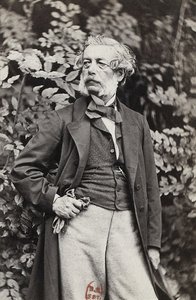
Franz Xaver Winterhalter
1805 - 1873 , Germania
Informații rapide
- Artistic Movement Or Style: Romanticism, portretizare
- Artists Or Movements Influenced By This Artist: ['Louis I, Mare Duce de Baden']
- Artists Who Influenced This Artist:
- Peter von Cornelius
- Joseph Karl Stieler
- Date Of Birth: 20 Apr. 1805
- Date Of Death: 8 July 1873
- Full Name: Franz Xaver Winterhalter
- Nationality: German
- Notable Artworks:
- Empresia Eugenie...
- Florinda
- Il dolce farniente
- Place Of Birth: Menzenschwand, Germania
Articole conexe

Franz Xaver Winterhalter: Court Painter, Academician & Embodiment of Mid-19th Century Portraiture
Explore the life & art of Franz Xaver Winterhalter, the celebrated court painter of the 19th century. Discover his exquisite portraits of royalty and aristocracy – a symbol of prestige and refined taste.

Capodopere ale Secolului al XIX-lea: 10 Lucrări de Artă Esențiale pentru Decorul Tău
Descoperă 10 capodopere ale secolului al XIX-lea! Explorează romantismul lui Delacroix, impresionismul lui Monet și realismul lui Courbet. Găsește inspirație pentru decorul tău cu reproduceri de artă de calitate muzeală pe OriginalUniqueArt.com.

Academic Art: Tradition, Technique & the Pursuit of Ideal Form in the 19th Century
Explore the world of Academic Art! Discover its history, key artists like Ingres & Bouguereau, defining techniques, and lasting influence on 19th-century painting. Learn about the Salon system and its legacy.
Academic Art: Tradition, Technique & the Rise of Modernism
Explore the rich history of Academic Art – its techniques, key masters like Bouguereau & Ingres, and influence on 19th-century painting. Discover this enduring tradition.
Top 10 Capodopere ale Realismului Academic: Artă Clasică pentru Decorul Tău
Descoperă top 10 capodopere ale Realismului Academic! Explorează poveștile din spatele picturilor lui Bouguereau, Gérôme și Cabanel. Reproduceri de artă clasică pentru un decor elegant. Vezi colecția completă pe OriginalUniqueArt.com!

