

 Vezi în context
 Trimite
 Distribuie
 Detalii
 Ghidul

 Descarcă
 Produse similare
 Radiografie
 Diaporama
 Statistici
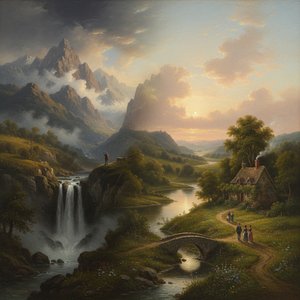
Beethoven compozând Pastorala


 Citește mai mult
Giclée / Imprimare artistică
Printuri giclée sau pe canvas de calitate muzeală, cu proces de producție rapid și opțiuni flexibile de finisare. ( Comandă pictură realizată manual Treci la imagine digitală)




P118B lei10

P118H lei10

P118W lei10

P438Z lei10

P508JH lei12

P508YH lei12

P805H lei10

P805Z lei10

P919BZ lei10

P919G lei10

P919XJ lei10

P959ZH lei10

P968JZ lei12

W106C lei8

W218G lei10

W218JH lei8

W218Y lei10

W307PJ lei10

W316G lei10

W316PJ lei8

W316Y lei10

W398PJ lei8

W4111J lei10

W500HY lei15

W500JH lei15

W692G lei12

W849H lei8

W940BG lei15

W953PJ lei8




Alegeți dintre dimensiunile noastre prestabilite, care respectă proporțiile originale ale operei de artă.

Introduceți lățimea și înălțimea de care aveți nevoie, pentru a se potrivi ramei sau peretelui dumneavoastră. O printare poate fi doar tăiată, niciodată extinsă dincolo de dimensiunea imaginii originale, astfel încât o dimensiune cu o formă diferită va pierde o parte din imagine. Vă trimitem o simulare digitală pentru aprobare înainte de a imprima orice. Imaginea afișată pe această pagină nu prezintă tăierea reală — doar simularea arată acest lucru.
Livrare în întreaga lume () în 2 săptămâni, în loc de cele 4/5 săptămâni standard. (24 Octombrie)

Livrare expres gratuită la nivel mondial

Pânză de in premium

Asigurare completă pentru transport

Garanție de rambursare a taxelor vamale

Garanția fidelității culorilor

Politica de retur în 100 de zile (doar pentru defecte)

Garanție de rambursare 100%

Reducere pentru comenzi multiple
 Opțiunea cu sticlă este disponibilă doar pentru dimensiuni de sub 110 cm

Beethoven compozând Pastorala
Giclée / Imprimare artistică
Dimensiune reproducere
-


Preț total
lei 371
Beethoven composing the Pastoral Symphony
Caspar David Friedrich’s “Beethoven composing the Pastoral Symphony” isn't merely a depiction of a man sketching by a river; it’s an embodiment of Romantic idealism distilled onto canvas, capturing a profound moment of artistic contemplation amidst the majesty of nature. Painted in 1839, this aquatinta etching after Franz Hegi’s drawing delves into themes of spirituality and solitude—concepts central to Friedrich's artistic philosophy and profoundly influential on subsequent generations of artists. The Artist’s Vision Franz Hegi (1774-1850), a Swiss landscape painter, meticulously recreated Beethoven’s scene from memory, prioritizing emotional resonance over photographic accuracy. Born in Lausanne, Friedrich’s life was marked by considerable personal hardship—the premature deaths of his mother and brother instilled within him an enduring sensitivity to mortality and loss—influences that permeate his oeuvre. He initially pursued architectural studies but swiftly abandoned them for painting, recognizing its capacity to convey intangible feelings and ideas. His formative encounters with Dutch masters like Jacob van Ruisdael and Jan Vermeer instilled in him a masterful understanding of light and atmosphere, mirroring the Romantic preoccupation with capturing subjective experience within landscapes. This dedication to conveying emotion—rather than simply representing visual reality—defines Friedrich’s artistic approach. A Landscape Steeped in Symbolism The composition itself is deliberately understated yet powerfully suggestive. Beethoven sits on the riverbank, legs crossed, holding a sheet of paper – a gesture indicative of creative endeavor and focused concentration. Surrounding him are trees laden with foliage, creating a dense, verdant backdrop that contrasts sharply with the muted tones of the water and sky. The distant mountain range serves as a monumental reminder of nature’s immensity and permanence. These elements aren't presented in isolation; they function collectively to evoke a feeling of sublime awe—a sensation championed by Romantic thinkers like Edmund Burke who argued that confronting overwhelming beauty could inspire terror and reverence simultaneously. Friedrich skillfully employs atmospheric perspective, blurring distant features to heighten the sense of depth and distance, mirroring the Romantic fascination with exploring the boundaries between human perception and the natural world. Technique and Style Hegi’s aquatinta etching technique—a process involving layering translucent ink onto a copper plate—allowed for exceptional tonal gradations and subtle nuances of color. This meticulous approach reflects Friedrich's unwavering commitment to capturing the essence of his subject matter, prioritizing mood and feeling over precise detail. The resulting image possesses an ethereal quality, reminiscent of Turner’s landscapes—another Romantic artist who similarly sought to convey the sublime through dramatic lighting and atmospheric effects. Unlike Neoclassical art’s emphasis on rationality and clarity, Friedrich's style prioritizes intuition and emotion, inviting viewers to contemplate profound questions about existence and humanity’s relationship with the cosmos. Historical Context “Beethoven composing the Pastoral Symphony” emerged during a pivotal moment in European artistic history—the Romantic movement. This era witnessed a rejection of Enlightenment ideals and a renewed appreciation for imagination, emotion, and individualism. Friedrich's work aligns perfectly with this broader cultural shift, embodying the Romantic conviction that art should serve as a conduit for spiritual experience and contemplation. The painting’s enduring appeal lies in its ability to resonate across time periods, prompting viewers to consider timeless themes of solitude, beauty, and the sublime—themes that continue to inspire artists and audiences alike.- Artist: Franz Hegi
- Date Created: 1839
- Medium: Aquatinta etching
- Location: Zurich
Întrebări și răspunsuri
Cât de cunoscută este opera „Beethoven compozând Pastorala” de Franz Hegi?
"Beethoven compozând Pastorala" este clasificată ca Iconice.
Unde ar trebui expusă o reproducere a "Beethoven compozând Pastorala" de Franz Hegi?
Formatul Format portrait al operei "Beethoven compozând Pastorala" de Franz Hegi este recomandat pentru o Living Room. Formatul și spațiul împreună ghidează amplasarea unei reproduceri.
Cum este descrisă paleta de culori din "Beethoven compozând Pastorala" de Franz Hegi?
Paleta lui "Beethoven compozând Pastorala" de Franz Hegi este descrisă ca fiind Culori neutre. Aceasta reprezintă o descriere concisă a culorilor lucrării.
Biografie artist
A Master of Line and Light
The artistry of Franz Hegi resides in the delicate intersection of precision and atmosphere, a realm where the etched line breathes life into the landscapes of Switzerland. Born in Lausanne, Switzerland, Hegi’s journey was one of movement and apprenticeship, shaped by the rich traditions of European printmaking. His early years were marked by a profound connection to the craft, beginning with an apprenticeship under the etcher Matthias Pfenninger. It was here that he mastered the nuanced technique of aquatint, a method capable of producing tonal gradations that mimic the soft washes of watercolor, allowing him to capture the ephemeral qualities of light and shadow across the Swiss terrain.
As his talent matured, Hegi’s work became an essential visual chronicle of his era. His movements through Basel and eventually back to Zürich allowed him to immerse himself in the cultural fabric of these regions. Working alongside figures such as the painter and publisher Peter Birmann, Hegi developed a keen eye for the architectural soul of Swiss towns and the intricate details of local costume. His prints were not merely aesthetic objects but historical documents, capturing the essence of Swiss architecture and the dignity of traditional dress with an almost ethnographic devotion.
The Chronicles of Zürich and Beyond
Hegi’s creative output reached a particular zenith through his dedication to documenting the cultural and historical substance of Zürich. His work often transcended simple landscape depiction, venturing into the realm of historical subjects and the preservation of memory. Through his etchings and aquatints, he brought to life the stories embedded in the city's monuments and its very streets. This passion for detail extended to his collaborations, such as his studies of the Codex Manesse, where he sought to honor the deep historical roots of the region.
The breadth of his technical skill is evident in the variety of his subjects:
- Landscape Views: Capturing the serene and rugged beauty of the Swiss countryside through masterful tonal control.
- Architectural Studies: Providing a detailed visual record of Swiss buildings and urban structures, particularly within Zürich.
- Costume Depictions: Documenting the intricate textures and cultural significance of traditional attire.
- Historical Illustrations: Contributing to almanacs, literary works, and publications like the Helvetischer Almanach, ensuring that history remained visually accessible to the public.
Beyond his individual prints, Hegi’s legacy is woven into the very fabric of Swiss visual heritage. His ability to blend the technical rigor of engraving with a romantic sensibility for nature ensured that his works would find a permanent home in prestigious institutions, including the Swiss National Library and the Kunsthaus Zürich. Through his meticulous hand, the landscapes and histories of his homeland were preserved, rendered in a timeless language of ink and light that continues to resonate with those who seek the true spirit of Switzerland.

Franz Hegi
1774 - 1850 , Switzerland
Informații rapide
- Artistic Movement Or Style: Aquatint, engraving, and etching
- Artists Who Influenced This Artist: ['Matthias Pfenninger']
- Full Name: Franz Hegi
- Nationality: Swiss
- Notable Artworks:
- Views of Swiss landscapes
- Swiss architecture and costume studies
- Place Of Birth: Lausanne, Switzerland
- Date Of Birth: 1774
- Date Of Death: 1850
Articole conexe

Peisaje Romantice Iconice: 10 Capodopere Artistice pentru Decorul de Lux
Descoperă 10 capodopere romantice iconice de Caspar David Friedrich, Turner și alți maeștri. Explorează istoria artei, emoțiile din peisaje și găsește tablouri canvas perfecte pentru decorul tău pe OriginalUniqueArt.com!

The Sublime and the Picturesque: Exploring Emotion & Nature in Romantic Landscape Painting
Explore the emotional power of Romantic landscape painting! Discover the sublime & picturesque traditions, key artists like Friedrich & Cole, and find your perfect artwork at OriginalUniqueArt.

Evocations of Place: A Historical Journey Through Landscape Art
Explore the rich history of landscape art with OriginalUniqueArt. Discover renowned artists, movements like Impressionism & Romanticism, and expert guidance for collecting timeless pieces. Find your perfect serene escape today!
The Sublime and the Picturesque: Exploring Emotion & Nature in Romantic Landscape Painting
Explore the emotional power of Romantic landscape painting! Discover the sublime & picturesque aesthetics, key artists like Friedrich & Cole, and lasting influence on art history. Find your perfect piece at OriginalUniqueArt.

John Constable: Cele Mai Frumoase 25 de Capodopere – Artă Clasică pentru Decorul Casei Tale
Descoperă cele mai frumoase 25 de picturi ale lui John Constable, maestru al peisajului englezesc! Explorează stilul romantic, Dedham Vale și capodopere precum The Hay Wain. Reproduceri artă clasică pentru decorul casei tale – OriginalUniqueArt.com.
