Vezi în context
 Trimite
 Distribuie
 Detalii
 Ghidul

 Descarcă
 Produse similare
 Radiografie
 Diaporama
 Statistici
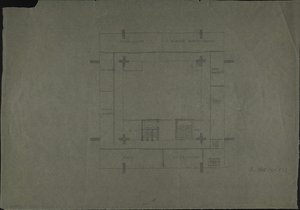
The new city is built on labour... (Design for competition Dresden)
 Acrylic
- WallArt
- German Expressionism
 1952
1952- Modern
 46.0 x 47.0 cm
 Bauhaus Dessau Foundation
 Citește mai mult
Giclée / Imprimare artistică
Printuri giclée sau pe canvas de calitate muzeală, cu proces de producție rapid și opțiuni flexibile de finisare. ( Comandă pictură realizată manual Treci la imagine digitală)




P118B $10

P118H $10

P118W $10

P438Z $10

P508JH $12

P508YH $12

P805H $10

P805Z $10

P919BZ $10

P919G $10

P919XJ $10

P959ZH $10

P968JZ $12

W106C $8

W218G $10

W218JH $8

W218Y $10

W307PJ $10

W316G $10

W316PJ $8

W316Y $10

W398PJ $8

W4111J $10

W500HY $15

W500JH $15

W692G $12

W849H $8

W940BG $15

W953PJ $8




Alegeți dintre dimensiunile noastre prestabilite, care respectă proporțiile originale ale operei de artă.

Puteți introduce propriile dimensiuni pentru a se potrivi unui anumit cadru sau spațiu. Dacă dimensiunea selectată nu corespunde proporțiilor imaginii originale, vom decupa lucrarea de artă sau vom extinde imaginea cu margini oglindite sau cu o culoare uniformă. Un mockup digital va fi trimis pentru aprobarea dumneavoastră înainte de începerea producției.
Vă rugăm să rețineți că previzualizarea de pe ecran nu reflectă decuparea sau extinderea reală. Doar mockup-ul va arăta cu exactitate compoziția finală.
Deși dimensiunile personalizate sunt disponibile, vă recomandăm să selectați o dimensiune din lista predefinită pentru a păstra proporțiile originale.
Livrare în întreaga lume () în 2 săptămâni, în loc de cele 4/5 săptămâni standard. (26 Septembrie)

Livrare expres gratuită la nivel mondial

Pânză de in premium

Asigurare completă pentru transport

Garanție de rambursare a taxelor vamale

Garanția fidelității culorilor

Politica de retur în 100 de zile (doar pentru defecte)

Garanție de rambursare 100%

Reducere pentru comenzi multiple
 Opțiunea cu sticlă este disponibilă doar pentru dimensiuni de sub 110 cm

The new city is built on labour... (Design for competition Dresden)
Giclée / Imprimare artistică
Dimensiune reproducere
-


Preț total
$ 80
A Vision Forged in Labor: Franz Ehrlich’s “The New City is Built on Labour…”
Franz Ehrlich's 1952 sketch, "The New City is Built on Labour...", isn’t merely a design proposal for a competition in Dresden; it’s a poignant testament to post-war reconstruction and the enduring spirit of a city striving to rebuild itself. Captured with a restrained graphite palette against aged paper, the image possesses an immediate intimacy – as if we've stumbled upon a forgotten blueprint, imbued with the hopes and anxieties of a nation grappling with its past. The drawing depicts a meticulously planned urban landscape, dominated by a central train station flanked by buildings rising towards a clear sky, all anchored by a network of roads and pathways. A prominent locomotive suggests progress and connectivity, while figures – rendered subtly within the composition – hint at the human effort underpinning this ambitious vision.
Ehrlich’s work is deeply rooted in the Bauhaus movement, yet transcends its formal tenets. The influence of geometric precision is evident in the simplified forms of the buildings, reminiscent of Walter Gropius' designs. However, there’s a distinct emotionality present, a sense of melancholy and quiet determination that speaks to the challenges faced by Germany following World War II. The muted tones – primarily shades of grey, accented with hints of brown and ochre – evoke the somber atmosphere of a city scarred by conflict, while simultaneously conveying a profound respect for the materials and the process of construction.
A Master’s Hand: Technique and Materials
Examining the drawing closely reveals Ehrlich's masterful technique. He employs a sophisticated range of hatching and cross-hatching to build up tonal values and create a remarkable sense of depth and texture. The varying line weights – from delicate, almost imperceptible strokes defining fine details to bolder lines delineating larger forms – contribute significantly to the image’s dynamism. The paper itself bears witness to the artist's hand; subtle creases and discoloration suggest years spent in careful consideration and execution. It’s a tangible connection to the creative process, reminding us that art is not simply about finished products but also about the journey of creation.
The choice of graphite as the medium is particularly significant. Graphite offers a remarkable degree of control, allowing Ehrlich to capture both the sharp edges of architectural forms and the softer nuances of human figures. Its ability to create subtle gradations of tone lends itself perfectly to conveying mood and atmosphere – essential elements in this evocative composition. The drawing’s scale—46 x 47 cm— invites close scrutiny, encouraging viewers to appreciate the intricate details and the artist's deliberate choices.
Historical Context: Reconstruction and Remembrance
To fully understand “The New City is Built on Labour…”, it’s crucial to consider its historical context. Created in 1952, shortly after World War II, the drawing reflects Dresden’s arduous process of rebuilding. The city had been almost entirely destroyed by Allied bombing raids, leaving behind a devastated landscape and a shattered population. Ehrlich's design wasn’t just about creating a new urban space; it was about symbolizing hope and renewal – a deliberate act of defiance against the destruction that had ravaged his homeland.
The title itself is profoundly symbolic, underscoring the central role of labor in this reconstruction effort. It speaks to the countless hours spent by workers rebuilding homes, infrastructure, and lives. Furthermore, the inclusion of a train station highlights Dresden’s reconnection with the wider world – a vital step towards economic recovery and cultural exchange. The drawing serves as a powerful reminder of the resilience of the human spirit in the face of adversity.
A Legacy of Vision: Symbolism and Emotional Resonance
Beyond its technical merits, “The New City is Built on Labour…” resonates deeply with viewers due to its inherent symbolism. The train station represents progress and connection, while the figures within the composition embody the collective effort required for rebuilding. The overall mood is one of quiet determination – a sense that despite the devastation, Dresden was determined to forge a new future.
Ehrlich’s work transcends mere architectural design; it's a visual meditation on memory, loss, and hope. It invites us to contemplate the challenges faced by communities rebuilding after conflict and to appreciate the enduring power of human creativity in shaping our world. Reproductions of this compelling sketch offer a valuable window into a pivotal moment in German history, allowing us to connect with the past while celebrating the spirit of innovation and resilience that continues to define Dresden today.
Biografie artist
tinspre viața și educația
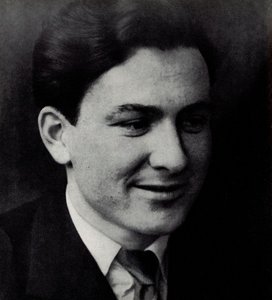
Franz Ehrlich, un arhitect, caligraf și designer grafic german renumit, a născut în 1907. Anii sale formativi au fost marcați de o inclinație înnăscută pentru arte, care l-au îndreptat spre studierea la Bauhaus din Dessau între anii 1927 și 1930. Această instituție prestigioasă a jucat un rol esențial în modelarea perspectivei artistice a lui Ehrlich, introducându-l în mișcările avangardiste ale epocii.cariera artistică și afilierea comunistă
Afilierea lui Ehrlich cu Partidul Comunist a avut un impact profund asupra vieții și carierei sale. În 1935, a fost arestat și închis de regimul nazist, un eveniment care i-a schimbat semnificativ traiectoria urmăririlor sale artistice. În ciuda acestor provocări, Ehrlich a continuat să contribuie la lumea artei, lăsând în urmă o moștenire atât inspiratoare, cât și profund stimulatoare de gândire.opere notabile
Printre cele mai remarcabile opere ale lui Ehrlich se numără:- 800 yrs. das buch [cartea]. plan și vederi (standuri de expoziție, târgul Leipzig), un tribut abordării sale inovatoare în design și arhitectură.
- execuția casei prof. dr. Baumann (plan de fundație), care demonstrează expertiza sa în planificarea arhitecturală.
- 1933 (proiect de publicitate foto-sculptural), un amestec unic de fotografie și sculptură, care subliniază natura sa experimentală.
muzee și colecții care prezintă operele lui Ehrlich
OriginalUniqueArt.com găzduiește o colecție vastă de opere ale lui Ehrlich, incluzând cele menționate mai sus. Și fondul Bauhaus Dessau (Dessau-Roßlau, Germania) este un depozit important al eforturilor sale artistice.moștenirea și impactul
Contribuțiile lui Franz Ehrlich la lumea artei sunt multifacete, reflectând gama sa largă de interese și talente. Experiențele sale, atât în mod creativ, cât și personal, oferă perspective valoroase asupra intersecției dintre artă și politică într-un moment crucial din istoria germană.- vezi mai multe opere ale lui Ehrlich la https://OriginalUniqueArt.com/@/franz-ehrlich
- explorează fondul Bauhaus Dessau și colecția sa la fondul Bauhaus Dessau (Dessau-Roßlau, Germania)
Franz Ehrlich
1907 - 1984 , Germania
Informații rapide
- Artistic Movement Or Style: Bauhaus, Expresionism
- Artists Or Movements Influenced By This Artist:
- Bauhaus
- Liga Communistă Tânără
- Artists Who Influenced This Artist:
- Walter Gropius
- Moholy-Nagy
- Klee
- Joost Schmidt
- Date Of Birth: 1907
- Date Of Death: 1984
- Full Name: Franz Ehrlich
- Nationality: German
- Notable Artworks:
- PERETE STRUCTURAL 800 ANI 3
- Fără Titlu (HKB I sau II)
- Pictură cu Violon
- Place Of Birth: Reuth, Germania
Articole conexe
Urban Visions: A Historical & Artistic Exploration of the Cityscape in Painting
Explore the evolution of cityscape painting from historical maps to Impressionist masterpieces. Discover artists like Caillebotte & Utrillo. Find museum-quality reproductions at OriginalUniqueArt.
Concrete Visions: Exploring Representations of Urban Life in Modern & Contemporary Art
Explore the evolution of cityscape painting from Realism to contemporary art. Discover key artists & invest in timeless urban visions with OriginalUniqueArt's expert guidance and museum-quality reproductions.

Concrete Visions: Exploring the Urban Landscape in Painting – From Realism to Contemporary Art
Explore the evolution of cityscape painting from Realism to contemporary art with OriginalUniqueArt. Discover key artists & invest in timeless urban visions. Expert guidance, museum-quality reproductions.
Concrete Narratives: Exploring Urban Life in Modern & Contemporary Art
Explore the evolution of cityscape painting with OriginalUniqueArt. Discover key artists from Realism to contemporary movements & invest in timeless urban visions. Expert guidance, museum-quality reproductions.
The Eloquent Line: Exploring the Artistic Significance of Sketches Across Movements and Media
Explore the profound artistic significance of sketches throughout history. From Renaissance masters to modern innovators like Van Gogh & Guston, discover how these foundational works reveal technique, emotion, and vision. Learn more at OriginalUniqueArt.