

 Previzualizare
 Trimite prin felicitare
 Distribuie
 Detalii despre lucrare
 Ghid
Ghid

 Descarcă imaginea
 Produse similare
 Radiografie
 Galerie foto
 Q&A
Q&A Statistici
Duet
 Oil
Oil- WallArt
- Dutch Golden Age
 1658
1658- Early Modern
 31.0 x 24.0 cm
 Staatliches Museum
 Vezi mai mult
Obțineți un fișier gata de imprimare care depășește cu mult calitatea previzualizării web. Fiecare imagine digitală pe care o vindem provine dintr-un master de înaltă rezoluție din baza noastră de date — având, de regulă, o lățime între 5.000 și 15.000 de pixeli — astfel încât să puteți printa în format mare, să decupați strâns sau să reproduceți detalii fine cu încredere.
Niciun fișier nu părăsește studioul nostru fără să fie tratat. Un expert digital verifică nuanțele de culoare în raport cu pictura originală și le corectează acolo unde este necesar, apoi îmbunătățește claritatea și detaliile folosind instrumente profesionale de retușare — rămânând întotdeauna fidel gestului pictural și stilului artistului. Rezultatul este o imagine care seamănă cu tabloul propriu-zis, nu cu o scanare filtrată.
Aprobați înainte de finalizare: expertul nostru vă va trimite imaginea prin e-mail în termen de 72 de ore pentru revizuire. Nu sunteți mulțumit? Solicitați îmbunătățiri sau corecturi, ori cereți o restituire a plății dacă calitatea nu este pe măsura așteptărilor.
Aceasta este calitatea pe care se bazează editorii, studiourile de design, galeriile și tipăriturile.
Imagine Digitală
Descărcați un fișier la rezoluție înaltă pentru afișare personală, imprimare și proiecte creative. ( Comută pe versiunea Print Comandă pictură realizată manual)
Inclus în fiecare comandă de imagini digitale
Livrare digitală de expertiză, garantată
Când alegeți OriginalUniqueArt.com, nu primiți doar o simplă imagine – primiți o operă de artă digitală îmbunătățită profesional, creată cu precizie și susținută de o garanție de satisfacție. Iată tot ceea ce primești odată cu comanda ta, în mod automat:

Livrare rapidă prin e-mail
Fișierul imaginii digitale la rezoluție înaltă vă va fi trimis prin e-mail în termen de 72 de ore de la finalizarea comenzii – gata pentru utilizare imediată.

Fișier digital optimizat prin IA
Opera ta de artă este optimizată profesional prin intermediul unor instrumente AI avansate și al editării manuale, asigurând un nivel maxim de detalii, claritate și acuratețe a culorilor.

Retransmitere gratuită pe viață
Ai șters sau ai pierdut din greșeală fișierul? Nu îți face griji – ți-l vom retrimite oricând, gratuit.

Fără taxe de import – Întotdeauna
Bucură-te instant de noua ta operă de artă, fără taxe vamale, taxe de import sau costuri de livrare – descărcările digitale sunt întotdeauna fără taxe.

Garanția acurateții culorilor
Asigurăm o reflectare cât mai fidelă a culorilor originale în imaginea ta digitală, prin utilizarea unor instrumente profesionale și a proceselor de gestionare a culorii.

Garanție de satisfacție de 100 de zile
Dacă nu sunteți mulțumit de imaginea digitală achiziționată, o vom revizui sau vă vom returna 100% în termen de 100 de zile – fără nicio întrebare.

Garanție de returnare 100% a banilor
Nu ești mulțumit? Primești rambursarea integrală în termen de 100 de zile de la primirea fișierului digital – fără nicio întrebare.

Reduceri pentru comenzi în volum
Cumpără 3 imagini, economisește 10% - Cumpără 5, economisește 15% - Cumpără 10+, economisește 20%. Ideal pentru proiecte creative, galerii și agenții.
A Symphony of Light and Detail
In the quiet intimacy of a seventeenth-century Dutch interior, Frans van Mieris the Elder captures a moment of profound musical connection in his masterpiece, Duet. This exquisite work serves as a quintessential example of the fijnschilder style, a technique where the artist’s brushwork becomes nearly invisible, leaving behind only the breathtaking reality of texture and light. As we gaze upon the scene, we are transported to an era of refined elegance, where the soft glow of candlelight or filtered daylight dances across the polished wood of a harpsimchord and the rich, crimson folds of a lady's gown. The painting is not merely a depiction of a musical performance; it is a sensory experience that invites the viewer to hear the delicate pluck of strings and feel the hushed reverence of the room.
The composition centers on a woman lost in the rhythmic flow of her music, her posture poised and graceful. Beside her, a companion watches with an intensity that suggests a shared emotional resonance, creating a silent dialogue between the performers. The inclusion of a small dog, resting loyally at their feet, adds a layer of domestic warmth and symbolizes fidelity, grounding the sophisticated atmosphere in a sense of home and heart. Every element, from the delicate lace of a collar to the subtle sheen on the musical score, is rendered with a precision that speaks to Van Mieris’s mastery of the Leiden school, making this piece a jewel of the Dutch Golden Age.
Historical Elegance for the Modern Collector
To possess a reproduction of Duet is to bring a piece of history into the contemporary living space. Created in 1658, during the height of the Dutch Golden Age, this work reflects the prosperity and cultural sophistication of the Netherlands. During this period, artists like Van Mieris were celebrated for their ability to elevate genre scenes—everyday moments of life—into high art through unparalleled technical virtuosity. For the discerning interior designer, this painting offers a timeless focal point that complements both classical and modern decor. Its rich palette of deep reds, warm ambers, and soft shadows provides a sophisticated anchor for a room, evoking a sense of luxury and intellectual depth.
Beyond its aesthetic appeal, the painting serves as an emotional sanctuary. In an age of digital noise, the stillness captured in Duet offers a meditative quality that can transform the atmosphere of any gallery or private residence. It is a celebration of the fine arts, the beauty of domesticity, and the enduring power of human connection. Whether displayed in a sunlit study or a formal dining room, this work continues to inspire awe, reminding us of the meticulous beauty that can be found in life's most quiet, harmonious moments.
Întrebări și răspunsuri
Ce loc ocupă "Duet" de Frans van Mieris în istoria artei?
"Duet" de Frans van Mieris aparține mișcării Dutch Golden Age, din perioada Early Modern. Împreună, acestea conferă operei locul său în istoria artei.
Ce culori domină în "Duet" de Frans van Mieris?
„Duet” este definit de o paletă Earthy, dominată de culoarea Phthalo Green (#301e1f).
Ce reprezintă "Duet" de Frans van Mieris și ce atmosferă transmite?
"Duet" de Frans van Mieris îmbină portrait, harpsichord, music, dutch golden age, 17th century, elegant scene, fijnschilder cu o atmosferă Elegant.
Biografie artist
O via imersă în detalii: Lumea lui Frans van Mieris cel Bătrân
Frans van Mieris cel Bătrân, un nume sinonim cu detaliul meticulos și o măiestrie rafinată, ocupă o poziție de o importanță remarcabilă în cadrul Secolului de Aur olandez. Născut în Leiden în 1635, calea sa a divergent de tradiția de familie a aurarului — o meserie practicată de tatăl său, Jan Bastiaensz van Mieris — către lumea captivantă a picturii. Această înclinație timpurie pentru desen a pregătit terenul pentru o carieră ce avea să definească stilul „fijnschilder” și să ofere o privire intimă asupra societății olandeze din secolul al XVII-lea. Formarea sa inițială sub îndrumarea lui Abraham Toorenvliet, urmată de instruirea crucială oferită de estimatul Gerrit Dou, a pus o fundație solidă pe care și-a construit vocea artistică distinctivă. Acești ani formativi i-au insuflat nu doar o abilitate tehnică de excepție, ci și o profunză apreciere pentru nuanțele narative și puterea observației subtile.Ascensiunea unui „Fijnschilder”
Van Mieris a devenit rapid celebrat ca un maestru al stilului fijnschilder — un termen olandez care desemnează „pictura fină”. Această tehnică era caracterizată printr-o atenție aproape obsesivă la detalii, prin pământuiri fine și lustruite ale pensulei și printr-o preferință pentru pânze de mici dimensiuni. Nu era vorba doar despre replicarea realității, ci despre elevarea acesteia printr-o precizie meticuloasă. Suprafețele din picturile sale par să strălucească de viață – luciozitatea satinului, textura delicată a catifelei, sclipirea metalului — toate fiind randate cu o acuratețe uimitoare. El nu picta pur și simplu o încăpere; el recrea însăși atmosfera din interiorul ei, invitând privitorii în scene de domesticitate și afluență. Subiectele sale se învârteau adesea în jurul vieții celor bogați: adunări elegante, interioare elaborate, portrete care surprindeau nu doar asemănarea fizică, ci și caracterul subiectului. Motive recurente, precum prânzurile cu stridii, medicii care consultă pacienții și femeile ocupate în activități cotidiene, ofere ferestre către obiceiurile și ritualurile sociale ale claselor superioare. Deși inițial a fost puternic influențat de stilul lui Gerrit Dou, Van Mieris și-a dezvoltat treptat propria abordare unică. El s-a îndepărtat de abundența excesivă de detalii către o mai mare accentuare a interacțiunii dintre figuri și a narațiunilor ce se desfășoară în compozițiile sale. Lucrările sale ulterioare prezintă uneori calități tonale mai întunecate comparativ cu paletele mai luminoase ale picturilor timpurii, reflectând o maturitate crescută și o explorare artistică profundă.Opere Semnative și Moștenire Eternă
Mai multe opere cheie stau ca mărturii ale îndemânării și stilului evolutiv al lui Van Mieris. Doctor's Visit (Vizita doctorului, 1657), considerată una dintre cele mai timpurii și importante piese datate ale sale, demonstrează independența sa emergentă față de influența lui Dou. Tabloul este o lecție magistrală în capturarea tensiuni tăcute a unui examen medical, randat cu un nivel uimitor de realism. Self-Portrait with a Cittern (Autoportret cu o citternă) este la fel de convingător, demonstrând capacitatea sa de a picta ținute opulente, transmițând în același timp un sentiment de personalitate și introspecție. Portrait of the Artist's Wife, Cunera van der Cock (Portretul soției artistului, Cunera van der Cock) exemplifică măiestria sa în portretură, evidențiind atât abilitatea tehnică, cât și înțelegerea chiaroscuro — jocul dramatic al luminii și umbrei. Dincolo de scenele de gen și portrete, Van Mieris a explorat și pictura alegorică, precum cele care depind viciile precum băutura, fumatul și jocul de noroc, demonstrând amploarea capacităților sale artistice. Impactul lui Frans van Mieris s-a extins mult dincolo de propria sa existență. Influența sa a răsunat în cadrul familiei sale; fiul său Willem van Mieris (1662–1747) și nepotul său Frans van Mieris cel Tânăr (1689–1763) au devenit ambii pictori de gen realizați, continuând tradiția artistică. Popularitatea stilului său a dat naștere și numeroșilor imitatori, cel mai notabil fiind A. D. Snaphaan, care a activat în Leipzig și a beneficiat de patronajul curții din Anhalt-Dessau.O Contribuție Durabilă la Arta Olandeză
Frans van Mieris a jucat un rol esențial în modelarea mișcării fijnschilder în cadrul picturii Secolului de Aur olandez. Devotamentul său pentru detaliul meticulos, reprezentările realiste ale vieții de zi cu zi și ale societății înalte, precum și strălucirea tehnică, au contribuit semnificativ la o eră deja renumită pentru inovația sa artistică. A beneficiat de patronajul unor figuri proeminente, inclusiv Arhiducul Leopold și Cosimo III de' Medici, o dovadă a recunoașterii internaționale a talentului său. Chiar și astăzi, operele sale continuă să captiveze publicul prin măiestria lor excepțională și prin portretizarea perspicace a culturii secolului al XVII-lea. Furtul unui autoportret din Art Gallery of New South Wales din Sydney servește ca un memento emoționant al valorii și atractivității durabile a artei sale — o moștenire care continuă să inspire și să intrigue colecționarii și iubitorii de artă deopotrivă. Picturile sale nu sunt doar artefacte istorice; ele sunt ferestre către o epocă apusă, create cu o grijă minuțioasă și îmbibate de o frumusețe atemporală.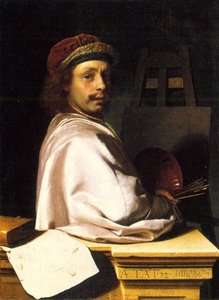
Frans van Mieris
1635 - 1681 , Olanda
Detalii rapide
- Artistic Movement Or Style: Fijnschilder
- Artists Or Movements Influenced By This Artist: ['Dutch Golden Age']
- Artists Who Influenced This Artist: ['Gerrit Dou']
- Date Of Birth: Leiden, 1635
- Date Of Death: Leiden, 1681
- Full Name: Frans Jansz. van Mieris
- Nationality: Nederlands
- Notable Artworks:
- Doctor's Visit
- Self-Portrait with a Cittern
- Place Of Birth: Leiden, Niederlande