
 Previzualizare
 Trimite prin felicitare
 Distribuie
 Detalii despre lucrare
 Ghid
Ghid

 Descarcă imaginea
 Produse similare
 Radiografie
 Galerie foto
 Întrebări și răspunsuri
 Statistici
The Lioness

- 111.0 x 198.0 cm


 Vezi mai mult
Giclée / Imprimare artistică
Printuri giclée sau pe canvas de calitate muzeală, cu proces de producție rapid și opțiuni flexibile de finisare. ( Comandă pictură realizată manual Comută pe Imagine Digitală)




P118B lei10

P118H lei10

P118W lei10

P438Z lei10

P508JH lei12

P508YH lei12

P805H lei10

P805Z lei10

P919BZ lei10

P919G lei10

P919XJ lei10

P959ZH lei10

P968JZ lei12

W106C lei8

W218G lei10

W218JH lei8

W218Y lei10

W307PJ lei10

W316G lei10

W316PJ lei8

W316Y lei10

W398PJ lei8

W4111J lei10

W500HY lei15

W500JH lei15

W692G lei12

W849H lei8

W940BG lei15

W953PJ lei8




Alegeți dintre dimensiunile noastre prestabilite, care respectă proporțiile originale ale operei de artă.

Introduceți lățimea și înălțimea necesare pentru a se potrivi ramei sau peretelui dumneavoastră. O printare poate fi doar tăiată, niciodată extinsă dincolo de dimensiunea imaginii originale, astfel încât o dimensiune cu o formă diferită va pierde o parte din imagine. Vă trimitem o simulare digitală pentru aprobare înainte de a imprima orice. Imaginea afișată pe această pagină nu prezintă tăierea reală — doar simularea arată acest lucru.
Livrare în întreaga lume () în 2 săptămâni, în loc de cele 4/5 săptămâni standard. (5 Noiembrie)

Livrare expres gratuită la nivel mondial

Pânză de in de înaltă calitate

Asigurare completă pentru transport

Garanție de rambursare a taxelor vamale

Garanția fidelității culorilor

Politica de retur în 100 de zile (doar pentru defecte de fabricație)

Garanție de rambursare 100%

Ofertă pentru comenzi multiple
 Opțiunea cu sticlă este disponibilă doar pentru dimensiuni de sub 110 cm

The Lioness
Giclée / Imprimare artistică
Dimensiune reproducere
-


Preț total calculat
lei 385
A Moment of Primal Serenity
In the grand theater of the Flemish Baroque, where drama often erupts in violent clashes of predator and prey, Frans Snyders offers us a rare, breathtaking pause. The Lioness is not merely a study of wildlife; it is an intimate encounter with the quietude that exists even within the most formidable of creatures. As we gaze upon this oil on canvas, we find ourselves transported to a rugged, sun-drenched landscape where time seems to have slowed to the rhythm of a resting breath. The lioness lies draped across the earth, her powerful frame relaxed, her mouth slightly parted in a state of profound repose. This is not the ferocity of the hunt, but the heavy, peaceful slumber of a queen at rest, inviting the viewer into a shared moment of stillness.
The composition masterfully balances the weight of the subject with the airy expanse of its environment. Snyders utilizes a naturalistic backdrop of weathered rocks and parched earth to ground the scene in a tangible reality. Scattered throughout this terrain, small birds and subtle hints of distant wildlife flicker like living punctuation marks against the landscape, adding layers of life and movement to the periphery of our focus. This careful arrangement creates a sense of immense depth, drawing the eye from the textured fur of the lioness into the hazy, atmospheric reaches of the wild, making the painting feel less like a static image and more like a window into a living, breathing ecosystem.
The Mastery of Texture and Light
To behold The Lioness is to witness the pinnacle of Snyders’ technical virtuosity. The artist employs a meticulous technique that celebrates the tactile essence of the natural world. One can almost feel the coarse grit of the stones and the warmth of the sun-baked dirt beneath the predator's weight. His brushwork is nothing short of extraordinary; through subtle gradations of light and shadow, he renders the lioness’s coat with such precision that individual strands of fur catch the light, suggesting a soft, golden luster. This interplay of light—the way it grazes the curve of her flank and settles into the shadows of her resting limbs—imbues the work with a sculptural quality that is characteristic of the finest Baroque masters.
The color palette is a sophisticated symphony of earth tones. Deep umbers, warm ochres, and muted greens harmonize to create an atmosphere that feels both ancient and eternal. This restrained use of color ensures that the viewer’s attention remains fixed on the subject's physical presence and the subtle emotional shifts within the scene. For the discerning collector or interior designer, this painting offers a profound sense of organic luxury. It possesses a quiet strength that can anchor a room, providing a sophisticated focal point that speaks of elegance, natural history, and an appreciation for the untamed beauty of our world.
A Legacy of Flemish Grandeur
Frans Snyders occupied a prestigious position in the Antwerp art scene, often working alongside legends like Peter Paul Rubens. While he was celebrated for his ability to depict the chaotic abundance of market scenes and the high-stakes drama of hunting parties, The Lioness reveals a more contemplative side of his genius. It serves as a testament to his ability to find the sublime within the biological. In an era where art often sought to demonstrate power through conquest, Snyders captures power through presence.
For those seeking to bring the spirit of the Golden Age into a contemporary space, a high-quality reproduction of this masterpiece offers more than just decoration; it offers a narrative. Whether placed in a stately library, a modern study, or an elegantly appointed living area, The Lioness acts as a bridge between the historical grandeur of the 17th century and the aesthetic sensibilities of today. It is a piece that invites contemplation, sparking conversations about the delicate balance of nature and the enduring allure of the wild.
Întrebări și răspunsuri
Unde pot găsi statistici despre "The Lioness" de Frans Snyders?
Statistici despre "The Lioness" de Frans Snyders se regăsesc pe pagina Statistici a operei de artă: vizitele lunare ale acesteia, vizitele lucrărilor artistului și distribuția pe țări și limbi pentru vizitatorii recenti.
"The Lioness" de Frans Snyders este păstrat în țara de origine a artistului?
Nu – opera de artă este păstrată în străinătate. „The Lioness” face parte din colecția din Austria, în timp ce Frans Snyders s-a născut în Belgia.
Care este nuanța dominantă în "The Lioness"?
"The Lioness" tinde spre o nuanță de Golden Yellow Range.
Biografie artist
Un Maestru al Abundenței: Viața și Arta lui Frans Snyders
Frans Snyders, născut la Antwerp în 1579, ocupă o nișă unică și vibrantă în panteonul pictorilor baroci flamanzi. În timp ce nume precum Rubens și Van Dyck domină adesea discuțiile despre acea epocă, contribuția lui Snyders – o specializare uimitoare în natură moartă, pictură animalieră și scene de piață aglomerate – nu a fost deloc mai puțin semnificativă. El nu se mulțumea să reprezinte obiecte; celebra abundența, savura textura și surprindea un moment efemer de încântare pământească. Tatăl său, Jan Snijders, conducea o cârciumă populară frecventată de artiști, cufundându-l pe tânărul Frans într-o lume de energie creativă încă de la o vârstă fragedă. Acest mediu a stimulat fără îndoială înclinațiile sale artistice, și se spune chiar că renumitul pictor Frans Floris și-a risipit odată averea în acele ziduri – o anecdotă colorată care sugerează atmosfera plină de viață din jurul copilăriei lui Snyders. Și-a început ucenicia cu Pieter Brueghel cel Tânăr, asimilând lecții despre compoziție și detaliu, înainte de a-și perfecționa abilitățile sub îndrumarea lui Hendrick van Balen, care l-a mentorat și pe Anthony van Dyck. Această bază solidă i-a permis să devină maestru în cadrul Breslei Sfântului Luca din Antwerp în 1602, marcând începutul formal al carierei sale prolifice.Colaborări și Inovație: Evoluția Artistică a lui Snyders
Traiectoria artistică a lui Snyders nu a fost una de căutare solitară; colaborarea a fost esențială în practica sa. S-a afirmat rapid ca un partener căutat de artiștii importanți ai vremii, cel mai notabil fiind Peter Paul Rubens. Relația lor s-a dovedit remarcabil de fructuoasă, Snyders fiind adesea însărcinat cu pictarea animalelor și a elementelor de natură moartă din compozițiile grandioase ale lui Rubens. Pavilioanele de vânătoare Torre de la Parada din Spania stau ca o mărturie a geniulului lor combinat – Snyders executând peste șaizeci de picturi cu animale pe baza schițelor lui Rubens. Acest parteneriat nu s-a limitat doar la îndeplinirea unor comenzi; a fost un schimb dinamic de idei, propulsând ambii artiști către noi niveluri de realizare tehnică și expresivă. Dincolo de Rubens, Snyders a colaborat cu Anthony van Dyck, Jacob Jordaens și Abraham Janssens, demonstrându-și versatilitatea și adaptabilitatea. Cu toate acestea, el nu s-a limitat doar la rolul de accesoriu al acestor maeștri. A inițiat un stil distinct caracterizat prin compoziții dinamice, o redare magistrală a texturilor – de la luciul fructelor până la pielea aspră a vânatului – și un sentiment vibrant de realism care dădea viață subiecților săi. Snyders a inventat practic genul independent al naturii moarte cu animale, depășind reprezentările tradiționale ale trofeelor de vânătoare pentru a explora frumusețea inerentă și vitalitatea lumii naturale.O Festin pentru Ochi: Teme și Tehnici
Teme centrale în opera lui Snyders se învârt în jurul plăcerilor pământești – bogăția pieței, emoția vânătorii, eleganța simplă a unei cămări bine aprovizionate. Scenele sale de piață sunt deosebit de captivante, pline de figuri, coșuri revărsate și un sentiment aproape palpabil de energie. El nu se ferește să reprezinte realitățile producției alimentare; alături de fructe și legume impecabile, se pot găsi păsări ciugulite sau pești proaspăt prinși, amintind privitorilor de ciclul vieții și al susținerii. Naturile sale moarte nu sunt aranjamente statice, ci mai degrabă afișaje dinamice care par să invite la interacțiune. Snyders a posedat o abilitate extraordinară de a surprinde lumina și umbra, creând un sentiment de profunzime și volum care face ca subiecții săi să pară aproape tangibili. A folosit o pensulă liberă, picturală, în special pentru redarea blănii și a penelor, obținând un nivel remarcabil de realism fără a sacrifica expresia artistică. Cămara, de exemplu, este o vitrină uimitoare a acestei tehnici – un aranjament haotic, dar armonios, de alimente și ustensile de bucătărie scăldat într-o lumină dramatică. Atenția artistului la detalii este meticuloasă, dar nu pare niciodată prea pretențioasă; în schimb, contribuie la sentimentul general de abundență și vitalitate.Moștenirea și Influența Durabilă
Impactul lui Frans Snyders asupra dezvoltării naturii moarte și a picturii animaliere se extinde cu mult dincolo de propria sa viață. A stabilit un nou standard pentru realism și dinamism în aceste genuri, influențând generații de artiști care i-au urmat. Opera sa a deschis calea către maeștrii ulteriori precum Jean-Baptiste Oudry și François Desportes, care au perfecționat mai mult arta portretului animalier. Influența lui Snyders se poate observa și în tradiția olandeză de natură moartă din Epoca de Aur, unde artiști precum Willem Claeszoon Heda și Pieter Claesz au îmbrățișat un accent similar pe textură, lumină și compoziție. El nu a fost doar un tehnician priceput, ci și un observator perspicace al lumii naturale, capturând frumusețea și complexitatea acesteia cu o sensibilitate remarcabilă. Picturile sale continuă să captiveze publicul astăzi, oferind o privire asupra peisajului artistic vibrant din Antwerp-ul secolului al XVII-lea și amintindu-ne de puterea durabilă a artei de a celebra plăcerile simple ale vieții. Colecția sa extinsă, achiziționată de Matthijs Musson după moartea sa în 1657, a asigurat că moștenirea sa va continua să inspire artiști timp de secole.
Frans Snyders
1579 - 1657 , Belgia
Detalii rapide
- Artiști Care L-Au Influențat:
- Pieter Brueghel II
- Hendrick van Balen
- Artiști Influențați:
- Jean-Baptiste Oudry
- François Desportes
- Curent Artistic: Baroc
- Data Decesului: 1657
- Data Nașterii: 1579
- Locul Nașterii: Antwerp, Belgia
- Naționalitate: Flemish
- Nume Complet: Frans Snyders
- Opere Notabile: ['The Pantry']
Articole similare
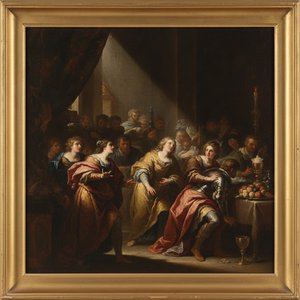
Mastering Drama & Light: A Guide to the Grandeur of Flemish Baroque Art
Explore the breathtaking drama of Flemish Baroque art. Discover how masters like Peter Paul Rubens used chiaroscuro and motion to redefine 17th-century grandeur through a sophisticated lens of history and light.

Mastering Drama and Light: A Definitive Guide to the Flemish Baroque Art Movement
Explore the dramatic brilliance of the Flemish Baroque movement. Discover how masters like Peter Paul Rubens utilized chiaroscuro and dynamic composition to redefine art history through light, shadow, and unparalleled emotion.

The Majesty of Flemish Baroque: A Definitive Guide to Drama, Color, and Grandeur in 17th-Century Masterpieces
Explore the grandeur of Flemish Baroque art. Uncover the dramatic legacy of Peter Paul Rubens and the mastery of light and color. Discover museum-grade, hand-painted oil reproductions and custom commissions at OriginalUniqueArt.com—where history meets fine craftsmanship.

25 Masterpieces by Sir Anthony van Dyck: The King of Baroque Portraiture
Immerse yourself in the elegance of Sir Anthony van Dyck. Explore 25 iconic Baroque masterpieces, from royal portraits to Flemish classics. Find inspiration for museum-quality art reproductions and timeless decor. Discover all masterpieces on OriginalUniqueArt.com.

25 Masterpieces by Sir Anthony van Dyck: The King of Baroque Portraiture
Immerse yourself in the elegance of Sir Anthony van Dyck. Explore 25 iconic Baroque masterpieces, from royal portraits to refined Flemish classics. Find inspiration for museum-quality art reproductions and luxury decor. Discover all masterpieces on OriginalUniqueArt.com.
