Meniu
CONSULTAȚIE GRATUITĂ DE ARTĂ
PrevizualizarePrevizualizare Previzualizare ARPrevizualizare AR Comandă printul Comandă printulCumpără imaginea Cumpără imaginea TrimiteTrimite
Detalii despre lucrareDetalii despre lucrare Adaugă la favorite Adaugă la favorite DescarcăDescarcă Produse similareProduse similare RadiografieRadiografie Diapozitive automateDiapozitive automate

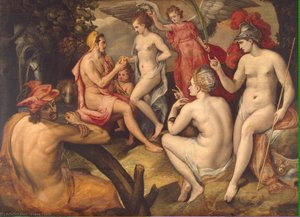
Judecata lui Paris

Judecata lui Paris de Frans Floris: O capodopera barocă impresionantă! Descoperă compoziția dinamică, texturile bogate și mitologia greacă în această pictură extraordinară.

Explore the history paintings & portraits of Frans Floris, a Flemish master influenced by Italy's Romanism movement. Discover his role in Northern Renaissance art.

Reproducere pictată manual în ulei

Pictură în ulei pe pânză, realizată manual de artiștii noștri la dimensiunea și ramele dorite de dumneavoastră, pe comandă. (Comandă printul Comandă printulCumpără imaginea Cumpără imaginea)

P118B $10
P118H $10
P118W $10
P438Z $10
P508JH $12
P508YH $12
P805H $10
P805Z $10
P919BZ $10
P919G $10
P919XJ $10
P959ZH $10
P968JZ $12
W106C $8
W218G $10
W218JH $8
W218Y $10
W307PJ $10
W316G $10
W316PJ $8
W316Y $10
W398PJ $8
W4111J $10
W500HY $15
W500JH $15
W692G $12
W849H $8
W940BG $15
W953PJ $8

Standard
personalizat
CM
INCH

Alegeți dintre dimensiunile noastre prestabilite, care respectă proporțiile originale ale operei de artă.

lățime
înălțime

Puteți introduce propriile dimensiuni pentru a se potrivi unui anumit cadru sau spațiu. Dacă dimensiunea selectată nu corespunde proporțiilor imaginii originale, vom decupa opera de artă sau vom extinde pictura cu elemente suplimentare pictate manual. O simulare digitală vă va fi trimisă pentru aprobare înainte de începerea producției.
Vă rugăm să rețineți că previzualizarea de pe ecran nu reflectă decuparea sau extinderea reală. Doar macheta va arăta cu exactitate compoziția finală.
Deși sunt disponibile dimensiuni personalizate, vă recomandăm să selectați o dimensiune din lista predefinită pentru a păstra proporțiile originale.

Exemple de elemente ce pot fi personalizate: Înlocuiți fața cu fotografia clientului; Adăugați un animal de companie (de exemplu, înlocuiți pisica cu un câine); Includeți un mesaj ascuns în fundal; Schimbați peisajul sau elementele din fundal.
După plasarea comenzii, echipa OriginalUniqueArt.com va contacta clientul prin e-mail pentru instrucțiuni și îi va furniza o previzualizare a machetei

Livrare în întreaga lume () în 3-4 săptămâni, în loc de cele 5 săptămâni standard. (30 August). Fără compromisuri în ceea ce privește calitatea.

why_choose_icon
Livrare expres gratuită la nivel mondial
why_choose_icon
Pânză de in de înaltă calitate
why_choose_icon
Asigurare completă pentru transport
why_choose_icon
Garanție de rambursare a taxelor vamale
why_choose_icon
Garanția fidelității culorilor
why_choose_icon
Politica de retur în 60 de zile (doar pentru defecte)
why_choose_icon
Garanție de rambursare 100%
why_choose_icon
Ofertă pentru comenzi multiple

Preț total

$ 400

reproduction

Judecata lui Paris

Tehnică de reproducere

Dimensiune reproducere

-

Preț total calculat

$ 400

Informații rapide

  • Artistic style: Romanist ideals
  • Location: Museum Kassel
  • Year: 1550
  • Notable elements or techniques: Dynamic composition, rich textures
  • Subject or theme: Mythology
  • Dimensions: 135 x 188 cm
  • Artist: Frans Floris

The Judgment of Paris – A Baroque Masterpiece Illuminated

“The Judgment of Paris” by Frans Floris is more than just a painting; it’s a window into the intellectual fervor of the Renaissance and a testament to Flemish artistic prowess. Executed in 1550, this monumental oil on canvas embodies the Romanist style—a fervent embrace of Italian High Renaissance ideals championed by artists like Michelangelo, Raphael, and their followers—marking a pivotal moment in Northern European art history.

The scene depicts an episode from Greek mythology: the famed contest between Hera, Athena and Aphrodite to determine who was the fairest among goddesses. Zeus intervened, appointing Paris – prince of Troy – as judge, sparking a dramatic narrative rife with desire, divine intervention, and ultimately, the genesis of the Trojan War.

  • Composition & Style: Floris’s masterful composition utilizes dynamic movement and theatrical lighting characteristic of Baroque art. The crowded canvas showcases multiple figures arranged in complex poses, guiding the viewer's eye across a carefully constructed space. Strong directional lines emphasize the drama unfolding before us, while organic shapes—flowing drapery, rounded bodies—contribute to the overall visual richness.

  • Technique: Floris’s meticulous application of oil paint demonstrates unparalleled skill. He skillfully employs blending, glazing, and scumbling techniques to achieve remarkable textural depth and luminosity. The artist's mastery is evident in the subtle gradations of color and the masterful rendering of skin tones and fabric textures.

  • Color Palette & Symbolism: Dominated by warm hues—reds, golds, browns—the palette contrasts sharply with cooler blues and greens in the background, creating an atmosphere of opulent grandeur. The figures’ skin tones range from pale beige to rosy pink, enhancing the warmth of the scene. Symbolic elements abound: the angel represents divine grace, Athena embodies wisdom and strategic prowess, while the laurel wreath signifies victory – a visual reminder of Aphrodite's triumph.

  • Historical Context: Floris’s work reflects the humanist spirit of its time, mirroring the revival of classical ideals prevalent in Europe during the Renaissance. The Romanist movement sought inspiration from Italian masters, resulting in artworks infused with grandeur and emotional intensity—a stylistic hallmark that distinguishes “The Judgment of Paris” from earlier artistic traditions.

  • Emotional Impact: Viewing “The Judgment of Paris” evokes a palpable sense of passion and drama. Floris captures the essence of human desire and divine influence, prompting contemplation on themes of beauty, judgment, and fate. It remains an enduring symbol of Renaissance artistry—a captivating portrayal of mythic grandeur.

This monumental painting resides in the Museum Kassel Heritage, showcasing the legacy of Frans Floris’s contribution to Northern Renaissance art. Its detailed depiction and masterful execution continue to inspire admiration among collectors and interior designers alike.

For more information about Frans Floris and his artistic achievements, visit WGA07945 or explore Cornelis Floris’s oeuvre.


Biografie artist

The Flemish Master of Romanism: The Life and Legacy of Frans Floris

In the vibrant, intellectual landscape of the 16th-century Low Countries, few figures loomed as large or as influential as Frans Floris. Known to history as Frans Floris the Elder, this Flemish Renaissance pioneer acted as a vital bridge between the Northern traditions of his homeland and the monumental grandeur of the Italian High Renaissance. Born in Antwerp around 1519 into a lineage of skilled craftsmen, Floris carried the weight of a family tradition rooted in stonemasonry and artistry. This heritage of precision and structural understanding would later manifest in his ability to compose massive, complex scenes that commanded the attention of both royalty and the burgeoning merchant class of Antwerp.

The trajectory of Floris’s career was irrevocably altered by his immersion in Romanism, a stylistic movement that saw Northern artists traveling to Italy to absorb the lessons of masters like Michelangelo and Raphael. Under the guidance of mentors such as Lambert Lombard, Floris developed an acute sensitivity to anatomical accuracy and the dramatic use of light and shadow. His work became a profound dialogue between Flemish meticulousness and Italian muscularity. This synthesis allowed him to move beyond mere representation, creating works that embodied the humanist ideals of his era—where classical mythology and biblical narratives were reimagable through a lens of epic scale and emotional depth.

A Tapestry of Myth and Allegory

The breadth of Floris’s oeuvre is nothing short of extraordinary, spanning monumental history paintings, intimate portraits, and intricate designs for tapestries. His mastery lay in his ability to breathe life into the ancient myths, transforming static legends into dynamic, breathing dramas. In works such as The Judgment of Paris, one can witness the opulent textures and complex compositions that defined his mature style, utilizing classical mythology to explore themes of beauty, desire, and fate. Similarly, his Pomona serves as a stunning testament to his ability to depict mythological abundance, blending the grotesque with the sublime in a way that foreshadowed the dramatic energy of the Baroque era.

Beyond the grand scale of his mythological epics, Floris possessed a remarkable gift for capturing the human essence in portraiture and allegorical studies. His paintings often functioned as intellectual puzzles, rich with symbolic detail intended for a sophisticated audience:

  • The Allegory of Music: A captivating scene where a lady with a lute is set against the backdrop of Roman soldiers, offering a profound glimpse into the era's use of musical symbolism.
  • Head of a Woman: A masterclass in light and shadow, where pearl-adorned curls and lifelike skin tones demonstrate his command over the subtle nuances of portraiture.
  • The Awakening of the Arts: A work that showcases his ability to utilize rich textures and dynamic movement to convey the very spirit of creative rebirth.

Historical Significance and Enduring Influence

Frans Floris was more than just a painter; he was an architect of a new Northern aesthetic. By integrating the anatomical rigor of the Italian Renaissance with the narrative richness of Flemish tradition, he helped establish Antwerp as a premier center for European art. His influence extended far beyond the canvas, as his designs for tapestries and prints disseminated his Romanist ideals across the continent, shaping the visual language of generations of Northern artists.

Though his life was cut short in 1570, the impact of his work remained a cornerstone of the Northern Renaissance. He successfully navigated the transition from the late Gothic sensibilities to the sophisticated humanism of the 16th century, leaving behind a legacy of monumental history paintings that continue to captivate viewers with their dramatic compositions and profound intellectual depth. To study the works of Frans Floris is to witness the very moment when the North truly embraced the light of the Renaissance.

Frans Floris

Frans Floris

1519 - 1570

Detalii rapide

  • Artistic Movement Or Style: Romanism
  • Artists Or Movements Influenced By This Artist: ['Lucas de Heere']
  • Artists Who Influenced This Artist: ['Lambert Lombard']
  • Date Of Birth: 1519
  • Date Of Death: 1570
  • Full Name: Frans Floris
  • Nationality: Flemish
  • Notable Artworks:
    • The Awakening of the Arts
    • Banquet of the Gods
    • Head of a Woman
  • Place Of Birth: Antwerp
Explorați opere de artă organizate pe teme, stiluri și caracteristici.