

 Vezi în context
 Trimite
 Distribuie
 Detalii
 Ghidul

 Descarcă
 Produse similare
 Radiografie
 Diaporama
 Statistici
Douglas Horsfall
 Academic Realism
 75.0 x 60.0 cm
 Durham University
 Citește mai mult
Reproducere pictată manual în ulei
Pictură în ulei pe pânză, realizată manual de artiștii noștri la dimensiunea și ramele dorite de dumneavoastră, pe comandă. ( Comută pe versiunea Print Treci la imagine digitală)




P118B lei10

P118H lei10

P118W lei10

P438Z lei10

P508JH lei12

P508YH lei12

P805H lei10

P805Z lei10

P919BZ lei10

P919G lei10

P919XJ lei10

P959ZH lei10

P968JZ lei12

W106C lei8

W218G lei10

W218JH lei8

W218Y lei10

W307PJ lei10

W316G lei10

W316PJ lei8

W316Y lei10

W398PJ lei8

W4111J lei10

W500HY lei15

W500JH lei15

W692G lei12

W849H lei8

W940BG lei15

W953PJ lei8




Alegeți dintre dimensiunile noastre prestabilite, care respectă proporțiile originale ale operei de artă.

Introduceți lățimea și înălțimea de care aveți nevoie, pentru a se potrivi ramei sau peretelui dumneavoastră. Această lucrare este pictată manual, așa că pentru o dimensiune cu o formă diferită, artistul poate picta puțin mai mult în jurul imaginii sau poate tăia puțin din margini — dumneavoastră decideți. Vă vom trimite o simulare digitală pentru aprobare înainte de a începe pictarea. Imaginea afișată pe această pagină nu reprezintă rezultatul real — doar simularea este reprezentativă.
După plasarea comenzii, echipa OriginalUniqueArt.com va contacta clientul prin e-mail pentru instrucțiuni și îi va furniza o previzualizare a machetei
Livrare în întreaga lume () în 3-4 săptămâni, în loc de cele 5 săptămâni standard. (23 Octombrie). Fără compromisuri în ceea ce privește calitatea.

Livrare expres gratuită la nivel mondial

Pânză de in premium

Asigurare completă pentru transport

Garanție de rambursare a taxelor vamale

Garanția fidelității culorilor

Politica de retur în 100 de zile (doar pentru defecte)

Garanție de rambursare 100%

Reducere pentru comenzi multiple
 Opțiunea cu sticlă este disponibilă doar pentru dimensiuni de sub 110 cm

Douglas Horsfall
Tip de reproducere
Dimensiune reproducere
-


Preț total
lei 1388
Biografie artist
A Life Etched in Portraiture: The World of Frank Thomas Copnall
Frank Thomas Copnall, a name perhaps less immediately recognizable than some of his contemporaries, nevertheless occupies a significant niche within the British portrait tradition of the late 19th and early 20th centuries. Born in 1870, Copnall dedicated his life to capturing the essence of his sitters – primarily the burgeoning middle and upper classes of Liverpool society – with a refined technique and an observant eye for character. While biographical details remain somewhat sparse, the body of work he left behind speaks volumes about a man deeply attuned to the social currents and aesthetic sensibilities of his time. He wasn’t merely recording faces; he was documenting a world on the cusp of change, preserving its values and aspirations in oil and canvas. Copnall's artistic journey unfolded against a backdrop of Victorian formality gradually giving way to Edwardian elegance, and this transition is subtly reflected in his evolving style.Early Influences and Artistic Development
Copnall’s formal training remains largely undocumented, but it’s reasonable to assume he benefited from the robust artistic environment prevalent in Liverpool during his formative years. The city was a thriving port and commercial hub, attracting artists and fostering a vibrant cultural scene. He likely studied at local art schools, absorbing the principles of academic realism that dominated the period. However, Copnall wasn't simply a mimic of established styles. His work reveals an early inclination towards capturing psychological depth, moving beyond mere physical likeness to suggest something of the inner life of his subjects. This sensitivity is perhaps his most defining characteristic. The influence of artists like John Singer Sargent – renowned for his masterful brushwork and ability to convey personality – can be detected in Copnall’s confident handling of paint and his focus on capturing fleeting expressions. He also exhibited at the Royal Academy, suggesting a connection to the broader London art world and an awareness of prevailing trends.The Liverpool Portrait Circle
Copnall quickly established himself as a sought-after portraitist within Liverpool’s elite circles. His success wasn't accidental; he possessed a rare ability to put his sitters at ease, drawing out their personalities and translating them onto canvas with remarkable fidelity. He became particularly adept at portraying the wives and daughters of prominent merchants, shipowners, and industrialists – women who embodied the aspirations and social graces of the era. His portraits are not grandiose displays of wealth or power; rather, they offer intimate glimpses into the lives of a specific community. They are studies in refinement, elegance, and quiet dignity. Copnall’s studio became a hub for these individuals, a space where their identities were carefully constructed and preserved for posterity. His wife, Teresa Copnall, often served as a model herself, appearing in several of his works and embodying the ideal of feminine beauty he sought to capture.Beyond Portraiture: Landscapes and Family Connections
While primarily known for his portraits, Copnall also produced a significant body of landscape paintings. These works reveal a different side of his artistic temperament – a love of nature and an appreciation for atmospheric effects. He often depicted scenes from the English countryside, employing a softer palette and a more impressionistic technique than his formal portraiture.- These landscapes weren’t merely studies of scenery; they were imbued with a sense of tranquility and emotional resonance.
- His brother, Edward Bainbridge Copnall, was also an artist – a painter of genre scenes and historical subjects – suggesting a shared artistic heritage within the family.
Legacy and Historical Significance
Frank Thomas Copnall died in 1949, leaving behind a substantial body of work that continues to fascinate and intrigue art historians and collectors alike. While he may not be a household name, his paintings offer valuable insights into the social history and artistic sensibilities of late Victorian and Edwardian England. His portraits are more than just likenesses; they are windows into a bygone era. They capture the values, aspirations, and anxieties of a society on the cusp of profound change. Copnall’s ability to convey personality and his refined technique ensure that his work remains relevant today, offering a compelling glimpse into the lives of those who shaped Liverpool's cultural landscape – and beyond. His paintings serve as a testament to the enduring power of portraiture to capture not just what people looked like, but *who they were*.
Frank Thomas Copnall
1870 - 1949
Articole conexe

Capodopere ale Secolului al XIX-lea: 10 Lucrări de Artă Esențiale pentru Decorul Tău
Descoperă 10 capodopere ale secolului al XIX-lea! Explorează romantismul lui Delacroix, impresionismul lui Monet și realismul lui Courbet. Găsește inspirație pentru decorul tău cu reproduceri de artă de calitate muzeală pe OriginalUniqueArt.com.

Top 10 Capodopere Neoclasice: Artă, Istorie și Decorațiuni Interioare de Lux
Descoperă top 10 capodopere neoclasice de la David, Ingres și Canova! Explorează istoria artei, tehnicile artistice și semnificația culturală a picturilor și sculpturilor clasice. Găsește reproducerea perfectă pentru decorul tău pe OriginalUniqueArt.com.

Oil on Canvas: A Historical & Technical Exploration of a Timeless Artistic Medium
Explore the rich history & enduring techniques of oil painting on canvas. Discover the science behind its longevity, conservation practices, and contemporary relevance. Expert insights for art enthusiasts.

The Enduring Legacy of Oil on Canvas: Technique, History & Aesthetic Impact
Explore the rich history & techniques of oil painting – from Renaissance masters to Impressionism. Discover pigments, layering methods, and why this timeless medium endures. Expert insights for artists & art enthusiasts.
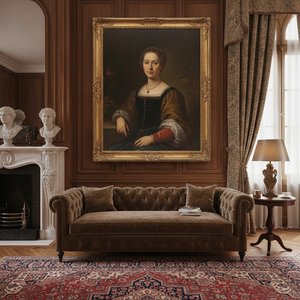
Timeless Elegance: The Ultimate Buyer's Guide to Choosing Classical Portraits for Sophisticated Interiors
Discover how to select the perfect classical portrait for your home. Our expert guide explores matching art styles to interiors, choosing between hand-painted oils and Giclée prints, and transforming personal photos into timeless masterpieces with professional artistry.