

 Previzualizare
 Trimite
 Distribuie
 Detalii despre lucrare

 Descarcă
 Produse similare
 Radiografie
 Diapozitive automate
Carmela
 Surrealism
 1943
1943 28.0 x 19.0 cm
 Vezi mai mult
Reproducere pictată manual în ulei
Pictură în ulei pe pânză, realizată manual de artiștii noștri la dimensiunea și ramele dorite de dumneavoastră, pe comandă. ( Comandă printul Cumpără imaginea)




































Alegeți dintre dimensiunile noastre prestabilite, care respectă proporțiile originale ale operei de artă.

Puteți introduce propriile dimensiuni pentru a se potrivi unui anumit cadru sau spațiu. Dacă dimensiunea selectată nu corespunde proporțiilor imaginii originale, vom decupa opera de artă sau vom extinde pictura cu elemente suplimentare pictate manual. O simulare digitală vă va fi trimisă pentru aprobare înainte de începerea producției.
Vă rugăm să rețineți că previzualizarea de pe ecran nu reflectă decuparea sau extinderea reală. Doar macheta va arăta cu exactitate compoziția finală.
Deși sunt disponibile dimensiuni personalizate, vă recomandăm să selectați o dimensiune din lista predefinită pentru a păstra proporțiile originale.
După plasarea comenzii, echipa OriginalUniqueArt.com va contacta clientul prin e-mail pentru instrucțiuni și îi va furniza o previzualizare a machetei
Livrare în întreaga lume () în 3-4 săptămâni, în loc de cele 5 săptămâni standard. (14 August). Fără compromisuri în ceea ce privește calitatea.

Livrare expres gratuită la nivel mondial

Pânză de in de înaltă calitate

Asigurare completă pentru transport

Garanție de rambursare a taxelor vamale

Garanția fidelității culorilor

Politica de retur în 60 de zile (doar pentru defecte)

Garanție de rambursare 100%

Ofertă pentru comenzi multiple
 Opțiunea cu sticlă este disponibilă doar pentru dimensiuni de sub 110 cm

Carmela
Tehnică de reproducere
Dimensiune reproducere
-


Preț total calculat
$ 300
Descriere operă de artă
The Artist and His Style
Frank Di Gioia was an American artist known for his unique style, which blended elements of realism and surrealism. His paintings often featured everyday scenes and people, but with a twist that made them stand out from the ordinary. Carmela is a prime example of this style, with its vibrant colors and intriguing composition.The Painting's Composition
The painting depicts a woman wearing a large hat with a blue ribbon around it, holding an umbrella in her hand while standing on the street. The woman appears to be quite plump and is wearing a colorful dress, which adds to the vibrant atmosphere of the scene. In addition to the main subject, there are two other people visible in the painting, adding to the sense of movement and energy. Key features of the painting include:- The use of bold colors and brushstrokes to create a sense of dynamism
- The incorporation of everyday objects, such as the umbrella and hat, to add depth and context to the scene
- The artist's attention to detail, particularly in the depiction of the woman's clothing and accessories
For more information on Frank Di Gioia and his artwork, visit /art/list/?Filter=frank+di+gioia. The Hirshhorn Museum and Sculpture Garden can also be found on Wikipedia, providing more information on the museum's collection and exhibitions.
Biografie artist
Frank Di Gioia: Architect of the Grotesque and Master of Melancholy
Frank Di Gioia’s work, a hauntingly beautiful collision of the macabre and the sentimental, remains an enigma even decades after his untimely death in 1981. Born Francesco Di Gioia in Gioia del Colle, Italy – a small town nestled within the rolling hills of Apulia – his artistic journey began not with formal training but with a profound engagement with the world around him. His early life, steeped in the traditions and folklore of Southern Italy, would profoundly shape his distinctive style: a meticulous blend of realism, surrealism, and an unsettling fascination with mortality, memory, and the quiet desperation of everyday existence.
Di Gioia’s artistic development unfolded largely outside the established art world. He initially worked as a carpenter and later as a stage designer for opera productions in Naples – a period that undoubtedly fueled his meticulous attention to detail and his understanding of composition. It was during this time, around 1945, that he began creating what would become his signature portraits: unsettlingly lifelike depictions of elderly individuals, often rendered with an almost photographic precision, yet imbued with an overwhelming sense of sadness and loneliness. These weren’t simply portraits; they were explorations of the human condition, capturing the weight of years, the fading beauty of age, and the unspoken stories etched onto weathered faces.
The Language of Detail: Technique and Symbolism
Di Gioia's technique is remarkably consistent, a testament to his dedication and singular vision. He primarily employed charcoal – a medium that allowed him to achieve an astonishing level of detail while simultaneously conveying the textures of skin, clothing, and the subtle nuances of expression. His drawings are characterized by their meticulous layering of lines, creating a sense of depth and volume that draws the viewer into the subject’s gaze. He rarely used color, preferring the stark contrast between black and white to amplify the emotional impact of his work.
Beyond technique, Di Gioia's art is rich in symbolism. The subjects themselves – often elderly women – are frequently depicted in states of quiet contemplation or melancholic repose. They are surrounded by objects that carry significant weight: a worn rosary, a faded photograph, a simple cup of tea. These seemingly mundane items become potent symbols of memory, loss, and the passage of time. The inclusion of skulls, often subtly integrated into the composition, serves as a constant reminder of mortality – not in a morbid way, but rather as an integral part of the cycle of life and death.
Influences and Context
While Di Gioia’s work is undeniably unique, it resonates with several artistic currents of the mid-20th century. The influence of Surrealism is evident in his dreamlike juxtapositions and his exploration of the subconscious. However, unlike many Surrealists who sought to liberate the imagination, Di Gioia used surreal imagery not as an escape from reality but as a means of confronting it head-on. There’s also a connection to the German Expressionist tradition, particularly in his use of stark contrasts and his ability to evoke intense emotion through simplified forms.
Furthermore, Di Gioia's work can be understood within the broader context of post-war Italy – a nation grappling with the aftermath of fascism and the devastation of World War II. His portraits reflect a sense of collective trauma and a yearning for connection in an increasingly fragmented world. The quiet dignity of his subjects speaks to a resilience that belies their apparent vulnerability.
Legacy and Recognition
Despite his considerable talent, Frank Di Gioia remained largely unknown during his lifetime. He primarily sold his work through a small gallery in Naples and never achieved widespread recognition outside of Italy. It wasn’t until the late 1980s that his art began to attract attention from American collectors and curators, leading to exhibitions at prestigious institutions such as the Buffalo AKG Art Museum. Today, Di Gioia is increasingly recognized as one of the most important and evocative portraitists of the 20th century – a master of capturing the quiet beauty and profound sadness of human existence.
His work continues to resonate with viewers today, offering a poignant meditation on aging, memory, and the enduring mysteries of the human heart. Di Gioia’s legacy lies not only in his stunning technical skill but also in his ability to imbue his portraits with an unparalleled sense of empathy and emotional depth – a testament to the power of art to connect us to our shared humanity.

frank di gioia
1900 - 1981
Detalii rapide
- Artistic Movement Or Style: Surrealist Portraiture
- Date Of Birth: 1900
- Date Of Death: 1981
- Full Name: Frank Di Gioia
- Nationality: Italian
- Notable Artworks:
- Prayer Verso Partial Sketch...
- Frank Di Gioia
- Place Of Birth: Gioia del Colle, Italy
Articole similare
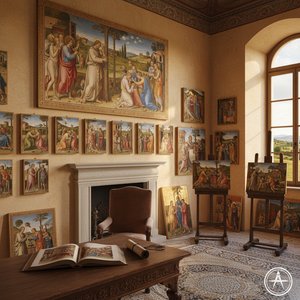
Giotto di Bondone: Cele Mai Remarcabile 25 de Capodopere – Artă, Istorie și Decorațiuni Interioare
Descoperă cele mai frumoase 25 de opere ale lui Giotto di Bondone! Explorează frescele Renașterii timpurii, picturile iconice și poveștile din spatele capodoperelor. Găsește inspirație pentru decorul casei tale cu OriginalUniqueArt.com – artă clasică de calitate muzeală.
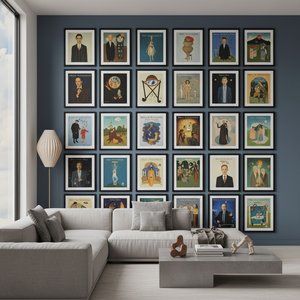
René Magritte: Cele Mai Iconice 25 De Opere – Artă Surrealistă Pentru Decorul Tău
Descoperă cele mai iconice 25 de opere ale lui René Magritte! Explorează misterul suprarealismului, simbolismul și tehnicile unice ale acestui maestru belgian. Găsește inspirație pentru decorul tău și reproduceri artă de calitate muzeală pe OriginalUniqueArt.com.

The Enduring Legacy of Oil on Canvas: Technique, History & Aesthetic Impact
Explore the rich history & techniques of oil painting – from Renaissance masters to Impressionism. Discover pigments, layering methods, and why this timeless medium endures. Expert insights for artists & art enthusiasts.

Oil on Canvas: A Historical & Technical Exploration of a Timeless Artistic Medium
Explore the rich history & enduring techniques of oil painting on canvas. Discover the science behind its longevity, conservation practices, and contemporary relevance. Expert insights for art enthusiasts.

The Enduring Power of Painting: A Historical & Contemporary Exploration of Form and Emotion
Explore the rich history & enduring techniques of oil painting with OriginalUniqueArt. Discover masterpieces, learn about art collecting, and find authentic handmade reproductions crafted by skilled artists.

