
 Vezi în context
 Trimite
 Distribuie
 Detalii
 Ghidul

 Descarcă
 Produse similare
 Radiografie
 Diaporama
 Statistici
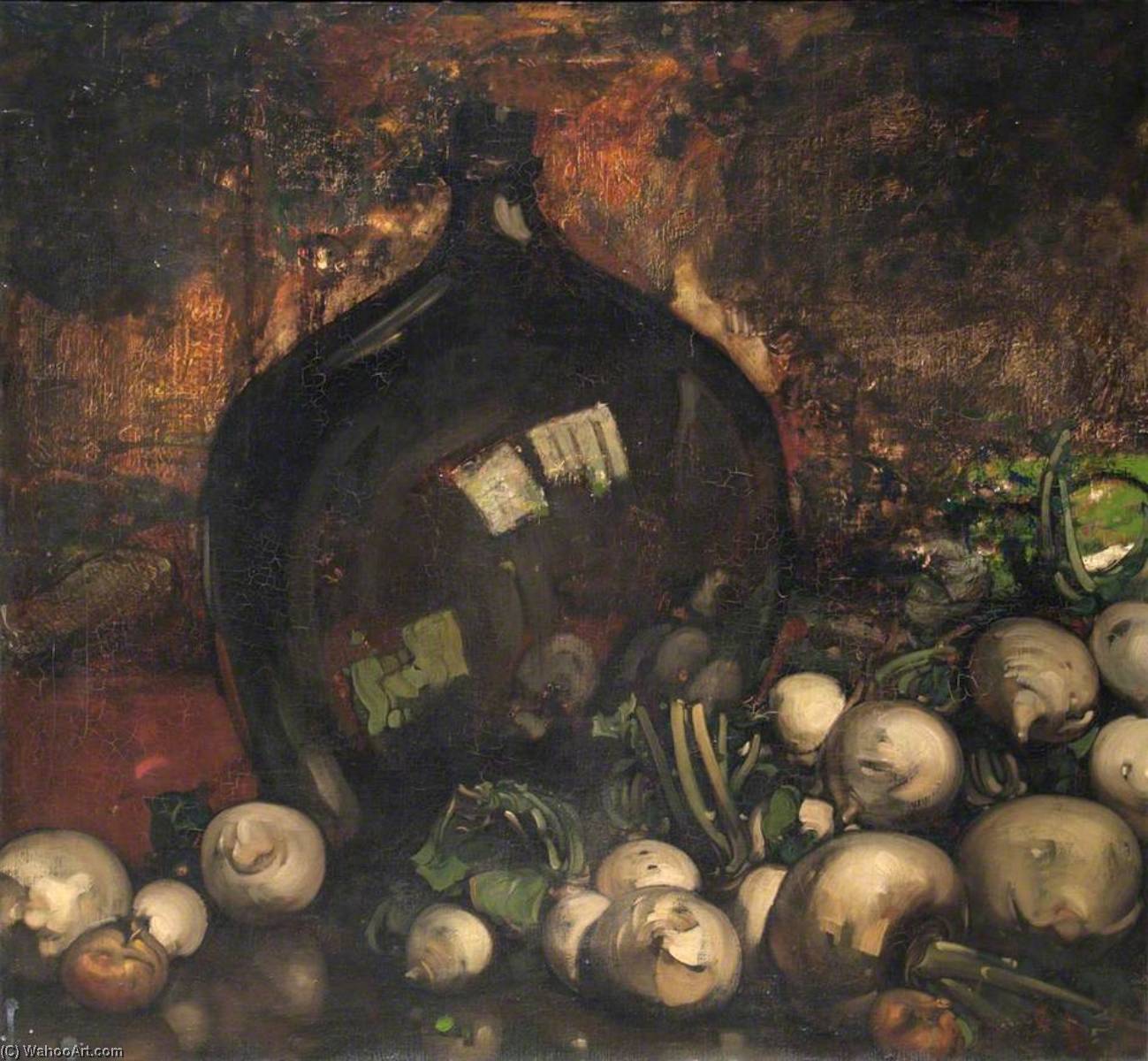
Turnips
 1902
1902 94.0 x 96.0 cm
 Citește mai mult
Achiziționați o imagine digitală de înaltă rezoluție, îmbunătățită, mult superioară previzualizării online.
Fiecare fișier este pregătit cu meticulozitate de specialiștii noștri interni, utilizând instrumente avansate și retușare manuală expertă. Ne asigurăm că fiecare imagine beneficiază de o claritate excepțională, o acuratețe precisă a culorilor și detalii fine.
Fișierul final este livrat prin e-mail în termen de 72 de ore, optimizat pentru utilizare imediată în medii profesionale, editoriale și de imprimare. Aceasta este aceeași calitate în care au încredere studiouri de design, edituri și galerii de top.
Imagine Digitală
Descărcați un fișier la rezoluție înaltă pentru afișare personală, imprimare și proiecte creative. ( Comută pe versiunea Print Comandă pictură realizată manual)
Inclus în fiecare comandă de imagini digitale
Livrare digitală de expertiză, garantată
Când alegeți OriginalUniqueArt.com, nu primiți doar o simplă imagine – primiți o operă de artă digitală îmbunătățită profesional, creată cu precizie și susținută de o garanție de satisfacție. Iată tot ceea ce primești odată cu comanda ta, în mod automat:

Livrare rapidă prin e-mail
Fișierul imaginii digitale la rezoluție înaltă vă va fi trimis prin e-mail în termen de 72 de ore de la finalizarea comenzii – gata pentru utilizare imediată.

Fișier digital optimizat prin IA
Opera ta de artă este optimizată profesional prin intermediul unor instrumente AI avansate și al editării manuale, asigurând un nivel maxim de detalii, claritate și acuratețe a culorilor.

Retransmitere gratuită pe viață
Ai șters sau ai pierdut din greșeală fișierul? Nu îți face griji – ți-l vom retrimite oricând, gratuit.

Fără taxe de import – Întotdeauna
Bucură-te instant de noua ta operă de artă, fără taxe vamale, taxe de import sau costuri de livrare – descărcările digitale sunt întotdeauna fără taxe.

Garanția fidelității culorilor
Asigurăm o reflectare cât mai fidelă a culorilor originale în imaginea ta digitală, prin utilizarea unor instrumente profesionale și a proceselor de gestionare a culorii.

Garanție de satisfacție de 100 de zile
Dacă nu sunteți mulțumit de imaginea digitală achiziționată, o vom revizui sau vă vom returna 100% în termen de 100 de zile – fără nicio întrebare.

Garanție de returnare 100% a banilor
Nu ești mulțumit? Primești rambursarea integrală în termen de 100 de zile de la primirea fișierului digital – fără nicio întrebare.

Reduceri pentru comenzi în volum
Cumpără 3 imagini, economisește 10% - Cumpără 5, economisește 15% - Cumpără 10+, economisește 20%. Ideal pentru proiecte creative, galerii și agenții.
Biografie artist
A Life Forged in Light and Labor: The World of Frank Brangwyn
Frank William Brangwyn, a name synonymous with vibrant color, dramatic landscapes, and the opulent grandeur of the British Empire, was born on May 13th, 1867, in Bruges, Belgium. His early life, steeped in artistic tradition thanks to his father, William Curtis Brangwyn – a renowned church architect and furniture maker – laid the foundation for a career that would span over six decades and leave an indelible mark on both British and European art. The family’s return to England in 1875 proved pivotal, thrusting young Frank into the heart of London's burgeoning artistic scene, a world far removed from the quiet workshops of his Belgian upbringing. While formal education was somewhat fragmented – he frequently skipped classes at Westminster City School to immerse himself in the treasures of the South Kensington Museum – this self-directed learning fostered an independent spirit and a profound appreciation for craftsmanship that would define his unique approach to art. His apprenticeship with Arthur Heygate Mackmurdo, a master craftsman known for his intricate decorative work, and later with William Morris, the champion of the Arts and Crafts movement, provided invaluable insights into glazing, embroidery, and wallpaper design – skills he skillfully integrated into his broader artistic practice.From Maritime Scenes to Orientalist Visions
Brangwyn’s early artistic focus was firmly rooted in the maritime world, a subject deeply resonant with both personal fascination and the prevailing tastes of the late 19th century. He meticulously captured the drama and toil of life at sea – the churning waves, the weathered faces of sailors, the imposing silhouettes of ships against the horizon – demonstrating a remarkable eye for detail and an ability to evoke atmospheric effects that were truly captivating. However, it was his travels throughout Europe and beyond—to Istanbul (Constantinople), Spain, Egypt, Turkey, and Morocco—that fundamentally transformed his artistic vision. These journeys weren’t mere vacations; they were profound experiences that ignited a passion for the exotic, the vibrant, and the utterly unfamiliar. The influence of Orientalism is powerfully evident in paintings like “The Golden Horn, Constantinople,” where rich hues, intricate patterns, and a sense of otherworldly light transport the viewer to a distant land. This shift wasn’t simply a stylistic choice; it represented a deliberate rejection of conventional artistic boundaries and an embrace of a more expressive palette—a bold move that signaled Brangwyn's desire to push beyond established norms. He became a remarkably versatile artist, refusing to be confined by any single medium or technique. Painting remained central to his practice, but he also excelled in drawing, engraving, illustration, stained glass design, furniture design, ceramics, and even architectural projects—a testament to his boundless creativity and adaptability.A Prolific Output and Monumental Commissions
The sheer volume of Brangwyn’s output is astonishing – estimated at over 12,000 works encompassing paintings, drawings, etchings, wood engravings, lithographs, architectural designs, and more. This relentless productivity was fueled by a tireless work ethic and an insatiable curiosity for the world around him. He became renowned for his large-scale mural commissions, characterized by their vibrant colors, intricate detail, and often monumental scale. A particularly significant moment came in 1895 when Siegfried Bing, a prominent art dealer, commissioned him to decorate the exterior of Galerie l'Art Nouveau in Paris – an opportunity that opened doors to a wider world of decorative arts collaborations. His illustrations for a six-volume reprint of Edward William Lane’s translation of “One Thousand and One Nights” in 1896 further showcased his talent for narrative detail and exotic imagery, solidifying his reputation as a master storyteller through visual means. Collaborations with Japanese artist Urushibara Mokuchu on woodblock prints demonstrate his willingness to experiment with different techniques and cultural influences—a hallmark of his artistic evolution. However, perhaps the most ambitious – and ultimately controversial – project was his commission for a series of murals depicting scenes from the British Empire for the House of Lords in 1924. Though initially embraced by Parliament, the panels were eventually rejected, deemed unsuitable for their intended location due to their bold colors and unconventional subject matter. These magnificent works found a new home in Swansea’s Guildhall, becoming the centerpiece of the Brangwyn Hall—a lasting testament to his enduring legacy.The Influence of Style and Recognition
Brangwyn's artistic style evolved significantly throughout his career, reflecting his diverse experiences and influences. His early work, characterized by somber tones and a focus on maritime themes, bears the unmistakable imprint of the Newlyn School – a group of Cornish artists known for their atmospheric landscapes and use of light. However, as he traveled to the East, his palette brightened dramatically, incorporating vibrant colors and exotic motifs inspired by Ottoman architecture, Islamic art, and the landscapes of Morocco and Egypt. This shift wasn’t merely aesthetic; it represented a conscious effort to break free from traditional artistic conventions and embrace a more expressive and dynamic style. Despite facing initial criticism from some British critics who struggled to categorize his diverse range of work, Brangwyn gained considerable recognition on the continent, particularly in France and Italy, where his murals and decorative designs were widely admired for their grandeur and technical skill. He received numerous honors throughout his career, including knighthood in 1941, a testament to his significant contributions to British art and culture.Legacy and Historical Significance
Frank Brangwyn’s artistic journey was deeply intertwined with the aesthetic currents of his time. His early exposure to William Morris and the Arts and Crafts movement instilled in him a reverence for craftsmanship and design integration, while his travels to the East ignited a passion for Orientalist themes that resonated with the broader European fascination with exotic cultures. Though sometimes overlooked by British critics who struggled to categorize his diverse style, Brangwyn’s influence on British decorative arts is undeniable. His murals, in particular, left an indelible mark on public spaces across Britain, transforming them into vibrant showcases of color and imagination. Brangwyn's prolific output and versatility established him as a significant figure in late 19th and early 20th-century art, demonstrating a remarkable ability to adapt and innovate throughout his long and distinguished career. He was not merely an artist; he was a designer, a craftsman, and a visionary who sought to enrich the world around him with beauty and artistry—a legacy that continues to inspire artists and designers alike today.
Frank Brangwyn
1867 - 1956 , Belgium
Informații esențiale
- Full Name: Sir Frank William Brangwyn
- Nationality: British
- Date Of Birth: 1867
- Date Of Death: 1956
- Place Of Birth: Bruges, Belgium
- Notable Artworks:
- Funeral at Sea
- The Golden Horn
- Arab Musicians
- Begonias
- Artistic Movement Or Style: Arts & Crafts, Orientalism
- Artists Who Influenced This Artist: ['William Morris']
- Artists Or Movements Influenced By This Artist: ['British decorative arts']