

 Previzualizare
 Trimite prin felicitare
 Distribuie
 Detalii despre lucrare
 Ghid
Ghid

 Descarcă imaginea
 Produse similare
 Radiografie
 Galerie foto
 Statistici
The Rolling Mill
 Acrylic On Canvas
- WallArt
- Orientalist Movement
 1905
1905 165.0 x 541.0 cm
 Leeds Art Gallery
 Vezi mai mult
Giclée / Imprimare artistică
Printuri giclée sau pe canvas de calitate muzeală, cu proces de producție rapid și opțiuni flexibile de finisare. ( Comandă pictură realizată manual Comută pe Imagine Digitală)




P118B lei10

P118H lei10

P118W lei10

P438Z lei10

P508JH lei12

P508YH lei12

P805H lei10

P805Z lei10

P919BZ lei10

P919G lei10

P919XJ lei10

P959ZH lei10

P968JZ lei12

W106C lei8

W218G lei10

W218JH lei8

W218Y lei10

W307PJ lei10

W316G lei10

W316PJ lei8

W316Y lei10

W398PJ lei8

W4111J lei10

W500HY lei15

W500JH lei15

W692G lei12

W849H lei8

W940BG lei15

W953PJ lei8




Alegeți dintre dimensiunile noastre prestabilite, care respectă proporțiile originale ale operei de artă.

Introduceți lățimea și înălțimea necesare pentru a se potrivi ramei sau peretelui dumneavoastră. O printare poate fi doar tăiată, niciodată extinsă dincolo de dimensiunea imaginii originale, astfel încât o dimensiune cu o formă diferită va pierde o parte din imagine. Vă trimitem o simulare digitală pentru aprobare înainte de a imprima orice. Imaginea afișată pe această pagină nu prezintă tăierea reală — doar simularea arată acest lucru.
Livrare în întreaga lume () în 2 săptămâni, în loc de cele 4/5 săptămâni standard. (27 Octombrie)

Livrare expres gratuită la nivel mondial

Pânză de in de înaltă calitate

Asigurare completă pentru transport

Garanție de rambursare a taxelor vamale

Garanția fidelității culorilor

Politica de retur în 100 de zile (doar pentru defecte de fabricație)

Garanție de rambursare 100%

Ofertă pentru comenzi multiple
 Opțiunea cu sticlă este disponibilă doar pentru dimensiuni de sub 110 cm

The Rolling Mill
Giclée / Imprimare artistică
Dimensiune reproducere
-


Preț total calculat
lei 371
A Monumental Vision of Industry and Collaboration
“The Rolling Mill,” executed in 1905 by Sir Frank Brangwyn, stands as a testament to the Arts & Crafts movement’s fascination with depicting labor and its transformative power. Measuring an impressive 165 x 541 cm, this monumental oil on canvas immediately commands attention with its scale and ambition—a deliberate choice reflecting Brangwyn's desire to capture not merely a scene but an experience.
The Scene: Desert Landscape Meets Industrial Might
The painting transports viewers to the arid expanse of the Mojave Desert, dominated by towering mountains that serve as a dramatic backdrop. However, this desolate landscape is punctuated by the central focus: a sprawling mill complex teeming with activity. Men are positioned strategically throughout the composition—some operating machinery, others engaged in conversation—creating an atmosphere of purposeful collaboration and shared endeavor.
Brangwyn’s Technique: Bold Color Palette and Impasto Texture
Brangwyn's masterful technique is characterized by a bold color palette dominated by earthy tones – ochres, siennas, and browns – skillfully blended to convey the harsh realities of desert life. Yet, these muted hues are juxtaposed with vibrant splashes of crimson and gold, highlighting key elements within the mill complex and injecting an element of dynamism into the scene. Crucially, Brangwyn employs impasto—thickly applied paint—creating a palpable textural surface that captures the physicality of labor and reinforces the sense of immediacy.
Symbolism: Representing Progress Amidst Isolation
Beyond its depiction of industrial activity, “The Rolling Mill” carries symbolic weight. The mountains represent resilience and permanence against which the mill complex – embodying progress and innovation – is set. This visual dichotomy speaks to a broader theme explored by Brangwyn throughout his oeuvre: humanity’s ability to adapt and thrive even in challenging environments. The figures themselves embody determination and unity, suggesting that collective effort can overcome obstacles.
Emotional Impact: Capturing the Spirit of an Era
“The Rolling Mill” transcends mere representation; it evokes a profound emotional response. The painting’s grandeur inspires awe, while its meticulous detail invites contemplation. It captures the spirit of the early 20th century—a period marked by rapid industrialization and burgeoning optimism about technological advancement—yet simultaneously acknowledges the importance of human connection and shared purpose. A hand-painted reproduction offers a remarkable opportunity to bring this evocative artwork into any home or interior design project.
- Artist: Frank Brangwyn
- Year Created: 1905
- Medium: Oil on Canvas
- Dimensions: 165 x 541 cm
For more information and stunning high-resolution images, visit The Rolling Mill | Art UK.
Întrebări și răspunsuri
Cum echilibrează "The Rolling Mill" lumina și întunericul?
"The Rolling Mill" are balanced în întregime, iar luminozitatea sa este Gentle Luminance.
Ce vârstă avea Frank Brangwyn când a creat "The Rolling Mill" în 1905?
Când „The Rolling Mill” a fost creat în 1905, Frank Brangwyn – născut în 1867 – avea 38 ani.
Ce emoție transmite "The Rolling Mill" de Frank Brangwyn?
"The Rolling Mill" este asociată cu un sentiment Reflective. Tonul emoțional descrie impresia pe care o transmite lucrarea.
Biografie artist
A Life Forged in Light and Labor: The World of Frank Brangwyn
Frank William Brangwyn, a name synonymous with vibrant color, dramatic landscapes, and the opulent grandeur of the British Empire, was born on May 13th, 1867, in Bruges, Belgium. His early life, steeped in artistic tradition thanks to his father, William Curtis Brangwyn – a renowned church architect and furniture maker – laid the foundation for a career that would span over six decades and leave an indelible mark on both British and European art. The family’s return to England in 1875 proved pivotal, thrusting young Frank into the heart of London's burgeoning artistic scene, a world far removed from the quiet workshops of his Belgian upbringing. While formal education was somewhat fragmented – he frequently skipped classes at Westminster City School to immerse himself in the treasures of the South Kensington Museum – this self-directed learning fostered an independent spirit and a profound appreciation for craftsmanship that would define his unique approach to art. His apprenticeship with Arthur Heygate Mackmurdo, a master craftsman known for his intricate decorative work, and later with William Morris, the champion of the Arts and Crafts movement, provided invaluable insights into glazing, embroidery, and wallpaper design – skills he skillfully integrated into his broader artistic practice.From Maritime Scenes to Orientalist Visions
Brangwyn’s early artistic focus was firmly rooted in the maritime world, a subject deeply resonant with both personal fascination and the prevailing tastes of the late 19th century. He meticulously captured the drama and toil of life at sea – the churning waves, the weathered faces of sailors, the imposing silhouettes of ships against the horizon – demonstrating a remarkable eye for detail and an ability to evoke atmospheric effects that were truly captivating. However, it was his travels throughout Europe and beyond—to Istanbul (Constantinople), Spain, Egypt, Turkey, and Morocco—that fundamentally transformed his artistic vision. These journeys weren’t mere vacations; they were profound experiences that ignited a passion for the exotic, the vibrant, and the utterly unfamiliar. The influence of Orientalism is powerfully evident in paintings like “The Golden Horn, Constantinople,” where rich hues, intricate patterns, and a sense of otherworldly light transport the viewer to a distant land. This shift wasn’t simply a stylistic choice; it represented a deliberate rejection of conventional artistic boundaries and an embrace of a more expressive palette—a bold move that signaled Brangwyn's desire to push beyond established norms. He became a remarkably versatile artist, refusing to be confined by any single medium or technique. Painting remained central to his practice, but he also excelled in drawing, engraving, illustration, stained glass design, furniture design, ceramics, and even architectural projects—a testament to his boundless creativity and adaptability.A Prolific Output and Monumental Commissions
The sheer volume of Brangwyn’s output is astonishing – estimated at over 12,000 works encompassing paintings, drawings, etchings, wood engravings, lithographs, architectural designs, and more. This relentless productivity was fueled by a tireless work ethic and an insatiable curiosity for the world around him. He became renowned for his large-scale mural commissions, characterized by their vibrant colors, intricate detail, and often monumental scale. A particularly significant moment came in 1895 when Siegfried Bing, a prominent art dealer, commissioned him to decorate the exterior of Galerie l'Art Nouveau in Paris – an opportunity that opened doors to a wider world of decorative arts collaborations. His illustrations for a six-volume reprint of Edward William Lane’s translation of “One Thousand and One Nights” in 1896 further showcased his talent for narrative detail and exotic imagery, solidifying his reputation as a master storyteller through visual means. Collaborations with Japanese artist Urushibara Mokuchu on woodblock prints demonstrate his willingness to experiment with different techniques and cultural influences—a hallmark of his artistic evolution. However, perhaps the most ambitious – and ultimately controversial – project was his commission for a series of murals depicting scenes from the British Empire for the House of Lords in 1924. Though initially embraced by Parliament, the panels were eventually rejected, deemed unsuitable for their intended location due to their bold colors and unconventional subject matter. These magnificent works found a new home in Swansea’s Guildhall, becoming the centerpiece of the Brangwyn Hall—a lasting testament to his enduring legacy.The Influence of Style and Recognition
Brangwyn's artistic style evolved significantly throughout his career, reflecting his diverse experiences and influences. His early work, characterized by somber tones and a focus on maritime themes, bears the unmistakable imprint of the Newlyn School – a group of Cornish artists known for their atmospheric landscapes and use of light. However, as he traveled to the East, his palette brightened dramatically, incorporating vibrant colors and exotic motifs inspired by Ottoman architecture, Islamic art, and the landscapes of Morocco and Egypt. This shift wasn’t merely aesthetic; it represented a conscious effort to break free from traditional artistic conventions and embrace a more expressive and dynamic style. Despite facing initial criticism from some British critics who struggled to categorize his diverse range of work, Brangwyn gained considerable recognition on the continent, particularly in France and Italy, where his murals and decorative designs were widely admired for their grandeur and technical skill. He received numerous honors throughout his career, including knighthood in 1941, a testament to his significant contributions to British art and culture.Legacy and Historical Significance
Frank Brangwyn’s artistic journey was deeply intertwined with the aesthetic currents of his time. His early exposure to William Morris and the Arts and Crafts movement instilled in him a reverence for craftsmanship and design integration, while his travels to the East ignited a passion for Orientalist themes that resonated with the broader European fascination with exotic cultures. Though sometimes overlooked by British critics who struggled to categorize his diverse style, Brangwyn’s influence on British decorative arts is undeniable. His murals, in particular, left an indelible mark on public spaces across Britain, transforming them into vibrant showcases of color and imagination. Brangwyn's prolific output and versatility established him as a significant figure in late 19th and early 20th-century art, demonstrating a remarkable ability to adapt and innovate throughout his long and distinguished career. He was not merely an artist; he was a designer, a craftsman, and a visionary who sought to enrich the world around him with beauty and artistry—a legacy that continues to inspire artists and designers alike today.
Frank Brangwyn
1867 - 1956 , Belgia
Detalii rapide
- Artistic Movement Or Style: Arts & Crafts, Orientalism
- Artists Or Movements Influenced By This Artist: ['British decorative arts']
- Artists Who Influenced This Artist: ['William Morris']
- Date Of Birth: 1867
- Date Of Death: 1956
- Full Name: Sir Frank William Brangwyn
- Nationality: Britanic
- Notable Artworks:
- Funeral At Sea
- The Golden Horn
- Arab Musicians
- Place Of Birth: Bruges, Belgia
Articole similare

Evocations of Place: A Historical Journey Through Landscape Art
Explore the rich history of landscape art with OriginalUniqueArt. Discover renowned artists, movements like Impressionism & Romanticism, and expert guidance for collecting timeless pieces. Find your perfect serene escape today!

John Constable: Cele Mai Frumoase 25 de Capodopere – Artă Clasică pentru Decorul Casei Tale
Descoperă cele mai frumoase 25 de picturi ale lui John Constable, maestru al peisajului englezesc! Explorează stilul romantic, Dedham Vale și capodopere precum The Hay Wain. Reproduceri artă clasică pentru decorul casei tale – OriginalUniqueArt.com.

Peisaje Romantice Iconice: 10 Capodopere Artistice pentru Decorul de Lux
Descoperă 10 capodopere romantice iconice de Caspar David Friedrich, Turner și alți maeștri. Explorează istoria artei, emoțiile din peisaje și găsește tablouri canvas perfecte pentru decorul tău pe OriginalUniqueArt.com!
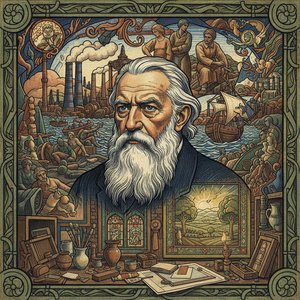
Frank Brangwyn: A Life Immersed in Colour, Craft & the Spirit of Modern British Art
Explore the vibrant life & prolific work of Frank Brangwyn, a master of British art. Discover his stunning paintings, designs, and monumental Empire Panels – a celebration of colour, craft, and artistic innovation.
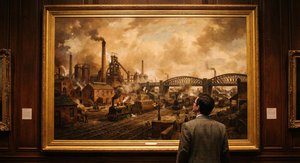
Top 10 Opere de Artă cu Atmosferă Industrială: Inspirație pentru Decorul Casei
Descoperă top 10 opere de artă care surprind atmosfera industrială! Explorează picturi iconice de Van Gogh, Monet și Hopper, simbolizând realismul, impresionismul și modernitatea. Găsește inspirație pentru decorul casei tale cu OriginalUniqueArt.com – reproducere tablouri de calitate muzeală.