

 Previzualizare
 Trimite prin felicitare
 Distribuie
 Detalii despre lucrare
 Ghid
Ghid

 Descarcă imaginea
 Produse similare
 Radiografie
 Galerie foto
 Q&A
Q&A Statistici
Pierre Quthe
 Oil On Board
- WallArt
- Renaissance Portraiture
 1562
1562- Renaissance
 91.0 x 70.0 cm
 Muzeul Luvru
 Vezi mai mult
Giclée / Imprimare artistică
Printuri giclée sau pe canvas de calitate muzeală, cu proces de producție rapid și opțiuni flexibile de finisare. ( Comandă pictură realizată manual Comută pe Imagine Digitală)




P118B lei10

P118H lei10

P118W lei10

P438Z lei10

P508JH lei12

P508YH lei12

P805H lei10

P805Z lei10

P919BZ lei10

P919G lei10

P919XJ lei10

P959ZH lei10

P968JZ lei12

W106C lei8

W218G lei10

W218JH lei8

W218Y lei10

W307PJ lei10

W316G lei10

W316PJ lei8

W316Y lei10

W398PJ lei8

W4111J lei10

W500HY lei15

W500JH lei15

W692G lei12

W849H lei8

W940BG lei15

W953PJ lei8




Alegeți dintre dimensiunile noastre prestabilite, care respectă proporțiile originale ale operei de artă.

Introduceți lățimea și înălțimea necesare pentru a se potrivi ramei sau peretelui dumneavoastră. O printare poate fi doar tăiată, niciodată extinsă dincolo de dimensiunea imaginii originale, astfel încât o dimensiune cu o formă diferită va pierde o parte din imagine. Vă trimitem o simulare digitală pentru aprobare înainte de a imprima orice. Imaginea afișată pe această pagină nu prezintă tăierea reală — doar simularea arată acest lucru.
Livrare în întreaga lume () în 2 săptămâni, în loc de cele 4/5 săptămâni standard. (28 Octombrie)

Livrare expres gratuită la nivel mondial

Pânză de in de înaltă calitate

Asigurare completă pentru transport

Garanție de rambursare a taxelor vamale

Garanția fidelității culorilor

Politica de retur în 100 de zile (doar pentru defecte de fabricație)

Garanție de rambursare 100%

Ofertă pentru comenzi multiple
 Opțiunea cu sticlă este disponibilă doar pentru dimensiuni de sub 110 cm

Pierre Quthe
Giclée / Imprimare artistică
Dimensiune reproducere
-


Preț total calculat
lei 372
A Window into the French Court – François Clouet’s Pierre Quthe
François Clouet's “Pierre Quthe” stands as a testament to the meticulous artistry that characterized the High Renaissance in France. Executed in 1562, this oil on wood painting resides within the hallowed halls of the Musée du Louvre, offering visitors an unparalleled glimpse into the artistic sensibilities of its time.
More than just a depiction of an apothecary – Pierre Quthe himself – Clouet’s work transcends mere representation. It embodies the humanist ideals prevalent during Charles IX's reign, prioritizing intellectual pursuits and refined elegance within the royal court. Clouet skillfully blended influences from Bronzino and Holbein, adopting a style marked by remarkable realism and painstaking attention to detail—a hallmark of his oeuvre.
Technical Mastery: Light, Texture, and Composition
The painting’s impact begins with its masterful execution. Clouet employed chiaroscuro – the dramatic interplay of light and shadow – to sculpt Quthe's form, creating a palpable sense of depth and dimensionality that draws the viewer into the scene. Observe how the soft illumination highlights Quthe’s face, emphasizing his gaze and conveying an aura of solemn contemplation.
Furthermore, Clouet meticulously rendered textures—the folds of Quthe's doublet, the subtle sheen of his hair, and even the delicate lines etched onto his skin. These details speak volumes about Clouet’s dedication to capturing the essence of human anatomy and materiality. The muted earth tones dominate the palette, fostering a contemplative mood that aligns perfectly with the subject matter.
Symbolism and Context: Beyond Portraiture
The inclusion of an open book bearing a bird illustration is not merely decorative; it carries symbolic weight. Birds often represented intellectuality, aspiration, and divine grace during the Renaissance—concepts central to Quthe’s profession and reflecting broader humanist concerns. The positioning of Quthe's hand resting on the book underscores his engagement with scholarly pursuits.
Considered alongside other portraits from Clouet’s prolific output, “Pierre Quthe” exemplifies the artist’s commitment to portraying individuals as complex human beings—intellectuals and men of dignity. It serves as a poignant reminder of the artistic achievements of the French Renaissance and its enduring fascination with capturing the inner life of its subjects.
A Legacy Preserved: The Louvre Collection
Displayed prominently within the Musée du Louvre, one of the world’s foremost repositories of art history, “Pierre Quthe” continues to inspire admiration. Its dimensions – 91 x 70 cm – may seem modest compared to monumental canvases of later eras, yet they encapsulate a profound artistic accomplishment. This exquisite reproduction allows you to experience the beauty and sophistication of Clouet’s vision firsthand.
Discover more about François Clouet and his remarkable legacy at OriginalUniqueArt.com or explore the broader history of French art on Wikipedia: Wikipedia.
Întrebări și răspunsuri
În ce an și în cadrul cărui curent artistic a fost creată „Pierre Quthe”?
„Pierre Quthe” a fost creat în 1562, fiind o operă a mișcării Renaissance Portraiture. Data și stilul ancorează lucrarea în istoria artei.
Cât de armonios interacționează culorile din "Pierre Quthe"?
"Pierre Quthe" de Francois Clouet prezintă o armonie cromatică Balanced Harmony.
La ce vârstă a creat Francois Clouet opera „Pierre Quthe”?
Francois Clouet avea 52 ani când a creat "Pierre Quthe" în 1562. Vârsta este calculată pe baza anului nașterii artistului, 1510.
Biografie artist
A Legacy of Likeness: The World of François Clouet
François Clouet, a name synonymous with the refined portraiture of the French Renaissance, emerged from a lineage steeped in artistic skill and courtly favor. Born around 1510 in Tours, France, his life unfolded against a backdrop of evolving artistic sensibilities and the opulent world of the Valois monarchy. He wasn’t merely a painter; he was a chronicler of an era, capturing the essence of kings, queens, and courtiers with a meticulousness that continues to captivate viewers today. The shadow of his father, Jean Clouet, loomed large – both artists shared not only a profession but also the familiar nickname ‘Janet,’ leading to occasional confusion in attributing their works across generations. Yet, François carved his own distinct path, blending Flemish naturalism with an emerging Italianate grace, and establishing himself as one of France’s most celebrated portraitists.Inheriting a Tradition: Early Life and Artistic Formation
The early years of François Clouet remain somewhat veiled in historical obscurity, but his artistic trajectory was undeniably shaped by the legacy of his father. Jean Clouet, originating from the Southern Netherlands, brought with him to the French court the meticulous detail and realistic approach characteristic of Flemish painting. This foundation formed the bedrock of François’s training. A pivotal moment arrived in 1541 when François inherited his father's estate, formally stepping into his artistic inheritance and assuming the responsibilities that came with it. This wasn’t simply a transfer of property; it was an assumption of a role within the very fabric of the French court. The Clouet family also enjoyed a unique connection to the Italian Renaissance through Jean’s time in Amboise, exposing François to the burgeoning ideals and innovative techniques emanating from Italy – a subtle but significant influence that would later manifest in his work. He absorbed not just technique, but an understanding of how art could serve as both documentation and celebration of power and status. He studied under Jean Clouet Sr., mastering the Flemish style’s emphasis on precise observation and luminous color palettes—skills that would prove invaluable throughout his career.The Art of Revelation: Style and Major Works
François Clouet’s oeuvre is defined by a remarkable precision and elegance. His portraits weren't merely likenesses; they were insightful studies of character, capturing not only physical features but also the personality and social standing of his subjects. He possessed an extraordinary ability to convey royal authority and sophistication, as evidenced in several notable depictions of Francis I, examples of which reside in prestigious collections like the Uffizi Gallery and the Louvre Museum. Beyond Francis I, Clouet’s brush immortalized other key figures of the era. He likely painted portraits of Catherine de' Medici at Versailles, contributing to a visual record of her influential reign. Perhaps one of his most celebrated achievements is the chalk drawing of Mary, Queen of Scots, held in the Bibliothèque nationale – a work that showcases his mastery of capturing delicate features and conveying emotional depth with astonishing subtlety. Other notable works include portraits of Elizabeth of Austria (Louvre), Marguerite of France (Chantilly), and Charles IX (Château de Chantilly). His paintings often possess a quiet dignity, a restrained elegance that reflects the refined sensibilities of the French court. The use of light and shadow – *chiaroscuro* – is subtle yet effective, adding depth and dimension to his portraits without resorting to dramatic contrasts. He skillfully blended Flemish naturalism with Italianate grace, creating images that were both technically masterful and psychologically astute.A Defining Aesthetic: Characteristics of Clouet’s Art
Several hallmarks define François Clouet's distinctive style.- Elaborate Detail: A meticulous attention to detail permeates his work, evident in the intricate rendering of clothing, jewelry, and facial features – every element contributing to a sense of realism and opulence.
- Accurate Drawing: Clouet’s portraits are grounded in precise anatomical rendering and skillful use of line, demonstrating a mastery of draftsmanship that underpinned his artistic vision.
- Exquisite Completeness: His compositions convey a sense of wholeness and personality, going beyond mere physical representation to capture the inner life of his subjects. He didn’t just paint faces; he painted individuals.
A Lasting Impression: Historical Significance and Legacy
François Clouet’s contributions to French Renaissance art are profound. He played a crucial role in establishing portraiture as a prominent genre in France, elevating the status of the artist and providing invaluable visual records of the royal court. He bridged the gap between medieval artistic traditions and the emerging Renaissance ideals, incorporating naturalism and humanistic principles into his work. As a court painter for multiple French monarchs – Francis I, Henry II, Francis II, and Charles IX – he documented the lives and appearances of key figures in French history, creating a visual archive that continues to inform our understanding of this period. His meticulous style and attention to detail profoundly influenced subsequent generations of French portraitists, solidifying his place as a pivotal figure in the development of French art. François Clouet died on December 22, 1572, shortly after the tumultuous St. Bartholomew’s Day Massacre – a poignant end for an artist who had dedicated his life to immortalizing the world around him. His will offers glimpses into his personal life and financial standing, further cementing his legacy as both an artistic master and a significant figure in French society.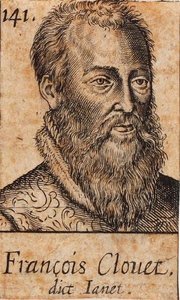
Francois Clouet
1510 - 1572 , Franța
Detalii rapide
- Artistic Movement Or Style: Renaissance portraiture
- Artists Or Movements Influenced By This Artist: ['French portraitists']
- Artists Who Influenced This Artist:
- Jean Clouet
- Leonardo da Vinci
- Date Of Birth: c. 1510
- Date Of Death: 1572
- Full Name: François Clouet
- Nationality: France
- Notable Artworks:
- The Love Letter
- Portrait of Henri II
- Francis I, King of France
- Place Of Birth: Tours, France
Articole similare

Masterpieces of the Soil: The Top 25 Artworks by Jean-François Millet
Immerse yourself in the soul of French Realism with our curated guide to the top 25 Jean-François Millet artworks. Explore the profound beauty of Barbizon school masterpieces and find museum-quality art reproductions for your home. Discover all masterpieces on OriginalUniqueArt.com.

25 Masterpieces by Jean-François Millet: The Soul of Rural Realism
Immerse yourself in the soul of French Realism with our curated guide to Jean-François Millet's top 25 masterpieces. From iconic landscapes to poignant rural scenes, explore the stories behind these timeless works and find museum-quality reproductions on OriginalUniqueArt.com.
Mastering Light: The 25 Best Pierre-Auguste Renoir Paintings
Immerse yourself in the luminous world of Pierre-Auguste Renoir. Explore 25 iconic Impressionist masterpieces, from vibrant landscapes to soulful portraits. Find inspiration and museum-quality art reproductions for your home. Discover all masterpieces on OriginalUniqueArt.com.
25 Masterpieces by Jean-François Millet: The Soul of Rural Realism
Immerse yourself in the soul of French Realism with our curated guide to Jean-François Millet's top 25 masterpieces. Explore the profound beauty of rural life through timeless oil paintings and museum-quality reproductions. Discover all masterpieces on OriginalUniqueArt.com.

Masterpieces of the Soil: The Top 25 Jean-François Millet Artworks
Immerse yourself in the soul of French Realism with our curated list of the top 25 Jean-François Millet artworks. From iconic peasant scenes to Barbizon landscapes, explore the stories behind these timeless masterpieces and find museum-quality reproductions on OriginalUniqueArt.com.

