

 Vezi în context
 Trimite
 Distribuie
 Detalii
 Ghidul

 Descarcă
 Produse similare
 Radiografie
 Diaporama
 Statistici
Rinaldo and Armida
 Oil On Canvas
- WallArt
- Rococo
 1734
1734- Early Modern
 135.0 x 170.0 cm
 Muzeul Luvru
 Citește mai mult
Giclée / Imprimare artistică
Printuri giclée sau pe canvas de calitate muzeală, cu proces de producție rapid și opțiuni flexibile de finisare. ( Comandă pictură realizată manual Treci la imagine digitală)




P118B lei10

P118H lei10

P118W lei10

P438Z lei10

P508JH lei12

P508YH lei12

P805H lei10

P805Z lei10

P919BZ lei10

P919G lei10

P919XJ lei10

P959ZH lei10

P968JZ lei12

W106C lei8

W218G lei10

W218JH lei8

W218Y lei10

W307PJ lei10

W316G lei10

W316PJ lei8

W316Y lei10

W398PJ lei8

W4111J lei10

W500HY lei15

W500JH lei15

W692G lei12

W849H lei8

W940BG lei15

W953PJ lei8




Alegeți dintre dimensiunile noastre prestabilite, care respectă proporțiile originale ale operei de artă.

Introduceți lățimea și înălțimea de care aveți nevoie, pentru a se potrivi ramei sau peretelui dumneavoastră. O printare poate fi doar tăiată, niciodată extinsă dincolo de dimensiunea imaginii originale, astfel încât o dimensiune cu o formă diferită va pierde o parte din imagine. Vă trimitem o simulare digitală pentru aprobare înainte de a imprima orice. Imaginea afișată pe această pagină nu prezintă tăierea reală — doar simularea arată acest lucru.
Livrare în întreaga lume () în 2 săptămâni, în loc de cele 4/5 săptămâni standard. (23 Octombrie)

Livrare expres gratuită la nivel mondial

Pânză de in premium

Asigurare completă pentru transport

Garanție de rambursare a taxelor vamale

Garanția fidelității culorilor

Politica de retur în 100 de zile (doar pentru defecte)

Garanție de rambursare 100%

Reducere pentru comenzi multiple
 Opțiunea cu sticlă este disponibilă doar pentru dimensiuni de sub 110 cm

Rinaldo and Armida
Giclée / Imprimare artistică
Dimensiune reproducere
-


Preț total
lei 370
A Symphony of Sensuality: The Enchantment of Rinaldo and Armida
In the grand tapestry of the Rococo era, few works capture the delicate tension between passion and duty as exquisitely as François Boucher’s 1734 masterpiece, Rinaldo and Armida. This monumental canvas serves as a breathtaking window into the heart of 1-8th century French elegance, where the boundaries between myth and reality dissolve into a dreamscape of soft light and romantic longing. The painting draws its profound narrative power from Torquato Tasso’s epic poem, Jerusalem Delivered, presenting a moment of suspended animation where the chaos of crusade and conflict is momentarily silenced by the overwhelming force of desire.
At the center of this visual poem lies the intimate encounter between the valiant Christian knight, Rinaldo, and the enchanting sorceress, Armida. Boucher masterfully captures a scene of profound tenderness; as Rinaldo rests in a state of vulnerable repose, Armida leans over him, her fingers gently entwined in his hair. This simple, evocative gesture symbolizes more than mere affection—it represents the subtle triumph of enchantment over heroism, and the irresistible pull of the senses over the dictates of war. The surrounding landscape, an idealized pastoral Arcadia, reinforces this sense of escapism, offering a sanctuary of lush greenery and classical ruins that feels both timeless and otherworldly.
The Mastery of Rococo Technique and Light
To behold this work is to witness the pinnacle of Boucher’s technical virtuosity. The artist employs the hallmark characteristics of the Rococo style with unparalleled grace, utilizing a delicate layering of translucent glazes to achieve a luminous, pearlescent skin tone that seems to glow from within. His use of chiaroscuro—the sophisticated interplay between light and shadow—does not merely define form but imbues the entire composition with an atmospheric depth, as if a soft mist were clinging to the edges of the forest. The color palette is a triumph of pastel harmonies, where silken draperies in muted blues and rosy pinks dance against the verdant, sun-dappled backdrop.
Every brushstroke serves the larger purpose of decorative elegance. Notice the fluid movement of the fabrics and the meticulous attention to the textures of the surrounding elements—the weathered stone of an abandoned temple, the soft plumage of nearby figures, and the intricate strings of a harp held by playful putti. These details create a sensory experience that transcends the flat surface of the canvas, inviting the viewer to step into a world where beauty is the highest law. For the discerning collector or interior designer, such a piece offers more than mere decoration; it provides a focal point of profound sophistication, capable of anchoring a room with its historical weight and aesthetic splendor.
A Timeless Legacy for the Modern Collector
Beyond its technical brilliance, Rinaldo and Armida resonates emotionally through its exploration of universal themes: the vulnerability of the human heart and the transformative power of love. The presence of angelic messengers and pagan deities in the periphery serves as a poignant reminder of the era's intellectual fascination with the clash between divine piety and earthly temptation. It is a painting that breathes with life, offering a sense of movement and emotional complexity that remains strikingly modern.
For those seeking to infuse their living spaces with the opulence of the French court, a high-quality reproduction of this work offers an unparalleled opportunity. Whether placed in a sunlit gallery or a stately study, the painting’s soft light and romantic narrative act as a source of constant inspiration. It is an investment in atmosphere, bringing the legendary charm of Boucher’s Paris into the contemporary home, and ensuring that the exquisite spirit of the Rococo continues to enchant generations to come.
Întrebări și răspunsuri
Cum se raportează subiectul operei „Rinaldo and Armida” la temele obișnuite ale lui François Boucher?
Temele recurente ale lui François Boucher includ french rococo influence, tasso's 'rinaldo' story, courtly love & romance, mythological narrative, boucher's sensuality", pompadour patronage, elegant aristocratic scene, decorative art masterpiece; „Rinaldo and Armida” se concentrează pe mythological scene, rinaldo and armida, 18th century romance, french rococo art, classical figures, musical intrigue, courtly love story.
Unde ar trebui expusă o reproducere a "Rinaldo and Armida" de François Boucher?
Formatul (Landscape) și spațiul recomandat (Living Room) sunt cele două detalii de amplasare înregistrate pentru "Rinaldo and Armida" de François Boucher.
Există un ghid pentru "Rinaldo and Armida" de François Boucher?
Ghidul pentru "Rinaldo and Armida" este pagina de Ghid a operei de artă – o fișă informativă imprimabilă care prezintă lucrarea împreună cu legenda sa, linia de credit și tabelul de identificare (artist, date, tehnică, dimensiunea originală, colecție).
Biografie artist
François Boucher: Un Maestru al Rococo-ului Francez
În inima lumii de artă a secolului al XVIII-lea, François Boucher (1703-1770) nu era doar un pictor; el era un arhitect vizual al unei epoci, un maestru al eleganței și al senzualității care au definit stilul Rococo francez. Lucrările sale, pline de delicatețe, culoare și o licărire subtilă de erotism, continuă să captiveze privirile și să inspire admirație, oferind o fereastră spre gusturile și valorile unei societăți aristocratice, dar și o mărturie a talentului artistic extraordinar al unui geniu.
Tinerețe și Formare Artistică
Născut pe 29 septembrie 1703 în Paris, François Boucher a moștenit pasiunea pentru artă de la tatăl său, Nicolas Boucher, un pictor cu o reputație modestă, dar care a oferit fiului său primele lecții despre lumea culorilor și a formelor. La vârsta de șaptesprezece ani, Boucher a fost atras de talentul lui François Lemoyne, un artist respectat al vremii, care l-a luat în atelierul său. Această experiență inițială i-a oferit o bază solidă, dar a fost urmată de o perioadă petrecută la serviciile unui gravor, Jean-François Cars, o experiență crucială pentru dezvoltarea abilităților sale de desen și tehnică.
Ascensiunea la Prominență și Dezvoltare Artistică
Punctul culminant al carierei lui Boucher a fost câștigarea Grand Prix de Rome în 1720, o competiție prestigioasă care i-a deschis ușa spre Academia Regală de Pictură și Sculptură din Paris. După întoarcerea sa din Italia, unde a studiat cu atenție operele maeștrilor clasici și renascentiști, Boucher a fost primit în academie în 1731. Lucrarea sa de recepție, “Rinaldo și Armida” (1734), l-a consacrat imediat ca un artist talentat, capabil să redea cu măiestrie dinamismul, emoția și frumusețea clasică. Această perioadă a fost marcată de o dezvoltare rapidă a stilului său personal, caracterizat de o paletă pastelată, o tehnică fină de aplicare a culorilor și o atenție deosebită la detalii.
O Viziune Mitologică și Decorativă
Opera lui Boucher este extrem de variată, cuprinzând scene mitologice, portrete, scene din viața de zi cu zi și decoruri. Printre cele mai cunoscute lucrări se numără “Mic dejun” (1739), o pictură idilică care surprinde intimitatea unei familii aristocratice; “Trionfa lui Venus” (1740-1751), o serie de tablouri care demonstrează măiestria lui Boucher în reprezentarea mitologiei; și numeroase portrete ale lui Madame de Pompadour, amantea Regelui Ludovic al XV-lea, care au consolidat poziția sa la curte. De asemenea, Boucher a fost un decorator prolific, creând tapiserii spectaculoase pentru manufacturile regale și contribuind la decorarea palatelor și caselor nobiliare.
Influență și Moștenire
Influența lui François Boucher s-a extins mult dincolo de domeniul picturii. El a proiectat costume și decoruri pentru teatru, a creat mobilier elegant și a colaborat cu manufacturile de țesături, contribuind la definirea stilului Rococo francez. În 1765, Boucher a fost numit *Premier Peintre du Roi*, un titlu care simboliza recunoașterea oficială a talentului său și îi asigura o poziție privilegiată în societatea franceză. Deși criticii mai târziu au pus la îndoială superficialitatea stilului Rococo, impactul lui Boucher asupra generațiilor ulterioare de artiști este incontestabil. El a influențat pictori precum Jean-Honoré Fragonard și a contribuit semnificativ la dezvoltarea Neoclasicismului prin elevii săi.
Un Artist Timeless
Lucrările lui François Boucher oferă o perspectivă valoroasă asupra gusturilor și valorilor societății franceze din secolul al XVIII-lea. Picturile sale reflectă cultura aristocrată a vremii, caracterizată de lux, rafinament și o pasiune pentru plăcere. Boucher rămâne o figură importantă în istoria artei, celebrat pentru măiestria sa tehnică, inovația artistică și contribuția sa durabilă la stilul Rococo.

François Boucher
1703 - 1770 , Franța
Informații rapide
- Artistic Movement Or Style: Rococul
- Artists Or Movements Influenced By This Artist: ['Jean-Honoré Fragonard']
- Artists Who Influenced This Artist:
- François Lemoyne
- Jean-François Cars
- Date Of Birth: 29 Septembrie 1703
- Date Of Death: 30 Mai 1770
- Full Name: François Boucher
- Nationality: Franțuzesc
- Notable Artworks:
- Rinaldo și Armida
- Mic dejun
- Triumful Venerei
- Setarea soarelui
- Place Of Birth: Paris, Franța
Articole conexe
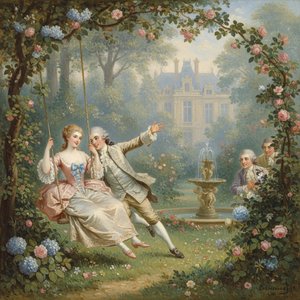
The Rococo Reverie of Fragonard: Love, Leisure & Pleasure in 18th-Century France
Explore the captivating world of Jean-Honoré Fragonard! Discover his Rococo masterpieces, intimate portraits & the allure of 18th-century French art. Learn about 'The Progress of Love' and more at OriginalUniqueArt.

The Rococo Aesthetic: Opulence, Rebellion & the Pursuit of Pleasure in 18th-Century Art
Explore the opulent world of Rococo art! Discover its origins, key artists like Watteau & Boucher, and lasting influence on design. Expert insights for collectors & enthusiasts.
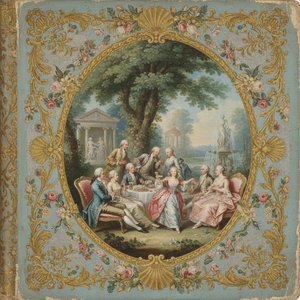
The Rococo Style: Aristocratic Leisure & the Pursuit of Delight in 18th-Century Art
Explore the opulent world of Rococo art! Discover Watteau, Boucher & Nattier's masterpieces. Expert insights for collectors seeking museum-quality reproductions and custom portraits at OriginalUniqueArt.

Top 10 Capodopere Rococo: Arta, Istorie și Decor Excepțional | OriginalUniqueArt.ro
Descoperă top 10 capodopere Rococo de la Fragonard, Boucher și Watteau! Explorează istoria artei, tehnicile și culorile vibrante ale stilului Rococo. Reproduceri de artă excepționale pentru decorul perfect pe OriginalUniqueArt.ro.
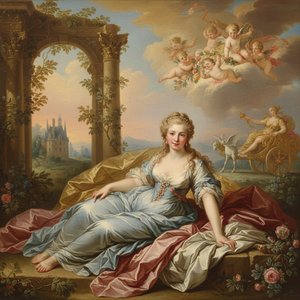
François Boucher: Rococo Master of Myth, Sensuality, and the French Court
Explore the captivating world of François Boucher, master of Rococo painting! Discover his iconic works, aristocratic patronage, and lasting influence on French art history. Learn more at OriginalUniqueArt.

