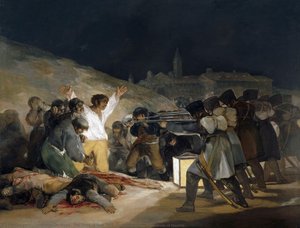
Previzualizare
 Trimite
 Distribuie
 Detalii despre lucrare

 Descarcă
 Produse similare
 Radiografie
 Diapozitive automate
 Statistici
E mai rău


 Vezi mai mult
Reproducere pictată manual în ulei
Pictură în ulei pe pânză, realizată manual de artiștii noștri la dimensiunea și ramele dorite de dumneavoastră, pe comandă. ( Comută pe Print Comută pe Imagine Digitală)




P118B $10

P118H $10

P118W $10

P438Z $10

P508JH $12

P508YH $12

P805H $10

P805Z $10

P919BZ $10

P919G $10

P919XJ $10

P959ZH $10

P968JZ $12

W106C $8

W218G $10

W218JH $8

W218Y $10

W307PJ $10

W316G $10

W316PJ $8

W316Y $10

W398PJ $8

W4111J $10

W500HY $15

W500JH $15

W692G $12

W849H $8

W940BG $15

W953PJ $8




Alegeți dintre dimensiunile noastre prestabilite, care respectă proporțiile originale ale operei de artă.

Puteți introduce propriile dimensiuni pentru a se potrivi unui anumit cadru sau spațiu. Dacă dimensiunea selectată nu corespunde proporțiilor imaginii originale, vom decupa opera de artă sau vom extinde pictura cu elemente suplimentare pictate manual. O simulare digitală vă va fi trimisă pentru aprobare înainte de începerea producției.
Vă rugăm să rețineți că previzualizarea de pe ecran nu reflectă decuparea sau extinderea reală. Doar macheta va arăta cu exactitate compoziția finală.
Deși sunt disponibile dimensiuni personalizate, vă recomandăm să selectați o dimensiune din lista predefinită pentru a păstra proporțiile originale.
După plasarea comenzii, echipa OriginalUniqueArt.com va contacta clientul prin e-mail pentru instrucțiuni și îi va furniza o previzualizare a machetei
Livrare în întreaga lume () în 3-4 săptămâni, în loc de cele 5 săptămâni standard. (13 Septembrie). Fără compromisuri în ceea ce privește calitatea.

Livrare expres gratuită la nivel mondial

Pânză de in de înaltă calitate

Asigurare completă pentru transport

Garanție de rambursare a taxelor vamale

Garanția fidelității culorilor

Politica de retur de 100 de zile (doar pentru defecte)

Garanție de rambursare 100%

Ofertă pentru comenzi multiple
 Opțiunea cu sticlă este disponibilă doar pentru dimensiuni de sub 110 cm

E mai rău
Tehnică de reproducere
Dimensiune reproducere
-


Preț total calculat
$ 300
Esto este peor: A Descent into Darkness
Francisco José de Goya y Lucientes, un titán entre los pintores románticos, se erige como un cronista sin igual de la experiencia humana – una figura cuya obra nos confronta con representaciones implacables del dolor, el trauma y la decadencia social. “Esto este peor”, que traduce como “Esto es peor”, encarna la esencia misma de su visión artística dentro de su célebre serie de “Pinturas Negras”, consolidando su legado como precursor del expresionismo e influyendo profundamente en las generaciones posteriores de artistas. Esta monumental grabado, creado entre 1810 y 1814 durante el exilio de Goya de Madrid – un período marcado por el agitar político y el desengaño personal – ofrece más que un simple espectáculo visual; presenta una meditación visceral sobre el sufrimiento en sí mismo.Composición y Técnica: Un Estudio en Contrastes
La imagen representa a un hombre solitario sometido a un castigo brutal con látigos, su cuerpo contorsionado en agonía bajo la implacable asalto de un látigo sostenido con determinación sombría. La técnica magistral de Goya – principalmente grabado combinado con drypoint – permite una variación tonal increíble, capturando la crudeza y el horror de la escena con precisión impresionante. El artista emplea una paleta limitada de blanco y negro, amplificando el impacto dramático y enfatizando la atmósfera opresiva. Observe el detalle meticuloso en la representación de la musculatura y la textura de la piel del hombre, reflejando el compromiso inquebrantable de Goya con el realismo – una desviación de las representaciones idealizadas prevalecientes durante su tiempo. Además, la ubicación de una rama de árbol dominando la esquina superior izquierda sirve como un símbolo conmovedor de desolación y desesperanza, que refleja el tormento psicológico experimentado por el sujeto.Contexto Histórico: La Sombra de Napoleón
La producción artística de Goya durante esta época turbulenta está inextricablemente ligada a las Guerras Napoleónicas y la subsiguiente restauración de Fernando VII. Presenciando en primera persona los horrores de la guerra – el asedio de Madrid, la brutalidad infligida a los ciudadanos españoles – alimentó el fervor artístico de Goya y lo impulsó hacia el enfrentamiento con verdades incómodas sobre la naturaleza humana. Las “Pinturas Negras” surgieron de un período de profunda desilusión y duelo tras la muerte de su esposa e hija, reflejando una tormenta interior que encuentra su expresión visual en la oscuridad y el desespero omnipresentes de las composiciones. Se erigen como una poderosa denuncia de la corrupción política y la opresión – una afirmación desafiante contra las injusticias perpetradas por regímenes tiránicos.Simbolismo: Más Allá del Dolor Físico
“Esto este peor” trasciende el mero sufrimiento físico; se adentra en el reino del tormento psicológico y la degradación moral. El látigo representa no solo dolor físico, sino también la imposición de autoridad y crueldad, que refleja las fuerzas opresivas que moldean el mundo de Goya. La desnudez del hombre enfatiza la vulnerabilidad y lo expone al juicio – una metáfora visual para confrontar los propios defectos y aceptar el destino inevitable. El paisaje desolado sirve como telón de fondo para esta lucha interna, simbolizando la esterilidad de la esperanza y la influencia omnipresente de la oscuridad en la conciencia humana.Impacto Emocional: Un Reflejo Atemporal
La obra maestra de Goya obliga a los espectadores a confrontar realidades incómodas sobre el sufrimiento y la resiliencia humanos. Su imagen inquietante perdura en la mente mucho después de ser vista, provocando una reflexión sobre temas de moralidad, justicia y la presencia inevitable del dolor dentro de la condición humana. “Esto este peor” sigue siendo un testimonio profundamente conmovedor del genio artístico de Goya – una obra que continúa resonando con el público actual como un recordatorio escalofriante de la capacidad de la humanidad para la crueldad y la compasión, por igual. Su poder perdurable radica en su capacidad para evocar empatía e introspección, asegurando su lugar como una de las imágenes más inolvidables del arte romántico.- Artista: Francisco José de Goya y Lucientes
- Año de Nacimiento: 1746
- Año de Muerte: 1828
- Ciudad de Nacimiento: Fuendetodos
- País de Nacimiento: España
Biografie artist
The Spanish Soul: A Life Forged in Shadow and Light
Francisco José de Goya y Lucientes, a name that echoes through the corridors of art history, embodies a profound paradox – he was both a product of his time, deeply rooted in the traditions of Old Masters, and a visionary who anticipated the anxieties and expressive freedom of modern art. Born in 1746 in the unassuming village of Fuendetodos, Spain, Goya’s journey from a provincial artist to court painter, and ultimately, to a chronicler of human suffering and societal decay, is a testament to his extraordinary talent and the turbulent era he navigated. His early training began at fourteen under José Luzán y Martinez, laying the groundwork for his artistic skills before he moved to Madrid and honed his craft with Anton Raphael Mengs, then the dominant force in the Spanish court. This initial period instilled within him a mastery of form and composition, evident in his early commissions – designs for tapestries that depicted lively scenes of everyday life, reflecting a Rococo sensibility tempered by a distinctly Spanish realism. His marriage to Josefa Bayeu, sister of another painter within the royal circle, further solidified his position within the artistic establishment. These early works, while charming and skillfully executed, offered little indication of the profound emotional depth and unsettling darkness that would characterize much of his later oeuvre.Ascension and Transformation: From Courtly Grace to Inner Turmoil
Goya’s rise through the ranks of the Spanish court was steady. He secured a position as a painter to the Royal Chamber in 1786, receiving a constant stream of portrait commissions from the aristocracy and royalty. These portraits are remarkable not merely for their technical brilliance – Goya possessed an uncanny ability to capture likeness with unflinching honesty – but also for their psychological insight. He didn’t simply paint what his sitters *looked* like; he revealed something of their character, their vulnerabilities, and even their hidden anxieties. The Countess of Chinchón, for example, is not merely a beautiful woman adorned in elegant attire, but a figure radiating intelligence and perhaps a touch of melancholy. However, beneath the veneer of courtly success, a transformation was brewing within Goya. A pivotal event occurred in 1793: a severe illness left him profoundly deaf, an affliction that irrevocably altered his perception of the world and, consequently, his art. This isolation plunged him into a period of intense introspection and solitude, severing his connection to the social life he once enjoyed and forcing him inward towards a darker, more subjective reality. The shift in his artistic style was dramatic – bright colors gave way to somber tones, and cheerful scenes were replaced by brooding compositions charged with emotional intensity. He began to explore themes of madness, violence, and the irrational, foreshadowing the anxieties that would grip Europe in the coming decades.The Dark Visions: Caprichos, Disasters, and Black Paintings
This period of artistic ferment culminated in some of Goya’s most iconic works. Los Caprichos, a series of eighty etchings published in 1799, served as a scathing satire of Spanish society – its follies, superstitions, and moral corruption laid bare with unflinching wit and biting irony. The images are grotesque yet captivating, populated by witches, monsters, and caricatures of the aristocracy, all rendered with a masterful command of etching techniques. Yet, it was The Disasters of War, created between 1810 and 1820, that truly cemented Goya’s reputation as a fearless chronicler of human suffering. These harrowing etchings depict the brutality of the Peninsular War – the atrocities committed by both sides, the starvation, the despair, and the utter devastation wrought upon the Spanish people. They are not heroic depictions of battle; they are unflinching portrayals of its horrors, devoid of any romanticism or glorification. Perhaps most unsettling of all are The Black Paintings, a series of fourteen murals Goya painted directly onto the walls of his house, “Quinta del Sordo” (the Deaf Man’s Villa), between 1819 and 1823. These works – including the terrifying Saturn Devouring His Son and the haunting Asmodea – are a descent into the darkest recesses of the human psyche, expressing themes of despair, madness, and existential dread with unparalleled intensity. They represent a radical departure from traditional artistic conventions, anticipating the expressive power of abstract art.Techniques and Influences
Goya’s artistic development was shaped by a confluence of influences. Initially trained in the traditions of Old Masters, he gradually embraced innovation, experimenting with various mediums and techniques throughout his career. His mastery of etching allowed him to create intricate details and expressive lines, while aquatint enabled him to achieve a range of tones and textures, enhancing the emotional impact of his prints. He was particularly adept at capturing human emotion through loose and expressive brushwork, especially in his later paintings. His early works demonstrate a strong influence from the Rococo style, characterized by delicate colors and graceful figures, but as he matured, he increasingly incorporated elements of Romanticism – dramatic lighting, intense emotions, and a focus on individual experience. The work of Francisco Bayeu, his brother-in-law, also played a significant role in shaping Goya’s artistic development, while the Italian masters, particularly Caravaggio, undoubtedly influenced his use of chiaroscuro (the contrast between light and dark).- Etching: Goya's skill with etching allowed him to create incredibly detailed and expressive lines.
- Aquatint: This technique enabled him to achieve a wide range of tones and textures, adding depth and emotion to his prints.
- Brushwork: His loose and expressive brushstrokes, particularly in his later paintings, conveyed a sense of immediacy and emotional intensity.
A Legacy of Innovation and Influence
In 1824, disillusioned by the political turmoil in Spain, Goya sought exile in Bordeaux, France, where he continued to work until his death in 1828. His final years were marked by a renewed focus on printmaking, culminating in the La Tauromaquia series, which explored the spectacle and brutality of bullfighting. Francisco Goya’s legacy is immense and far-reaching. He stands as a pivotal figure in art history, bridging the gap between the Old Masters and modern art. His influence can be seen in the works of countless artists who followed – from Édouard Manet and Pablo Picasso to Francis Bacon – all drawn to his expressive brushwork, psychological depth, and willingness to confront uncomfortable truths. He challenged artistic conventions, embraced innovation, and dared to explore the darker aspects of human experience, leaving behind a body of work that continues to resonate with audiences today. Goya wasn’t merely painting pictures; he was holding up a mirror to society, forcing us to confront our own flaws and vulnerabilities, and reminding us of the enduring power – and fragility – of the human spirit.
Francisco Goya
1746 - 1828 , Spania
Detalii rapide
- Artistic Movement Or Style: Romanticism
- Artists Or Movements Influenced By This Artist:
- Manet
- Picasso
- Artists Who Influenced This Artist:
- Mengs
- Luzán
- Date Of Birth: 30 martie 1746
- Date Of Death: 16 aprilie 1828
- Full Name: Francisco José de Goya y Lucientes
- Nationality: Spaniol
- Notable Artworks:
- Disastere de război
- Los Caprichos
- Place Of Birth: Fuendetodos, Spania
Articole similare
Top 10 Capodopere Romantice: Pasiune, Artă și Decorațiuni de Lux | OriginalUniqueArt.ro
Descoperă Top 10 capodopere romantice de la Delacroix, Goya și alții! Explorează pasiunea, emoția și frumusețea artei romantice. Reproduceri de tablouri de lux pentru decorul perfect pe OriginalUniqueArt.ro
Francisco Goya: Darkness & Enlightenment – A Comprehensive Exploration of the Artist's Life, Works, and Enduring Legacy
Explore the life & works of Francisco Goya, Spain's Romantic master. Discover his evolution from court painter to a visionary chronicler of war and social injustice. A comprehensive guide for art enthusiasts.

Top 10 Tablouri Celebre Dominante de Negru: Artă, Istorie și Decor Rafinat
Descoperă Top 10 tablouri celebre dominate de negru! Explorează istoria, simbolismul și tehnicile artistice ale unor opere iconice de Rembrandt, Goya și alți maeștri. Reproduceri de artă de calitate muzeală pe OriginalUniqueArt.com – inspiră-ți decorul!

Mastering the Shadows: A Journey Through the Chiaroscuro and Soul of Iconic Spanish Painting
Embark on a sophisticated exploration of Spanish art history, from the chiaroscuro mastery of Velázquez to the profound shadows of Goya. Discover how the dramatic light and emotional depth of Spain's greatest masters continue to inspire collectors and connoisseurs today.

Goya: Cele Mai Iconice Capodopere – Artă Spaniolă pentru Decor Rafinat | OriginalUniqueArt.ro
Descoperă cele mai frumoase 25 de picturi ale lui Francisco Goya! Explorează capodoperele romantice, portretele impresionante și gravurile puternice. Reproduceri artă spaniolă de calitate muzeală pentru un decor rafinat. Explorează colecția completă online pe OriginalUniqueArt.com