
 Previzualizare
 Trimite
 Distribuie
 Detalii despre lucrare

 Descarcă
 Produse similare
 Radiografie
 Diapozitive automate
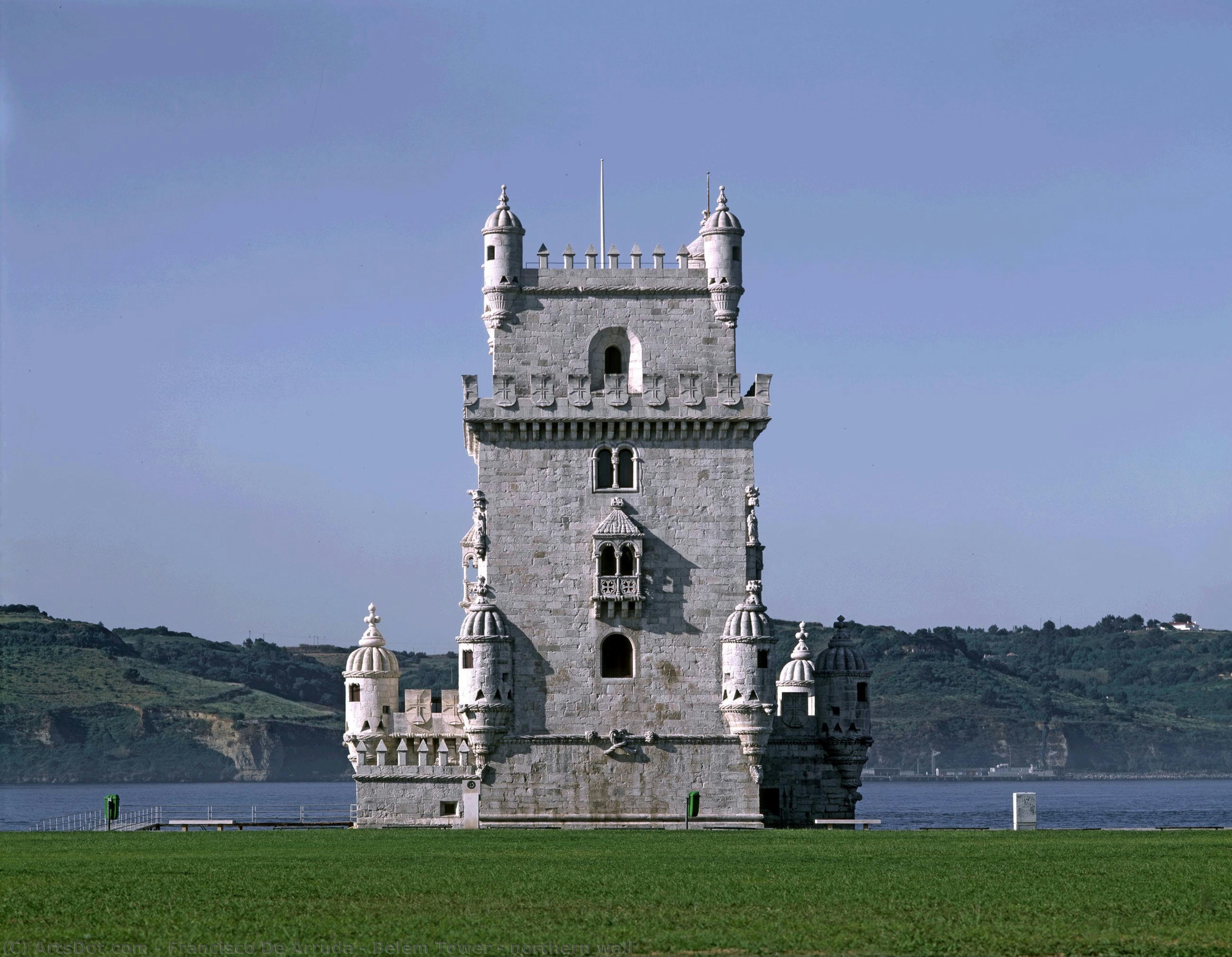
Belém Tower - northern wall


 Vezi mai mult
Achiziționați o imagine digitală de înaltă rezoluție, îmbunătățită, mult superioară previzualizării online.
Fiecare fișier este pregătit cu meticulozitate de specialiștii noștri interni, utilizând instrumente avansate și retușare manuală expertă. Ne asigurăm că fiecare imagine beneficiază de o claritate excepțională, o acuratețe precisă a culorilor și detalii fine.
Fișierul final este livrat prin e-mail în termen de 72 de ore, optimizat pentru utilizare imediată în medii profesionale, editoriale și de imprimare. Aceasta este aceeași calitate în care au încredere studiouri de design, edituri și galerii de top.
Imagine Digitală
Descărcați un fișier la rezoluție înaltă pentru afișare personală, imprimare și proiecte creative. ( Comandă printul Comandă pictură lucrată manual)
Inclus în fiecare comandă de imagini digitale
Livrare digitală de expertiză, garantată
Când alegeți OriginalUniqueArt.com, nu primiți doar o simplă imagine – primiți o operă de artă digitală îmbunătățită profesional, creată cu precizie și susținută de o garanție de satisfacție. Iată tot ceea ce primești odată cu comanda ta, în mod automat:

Livrare rapidă prin e-mail
Fișierul imaginii digitale la rezoluție înaltă vă va fi trimis prin e-mail în termen de 72 de ore de la finalizarea comenzii – gata pentru utilizare imediată.

Fișier digital optimizat prin IA
Opera ta de artă este optimizată profesional prin intermediul unor instrumente AI avansate și al editării manuale, asigurând un nivel maxim de detalii, claritate și acuratețe a culorilor.

Retransmitere gratuită pe viață
Ai șters sau ai pierdut din greșeală fișierul? Nu îți face griji – ți-l vom retrimite oricând, gratuit.

Fără taxe de import – Întotdeauna
Bucură-te instant de noua ta operă de artă, fără taxe vamale, taxe de import sau costuri de livrare – descărcările digitale sunt întotdeauna fără taxe.

Garanția acurateții culorilor
Asigurăm o reflectare cât mai fidelă a culorilor originale în imaginea ta digitală, prin utilizarea unor instrumente profesionale și a proceselor de gestionare a culorii.

Garanție de satisfacție de 60 de zile
Dacă nu sunteți mulțumit de imaginea digitală achiziționată, o vom revizui sau vă vom returna 100% în termen de 60 de zile – fără nicio explicație necesară.

Garanție de returnare 100% a banilor
Nu ești mulțumit? Obține o rambursare completă în termen de 60 de zile de la primirea fișierului tău digital – fără întrebări.

Reduceri pentru comenzi în volum
Cumpără 3 imagini, economisește 10% - Cumpără 5, economisește 15% - Cumpără 10+, economisește 20%. Ideal pentru proiecte creative, galerii și agenții.
Descriere obiect de colecție
Biografie artist
The Architect of Portugal’s Golden Age
Francisco de Arruda stands as a pivotal figure in the grand tapestry of Portuguese architectural history, a master builder whose hands helped shape the very identity of a nation at the height of its maritime dominion. Emerging during the sixteenth century, Arruda became one of the most influential proponents of the Manueline style—a uniquely opulent and exuberant fusion of Gothic grandeur and Renaissance humanism. This aesthetic, characterized by intricate ornamentation and naturalistic motifs, served as a visual language for Portugal’s Age of Discovery, reflecting the wealth, power, and global reach of the Portuguese crown under King Manuel I.
Born into a noble family steeped in architectural tradition, Francisco was not an isolated talent but part of a formidable lineage of creators. He was the younger brother of the celebrated architect Diogo de Arruda, and together with their father, Miguel de Arruda, they formed a familial nucleus of craftsmanship. This shared heritage ensured that the brothers would become instrumental in transforming the Portuguese landscape. While much of his early life remains shrouded in the mists of history, it is believed he hailed from the Alentejo region, a territory where many of his most enduring structural legacies still stand as silent witnesses to his genius.
A Legacy Carved in Stone and Sea
The true brilliance of Francisco de Arruda lies in his ability to synthesize disparate cultural influences into a cohesive, breathtaking whole. His work was deeply informed by the soaring arches of the Gothic tradition, yet it breathed with the new, humanist ideals emerging from Italy. Furthermore, his travels to North Africa to construct fortifications in Morocco introduced a subtle Moorish influence to his repertoire, adding a layer of complexity and exoticism to his designs. This ability to blend local traditions with international currents allowed him to create structures that were both profoundly Portuguese and cosmopolitically aware.
His most enduring achievement, and perhaps the most iconic symbol of Portugal’s maritime soul, is the Belém Tower in Lisbon. Constructed between 1514 and 1519, this UNESCO World Heritage Site is a masterpiece of military architecture and decorative art. In the tower's stone carvings, one can observe the quintessential elements of the Manueline style: maritime symbols, ropes, and organic forms that evoke the spirit of the great explorers who departed from these very shores. Beyond this monumental fortification, his hand can be seen in several other vital structures:
- The Belém Tower: A breathtaking sentinel of the Tagus River, embodying the strength and elegance of the Portuguese maritime empire.
- Aqueduto da Água de Prata: An impressive feat of engineering in Évora that demonstrates his mastery over large-scale hydraulic architecture.
- Fortifications of the Alentejo: His early work repairing the forts at Moura, Mourao, and Portel, which laid the foundation for his reputation as a premier military architect.
- Church of Nossa Senhora da Assunção: A significant religious structure in Elvas that showcases his ability to blend sacred space with architectural grandeur.
The Enduring Echo of a Master
Though Francisco de Arruda passed away on November 30, 1547, his influence did not vanish with his death. His architectural language paved the way for future generations, including his son Miguel de Arruda, who carried the family's tradition of building into the colonies of Brazil and Mozambique. The structural innovations introduced by Francisco helped cement Portugal's reputation as a beacon of artistic innovation in Europe, creating a lasting aesthetic that remains inseparable from the nation's historical identity.
To study the works of Arruda is to walk through the very heart of the Portuguese Renaissance. His buildings are more than mere stone and mortar; they are poetic expressions of an era defined by curiosity, courage, and conquest. Through his mastery of the Manueline style, he captured the ephemeral glory of the Age of Discovery and rendered it permanent, ensuring that the spirit of Portugal's golden age would endure long after the great caravels had returned to port.

francisco de arruda
1547 , Portugal
Detalii rapide
- Artistic Movement Or Style: Manueline
- Artists Or Movements Influenced By This Artist: ['Italian Renaissance']
- Artists Who Influenced This Artist:
- Diogo de Arruda
- Benedetto da Ravenna
- Date Of Death: 1547
- Full Name: Francisco de Arruda
- Nationality: Portuguese
- Notable Artworks:
- Belém Tower
- Bulwark (interior)
- Cloister of Tomar
- Place Of Birth: Lisbon, Portugal

