
 Previzualizare
 Trimite
 Distribuie
 Detalii despre lucrare

 Descarcă
 Produse similare
 Radiografie
 Diapozitive automate
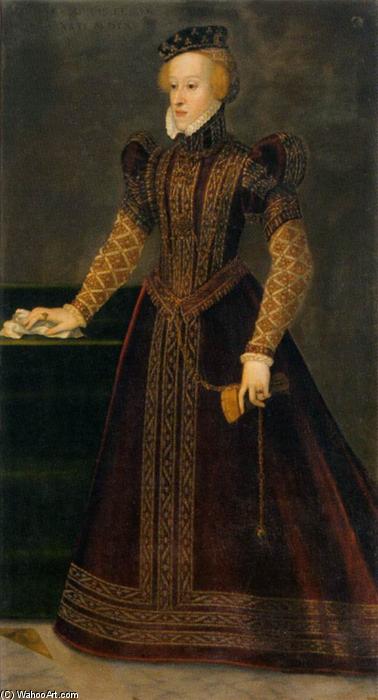
Archduchess Barbara


 Vezi mai mult
Reproducere pictată manual în ulei
Pictură în ulei pe pânză, realizată manual de artiștii noștri la dimensiunea și ramele dorite de dumneavoastră, pe comandă. ( Comandă printul Cumpără imaginea)




































Alegeți dintre dimensiunile noastre prestabilite, care respectă proporțiile originale ale operei de artă.

Puteți introduce propriile dimensiuni pentru a se potrivi unui anumit cadru sau spațiu. Dacă dimensiunea selectată nu corespunde proporțiilor imaginii originale, vom decupa opera de artă sau vom extinde pictura cu elemente suplimentare pictate manual. O simulare digitală vă va fi trimisă pentru aprobare înainte de începerea producției.
Vă rugăm să rețineți că previzualizarea de pe ecran nu reflectă decuparea sau extinderea reală. Doar macheta va arăta cu exactitate compoziția finală.
Deși sunt disponibile dimensiuni personalizate, vă recomandăm să selectați o dimensiune din lista predefinită pentru a păstra proporțiile originale.
După plasarea comenzii, echipa OriginalUniqueArt.com va contacta clientul prin e-mail pentru instrucțiuni și îi va furniza o previzualizare a machetei
Livrare în întreaga lume () în 3-4 săptămâni, în loc de cele 5 săptămâni standard. (13 August). Fără compromisuri în ceea ce privește calitatea.

Livrare expres gratuită la nivel mondial

Pânză de in de înaltă calitate

Asigurare completă pentru transport

Garanție de rambursare a taxelor vamale

Garanția fidelității culorilor

Politica de retur în 60 de zile (doar pentru defecte)

Garanție de rambursare 100%

Ofertă pentru comenzi multiple
 Opțiunea cu sticlă este disponibilă doar pentru dimensiuni de sub 110 cm

Archduchess Barbara
Tehnică de reproducere
Dimensiune reproducere
-


Preț total calculat
$ 300
Biografie artist
The Renaissance Vision of Francesco Terzio
Francesco Terzio, a name that echoes through the corridors of the Italian Renaissance, remains one of the most compelling figures of an era defined by the tension between classical tradition and the expressive liberties of Mannerism. Born in the vibrant city of Bergamo around 1523, Terzio emerged from a cultural landscape steeped in humanist intellect and profound artistic patronage. His early life was shaped by the rigorous training he received under the master Giovanni Battista Moroni, a sculptor whose influence instilled in Terzio a lifelong devotion to anatomical precision and emotional resonance. This foundational period allowed him to develop a command of chiaroscuro that would later become a hallmark of his style, blending the sculptural weight of his mentor's teachings with a burgeoning interest in the fluid, often theatrical, aesthetics of the mid-16th century.
As Terzio’s reputation grew, so did the scale of his ambitions and the prestige of his patrons. His journey took him far beyond the borders of his native Italy, leading him into the heart of the Habsburg imperial courts. Around 1550, he entered the orbit of Emperor Charles V, a connection evidenced by his monogram appearing on a significant portrait of the Emperor. Following the passing of Charles V, Terzio’s career flourished in Austria, where he served as a distinguished court painter to the Emperor's sons, Maximilian II in Vienna and Archduke Ferdinand II in Innsbruck. This period of imperial service allowed him to engage with monumental projects that celebrated the very lineage of European power, most notably through his extensive work on frescoes at Schloss Ambras and his contribution to the Imagines Gentis Austriacae, a series of seventy-four engravings designed to illustrate the glorious history of the House of Habsburg.
A Synthesis of Style and Spirit
The artistry of Terzio is best understood as a sophisticated dialogue between realism and artifice. While his works often retain the grounded, palpable reality characteristic of the Renaissance—seen clearly in his early religious commissions such as the Nativity and the Assumption of the Virgin for San Francesco in Bergamo—he was never immune to the allure of Mannerist elegance. His compositions frequently utilized elongated figures and intricate, almost choreographed poses to evoke a sense of divine or aristocratic grace. This duality allowed him to navigate the complex demands of his patrons, providing the historical accuracy required for genealogical records while delivering the visual splendor expected by the imperial court.
Beyond his grand-scale frescoes and engravings, Terzio’s mastery extended into the intimate realm of portraiture. He possessed a rare ability to capture psychological nuance, imbuing his subjects with a sense of lived experience and dignity. Whether depicting the powerful members of the Habsburg family or more localized religious figures, his use of color palettes and light served to elevate the subject beyond mere likeness, transforming portraits into enduring symbols of status and soul. His life, which eventually led him back to Rome where he passed away in 1591, serves as a testament to the mobility and interconnectedness of the Renaissance artist, a creator whose brush bridged the gap between the local traditions of Bergamo and the grand imperial stage of Central Europe.

Francesco Terzio
1523 - 1591 , Italy
Detalii rapide
- Artistic Movement Or Style: Renaissance Painting
- Artists Or Movements Influenced By This Artist: ['Charles V']
- Artists Who Influenced This Artist: ['Giovanni Battista Moroni']
- Date Of Birth: ca. 1523
- Date Of Death: 1591
- Full Name: Francesco Terzio
- Nationality: Italian
- Notable Artworks: ['Nativity & Assumption']
- Place Of Birth: Bergamo, Italy

