

 Previzualizare
 Trimite prin felicitare
 Distribuie
 Detalii despre lucrare
 Ghid
Ghid

 Descarcă imaginea
 Produse similare
 Radiografie
 Galerie foto
 Statistici
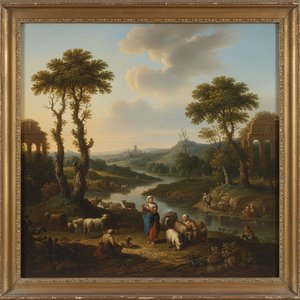
The Unexpected Arrival


 Vezi mai mult
Giclée / Imprimare artistică
Printuri giclée sau pe canvas de calitate muzeală, cu proces de producție rapid și opțiuni flexibile de finisare. ( Comandă pictură realizată manual Comută pe Imagine Digitală)




P118B lei10

P118H lei10

P118W lei10

P438Z lei10

P508JH lei12

P508YH lei12

P805H lei10

P805Z lei10

P919BZ lei10

P919G lei10

P919XJ lei10

P959ZH lei10

P968JZ lei12

W106C lei8

W218G lei10

W218JH lei8

W218Y lei10

W307PJ lei10

W316G lei10

W316PJ lei8

W316Y lei10

W398PJ lei8

W4111J lei10

W500HY lei15

W500JH lei15

W692G lei12

W849H lei8

W940BG lei15

W953PJ lei8




Alegeți dintre dimensiunile noastre prestabilite, care respectă proporțiile originale ale operei de artă.

Introduceți lățimea și înălțimea necesare pentru a se potrivi ramei sau peretelui dumneavoastră. O printare poate fi doar tăiată, niciodată extinsă dincolo de dimensiunea imaginii originale, astfel încât o dimensiune cu o formă diferită va pierde o parte din imagine. Vă trimitem o simulare digitală pentru aprobare înainte de a imprima orice. Imaginea afișată pe această pagină nu prezintă tăierea reală — doar simularea arată acest lucru.
Livrare în întreaga lume () în 2 săptămâni, în loc de cele 4/5 săptămâni standard. (26 Octombrie)

Livrare expres gratuită la nivel mondial

Pânză de in de înaltă calitate

Asigurare completă pentru transport

Garanție de rambursare a taxelor vamale

Garanția fidelității culorilor

Politica de retur în 100 de zile (doar pentru defecte de fabricație)

Garanție de rambursare 100%

Ofertă pentru comenzi multiple
 Opțiunea cu sticlă este disponibilă doar pentru dimensiuni de sub 110 cm

The Unexpected Arrival
Giclée / Imprimare artistică
Dimensiune reproducere
-


Preț total calculat
lei 370
A Golden Moment in Italian Realism
In the vast, sun-drenched expanse of Francesco Lojacono’s 1883 masterpiece, The Unexpected Arrival, the viewer is immediately transported to a moment of profound stillness within the Italian countryside. This monumental oil on canvas serves as more than just a landscape; it is a window into the soul of the late 19th-century rural experience. The composition is defined by an immense, reverberating brightness, where a brilliant light blue sky, punctuated by soft, drifting clouds, meets a sea of undulating golden fields. As the eye wanders across the horizon, one encounters a group of figures—likely laborers or farmers—whose presence provides a poignant human anchor to the overwhelming scale of nature. The painting captures a sense of quietude and shared experience, evoking a mood that oscillates between peaceful contemplation and a subtle, lingering melancholy.
The historical significance of this work is as grand as its physical scale. Originally purchased by the sovereigns of Italy in 1883 during the Fine Arts Exhibition in Rome for the prestigious Savoy collections, the painting was destined for the Royal Villa of Monza before eventually finding its place in the Quirinal Palace. This lineage of ownership underscores the artist's standing within the Italian art canon; Lojacono, a master of his craft, was even honored with the title of Commander of the Crown of Italy. Often referred to by critics as a subject of the Risorgimento—or more evocatively as The Return of the Conscript—the work carries the weight of national identity, reflecting the social shifts and the enduring spirit of the Italian peasantry during a transformative era in European history.
Mastery of Light and Texture
Technically, Lojacono demonstrates an extraordinary command over the medium of oil paint, utilizing a meticulous approach to realism that breathes life into every blade of grass and fold of fabric. The artist employs a sophisticated palette of muted earth tones—deep browns, soft greys, and weathered blues—which harmonize beautifully with the vibrant gold of the harvest and the ethereal azure of the sky. There is a deliberate play between the horizontal dominance of the landscape and the subtle verticality found in the figures and distant structures, creating a balanced, rhythmic composition that guides the viewer’s gaze through the depth of the field. The texture of the painting is particularly captivating; through visible yet controlled brushstrokes, Lojacono creates a tactile sensation of the rough grasses and the heavy, sun-warmed clothing of the subjects.
For the discerning collector or interior designer, The Unexpected Arrival offers an unparalleled opportunity to introduce a sense of historical grandeur and atmospheric depth into a space. The painting’s ability to command attention through its sheer scale and luminous quality makes it a breathtaking centerpiece for any curated collection. Whether placed in a formal gallery setting or used to anchor a sophisticated contemporary room, the artwork provides a timeless connection to the beauty of the natural world and the dignity of human labor. It is an evocative piece that does not merely decorate a wall but invites a continuous dialogue between the viewer and the golden light of a bygone era.
Întrebări și răspunsuri
Ce vârstă avea Francesco Lojacono când a creat "The Unexpected Arrival" în 1883?
Când „The Unexpected Arrival” a fost creat în 1883, Francesco Lojacono – născut în 1838 – avea 45 ani.
Care este orientarea lucrării "The Unexpected Arrival" de Francesco Lojacono?
"The Unexpected Arrival" de Francesco Lojacono are un format Panoramic. Formatul descrie proporțiile compoziției.
Unde pot descărca imaginea pentru "The Unexpected Arrival" de Francesco Lojacono?
Imaginea pentru "The Unexpected Arrival" de Francesco Lojacono poate fi descărcată de pe pagina dedicată lucrării, Descărcare: descărcare imagine digitală de înaltă rezoluție.
Biografie artist
A Life Shaped by Light and Land
In the sun-drenched streets of Palermo, a young boy watched his father, Luigi, translate history and portraits onto canvas. This early immersion in the family studio provided Francesco Lojacono with his first lessons in the weight of a brush and the nuance of shadow. His path was not merely one of quiet study; it was marked by the sudden, sharp realities of political upheaval. When the revolution broke out in 1860, he set aside his brushes to join Garibaldi’s expedition, following the march toward Rome alongside his father and brother. The struggles of war left their mark on him, as he faced imprisonment at Aspromonte after the clash of forces. These turbulent years of service eventually gave way to a renewed devotion to the landscape, a pursuit that would define his entire existence.
The search for artistic truth led him far from the familiar sights of Sicily. In 1856, a gold medal won in Palermo provided the means to travel to Naples, where he entered the school of the brothers Giuseppe and Filippo Palizzi. This period of training was transformative. He moved away from the rigid structures of historical painting toward a more direct engagement with nature. Later, his travels took him to Florence, where the influence of the Macchiaioli painters introduced new ways of seeing. Through these various schools and cities, he gathered the tools to capture the specific atmosphere of his native land.
The Painter of the Sicilian Sun
Lojacono possessed a singular ability to translate the heat and clarity of the Mediterranean onto a flat surface. He became known by names that spoke to this luminosity, often referred to as the "Sun Painter" or even the "Sun Thief." His eyes were trained to catch the precise moment when the sky at dawn meets the sea, or how the heavy, torrid light of a summer afternoon settles over the earth. Whether he was painting the rugged coasts near Palermo or the sweeping plains around Agrigento, his work focused on the subtle sensations of the environment—the scent of salt, the movement of wind, and the weight of dust.
His technique relied on a meticulous command of oil paint to render the textures of the Sicilian landscape. He could paint every pebble in a stream or the way light reflects off a quiet sea with such precision that his work often felt like a window into a real, breathing world. This clarity was particularly evident in his later years, as he developed a style of Vedutism that approached a photographic purity. His compositions often featured:
- The brilliant, clear light of the Mediterranean basin.
- The shifting shadows of twilight and the glare of midday.
- The simple, dignified rhythms of rural and coastal life.
Legacy and Recognition
As his reputation grew, so did the reach of his work. His canvases found homes in the most prestigious collections of Europe. In 1883, Queen Margherita of Savoy purchased The Unexpected Arrival for the Quirinal Palace, a moment that solidified his standing among the great artists of his era. Other notable patrons included King Umberto I, who acquired The Summer, and various aristocrats who sought to possess a piece of the Sicilian light. His success was not limited to Italy; he presented his visions at international exhibitions in Vienna, Paris, and London, earning respect far beyond the borders of his home province.
Beyond the easel, Lojacono dedicated much of his later life to passing on his knowledge. He held a professorship of landscape at the Naples Institute of Fine Arts and later taught at the Palermo Academy of Fine Arts. Through his teaching, he influenced a new generation of painters, including Michele Catti, who would go on to become part of the celebrated triad of Sicilian landscape artists. When he passed away in Palermo, he left behind a body of work that remains a profound record of a specific time and place, captured through a lens of light and enduring devotion.

Francesco Lojacono
1838 - 1915
Detalii rapide
- Artistic Movement Or Style: Romantic Realism
- Artists Or Movements Influenced By This Artist:
- Michele Catti
- Ettore De Maria Bergler
- Artists Who Influenced This Artist:
- Luigi Lojacono
- Salvatore Lo Forte
- Filippo Palizzi
- Full Name: Francesco Lojacono
- Nationality: Italian
- Notable Artworks:
- The Unexpected Arrival
- View of Acquasanta, Palermo
- Rocks in the Sea
- Pond with leaves
- Place Of Birth: Palermo, Italy
- Date Of Birth: 1838
- Date Of Death: 1915
Articole similare
Nicolaes Berchem: Dutch Golden Age Pastoralism & the Evolution of Landscape Painting
Explore the captivating world of Nicolaes Berchem, a leading Dutch Golden Age painter. Discover his idyllic landscapes, masterful technique & lasting influence on art history. Learn more at OriginalUniqueArt.

Peisaje Romantice Iconice: 10 Capodopere Artistice pentru Decorul de Lux
Descoperă 10 capodopere romantice iconice de Caspar David Friedrich, Turner și alți maeștri. Explorează istoria artei, emoțiile din peisaje și găsește tablouri canvas perfecte pentru decorul tău pe OriginalUniqueArt.com!

John Constable: Cele Mai Frumoase 25 de Capodopere – Artă Clasică pentru Decorul Casei Tale
Descoperă cele mai frumoase 25 de picturi ale lui John Constable, maestru al peisajului englezesc! Explorează stilul romantic, Dedham Vale și capodopere precum The Hay Wain. Reproduceri artă clasică pentru decorul casei tale – OriginalUniqueArt.com.

Evocations of Place: A Historical Journey Through Landscape Art
Explore the rich history of landscape art with OriginalUniqueArt. Discover renowned artists, movements like Impressionism & Romanticism, and expert guidance for collecting timeless pieces. Find your perfect serene escape today!

Cultivating Visions: A Historical Journey Through Rural Landscapes in Art
Explore the rich history of rural landscape painting with OriginalUniqueArt. Discover Impressionist masterpieces, key artists & movements. Find your perfect serene artwork and bring nature's beauty home.