

 Previzualizare
 Trimite
 Distribuie
 Detalii despre lucrare

 Descarcă
 Produse similare
 Radiografie
 Diapozitive automate
Melancholic Thoughts
 Oil On Canvas
- WallArt
- Romanticism
 1842
1842- 19th Century
 98.0 x 135.0 cm
 Vezi mai mult
Reproducere pictată manual în ulei
Pictură în ulei pe pânză, realizată manual de artiștii noștri la dimensiunea și ramele dorite de dumneavoastră, pe comandă. ( Comandă printul Cumpără imaginea)




P118B $10

P118H $10

P118W $10

P438Z $10

P508JH $12

P508YH $12

P805H $10

P805Z $10

P919BZ $10

P919G $10

P919XJ $10

P959ZH $10

P968JZ $12

W106C $8

W218G $10

W218JH $8

W218Y $10

W307PJ $10

W316G $10

W316PJ $8

W316Y $10

W398PJ $8

W4111J $10

W500HY $15

W500JH $15

W692G $12

W849H $8

W940BG $15

W953PJ $8




Alegeți dintre dimensiunile noastre prestabilite, care respectă proporțiile originale ale operei de artă.

Puteți introduce propriile dimensiuni pentru a se potrivi unui anumit cadru sau spațiu. Dacă dimensiunea selectată nu corespunde proporțiilor imaginii originale, vom decupa opera de artă sau vom extinde pictura cu elemente suplimentare pictate manual. O simulare digitală vă va fi trimisă pentru aprobare înainte de începerea producției.
Vă rugăm să rețineți că previzualizarea de pe ecran nu reflectă decuparea sau extinderea reală. Doar macheta va arăta cu exactitate compoziția finală.
Deși sunt disponibile dimensiuni personalizate, vă recomandăm să selectați o dimensiune din lista predefinită pentru a păstra proporțiile originale.
După plasarea comenzii, echipa OriginalUniqueArt.com va contacta clientul prin e-mail pentru instrucțiuni și îi va furniza o previzualizare a machetei
Livrare în întreaga lume () în 3-4 săptămâni, în loc de cele 5 săptămâni standard. (18 August). Fără compromisuri în ceea ce privește calitatea.

Livrare expres gratuită la nivel mondial

Pânză de in de înaltă calitate

Asigurare completă pentru transport

Garanție de rambursare a taxelor vamale

Garanția fidelității culorilor

Politica de retur în 60 de zile (doar pentru defecte)

Garanție de rambursare 100%

Ofertă pentru comenzi multiple
 Opțiunea cu sticlă este disponibilă doar pentru dimensiuni de sub 110 cm

Melancholic Thoughts
Tehnică de reproducere
Dimensiune reproducere
-


Preț total calculat
$ 300
Descriere operă de artă
A Study in Quiet Contemplation
In the soft, evocative depths of Francesco Hayez’s 1842 masterpiece, Melancholic Thoughts, we are invited into a private moment of profound introspection. The painting presents a captivating portrait of a woman, her long, flowing hair cascading around a face etched with the weight of silent reflection. Dressed in a rich, deep blue gown that anchors the composition, she gazietes downward, her eyes averted from the viewer as if lost in a labyrinth of memory or longing. This downward gaze is not merely a pose; it is an invitation to witness the universal human experience of solitude and the heavy, beautiful burden of thought.
Hayez, a titan of Italian Romanticism, masterfully employs his brush to bridge the gap between the physical world and the emotional landscape. The technique is characterized by a seamless blending of light and shadow, a hallmark of his ability to breathe life into skin and fabric alike. The subtle luminosity on her forehead and cheekbones contrasts with the darker, more somber tones of her attire, creating a focal point that draws the eye immediately to her expression. Every stroke serves to heighten the sense of intimacy, making the viewer feel less like an observer and more like a silent companion in her quietude.
Nature as an Emotional Echo
The composition is thoughtfully balanced by the presence of greenery, which acts as a symbolic counterpoint to the woman's internal sorrow. Two potted plants frame the scene—one positioned to the left and another nestled near the bottom right corner. These elements of nature are far more than mere decorative flourishes; they represent the persistence of life and growth even amidst periods of profound sadness. The organic textures of the leaves provide a delicate contrast to the smooth, porcelain-like quality of the subject's skin, grounding the ethereal mood of the portrait in a tangible, earthly reality.
For the discerning collector or interior designer, this painting offers an unparalleled emotional depth that can transform a space. The cool blues and earthy tones make it a versatile centerpiece for a sophisticated gallery wall or a standalone statement piece in a study or library. A high-quality reproduction of Melancholic Thoughts allows one to bring this 19th-century atmosphere of elegance and gravitas into a modern setting, providing a window into the Romantic era's obsession with the soul's inner mysteries.
To possess such a work is to hold a piece of history that speaks of the enduring power of the human spirit. Hayez’s ability to capture the fleeting essence of a mood—the precise moment where sadness meets peace—ensures that this painting remains as relevant and moving today as it was when it first graced the salons of Milan. It is an exquisite choice for those who seek art that does not merely decorate a room, but tells a story of profound, quiet beauty.
Biografie artist
Early Life and Artistic Foundations
Francesco Hayez, a pivotal figure in the Italian Romantic movement, was born on February 10th, 1791, in the heart of Venice – a city steeped in artistic tradition and historical significance. His lineage traced back to humble beginnings; his father, Giovanni, was a fisherman hailing from France, while his mother, Chiara Torcella, originated from Murano, renowned for its exquisite glassmaking. From a young age, Francesco displayed an innate talent for drawing, nurtured by his uncle, Giovanni Binasco, who recognized and fostered this gift, apprenticing him to the role of art restorer. This early training instilled in Hayez a deep appreciation for technique, materials, and the meticulous process of preserving artistic heritage – skills that would profoundly influence his own creative endeavors. His exposure to Venetian masters during his apprenticeship shaped his initial style, laying the groundwork for his later development within the Neoclassical tradition before he embraced the dramatic spirit of Romanticism.The Academy Years and Roman Influences
Hayez’s formal artistic education commenced in 1806 when he enrolled at the newly reformed Accademia di Belle Arti in Milan. There, under the guidance of Teodoro Matteini, a prominent Neoclassicist, he honed his skills and absorbed the principles of classical art – particularly the works of Raphael, which were meticulously studied within the academy’s curriculum. In 1809, Hayez secured a prestigious scholarship to the Accademia di San Luca in Rome, an opportunity that proved transformative. Rome's vibrant artistic scene exposed him to a diverse range of influences, including Antonio Canova, whose sculptural mastery profoundly impacted Hayez’s understanding of form and expression. This period marked a crucial shift as he began to experiment with Romantic themes, moving beyond the rigid constraints of Neoclassicism towards a more emotionally charged and dramatic style.The Rise of Romanticism in Milan
Returning to Milan in 1823, Hayez quickly established himself as a leading figure within the burgeoning Italian Romantic movement. The city’s dynamic cultural landscape – fueled by political unrest and nationalist aspirations – provided fertile ground for his artistic explorations. He became associated with the “Salotto Maffei,” a salon hosted by Clara Maffei, a prominent intellectual and patron of the arts, whose portrait he painted in 1827. This association exposed him to a circle of writers, artists, and intellectuals who championed Romantic ideals – emphasizing emotion, imagination, and the celebration of individual experience. Hayez’s work during this period reflected these influences, incorporating historical narratives, literary themes, and a heightened sense of drama and emotional intensity.Notable Works and Lasting Legacy
Hayez's oeuvre is characterized by grand historical paintings, political allegories, and exquisitely rendered portraits. Among his most celebrated works are *The Kiss*, a masterpiece that captured the spirit of Romanticism with its evocative depiction of love and passion; *Pope Urban II Preaching the First Crusade in the Square of Clermont*, a monumental work showcasing his mastery of historical narrative; and *Portrait of Matilde Juva-Branca*, an example of his exceptional ability to capture the essence of his subjects. His paintings often served as visual commentaries on contemporary events, reflecting the political and social realities of 19th-century Italy. Hayez’s influence extended beyond individual works; he played a significant role in shaping Italian Romanticism, inspiring generations of artists with his dramatic style and emotional depth. He died on December 21st, 1882, leaving behind a rich legacy that continues to resonate within the annals of Italian art history. His work remains a testament to the power of imagination, emotion, and the enduring spirit of Romanticism.
Francesco Hayez
1791 - 1882 , Italia
Detalii rapide
- Artistic Movement Or Style: Romanticism
- Artists Or Movements Influenced By This Artist: ['Neoclassicismo']
- Artists Who Influenced This Artist: ['Teodoro Matteini']
- Date Of Birth: 10 Feb 1791
- Date Of Death: 12 Feb 1882
- Full Name: Francesco Hayez
- Nationality: Italian
- Notable Artworks:
- The Kiss
- Papa Urbano II
- Ritratto Matilde Juva
- Place Of Birth: Venice, Italia
Articole similare

Top 10 Capodopere Albastre: Picturi Celebre și Inspirație pentru Decor
Descoperă top 10 picturi celebre dominate de nuanțe subtile de albastru! Explorează poveștile din spatele capodoperelor Monet, Renoir și Van Gogh. Inspirație decor interior & reproducere tablouri pe OriginalUniqueArt.com
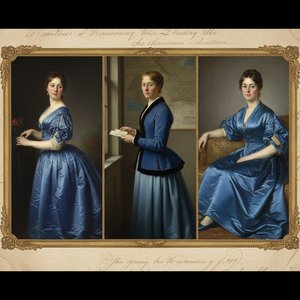
Azure Visions: Exploring Representations of the Blue Dress in Western Art History
Explore the rich history of the blue dress in Western art! Discover its symbolism, from Renaissance masterpieces to modern interpretations by artists like Martin & Schiele. Uncover cultural meanings and artistic techniques.
The Allure of Azure: Exploring the Symbolic & Aesthetic Depths of Blue in Art History
Explore the rich history of blue in art! Discover its symbolism, from ancient pigments to modern masterpieces by Kandinsky & Seurat. Uncover the psychological impact and cultural meanings behind this captivating hue.

Claude Monet: Cele Mai Iconice Lucrări – O Călătorie Prin Frumusețea Impresionismului | OriginalUniqueArt.ro
Descoperă cele mai frumoase lucrări Claude Monet – o călătorie prin impresionism, nufăr și peisaje iconice. Află povestea fiecărui tablou și adu atmosfera artistică în casa ta cu reproduceri de calitate superioară pe OriginalUniqueArt.com!

Crimson Threads of Narrative: Exploring Symbolism & Representation in Artworks Featuring the Red Dress
Explore the rich symbolism of the red dress in art history! From ancient power displays to iconic portraits like Cézanne’s 'Madame Cezanne', discover the cultural and artistic significance behind this captivating color. Expert analysis & insights.



