

 Vezi în context
 Trimite
 Distribuie
 Detalii
 Ghidul

 Descarcă
 Produse similare
 Radiografie
 Diaporama
 Statistici
Pulpit


 Citește mai mult
Lucrarea de artă afișată pe această pagină este protejată de legile privind drepturile de autor, ceea ce înseamnă că nu putem crea sau vinde în mod legal o reproducere identică. Această protecție este garantată prin acorduri internaționale, precum Convenția de la Berna și de legile naționale, inclusiv cele prevăzute de Legea dreptului de autor din S.U.A. – Titlul 17. Toate drepturile rezervate. Orice reproducere neautorizată este interzisă.
Această metodă respectă pe deplin reglementările privind drepturile de autor, deoarece nu implică copierea sau duplicarea operei protejate. În schimb, este o reinterpretare creativă – o pictură nouă, influențată de original, dar care nu este identică cu acesta.
Giclée / Imprimare artistică
Printuri giclée sau pe canvas de calitate muzeală, cu proces de producție rapid și opțiuni flexibile de finisare. ( Comandă pictură realizată manual Treci la imagine digitală)




P118B lei10

P118H lei10

P118W lei10

P438Z lei10

P508JH lei12

P508YH lei12

P805H lei10

P805Z lei10

P919BZ lei10

P919G lei10

P919XJ lei10

P959ZH lei10

P968JZ lei12

W106C lei8

W218G lei10

W218JH lei8

W218Y lei10

W307PJ lei10

W316G lei10

W316PJ lei8

W316Y lei10

W398PJ lei8

W4111J lei10

W500HY lei15

W500JH lei15

W692G lei12

W849H lei8

W940BG lei15

W953PJ lei8




Alegeți dintre dimensiunile noastre prestabilite, care respectă proporțiile originale ale operei de artă.

Introduceți lățimea și înălțimea de care aveți nevoie, pentru a se potrivi ramei sau peretelui dumneavoastră. O printare poate fi doar tăiată, niciodată extinsă dincolo de dimensiunea imaginii originale, astfel încât o dimensiune cu o formă diferită va pierde o parte din imagine. Vă trimitem o simulare digitală pentru aprobare înainte de a imprima orice. Imaginea afișată pe această pagină nu prezintă tăierea reală — doar simularea arată acest lucru.
Livrare în întreaga lume () în 2 săptămâni, în loc de cele 4/5 săptămâni standard. (24 Octombrie)

Livrare expres gratuită la nivel mondial

Pânză de in premium

Asigurare completă pentru transport

Garanție de rambursare a taxelor vamale

Garanția fidelității culorilor

Politica de retur în 100 de zile (doar pentru defecte)

Garanție de rambursare 100%

Reducere pentru comenzi multiple
 Opțiunea cu sticlă este disponibilă doar pentru dimensiuni de sub 110 cm

Pulpit
Giclée / Imprimare artistică
Dimensiune reproducere
-


Preț total
lei 371
Biografie artist
Guglielmo Achille Cavellini: A Pioneer of Self-Historicization and Abstract Art
Guglielmo Achille Cavellini (1914-1990), a name perhaps less familiar than some of his contemporaries, stands as a pivotal figure in the evolution of 20th-century Italian art. Born in Brescia, Italy, into a family with roots in Tuscany’s Lunigiana region – a landscape steeped in artistic tradition – Cavellini's life was one of constant movement and intellectual exploration, ultimately shaping him into a unique artist, collector, and self-historian. His career spanned decades, encompassing painting, performance art, mail art, and most notably, the development of his groundbreaking concept of *autostoricizzazione*—a deliberate attempt to construct a personal history through his own artistic output. Cavellini’s legacy lies not just in his individual works but in his radical approach to defining an artist's identity and relationship to their oeuvre.Early Life and Artistic Beginnings
Guglielmo Achille Cavellini was born on September 11, 1914, into a family deeply connected to the artistic heritage of Tuscany. His parents, hailing from small villages near Pontremoli, brought with them a tradition of craftsmanship and an appreciation for visual culture. Following his father’s work as a bricklayer and later as a hawker, the family relocated to Switzerland, then Lombardy, eventually settling in Brescia where they opened a store called Bazar 33. From a young age, Cavellini demonstrated a keen interest in drawing and painting, primarily landscapes—a reflection of his familial ties to the rolling hills and picturesque scenery of Tuscany. His formal artistic education began at the Cesare Arici Jesuit College, where he studied for nine years, but was forced to interrupt his studies due to family responsibilities. This early exposure to both traditional academic training and independent exploration laid the foundation for his later experimentation with diverse art forms.Influences and Artistic Development
Cavellini’s artistic journey was profoundly shaped by a series of encounters and experiences. A pivotal meeting in 1935 with Lisetta, whom he would marry, provided him with a crucial creative partnership. In 1938, while residing in Cortina d'Ampezzo, he befriended the painter Domenico Mucci, who offered him invaluable painting lessons. This period marked an important shift towards abstraction and experimentation. Crucially, Cavellini’s artistic development was fueled by his extensive travels and engagement with the art world. He spent time in Venice, absorbing the atmosphere of the city and studying the works of Filippo de Pisis; he visited Burano, where he met another influential painter. However, it was a visit to the Procuratie in Venice, before Giorgione’s *Tempest*, that proved particularly transformative. There, he encountered Emilio Vedova, who encouraged him to organize an exhibition showcasing his own work, alongside the contributions of Giuseppe Santomaso and art critics Giuseppie Marchiori and Marco Valsecchi. This event served as a crucial validation of his artistic vision and established him within the burgeoning Italian avant-garde scene. The collection he curated included works by Giorgio de Chirico, Amadeo Modigliani, Giorgio Morandi, Henri Rousseau, André Derain, Alfred Sisley, and Paul Cézanne – artists whose diverse styles and approaches undoubtedly influenced his own evolving aesthetic.Innovation: Autostoricizzazione and Mail Art
In the 1960s, Cavellini developed a truly unique concept—*autostoricizzazione*, or self-historicization. Rejecting traditional biographical accounts of artists, he began to construct his own personal history through his art itself. He created a series of works, including *Exhibitions at Home* and *Round Trip*, which functioned as deliberate narratives about his life, experiences, and artistic process. This involved sending himself postcards bearing images of his artwork, accompanied by handwritten notes—a form of mail art that simultaneously documented his activities and actively shaped the perception of his career. This innovative approach challenged conventional notions of authorship and artistic identity, positioning the artist not merely as a creator but as an active participant in shaping their own historical narrative.Legacy and Significance
Guglielmo Achille Cavellini’s contribution to 20th-century art is multifaceted. He was a pioneer of Mail Art, pushing the boundaries of artistic communication through unconventional means. His exploration of Neo-Dada and performance art further solidified his position as a key figure in Italian avant-garde movements. However, it is *autostoricizzazione* that truly distinguishes Cavellini’s work—a radical concept that continues to resonate with contemporary artists grappling with questions of identity, authorship, and the role of art in shaping our understanding of history. His influence extends beyond his individual creations; he left behind a legacy of experimentation, self-reflection, and a profound challenge to established artistic conventions. His archive, meticulously assembled over decades, offers a unique window into the mind of an artist who actively constructed his own story through the very act of creating art.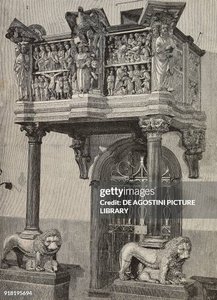
Fra Guglielmo
1914 - 1990 , United Kingdom
Informații rapide
- Full Name: Guglielmo Achille Cavellini
- Nationality: Italian
- Date Of Birth: 1914
- Date Of Death: 1990
- Place Of Birth: Brescia, United Kingdom
- Notable Artworks:
- Autostoricizzazione
- Round Trip
- Artistic Movement Or Style:
- Abstract art
- Mail Art
- Neo-Dada
- Performance art
- Artists Who Influenced This Artist:
- Giorgio de Chirico
- Amedeo Modigliani
- Gennaro Bellini
- Artists Or Movements Influenced By This Artist: ['Modern Italian art']
Articole conexe

The Enduring Form: Exploring Themes & Techniques in Sculpture Across Historical Periods
Explore the rich history of sculpture from ancient masterpieces to contemporary innovations. Discover key techniques, influential artists & investment potential for discerning art collectors.
Timeless Elegance: A Complete Guide to the Sublime Beauty and Artistry of Marble Sculpture
Discover the sublime beauty of marble art through an expert exploration of Renaissance and Neoclassical masterpieces. From the delicate textures of Carpeaux to the grandeur of Sansovino, immerse yourself in a guide to timeless elegance and sculptural perfection.

Top 10 Capodopere din Bronz care au Revoluționat Arta – Inspirație pentru Decor
Descoperă Top 10 sculpturi din bronz care au schimbat istoria artei! Explorează operele lui Rodin, Michelangelo și alți maeștri, tehnicile lor unice și inspirația pentru decorul casei tale. Replici de calitate muzeală pe OriginalUniqueArt.com.

The Enduring Allure of Marble in Art History: From Classical Sculpture to Modern Abstraction
Explore the captivating history of marble sculpture from ancient Greece to modern art. Discover renowned artists like Canova & Michelangelo, carving techniques, and investment insights at OriginalUniqueArt.
Timeless Grandeur: Exploring the Eternal Beauty and Art-Historical Legacy of Marble Sculpture
Explore the profound legacy of marble sculpture, from Classical antiquity to Neoclassical mastery. A definitive guide for elite collectors and designers seeking to integrate the luminous, eternal beauty of stone into sophisticated, high-end architectural spaces.