
 Previzualizare
 Trimite prin felicitare
 Distribuie
 Detalii despre lucrare
 Ghid
Ghid

 Descarcă imaginea
 Produse similare
 Radiografie
 Galerie foto
 Întrebări și răspunsuri
 Statistici
Anunțarea

- 88.0 x 63.0 cm


 Vezi mai mult
Giclée / Imprimare artistică
Printuri giclée sau pe canvas de calitate muzeală, cu proces de producție rapid și opțiuni flexibile de finisare. ( Comandă pictură realizată manual Comută pe Imagine Digitală)




P118B lei10

P118H lei10

P118W lei10

P438Z lei10

P508JH lei12

P508YH lei12

P805H lei10

P805Z lei10

P919BZ lei10

P919G lei10

P919XJ lei10

P959ZH lei10

P968JZ lei12

W106C lei8

W218G lei10

W218JH lei8

W218Y lei10

W307PJ lei10

W316G lei10

W316PJ lei8

W316Y lei10

W398PJ lei8

W4111J lei10

W500HY lei15

W500JH lei15

W692G lei12

W849H lei8

W940BG lei15

W953PJ lei8




Alegeți dintre dimensiunile noastre prestabilite, care respectă proporțiile originale ale operei de artă.

Introduceți lățimea și înălțimea necesare pentru a se potrivi ramei sau peretelui dumneavoastră. O printare poate fi doar tăiată, niciodată extinsă dincolo de dimensiunea imaginii originale, astfel încât o dimensiune cu o formă diferită va pierde o parte din imagine. Vă trimitem o simulare digitală pentru aprobare înainte de a imprima orice. Imaginea afișată pe această pagină nu prezintă tăierea reală — doar simularea arată acest lucru.
Livrare în întreaga lume () în 2 săptămâni, în loc de cele 4/5 săptămâni standard. (11 Noiembrie)

Livrare expres gratuită la nivel mondial

Pânză de in de înaltă calitate

Asigurare completă pentru transport

Garanție de rambursare a taxelor vamale

Garanția fidelității culorilor

Politica de retur în 100 de zile (doar pentru defecte de fabricație)

Garanție de rambursare 100%

Ofertă pentru comenzi multiple
 Opțiunea cu sticlă este disponibilă doar pentru dimensiuni de sub 110 cm

Anunțarea
Giclée / Imprimare artistică
Dimensiune reproducere
-


Preț total calculat
lei 387
Fra Carnevale’s Enigmatic Vision: The Annunciation Revisited
Fra Carnevale, a name whispered with reverence and shrouded in mystery within the annals of Quattrocento art history, remains one of the most elusive figures—a painter whose singular output defies easy categorization and whose legacy persists despite the scarcity of surviving works. Born around 1420 in Urbino, Duchy of Montefeltro, Carnevale’s artistic journey began with a fervent devotion to monastic life, marking him as a Dominican friar who simultaneously pursued mastery over pigment and form.
- A Singular Legacy: Only nine confirmed paintings bear Carnevale's signature, making his oeuvre exceptionally rare and fueling ongoing scholarly debate about his artistic significance.
- Early Influences & Veneto’s Guidance: His formative years were spent under the watchful eye of Jacopo Veneto, a visionary artist who championed innovative perspectival techniques—a stylistic influence that would indelibly shape Carnevale's distinctive approach to architectural representation.
Florence and Alberti’s Enduring Impact
Around 1445, Carnevale embarked on a transformative pilgrimage to Florence, immersing himself in the intellectual fervor of the humanist movement and encountering the groundbreaking theories of Leon Battista Alberti. Alberti's emphasis on mathematical precision and idealized proportions profoundly impacted Carnevale’s artistic sensibilities, propelling him toward an aesthetic rooted in classical ideals.
- Alberti’s Vision: Alberti’s treatises on architecture served as a beacon for Carnevale, inspiring him to strive for harmonious balance and structural elegance—principles evident throughout his surviving compositions.
The Anatomy of Genius: Style & Technique
Carnevale's artistic style is characterized by meticulous detail and unwavering commitment to perspectival accuracy—traits that distinguish him from many of his contemporaries. His technique involved the masterful application of tempera on wood panel, a medium favored during the Renaissance for its luminosity and durability. The artist’s painstaking layering of glazes created surfaces imbued with subtle tonal variations, capturing the ethereal quality of light and enhancing the overall visual richness.
- Tempera Mastery: Carnevale's meticulous technique ensured that his paintings retained their vibrancy and textural depth across centuries, demonstrating a profound understanding of material properties.
Symbolism & Spiritual Resonance
“The Annunciation,” housed in the National Gallery of Art in Washington D.C., exemplifies Carnevale’s artistic prowess and embodies the core tenets of Renaissance spirituality. The composition—centered around a courtyard bathed in diffused light—employs balanced proportions and carefully positioned figures to convey a sense of serene contemplation.
- Visual Narrative: Recurring symbols, such as the lily representing purity and the peacock symbolizing immortality, enrich the painting’s narrative dimension, inviting viewers to contemplate themes of divine grace and eternal life.
A Legacy Enduring Through Reproduction
Today, reproductions crafted by OriginalUniqueArt.com faithfully recreate Carnevale's artistic vision, utilizing the same pigments and techniques as the original masterpiece. These reproductions offer an unparalleled opportunity to experience the beauty and intellectual depth of Renaissance art—a testament to Carnevale’s enduring influence on generations of artists.
Explore more about Fra Carnevale and his remarkable contribution to art history at OriginalUniqueArt.com – where you can discover exceptional quality reproductions of iconic artworks like “The Annunciation” and “Transfiguration of Christ.”
Întrebări și răspunsuri
Unde pot achiziționa o printă a lucrării "Anunțarea" de Fra Carnevale?
O ediție print a lucrării "Anunțarea" de Fra Carnevale poate fi comandată direct pe pagina sa de Print Fine Art: o printă fine art pe canvas din bumbac sau pe hârtie canvas arhivistică.
Care sunt tehnica și dimensiunile lucrării "Anunțarea" de Fra Carnevale?
Originalul "Anunțarea" de Fra Carnevale este o lucrare de tip Acrilic pe pânză întinsă, cu dimensiunile de 88 x 63 cm. Tehnica și dimensiunea descriu obiectul original.
Ce stare și ce emoție se regăsesc în "Anunțarea"?
"Anunțarea" de Fra Carnevale transmite un sentiment Tranchil, într-o atmosferă generală Serenitate.
Biografie artist
Arhitectul Enigmatic al Renașterii din Urbino
În coridoarele umbrite ale Quattrocento-ului, puține figuri posedă farmecul tulburător al lui Fra Carnevale. Un nume șoptit cu reverență și mister, Bartolomeo di Giovanni Corradino — cunoscut istoriei prin titlul său monastic — rămâne unul dintre cei mai greu de urmărit maeștri ai Renașterii italiene. Născut în Urbino în jurul anului 1420, viața sa a fost o tapiserie delicată, țesută din fire de devotament spiritual și profundă inovație artistică. Ca membru al Ordinului Dominican, Carnevale a ocupat un spațiu unic, unde tăcerea contemplativă a cloastrului întâlnea rigoarea intelectuală înfloritoare a umanismului. Deși astăzi doar nouă lucrări pot fi atribuite cu certitudine mâinii sale, fiecare piesă supraviețuitoare servește drept o fereastră către o minte care a căutat să armonizeze divinul cu precizia matematică a lumii fizice.
Traiectoria artei lui Carnevale a fost modelată de marile crize artistice ale epocii sale. Anii săi formativi în Urbino, sub îndrumarea lui Jacopo Veneto, i-au insuflat o fascinație timpurie pentru perspectivă, o abilitate care avea să devină semnul distinctiv al stilului său matur. Totuși, călătoria sa la Florența, în jurul anului 1445, a fost cea care i-a aprins cu adevărat spiritul creativ. Imers în atmosfera vibrantă florentină, el a studiat sub influența lui Antonio Alberti și a intrat în atelierul prestigios al lui Filippo Lippi. Această ucenicie a fost transformatoare; de la Lippi, Carnevale a moștenit o stăpânire magistrală a culorii și o abordare delicată a compoziției, învățând să insuflească viață figurilor prin schimbări tonale subtile și profunzime emoțională.
O Stăpânire a Spațiului și a Narativului Sacru
Ceea ce distinge opera lui Fra Carnevale de contemporanii săi este capacitatea sa fără egal de a integra cadre arhitecturale complexe cu narațiuni sacre. El nu picta pur și simplu fundaluri; el construia lumi. Canvasurile sale prezintă adesea structuri impunătoare, inspirate clasic, care reflectă idealurile umaniste ale epocii, făcând ecou măreției Palatului Ducal din Urbino și tratatelor te\\teoretice ale lui Leon Battista Alberti. În lucrări precum Nașterea Fecioarei, se observă o căsătorie uluitoare între detaliul medieval și logica spațială a Renașterii. Adâncimea arhitecturală realizată în aceste panouri sugerează o înțelegere profundă a geometriei, creând o scenă în care miraculosul pare ancorat într-o realitate tangibilă și măsurabilă.
Repertoriul său tehnic era la fel de divers precum influențele sale, variind de la claritatea luminoasă a temerei până la texturile bogate ale picturii în ulei. În piese precum Sfântul Petru, el a utilizat lumina și umbra pentru a evoca un sentiment de solemnitate și prezență divină, în timp ce Scena Alegorică demonstrează o utilizare îndrăzneață a figurilor goale în cadre clasice, reflectând fascinația epocii pentru idealurile greco-romane redescoperite. Această capacitate de a naviga între cerințele pietoase ale vocației sale dominicane și cerințele estetice sofisticate ale patronilor precum Federico Montefeltro l-a permis să creeze artă care era simultan devotată și intelectual stimulatoare.
Moștenire și Rezonanță Istorică
Deși lipsa operelor sale supraviețuitoare aDus adesea cercetătorii să dezbată autenticitatea unor lucrări, semnificația istorică a lui Fra Carnevale nu poate fi exagerată. El a acționat ca un pod vital între experimentele timpurii ale secolului al XV-lea și perfecțiunea de înaltă Renaștere atinsă de maeștri precum Bramante și Rafael. Preocuparea sa pentru perspectiva arhitecturală și integrarea motivelor clasice au oferit un plan fundamental pentru generația următoare de artiști italieni. A studia Carnevale înseamnă a fi martorul momentului exact în care intensitatea spirituală a Evului Mediu a început să se îmbine cu viziunea structurată, centrată pe om, a Renașterii.
Astăzi, moștenirea acestui călugăr enigmatic trăiește prin fragmentele rare și prețioase ale viziunii sale care au rămas. El stă ca o mărturie a puterii „pictorului arhitectural”, un artist care vedea divinul nu doar în fețele sfinților, ci și în propriile proporții ale spațiului pe care îl ocupau. Viața sa, deși învăluită într-o mare incertitudine istorică, continuă să inspire uimire, amintindu-ne că chiar și cele mai evaziune figuri pot lăsa o urmă indelibilă în sufletul istoriei artei.

Fra Carnevale
1420 - 1484 , Italia
Detalii rapide
- Artistic Movement Or Style: Quattrocento
- Artists Or Movements Influenced By This Artist: ['Filippo Lippi']
- Artists Who Influenced This Artist:
- Antonio Alberti
- Dominico Veneziano
- Date Of Birth: c. 1420
- Date Of Death: 1484
- Full Name: Bartolomeo di Giovanni Corradini
- Nationality: Italian
- Notable Artworks:
- The Annunciation
- Portrait of a Man
- Place Of Birth: Urbino, Italy
Articole similare
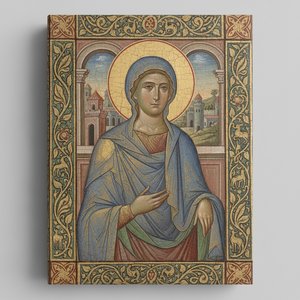
Capodopere Tempera pe Panou: 10 Lucrări Legendare care au Schimbat Arta | OriginalUniqueArt.ro
Descoperă 10 capodopere legendare în tempera pe panou! Explorează Giotto, Botticelli și Jan van Eyck – poveștile artei medievale și renascentiste. Reproduceri de artă de calitate muzeală pentru un decor interior rafinat. Explorează colecția completă online pe OriginalUniqueArt.com

Fra Angelico: Cele Mai Frumoase Capodopere – Artă Sacră pentru Decorul Casei Tale
Descoperă cele mai frumoase 25 de picturi Fra Angelico, capodopere ale artei renascentiste. Fresce religioase pline de culoare și emoție, perfecte pentru decorul casei tale. Reproduceri de artă de calitate muzeală pe OriginalUniqueArt.com! Explorează colecția online.
High Medieval Art: 10 Masterpieces That Shaped an Era | OriginalUniqueArt
Journey through High Medieval Art! Explore 10 iconic masterpieces – from Giotto's frescoes to stunning Gothic cathedrals. Discover the stories behind these timeless paintings, sculptures & illuminated manuscripts. Find museum-quality art reproductions at OriginalUniqueArt.com.

Tempera on Panel: A Procurement Guide to Durable, High-Quality Art for Large-Scale Hospitality Projects
A professional procurement guide for hotel designers on the durability and prestige of tempera on panel. Discover how these high-quality, large-scale artworks offer unmatched longevity and architectural impact for premium hospitality projects and commercial interiors.

Illuminating Surfaces: A Comprehensive Exploration of Tempera on Panel Painting Techniques & Historical Significance
Explore the rich history & techniques of tempera painting! Discover Renaissance masters like Botticelli & Fra Angelico, conservation insights, and the enduring legacy of this captivating art form. Learn more now!


