
 Previzualizare

 Trimite prin felicitare
 Distribuie
 Detalii despre lucrare
 Ghid


 Descarcă imaginea
 Produse similare
 Radiografie
 Galerie foto
 Întrebări și răspunsuri
 Statistici
Forest Landscape

- 111.0 x 99.0cm


 Vezi mai mult
Giclée / Imprimare artistică
Printuri giclée sau pe canvas de calitate muzeală, cu proces de producție rapid și opțiuni flexibile de finisare. ( Comandă pictură realizată manual Comută pe Imagine Digitală)




































Alegeți dintre dimensiunile noastre prestabilite, care respectă proporțiile originale ale operei de artă.

Introduceți lățimea și înălțimea necesare pentru a se potrivi ramei sau peretelui dumneavoastră. O printare poate fi doar tăiată, niciodată extinsă dincolo de dimensiunea imaginii originale, astfel încât o dimensiune cu o formă diferită va pierde o parte din imagine. Vă trimitem o simulare digitală pentru aprobare înainte de a imprima orice. Imaginea afișată pe această pagină nu prezintă tăierea reală — doar simularea arată acest lucru.
Livrare în întreaga lume () în 2 săptămâni, în loc de cele 4/5 săptămâni standard. (19 Noiembrie)

Livrare expres gratuită la nivel mondial

Pânză de in de înaltă calitate

Asigurare completă pentru transport

Garanție de rambursare a taxelor vamale

Garanția fidelității culorilor

Politica de retur în 100 de zile (doar pentru defecte de fabricație)

Garanție de rambursare 100%

Ofertă pentru comenzi multiple
 Opțiunea cu sticlă este disponibilă doar pentru dimensiuni de sub 110 cm

Forest Landscape
Giclée / Imprimare artistică
Dimensiune reproducere
-


Preț total calculat
lei 385
Biografie artist
Teaching Career in Weimar
In 1871, Theodor Hagen arrived at the Weimar Saxon-Grand Ducal Art School. He had been summoned to take over the teaching of landscape painting, stepping into the position left by Max Schmidt. His presence at the school was initially a temporary arrangement, but by 1874, he had secured a permanent appointment. He spent many years within these walls, shaping how others approached the natural world through paint.
The administrative side of the school eventually took hold of his schedule. From 1876 to 1881, Theodor Hagen served as the head of the art department. This period required a different kind of focus, one centered on the management of the institution rather than the immediate observation of light and shadow. The duties of leadership grew heavy, and he eventually found himself weary of the administrative responsibilities that came with the role.
He chose to step away from the desk and the formal oversight of the department. He returned to the simple, direct work of teaching, focusing his energy back on the practice of painting. This shift allowed him to move away from the complexities of school management and return to the studio and the classroom, where his primary interest lay.
Artistic Style and Movements
The brushwork reveals a shift away from the rigid structures of his early training toward the open air. He found a sense of purpose in the plein-air methods used by the French Barbizon School, moving his easel into the elements to catch the shifting atmosphere. This approach allowed for a more direct engagement with the natural world, focusing on how light and colour interact in a specific moment. His canvases often capture the way light settles upon the surface of the water or filters through a heavy sky.
Much of his focus remained on the coast. He spent significant time painting the harbor and the North Sea, seeking to translate the movement of the tides and the weight of the maritime air onto the canvas. This interest in the immediate effects of light and atmosphere helped establish him as one of the founders of German Impressionism. Rather than seeking idealized landscapes, he looked for the subtle, unembellished truth of the scenery, often working closely with the changing weather to find the right tone for a scene.
Affiliations, Pupils and Death
His influence extended through the hands of those who sat in his classroom. Among his most notable students were Christian Rohlfs, Hanns Diehl, and Franz Bunke. These men learned under his guidance, carrying forward the lessons of landscape and light that he had refined through his own practice.
As his career progressed, he became part of the shifting circles of German art. He joined the Munich Secession in 1893 and later became a member of the Berlin Secession in 1902. These affiliations placed him at the center of the evolving artistic landscape in Germany during the turn of the century.
He spent his final years in Weimar. He died there on 12 February 1919. His presence in the city remains marked by a street named the Theodor-Hagen-Weg and his former home at Trierer Straße 36, which is preserved as a municipal monument.

Theodor Hagen
1842 - 1919 , Germany
Detalii rapide
- Artistic Movement Or Style: Impressionism
- Artists Or Movements Influenced By This Artist:
- Christian Rohlfs
- Hanns Diehl
- Franz Bunke
- Artists Who Influenced This Artist:
- Oswald Achenbach
- Barbizon School
- Full Name: Theodor Joseph Hagen
- Nationality: German
- Place Of Birth: Düsseldorf, Germany
- Date Of Birth: 1842
- Date Of Death: 1919
Articole similare

Masterpieces of Munich: Top 25 Artworks in the Bavarian State Painting Collections
Explore 25 iconic masterpieces from Munich's Bavarian State Painting Collections. Discover timeless art on OriginalUniqueArt.com.

Masterpieces of Munich: Top 25 Artworks in the Bavarian State Painting Collections
Explore 25 iconic masterpieces from Munich's Bavarian State Painting Collections. Discover timeless art on OriginalUniqueArt.com.
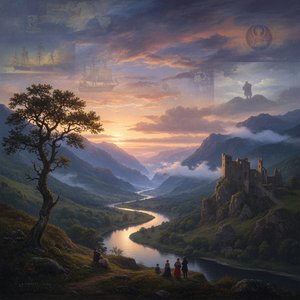
Peisaje Romantice Iconice: 10 Capodopere Artistice pentru Decorul de Lux
Descoperă 10 capodopere romantice iconice de Caspar David Friedrich, Turner și alți maeștri. Explorează istoria artei, emoțiile din peisaje și găsește tablouri canvas perfecte pentru decorul tău pe OriginalUniqueArt.com!

Golden Splendor: The Top 25 Masterpieces by Gustav Klimt
Immerse yourself in the golden splendor of Gustav Klimt. Explore 25 iconic masterpieces from the Vienna Secession, featuring breathtaking Art Nouveau textures and symbolism. Find inspiration for museum-quality art reproductions and decor. Discover all masterpieces on OriginalUniqueArt.com.
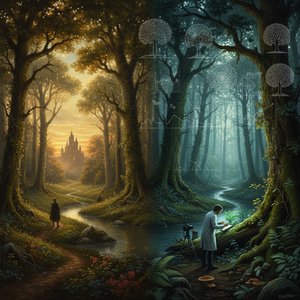
The Enchanted Canopy: Exploring Forests in Art History – From Romantic Idealization to Ecological Consciousness
Explore the rich history of forests in art! Discover Romantic masterpieces by Friedrich & Monet, Symbolist depths, and contemporary visions. Find inspiration & quality reproductions at OriginalUniqueArt.