Meniu
Text size

() ·

A painting made for you, by hand

Figure study

Reproducere pictată manual în ulei

Pictură în ulei pe pânză, pictată manual de artiștii noștri la dimensiunea și ramele dorite de dumneavoastră, pe comandă. ( Comută pe versiunea Print Comută pe Imagine Digitală)

Descriere obiect de colecție

Explore Filippo Lippi's masterful pen drawing 'Figure Study,' capturing the contemplative grace of a Renaissance woman amidst classical drapery and subtle shading techniques.

Biografie artist

Filippo Lippi (1406-1469): pictor florentin renumit pentru Madone lirice, realism inovator și compoziții complexe din perioada Renașterii. A influențat pe Botticelli și a modelat arta Quattrocento!

from ·

Chapter 1

How large should it be?

Slide to change the size; the picture on the left shows the frame at its real width. The proportions of the original are kept.

Standard
personalizat
CM
INCH

Alegeți dintre dimensiunile noastre prestabilite, care respectă proporțiile originale ale operei de artă.

lățime
înălțime

Introduceți lățimea și înălțimea necesare pentru a se potrivi ramei sau peretelui dumneavoastră. Această lucrare este pictată manual, așa că, pentru o dimensiune cu o formă diferită, artistul poate picta puțin mai mult în jurul imaginii sau poate tăia puțin din margini — dumneavoastră decideți. Vă vom trimite o simulare digitală pentru aprobare înainte de a începe pictarea. Imaginea afișată pe această pagină nu reprezintă rezultatul real — doar simularea este reprezentativă.

Chapter 2

How should it arrive?

Choose the edges of the stretched canvas

Choose your frame

Corner sample of the WhiteWrap canvas edge finish, stretched on lemn masiv bars
White lei1
Corner sample of the BlurSideWrap canvas edge finish, stretched on lemn masiv bars
Blurside lei1
Corner sample of the ExtendedWrap canvas edge finish, stretched on lemn masiv bars
Extended lei1
Corner sample of the P118B picture frame: polistiren turnat, 5 cm wide and 3 cm thick
P118B lei10
Corner sample of the P118H picture frame: polistiren turnat, 5 cm wide and 3 cm thick
P118H lei10
Corner sample of the P118W picture frame: polistiren turnat, 5 cm wide and 3 cm thick
P118W lei10
Corner sample of the P438Z picture frame: polistiren turnat, 5.5 cm wide and 3.5 cm thick
P438Z lei10
Corner sample of the P508JH picture frame: polistiren turnat, 7 cm wide and 3.5 cm thick
P508JH lei12
Corner sample of the P508YH picture frame: polistiren turnat, 7 cm wide and 3.5 cm thick
P508YH lei12
Corner sample of the P805H picture frame: polistiren turnat, 5 cm wide and 3.5 cm thick
P805H lei10
Corner sample of the P805Z picture frame: polistiren turnat, 5 cm wide and 3.5 cm thick
P805Z lei10
Corner sample of the P919BZ picture frame: polistiren turnat, 7 cm wide and 3.5 cm thick
P919BZ lei10
Corner sample of the P919G picture frame: polistiren turnat, 7 cm wide and 3.5 cm thick
P919G lei10
Corner sample of the P919XJ picture frame: polistiren turnat, 7 cm wide and 3.5 cm thick
P919XJ lei10
Corner sample of the P959ZH picture frame: polistiren turnat, 5 cm wide and 3 cm thick
P959ZH lei10
Corner sample of the P968JZ picture frame: polistiren turnat, 6 cm wide and 4 cm thick
P968JZ lei12
Corner sample of the W106C picture frame: lemn masiv, 5 cm wide and 3 cm thick
W106C lei8
Corner sample of the W218G picture frame: lemn masiv, 5 cm wide and 3 cm thick
W218G lei10
Corner sample of the W218JH picture frame: lemn masiv, 5 cm wide and 3 cm thick
W218JH lei8
Corner sample of the W218Y picture frame: lemn masiv, 5 cm wide and 3 cm thick
W218Y lei10
Corner sample of the W307PJ picture frame: lemn masiv, 6 cm wide and 3 cm thick
W307PJ lei10
Corner sample of the W316G picture frame: lemn masiv, 6 cm wide and 3 cm thick
W316G lei10
Corner sample of the W316PJ picture frame: lemn masiv, 6 cm wide and 3 cm thick
W316PJ lei8
Corner sample of the W316Y picture frame: lemn masiv, 6 cm wide and 3 cm thick
W316Y lei10
Corner sample of the W398PJ picture frame: lemn masiv, 5 cm wide and 3 cm thick
W398PJ lei8
Corner sample of the W4111J picture frame: lemn masiv, 6.5 cm wide and 3.5 cm thick
W4111J lei10
Corner sample of the W500HY picture frame: lemn masiv, 7 cm wide and 5 cm thick
W500HY lei15
Corner sample of the W500JH picture frame: lemn masiv, 7 cm wide and 5 cm thick
W500JH lei15
Corner sample of the W692G picture frame: lemn masiv, 8 cm wide and 4 cm thick
W692G lei12
Corner sample of the W849H picture frame: lemn masiv, 5 cm wide and 3 cm thick
W849H lei8
Corner sample of the W940BG picture frame: lemn masiv, 7.5 cm wide and 4.5 cm thick
W940BG lei15
Corner sample of the W953PJ picture frame: lemn masiv, 6 cm wide and 3.5 cm thick
W953PJ lei8
Corner sample of the H24-GOLD picture frame: lemn sculptat cu gesso, 10 cm wide and 6 cm thick
H24-GOLD lei30
Corner sample of the H24-SILVER picture frame: lemn sculptat cu gesso, 10 cm wide and 6 cm thick
H24-SILVER lei30
Corner sample of the H36-GOLD picture frame: lemn sculptat cu gesso, 15 cm wide and 6.5 cm thick
H36-GOLD lei45
Corner sample of the H36-SILVER picture frame: lemn sculptat cu gesso, 15 cm wide and 6.5 cm thick
H36-SILVER lei45

Moulding: . Overall size with the frame: .

Chapter 3

Who paints it, and should anything change?

Examples of what can be changed: Replace face with customer photo; Add pet (e.g., replace cat with dog); Include hidden message in background; Change background landscape or elements.
After order, OriginalUniqueArt.com team will email client for instructions and provide a mockup preview

Livrare în întreaga lume () în 3-4 săptămâni, în loc de cele 5 săptămâni standard. (30 Octombrie). Fără compromisuri în ceea ce privește calitatea.

Chapter 4

The finishing touches

A nameplate, as in a museum?

Detalii plăcuță din bronz gravat

This elegant plaque features the artist's name and the title of the artwork, finely engraved for a timeless presentation.

It is made from bronze with a refined, elegant finish. The text is precisely laser-engraved for a sharp and permanent result. Measuring 9x2 cm, the plaque is compact yet easy to read. It's built to be durable and scratch-resistant, offering a professional, museum-quality look. Mounting is simple thanks to the included adhesive backing.

Detalii plăcuță din acril transparent

The plaque includes essential engraved details such as the artist's name, the title of the artwork, the date it was created, the type of media used-like oil on canvas or watercolor-a brief description of the piece, and a QR code that links to the complete artwork information.

It is crafted from clear acrylic, offering a sleek, modern appearance. The text is UV-engraved in black to ensure strong visual contrast. With a size of 10x15 cm, it ensures optimal readability. It comes equipped with two metal hooks for secure wall mounting. The plaque is designed to be weather-resistant, making it suitable for various environments, and it includes interactive features that work seamlessly with smartphone scanning.

Detalii placă din acril negru

This elegant plaque includes engraved information such as the artist's name, the title of the artwork, the date it was created, the type of media used (like oil on canvas or watercolor), a short description of the artwork, and a QR code for quick access to more information.

The plaque itself is made from refined black acrylic with a premium finish. The text is laser-engraved in white for high contrast and readability. Its size is 10x15 cm, designed to be easy to read. It comes with two metal hooks for professional mounting. The design is sleek and fits any interior style. It is also weather-resistant and durable, with built-in digital integration for mobile compatibility.

A protective varnish?

When do you need it?

Chapter 5

Your painting, as you ordered it

Figure study

Tehnică de reproducere

Dimensiune reproducere

-

Selecție de artiști de elită

Mai multe detalii, rafinament și timp suplimentar de execuție

-

Ramă pentru reproducere artistică

-

-

Pentru opere de artă sau reproduceri care depășesc 105 cm (aproximativ 41 de inch) pe oricare dintre laturi, cadrul va fi livrat demontat, sub formă de kit. Această metodă asigură o livrare sigură și previne deteriorarea în timpul transportului.

Este necesară asamblarea profesională – acest produs nu este de tip DIY (de făcut singur).
Kitul trebuie asamblat, iar pânza întinsă, de către un legător de cadre experimentat, utilizând adeziv pentru lemn (neinclus în colet), o cheie pentru întinderea pânzei și cleme pentru a menține barele la unghi drept în timp ce adezivul se usucă. Asamblarea incorectă sau tensiunea neuniformă a pânzei pot deteriora permanent opera de artă și nu sunt acoperite de garanția noastră.

  • Toate barele din lemn masiv sunt incluse, tăiate cu precizie la dimensiunea necesară.

  • Asamblat cu șuruburile incluse, plus adeziv pentru lemn pentru îmbinările de colț, care nu este furnizat și trebuie achiziționat de către tâmplarul dumneavoastră.

  • Sunt necesare unelte profesionale care nu sunt incluse: o șipte de întindere a pânzei (tensionator) și cleme pentru a menține barele la unghi drept în timp ce adezivul se usucă.

Important:
Îmbinările de colț necesită adeziv pentru lemn, barele trebuie fixate cu clești de strângere până când adezivul este complet uscat, iar întinderea pânzei pe cadrul asamblat necesită un clește pentru întins pânza. Niciunul dintre aceste elemente nu este inclus în kit. Vă rugăm să consultați un încadrator profesionist cu experiență înainte de a comanda această dimensiune.

Etichetă de prezentare

-

-

Lac de protecție

Lac lucios (intensifică nuanțele și oferă protecție împotriva luminii și a umidității)

-

Personalizează opera mea de artă

Exemple de elemente ce pot fi personalizate: Înlocuirea feței cu fotografia clientului; Adăugarea unui animal de companie (de exemplu, înlocuirea unei pisici cu un câine); Includerea unui mesaj ascuns în fundal; Modificarea peisajului sau a elementelor din fundal.

-

Livrare rapidă

Livrare la nivel mondial () în 3-4 săptămâni, în loc de cele 5 săptămâni standard. (30 Octombrie). Fără compromisuri când vine vorba de calitate.

-

Livrare rapidă

Livrare la nivel mondial () în 5 săptămâni. (6 Noiembrie).

Inclus

Preț total calculat

lei 1408

Preț total lei 1408

Opțiunea cu sticlă este disponibilă doar pentru dimensiuni de sub 110 cm

Included with every order

  • Livrare expres gratuită la nivel mondial
  • Pânză de in de înaltă calitate
  • Asigurare completă pentru transport
  • Garanție de rambursare a taxelor vamale
  • Garanția fidelității culorilor
  • Politica de retur în 100 de zile (doar pentru defecte de fabricație)
  • Garanție de rambursare 100%
  • Ofertă pentru comenzi multiple

A Study in Contemplation: Filippo Lippi’s Figure Drawing

The artwork presented here—a meticulously rendered pen drawing titled “Figure study”—offers a glimpse into the artistic sensibilities of Filippo di Tommaso Lippi, one of Florence's most celebrated Renaissance masters. Executed around 1452, this piece transcends mere representation; it embodies the humanist ideals that were reshaping European thought during the period and speaks to themes of introspection and idealized beauty—elements deeply rooted in classical tradition.

Historical Context: The Florentine Renaissance

Lippi’s artistic journey unfolded against the backdrop of Florence's burgeoning Renaissance. Following the rediscovery of Classical texts and art, artists like Lippi sought inspiration from ancient Greece and Rome, striving to capture human form with unprecedented accuracy and grace. This fascination with antiquity wasn’t simply aesthetic; it represented a profound shift in worldview—a belief in human potential and an embrace of reason alongside faith—influencing every facet of Florentine culture and artistic production. The drawing itself reflects this intellectual fervor, mirroring the humanist preoccupation with capturing the essence of humanity through observation and disegno (drawing).

Technique: Mastering Line and Tone

The artist’s mastery is evident in his masterful application of pen and ink on paper. Lippi employed a technique characterized by delicate hatching and cross-hatching—methods that allowed him to achieve remarkable tonal variation without resorting to color. These lines, meticulously crafted with varying pressures, create subtle gradations of gray, simulating the textures of skin and drapery with astonishing realism. The artist’s careful attention to detail is further underscored by the use of fine line weights, emphasizing contours and conveying a sense of movement—particularly noticeable in the upward tilt of the woman's left arm as she draws her hair. This technique wasn’t merely about replicating visual appearances; it was about communicating emotion and capturing the psychological state of the subject.

Composition and Symbolism: Ideal Beauty and Inner Reflection

The composition centers around a single female figure positioned prominently within the frame, directing the viewer's gaze directly to her expressive face. Her posture—slightly turned towards the viewer—suggests contemplation and invites us to consider her inner life. The positioning of her arm contributes to this sense of movement and conveys an unspoken yearning for serenity. Symbolically, the drawing aligns with Renaissance ideals of beauty—specifically, the concept of “ideal bellezza,” which prioritized harmony, proportion, and grace. Lippi’s depiction isn't merely a portrait; it’s an exploration of human dignity and spiritual contemplation—themes that resonated deeply within the humanist worldview of his time.

Emotional Impact: A Moment Frozen in Time

Looking at "Figure study," one senses not just visual precision but also palpable emotion. The soft, diffused lighting enhances the drawing's ethereal quality, creating subtle tonal nuances that convey a sense of quietude and introspection. The artist’s skillful rendering captures a fleeting moment—a gesture of repose—that speaks to the universal human desire for peace and contemplation. It is this ability to evoke feeling through visual form that elevates Lippi’s work beyond mere representation, cementing its place as an enduring testament to Renaissance artistic achievement.

Întrebări și răspunsuri

Unde pot vedea o previzualizare pentru „Figure study”?

Pentru o previzualizare a unei reproduceri a operei "Figure study" de Filippo Lippi, accesați pagina de Previzualizare în spațiu a lucrării.

Este "Figure study" de Filippo Lippi o operă de artă cunoscută?

"Figure study" de Filippo Lippi are un nivel de popularitate Recognized. Această clasificare reflectă cât de larg este recunoscută lucrarea.

Ce ton emoțional transmite stilul Renaissance Humanism din "Figure study"?

"Figure study" emană o Reflective notă emoțională, specifică mișcării Renaissance Humanism.

More about this painting

Previzualizare Previzualizare AR Comută pe versiunea Print Comută pe Imagine Digitală Trimite prin felicitare
Detalii despre lucrare Ghid Adaugă la favorite Descarcă imaginea Produse similare Radiografie Galerie foto Q&A Statistici

In numbers

  • 1452the year it was painted
  • 29frames to choose from
  • standard sizes, in its own proportions
  • 5weeks to paint and deliver it
Filippo Lippi

Filippo Lippi

1406 - 1469, Italia

Quick facts about Filippo Lippi

  • Artistic Movement Or Style: Renaștere timpurie
  • Artists Or Movements Influenced By This Artist: ['Botticelli']
  • Artists Who Influenced This Artist: ['Masaccio']
  • Date Of Birth: 1406
  • Date Of Death: 1469
  • Full Name: Filippo di Tommaso Lippi
  • Nationality: Italian
  • Notable Artworks:
    • Annunțarea
    • Coronarea Virginiei
  • Place Of Birth: Florența, Italia

Biografie artist

A Florentine Rebel: The Life and Art of Filippo Lippi

Filippo di Tommaso Lippi, cunoscut pe nume Fra Filippo Lippi, a fost o figură atât binecuvântată de geniu artistic, cât și umbrită de o viață plină de scandaluri și alegeri neconvenționale. Născut în Florența în 1406, din familia unui brutar, primele sale experiențe au fost marcate de pierdere: orfanat la doar doi ani, a fost plasat sub tutela surorii sale, Mona Lapaccia. Această situație l-a dus, la vârsta de opt ani, în mănăstirea Carmelitilor – o cale care nu numai că a modelat dezvoltarea sa artistică, ci și a definit complexitățile personalității sale. În acele ziduri claustrofobice, tânărul Filippo a început educația sa formală și, mai presus de toate, a descoperit pasiunea pentru pictură. Influența acestui mediu este palpabilă în multe dintre operele sale – un echilibru delicat între devoțiunea spirituală și o sensibilitate tot mai umanistă.

De Vows Religioase la Inovație Artistică

Intrarea lui Lippi în Ordinul Carmelitilor în 1420 nu a fost doar o consecință a circumstanțelor, ci părea să aprindă în el un impuls artistic fervent. A luat asupra sa angajamentele religioase la vârsta de șaisprezece ani și a fost tuns preot în jurul anului 1425, rămânând în prioria până în 1432. Este în această perioadă că artistorul Giorgio Vasari relatează cum Lippi a fost captivat de frescele revoluționare ale lui Masaccio în Capela Brancacci – o întâlnire care s-a dovedit crucială. Impactul naturalismului și utilizarea inovatoare a luminii a lui Masaccio sunt vizibile clar în primele lucrări ale lui Lippi, cum ar fi *Tarquinia Madonna*, unde o realism nou apare. Cu toate acestea, Lippi nu a fost doar un imitator; el a dezvoltat rapid propriul său stil distinctiv, caracterizat de grație lirică, culoare delicată și o profunzime emoțională subtilă care îl diferenția de contemporanii săi. A început să infuzeze scenele religioase cu un sentiment de intimitate și conexiune umană, îndepărtându-se de formalismul mai rigid al artei devotamentale anterioare.

Un Maestru al Compoziției și al Controversei

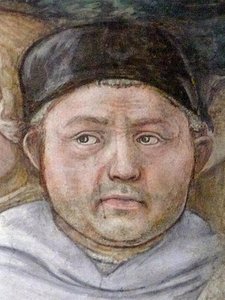
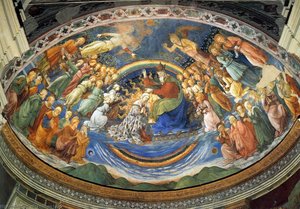
Cariera artistică a lui Lippi a prosperat în Florența, atrăgând comenzi de la familii proeminente precum familia Medici. Lucrări precum *Anunțarea și cei Șapte Sfinți* demonstrează capacitatea sa de a crea compoziții complexe pline de semnificație simbolică și detalii elegante. *Coronarea Virginiei*, finalizată în 1441 pentru surorile din Sant'Ambrogio, este deosebit de notabilă; prezintă o figură jumătate-lungime care mulți o consideră un autoritativ portret al lui Lippi însuși – o aserțiune îndrăzneață a identității artistice într-un context religios. Dar viața sa nu a fost liniștită. A fost adesea implicat în dificultăți financiare, dispute legale și acuzații de falsificare. Cel mai scandalos episod a fost abducția lui Lucrezia Buti, o călugăriță din Prato, cu care a avut o relație îndelungată și, în cele din urmă, s-a căsătorit după ani de scandal și controversă. Acest act, deși șocant pentru acea vreme, vorbește despre spiritul rebel al lui Lippi și despre dorința sa de a sfida normele societății în urmărirea fericirii personale.

Moștenire și Influență

În ciuda turbulențelor vieții sale, Filippo Lippi a lăsat o amprentă indelebilă asupra artei renascentiste. A fost un pictor solicitat de mulți, iar atelierul său a devenit un teren fertil pentru viitorii maeștri. Printre elevii săi cei mai distinși s-au numărat Sandro Botticelli și Francesco di Pesello (Pesellino), ambii dintre care au ajuns să obțină recunoaștere semnificativă în propriile lor drepturi. Influența lui Lippi poate fi văzută în frumusețea lirică și expresivitatea emoțională care caracterizează multe dintre picturile florentine din sfr. XIV-XV sec. A pus capăt lacunelor dintre naturalismul timpurii renascentiste al lui Masaccio și estetica mai rafinată a Renașterii înalte, deschizând calea pentru o nouă generație de artiști să exploreze posibilitățile formei umane și ale emoției. Abilitatea sa de a combina credința religioasă cu realismul lumii, combinată cu compozițiile sale inovatoare și tehnica excepțională, i-a consolidat locul ca una dintre cele mai importante și captivante figuri ale Renașterii italiene. A murit în Spoleto în 1469, lăsând în urmă o moștenire care continuă să inspire uimire și admirație secole după secol. Arta sa rămâne un testament al puterii creativității umane și al farmecului etern al frumuseții.

Influente

Lippi a fost influențat de Masaccio, în special prin utilizarea luminii și a perspectivei. De asemenea, a fost influențat de tradițiile pictorilor florentini din secolul XIV, precum Donatello.

Informații rapide

  • Year: 1452
  • Title: Figure study
  • Medium: Pen and ink on paper
  • Location: Private Collection
  • Movement: Early Renaissance
  • Dimensions: 292 x 199 cm

Test de cunoștințe despre artă

Fiecare întrebare are un singur răspuns corect.

Întrebare 1:
What artistic movement is Filippo Lippi’s ‘Figure study’ associated with?
Întrebare 2:
The image description mentions a 'soft and diffused' lighting effect. Why is this significant in the context of Renaissance art?
Întrebare 3:
What technique did Lippi employ to create shading and volume in the drawing?
Întrebare 4:
The description notes that the pose of the woman suggests 'introspection or preparation.' What does this imply about Lippi's artistic intentions?
Întrebare 5:
What is the primary stylistic characteristic of ‘Figure study’ according to the text?