

 Vezi în context
 Trimite
 Distribuie
 Detalii
 Ghidul

 Descarcă
 Produse similare
 Radiografie
 Diaporama
 Statistici
St Jerome
 Oil On Canvas
- WallArt
- Renaissance Art
 1490
1490- Renaissance
 136.0 x 71.0 cm
 Galleria degli Uffizi
 Citește mai mult
Giclée / Imprimare artistică
Printuri giclée sau pe canvas de calitate muzeală, cu proces de producție rapid și opțiuni flexibile de finisare. ( Comandă pictură realizată manual Treci la imagine digitală)




P118B lei10

P118H lei10

P118W lei10

P438Z lei10

P508JH lei12

P508YH lei12

P805H lei10

P805Z lei10

P919BZ lei10

P919G lei10

P919XJ lei10

P959ZH lei10

P968JZ lei12

W106C lei8

W218G lei10

W218JH lei8

W218Y lei10

W307PJ lei10

W316G lei10

W316PJ lei8

W316Y lei10

W398PJ lei8

W4111J lei10

W500HY lei15

W500JH lei15

W692G lei12

W849H lei8

W940BG lei15

W953PJ lei8




Alegeți dintre dimensiunile noastre prestabilite, care respectă proporțiile originale ale operei de artă.

Introduceți lățimea și înălțimea de care aveți nevoie, pentru a se potrivi ramei sau peretelui dumneavoastră. O printare poate fi doar tăiată, niciodată extinsă dincolo de dimensiunea imaginii originale, astfel încât o dimensiune cu o formă diferită va pierde o parte din imagine. Vă trimitem o simulare digitală pentru aprobare înainte de a imprima orice. Imaginea afișată pe această pagină nu prezintă tăierea reală — doar simularea arată acest lucru.
Livrare în întreaga lume () în 2 săptămâni, în loc de cele 4/5 săptămâni standard. (22 Octombrie)

Livrare expres gratuită la nivel mondial

Pânză de in premium

Asigurare completă pentru transport

Garanție de rambursare a taxelor vamale

Garanția fidelității culorilor

Politica de retur în 100 de zile (doar pentru defecte)

Garanție de rambursare 100%

Reducere pentru comenzi multiple
 Opțiunea cu sticlă este disponibilă doar pentru dimensiuni de sub 110 cm

St Jerome
Giclée / Imprimare artistică
Dimensiune reproducere
-


Preț total
lei 370
A Sanctuary of Silence: The Soul of Filippino Lippi’s St Jerome
In the quiet corners of the Galleria degli Uffizi, there exists a window into a world of profound stillness. Filippino Lippi’s St Jerome, executed around 1490, is not merely a portrait of a saint; it is an invitation to pause. As one gazes upon this oil on canvas masterpiece, the frantic pace of the modern world seems to dissolve, replaced by the heavy, sacred atmosphere of the High Renaissance. Lippi, the talented son of Fra Filippo Lippi, possessed a rare ability to bridge the gap between the divine and the human. In this work, he captures the essence of spiritual contemplation, presenting a figure that feels as much a part of our shared humanity as he is a vessel for the divine.
The composition draws the viewer into a moment of deep, internal dialogue. St Jerome is depicted in his characteristic state of scholarly devotion, seated against the rugged textures of a stone wall or rock. His posture—leaning forward with a hand pressed thoughtfully to his forehead—suggests a mind caught in the labyrinth of scripture and prayer. The light in the painting does not strike with harshness; rather, it is a diffused, natural glow that bathes the saint, highlighting the delicate folds of his simple robe and the weathered lines of his face. This masterful use of chiaroscuro creates a palpable sense of three-dimensionality, making the saint’s presence feel almost tangible within the frame.
Symbolism and the Natural World
Lippi weaves a rich tapestry of symbolism into the very landscape that surrounds his subject. The background is far from a mere backdrop; it is a living, breathing extension of Jerome's inner state. Mature trees and lush foliage frame the scene, suggesting the vitality of creation even amidst the saint's solitary asceticism. Perhaps most poignant is the subtle presence of the lion, tucked into the upper corner of the composition. This small but significant detail serves as a powerful nod to the hagiography of St Jerome, recalling the legend of the saint taming the wild beast by removing a thorn from its paw—a metaphor for the power of compassion to subdue even the most ferocious impulses.
The color palette is intentionally subdued, favoring earthy tones and soft shadows that reinforce the mood of penitence and peace. This restraint allows the viewer to focus on the subtle nuances of emotion: the slight furrow of a brow, the weight of a hand, the quiet dignity of age. For the collector or the lover of fine art, this painting offers more than visual beauty; it offers a psychological depth that resonates across centuries. It is a study in how light and shadow can be used to sculpt not just form, but feeling.
An Eternal Inspiration for the Modern Interior
For the discerning interior designer or the dedicated art enthusiast, a high-quality reproduction of St Jerome serves as a profound focal point. This is an artwork that demands a space of reflection—a study, a library, or a quiet corner of a living room where one might seek respite from the day's labors. The painting’s classical elegance and its mastery of Renaissance technique bring a sense of historical weight and intellectual sophistication to any environment.
Integrating such a piece into a contemporary setting allows for a beautiful tension between the old and the new. Whether paired with minimalist modern furniture or nestled within a more traditional, ornate decor, the emotive power of Lippi’s brushwork remains undiminished. To possess a reproduction of this work is to bring a fragment of the Florentine Renaissance into one's own home, ensuring that the spirit of contemplation and the beauty of classical humanism continue to inspire generations to come.
Întrebări și răspunsuri
Pot vedea o imagine cu raze X a lucrării "St Jerome" de Filippino Lippi?
Vizualizarea X-Ray a operei "St Jerome" de Filippino Lippi se regăsește pe pagina Raze X a lucrării: o examinare interactivă a imaginii prin eleven straturi optice.
Cum pot vizualiza o previzualizare a unei reproduceri a operei "St Jerome" de Filippino Lippi?
Pagina Previzualizare pentru „St Jerome” vă permite să vizualizați opera de artă înainte de a comanda.
Ce amplasare se potrivește formatului lucrării "St Jerome" de Filippino Lippi?
Cu forma sa Tall, o reproducere a operei "St Jerome" este recomandată pentru un Living Room.
Biografie artist
Începuturile și Formarea Artistului
Filippino Lippi s-a născut în Prato, Italia, în aprilie 1457, într-o familie profund legată de arta renascentistă. Tatăl său, Fra Filippo Lippi, era un pictor renumit, iar mama sa, Lucrezia Buti, o femeie cu o prezență artistică notabilă. Filippino a fost copilul legitim al unei relații extraconjugale, dar acest lucru nu i-a afectat accesul la educația artistică oferită de tatăl său. Primele sale lecții au pus bazele carierei sale viitoare, cultivând un talent natural și o pasiune pentru pictură. Fra Filippo Lippi a fost mentorul său principal în primii ani, introducându-l în tehnicile și stilurile epocii. Această perioadă de formare a fost crucială pentru dezvoltarea sa artistică, influențând profund modul în care aborda compoziția, culoarea și detaliile.Evoluția Stilistică și Primele Lucrări
Între 1475 și 1480, Filippino Lippi a început să își dezvolte propriul stil artistic, diferențiindu-se treptat de influența directă a tatălui său. Primele sale lucrări, precum Madonnele, demonstrează o abordare mai puțin rafinată și o anumită timiditate în execuție. Aceste creații au fost adesea atribuite unui artist anonim cunoscut sub numele de "amico di Sandro", dar cercetările ulterioare le-au identificat ca fiind lucrări timpurii ale lui Filippino Lippi. În perioada 1480-1485, stilul său a evoluat semnificativ, devenind mai personal și mai eficient. *Călătoriile lui Tobias* reprezintă un exemplu elocvent al acestei transformări, evidențiind o abordare narativă mai complexă și o atenție sporită la detalii. Această perioadă marchează începutul maturizării sale artistice și consolidarea identității sale stilistice.Colaborări Majore și Capodopere
Filippino Lippi a colaborat cu numeroși artiști importanți ai epocii, printre care Perugino, Ghirlandaio și Botticelli, la frescele de la vila lui Lorenzo de' Medici. Această experiență i-a oferit oportunitatea de a învăța de la maeștri consacrați și de a-și extinde orizonturile artistice. Una dintre cele mai importante colaborări ale sale a fost finalizarea decorației neterminate a Capelei Brancacci, începută de Masaccio, alături de Masolino. Această lucrare monumentală demonstrează abilitățile sale remarcabile în domeniul frescei și contribuția sa la perpetuarea tradiției renascentiste. Printre operele sale notabile se numără *Încoronarea Fecioarei Maria*, *Tobias și Îngerul*, *Sfântul Ieremia* și *Scenă din Viața Sfântului Toma de Aquino*.Influențe Artistice și Caracteristici Stilistice
Filippino Lippi a fost influențat de numeroși artiști, printre care Sandro Botticelli și Fra Filippo Lippi. Cu toate acestea, el a reușit să își dezvolte un stil unic, caracterizat prin forme animate și linii fluide, colorism cald, peisaje detaliate, figuri expresive și o combinație ingenioasă între geometria perspectivei și interioarele intime. Studiile sale după antichitățile romane au avut, de asemenea, un impact semnificativ asupra lucrărilor sale, incorporând elemente din vocabularul antic în arta sa. Abordarea sa inovatoare a perspectivei și utilizarea culorilor vibrante au contribuit la crearea unor opere pline de viață și emoție.Semnificația Istorică și Moștenirea Artistului
Filippino Lippi a fost un exponent important al tradiției florentine a ciclurilor ample de fresce, având o influență considerabilă asupra Renașterii Înalte. Lucrările sale se remarcă prin complexitatea compozițională, expresivitatea figurilor și măiestria tehnică. Operele sale pot fi admirate în muzee din întreaga lume, inclusiv Galeria Uffizi din Florența. Filippino Lippi este recunoscut pentru faptul că a făcut legătura între stilurile renascentiste anterioare și estetica Renașterii Înalte, contribuind la evoluția artei italiene și europene. Moștenirea sa artistică continuă să inspire generații de artiști și iubitori de artă din întreaga lume.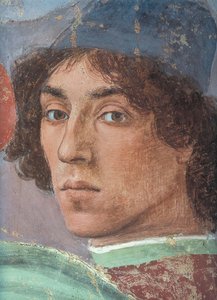
Filippino Lippi
1457 - 1504 , Italia
Informații rapide
- Artistic Movement Or Style: High Renaissance
- Artists Or Movements Influenced By This Artist: ['Raffaellino del Garbo']
- Artists Who Influenced This Artist:
- Fra Filippo Lippi
- Sandro Botticelli
- Date Of Birth: April 1457
- Date Of Death: April 1504
- Full Name: Filippino Lippi
- Nationality: Italian
- Notable Artworks:
- Coroana Fecioarei
- Tobias și Îngerul
- Sf. Ieremia
- Viața Sf. Toma
- Place Of Birth (City And Country): Prato, Italia
Articole conexe
Top 25 de Capodopere Uffizi: O Călătorie Artistică prin Florența Renașterii
Descoperă top 25 de capodopere renascentiste din Galleria degli Uffizi, Florența! Explorează poveștile lui Botticelli, Leonardo da Vinci și Rafael. Reproduceri artă de calitate muzeală pentru decorațiuni interioare unice pe OriginalUniqueArt.com
Capodopere la National Gallery of Art: Cele mai Iubite Lucrări pentru Decorul Casei Tale
Descoperă cele mai frumoase 25 de picturi din National Gallery of Art, Washington! Cézanne, Matisse, Picasso și alți maeștri te așteaptă. Reproduceri de artă de calitate muzeală pentru un decor rafinat. Explorează colecția completă pe OriginalUniqueArt.com!
Filippo Lippi: Bridging Renaissance Devotion & Artistic Innovation
Explore the life & revolutionary art of Filippo Lippi, a pivotal Renaissance painter. Discover his masterpieces, influence on Botticelli, and investment potential. Expert analysis at OriginalUniqueArt.
Capodopere la National Gallery Londra: 25 de picturi iconice pentru iubitorii de artă și decor rafinat
Descoperă cele mai iconice 25 de picturi din National Gallery Londra! Explorează poveștile lui Van Gogh, Monet, Da Vinci și Rembrandt. Găsește inspirație pentru decorul casei tale cu reproduceri de artă de calitate muzeală pe OriginalUniqueArt.com.

Filippino Lippi: Renaissance Innovation Bridging Faith & Humanism
Explore the captivating world of Filippino Lippi, a Renaissance master bridging faith & humanism through innovative art. Discover his key works, influences, and lasting legacy with OriginalUniqueArt.
