Geometric Abstraction · 1954
Study for the (Fernand Léger, 1954)
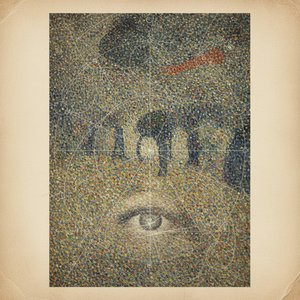
Fernand Léger (1881–1955) a realizat Study for the . Data sa este din 1954. Face parte din mișcarea Geometric Abstraction. Este realizată în Acrylic On Canvas. Este păstrat la Museu do Caramulo în Caramulo, Portugal. Dimensiunile sunt 38 × 44 cm.
- 1954
- Acrylic On Canvas
- 38 × 44 cm
- Museu do Caramulo

 Previzualizare

 Tablou în ulei pictat manual
 Trimite prin felicitare
 Distribuie
 Fișă informativă


 Descarcă imaginea
 Produse similare
 Radiografie
 Galerie foto
 Întrebări și răspunsuri

 Statistici
Study for the , pe scurt
- Titlu
- Study for the
- Artist
- Fernand Léger (1881–1955)
- Artist născut în
- Argentan, Franța
- Date
- 1954
- Medium
- Acrylic On Canvas
- Dimensiuni
- 38 × 44 cm
- Unde poate fi vizualizată
- Museu do Caramulo, Caramulo, Portugal
- Mișcare
- Geometric Abstraction
- Subiect
- musical performance, geometric forms, modern landscape, instrument ensemble, urban scene, animal presence
Ce reprezintă Study for the ?
A Symphony of Form and Feeling: Exploring Fernand Léger’s “Study for Breakfast”
Fernand Léger's "Study for Breakfast," completed in 1954, transcends mere representation; it embodies the very spirit of Pointillism—a technique championed by Georges Seurat and embraced wholeheartedly by Léger as a means to convey dynamism and immediacy. This unassuming landscape isn’t simply depicted as it appears before our eyes; instead, Léger meticulously constructs it from countless tiny dots of pigment, creating an illusion of depth and texture that defies conventional painting methods. The resulting image pulsates with energy, mirroring the rhythms of daily life—a quiet morning scene rendered with astonishing precision. It's a masterful demonstration of how abstraction can serve as a conduit for emotion and observation simultaneously.- Style: Pointillism – Léger’s signature style prioritizes optical mixing over blending pigments on canvas, resulting in vibrant hues that shimmer and shift subtly under the light.
- Technique: Léger employed a painstaking process of applying dots of color—typically yellow, red, and blue—to build up layers of tonal variation. This method demanded immense patience and meticulous attention to detail, reflecting Léger’s unwavering commitment to his artistic vision.
Historical Context: Embracing Modernity Amidst Postwar Uncertainty
Created in the aftermath of World War II, “Study for Breakfast” speaks to a broader cultural preoccupation with rebuilding and redefining beauty after devastation. Léger’s stylistic choices—the geometric abstraction and the deliberate fragmentation of form—were deliberately antithetical to the prevailing artistic trends of his time, signaling a rejection of Impressionism's focus on fleeting sensations and an embrace of the machine age’s influence on visual perception. This bold stance positioned Léger as a pioneer of abstract expressionism, anticipating developments that would reshape the landscape of 20th-century art.Symbolic Resonance: The Quiet Power of Observation
Despite its apparent simplicity, “Study for Breakfast” is laden with symbolic significance. Léger’s use of dots—representing individual particles and conveying movement—suggests a fascination with scientific principles and an attempt to capture the underlying order of nature. The muted palette contributes to a mood of contemplative serenity, inviting viewers to contemplate the beauty found in everyday moments. It's a subtle reminder that even amidst turbulent times, art can offer solace and inspire wonder.Emotional Impact: Capturing Essence Through Precision
Ultimately, Léger’s “Study for Breakfast” succeeds in conveying an emotional resonance far exceeding its visual surface. The artist doesn’t aim to evoke sentimental feelings but rather to distill the essence of a scene—the feeling of warmth, light, and stillness—into a meticulously crafted composition. This achievement underscores Léger's profound understanding of how abstraction can communicate complex ideas and sensations with remarkable effectiveness. It remains an enduring testament to his artistic genius and a captivating example of Pointillist artistry.În ce muzeu se află Study for the ?
Museu do Caramulo
Caramulo, Portugal
O Simfonie de Oțel și Suflet Acolădit în dealurile verzi și ondulate ale Serra do Caramulo, în centrul Portugaliei, Museu do Caramulo apare ca un paradox uluitor, un sanctuar unde precizia ingineriei mecanice întâlnește profunzimea profundă a creativității umane. Acesta nu este doar un depozit de relicve; este un dialog viu între două lumi aparent disparate. Fondat de frații vizionari Abel și João de Lacerda, muzeul stă ca o mărturie a unei pasiuni comune care a refuzat să vadă granițe între răgetul unui motor și grația tăcută a unei pensule.


Imagini la înaltă rezoluție ale lui Study for the

Domeniu public: artistul a decedat în 1955.
Alte dimensiuni, cadrări și citări →Fernand Léger, Study for the (1954), Museu do Caramulo. Domeniu public
Întrebări despre Study for the , răspunsuri
Unde poate fi vizualizată astăzi opera "Study for the" de Fernand Léger?
Originalul "Study for the" de Fernand Léger este păstrat la Museu do Caramulo. O reproducere permite expunerea operei în propria locuință.
În ce an a fost creată „Study for the”?
Opera "Study for the" de Fernand Léger a fost creată în 1954.
În ce tehnică este realizată lucrarea "Study for the" de Fernand Léger?
Tehnica utilizată pentru "Study for the" de Fernand Léger este Acrylic On Canvas, iar reproducerile urmăresc să reducă aspectul acestei tehnici.
Care sunt dimensiunile originalului "Study for the" de Fernand Léger?
„Study for the” măsoară 38 x 44 cm în formatul său original. Dimensiunile originale reprezintă o referință utilă atunci când alegeți dimensiunea unei reproduceri.
Ce reprezintă "Study for the"?
Subiectele din "Study for the" sunt musical performance, geometric forms, modern landscape, instrument ensemble, urban scene, animal presence, domestic setting, pointillism technique.
Este "Study for the" în domeniul public?
Statusul drepturilor de autor pentru "Study for the" de Fernand Léger: opera este în domeniul public – drepturile de autor au expirat. Acest lucru determină dacă reproducerile imaginii pot fi realizate liber.
Cine este artistul din spatele "Study for the"?
„Study for the” este atribuit lui Fernand Léger.
Din ce curent artistic face parte "Study for the" de Fernand Léger?
"Study for the" de Fernand Léger face parte din mișcarea Geometric Abstraction. Acest curent oferă contextul stilistic al operei.
În ce etapă a evoluției lui Fernand Léger se încadrează „Study for the”?
În cariera lui Fernand Léger, „Study for the” aparține perioadei Mature Period. Această etapă facilitează compararea sa cu celelalte opere ale artistului.
Despre artistul Fernand Léger

1881–1955, Franța
Fernand Léger
Viața lui Fernand Léger Povestea lui Fernand Léger începe în satul Argentan, situat în regiunea Orne, din Normandia Inferioară. El a venit pe această lume pe 4 februarie 1881, fiind singurul fiu al familiei. Anii săi de început au fost modelați de liniștea câmpului francez și de prezența mamei sale, Marie-Adèle Daunou. Tatăl său, un om care își câștiga viața din comerțul cu vite, a decedat când Fernand era încă un copil mic, lăsându-l pe cel mic să fie crescut de mamă într-un cămin marcat de pietate și de o anumită natură modestă.
Despre Fernand Léger Lucrări remarcabile ale lui Fernand Léger
Alte lucrări ale lui Fernand Léger
 Orașul1919
 The Mechanic1920
 Cele Trei femei1921
 Nude în pădure1910

Eseuri despre Study for the
 Top 10 Opere de Artă cu Atmosferă Industrială: Inspirație pentru Decorul CaseiDescoperă top 10 opere de artă care surprind atmosfera industrială! Explorează picturi iconice de Van Gogh, Monet și Hopper, simbolizând re…
 Georges Seurat: Pointillism, Perception & the Scientific Foundations of Modern ArtExplore the revolutionary art of Georges Seurat and the science behind Pointillism. Discover chromoluminarism, optical mixing, and the last…
 Mastering the Machine Age: The Top 25 Fernand Léger ArtworksImmerse yourself in the vibrant world of Fernand Léger. Explore 25 iconic masterpieces of Cubism and Tubism, from bold geometric forms to m…