Previzualizare
 Trimite prin felicitare
 Distribuie
 Detalii despre lucrare
 Ghid
Ghid

 Descarcă imaginea
 Produse similare
 Radiografie
 Galerie foto
 Statistici
Dents du Midi from Champéry
 Oil On Canvas
- WallArt
- Symbolist Painting
 1916
1916 73.0 x 110.0 cm
 Kunsthaus Zürich
 Vezi mai mult
Giclée / Imprimare artistică
Printuri giclée sau pe canvas de calitate muzeală, cu proces de producție rapid și opțiuni flexibile de finisare. ( Comandă pictură realizată manual Comută pe Imagine Digitală)




P118B lei10

P118H lei10

P118W lei10

P438Z lei10

P508JH lei12

P508YH lei12

P805H lei10

P805Z lei10

P919BZ lei10

P919G lei10

P919XJ lei10

P959ZH lei10

P968JZ lei12

W106C lei8

W218G lei10

W218JH lei8

W218Y lei10

W307PJ lei10

W316G lei10

W316PJ lei8

W316Y lei10

W398PJ lei8

W4111J lei10

W500HY lei15

W500JH lei15

W692G lei12

W849H lei8

W940BG lei15

W953PJ lei8




Alegeți dintre dimensiunile noastre prestabilite, care respectă proporțiile originale ale operei de artă.

Introduceți lățimea și înălțimea necesare pentru a se potrivi ramei sau peretelui dumneavoastră. O printare poate fi doar tăiată, niciodată extinsă dincolo de dimensiunea imaginii originale, astfel încât o dimensiune cu o formă diferită va pierde o parte din imagine. Vă trimitem o simulare digitală pentru aprobare înainte de a imprima orice. Imaginea afișată pe această pagină nu prezintă tăierea reală — doar simularea arată acest lucru.
Livrare în întreaga lume () în 2 săptămâni, în loc de cele 4/5 săptămâni standard. (26 Octombrie)

Livrare expres gratuită la nivel mondial

Pânză de in de înaltă calitate

Asigurare completă pentru transport

Garanție de rambursare a taxelor vamale

Garanția fidelității culorilor

Politica de retur în 100 de zile (doar pentru defecte de fabricație)

Garanție de rambursare 100%

Ofertă pentru comenzi multiple
 Opțiunea cu sticlă este disponibilă doar pentru dimensiuni de sub 110 cm

Dents du Midi from Champéry
Giclée / Imprimare artistică
Dimensiune reproducere
-


Preț total calculat
lei 370
The Majesty of Mountains: Ferdinand Hodler’s “Dents du Midi from Champéry”
Ferdinand Hodler's "Dents du Midi from Champéry," painted in 1916, isn’t merely a landscape; it’s an immersion into the heart of the Swiss Alps—a realm where nature’s grandeur meets profound introspection. This captivating work, currently residing within the Kunsthaus Zürich, embodies the core tenets of Hodler's unique Symbolist style: a delicate balance between observation and emotional resonance, realism and dreamlike abstraction. The painting captures the iconic Dents du Midi mountain range, towering above the charming village of Champéry, not as static geological formations but as living entities imbued with an almost spiritual presence.
Hodler’s approach to landscape painting was revolutionary for his time. He moved beyond simple representation, seeking instead to convey a deeper truth about the natural world—a truth rooted in feeling and memory. This is evident in the loose, flowing brushstrokes that define the mountains themselves; they aren't sharply delineated but rather suggested through subtle shifts in tone and texture. The sky, rendered in washes of blue and grey, isn’t a backdrop but an active participant in the scene, mirroring the mood and atmosphere of the peaks below. The composition is carefully orchestrated, drawing the eye upwards towards the imposing summits while simultaneously grounding it in the foreground with the suggestion of grazing cows – small details that add a layer of human presence to this otherwise wild expanse.
A Symbolist Vision: Exploring Themes of Mortality and Harmony
Hodler’s artistic journey was deeply shaped by personal loss, particularly the untimely deaths of his father and brothers. This experience profoundly influenced his work, leading him to explore themes of mortality, memory, and the interconnectedness of life and death. “Dents du Midi from Champéry” is often interpreted as a meditation on these concepts. The stark, imposing mountains can be seen as symbols of enduring strength and resilience—a testament to nature’s ability to withstand the passage of time. The presence of the cows in the foreground, peacefully grazing amidst this formidable landscape, offers a poignant counterpoint – a reminder of the fleeting beauty of earthly existence.
Furthermore, Hodler's concept of "parallelism"—a belief that human society is structured around underlying rhythms and harmonies—is subtly reflected in the painting’s composition. The arrangement of the mountains, the placement of the figures, and even the flow of the sky all contribute to a sense of balanced order. This isn’t a chaotic wilderness but rather a carefully orchestrated tableau, inviting contemplation on the patterns that govern both the natural world and human experience.
Technique and Materials: A Masterful Blend
“Dents du Midi from Champéry” was executed in oil on canvas, a medium that allowed Hodler to achieve remarkable subtlety of color and texture. He employed a technique known as “pointillé,” using small, closely spaced brushstrokes to build up layers of tone and create an illusion of depth and luminosity. This meticulous approach is particularly evident in the rendering of the snow-capped peaks—each tiny stroke contributing to the overall impression of shimmering brilliance. The use of muted colors – predominantly blues, greys, and browns – creates a sense of atmospheric perspective, emphasizing the vastness and remoteness of the landscape.
Hodler’s dedication to capturing the essence of his subject matter is further demonstrated by his careful attention to detail. He meticulously observed the nuances of light and shadow, the textures of rock and snow, and the subtle movements of the clouds. This commitment to realism, combined with his Symbolist sensibilities, results in a painting that is both visually stunning and emotionally resonant.
A Timeless Masterpiece: Reproduction and Beyond
Reproductions of “Dents du Midi from Champéry” offer an exceptional opportunity to bring this iconic work into your home or office. High-quality prints on canvas, aluminum composite, or fine art paper faithfully capture the painting’s rich colors and intricate details, allowing you to appreciate Hodler's artistry in all its glory. Consider a framed print for a sophisticated statement piece, or opt for a larger format to dominate a wall—a testament to the enduring power of nature and the visionary talent of Ferdinand Hodler.
Whether you’re an art collector, an interior designer seeking inspiration, or simply someone who appreciates breathtaking landscapes, “Dents du Midi from Champéry” remains a timeless masterpiece – a poignant reminder of the beauty and mystery that surrounds us.
Întrebări și răspunsuri
Care este culoarea dominantă în "Dents du Midi from Champéry"?
Teal (#1d5883) este culoarea dominantă a operei "Dents du Midi from Champéry" de Ferdinand Hodler.
Ce ton emoțional transmite stilul Symbolist Painting din "Dents du Midi from Champéry"?
"Dents du Midi from Champéry" emană o Melancholic notă emoțională, specifică mișcării Symbolist Painting.
Cum pot descoperi opere de artă similare cu "Dents du Midi from Champéry" de Ferdinand Hodler?
Pagina Lucrări similare pentru "Dents du Midi from Champéry" de Ferdinand Hodler prezintă opere de artă similare.
Biografie artist
A Life Etched in Symbolism: The World of Ferdinand Hodler
Ferdinand Hodler, un nume inextricabil legat de peisajul picturii elvetiene și de limbajul puternic al simbolismului, a urcat din origini modeste pentru a deveni unul dintre cei mai importanți artiști ai sfârșitului de secol XIX și începutul secolului XX. Născut în Berna, Elveția, în 1853, viața sa a fost profund modelată de pierderile timpurii – un temă recurentă care ar persista în viziunea sa artistică. Decesurile premature ale tatălui său și ai doi frați mai mici înainte de vârsta lui adolescentă au aruncat o umbră lungă, instillând în el o contemplare profundă asupra mortalității și a naturii trecătoare a existenței. Aceste experiențe, împletite cu o sensibilitate acută la frumusețea și puterea lumii naturale, au devenit elemente centrale ale evoluției sale artistice. Inițial angajat ca decorator, talentul său innăscut a transcendat rapid meșteșugul; el tâncea după o formare formală și o explorare artistică dincolo de constrângerile muncii comerciale. Această ambiție l-a condus la Geneva în 1871, unde s-a scufundat în studiu, participând la cursuri științifice alături de copierea diligentă a capodoperelor din muzeul orașului – o educație riguroasă care a pus bazele viitoarelor sale inovații.De la Realism la ‘Paralelism’: Forjarea unei Viziuni Unice
Călătoria artistică a lui Hodler a fost caracterizată de o evoluție constantă și de o căutare neobosită a puterii expresive. Primele sale lucrări au reflectat stilul realist dominant al vremii – portrete, peisaje și scene de gen executate cu detalii meticuloase. Cu toate acestea, el s-a simțit curând constrâns de aceste convenții, căutând un mijloc de a exprima adevăruri emoționale mai profunde și idei filozofice. Această căutare l-a condus către simbolism, o mișcare care respingea reprezentarea naturalistică în favoarea experienței subiective și a imaginilor evocatoare. Cu toate acestea, Hodler nu a adoptat pur și simplu dogmele simbolismului; mai degrabă, a forjat propriul drum unic, dezvoltând ceea ce el numea “paralelism”. Acest stil distinctiv implica aranjarea figurilor și formelor în modele ritmice, aproape geometrice, creând un sentiment atât de armonie, cât și de tensiune – o reprezentare vizuală a interconectării. Era o încercare de a reprezenta nu doar *ce* vedea, ci *cum* se simțea – curenții emoționali subiacenți care conectau toate lucrurile. *Noaptea* (1890), considerată una dintre cele mai ambițioase și cele mai celebrate opere ale sale, a marcat în mod decisiv această întoarcere către imagini simboliste, provocând o controversă semnificativă cu reprezentarea sa sugestivă a figurilor pante într-o poziție de repaus. În ciuda criticilor inițiale, pictura a câștigat atenție în Paris, stabilind reputația lui Hodler dincolo de granițele Elveției și semnalând sosirea unei voci cu adevărat originale.Puncte Cheie în Pictură: Lucrări Notabile și Semnificația Lor
Pe parcursul carierei sale productive, Hodler a creat un corp impresionant de lucrări care rezonează astăzi cu publicul. Ziua (1893), considerată una dintre cele mai ambițioase și cele mai celebrate realizări ale sale – o pictură istorică monumentală care demonstrează măiestria sa în compoziție și simbolism, este un meditație puternică asupra vieții, a morții și a regenerării. Așezată în Kunsthaus Zürich, această operă de artă este o reflecție puternică asupra condiției umane, realizată cu o combinație impresionantă de realism și intensitate vizionară. Dimensiunea imensă și greutatea emoțională a Zilei au consolidat poziția lui Hodler ca figură proeminentă în arta europeană. Alte opere notabile includ numeroase reprezentări ale Alpilor elvețieni, impregnate de un sentiment de măreție impresionantă, și portrete care dezvăluie o înțelegere profundă a psihologiei umane. El a abordat frecvent teme precum pierderea și doliul, poate reflectând propriile traume din copilărie, dar le-a infuzat întotdeauna cu un sentiment de demnitate și reziliență. Picturile sale nu erau doar reprezentări; erau peisaje emoționale, invitând privitorii să mediteze asupra întrebărilor fundamentale ale existenței. Lucrări precum *Adevărul II* (1897) demonstrează capacitatea lui Hodler de a combina forme clasice cu sensibilități moderne, creând imagini care sunt atât atemporale, cât și surprinzător de contemporane – un testament al spiritului său inovator.Un Moștenire Durabilă: Influența și Contextul Istoric
Influența lui Ferdinand Hodler s-a extins mult dincolo de granițele Elveției. Utilizarea sa inovatoare a simbolismului și dezvoltarea “paralelismului” au deschis drumul către expresionism, cu accentul său pe emoția subiectivă și formele distorsionate. Artiștii care au urmat exemplul său au recunoscut-o ca pe un precursor al explorărilor lor proprii de experiență interioară. Lucrarea lui Hodler a rezonat, de asemenea, cu curentele culturale mai largi ale sfârșitului secolului XIX și începutul secolului XX – o perioadă marcată de schimbări sociale rapide, progrese științifice și un sentiment tot mai mare de anxietate existențială. Picturile sale au oferit un limbaj vizual pentru a aborda aceste probleme complexe, oferind consolare și înțelegere într-o lume din ce în ce mai incertă. Astăzi, operele lui Hodler sunt expuse în muzee importante din Europa și dincolo de aceasta, asigurând că viziunea sa artistică continuă să inspire și să provoace generațiile viitoare de privitori. El rămâne o figură impunătoare în istoria artei elvețiene, celebrat nu numai pentru abilitatea sa tehnică, ci și pentru profunzimea emoțională profundă și angajamentul său neclintit de a explora misterele condiției umane.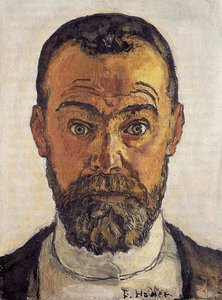
Ferdinand Hodler
1853 - 1918 , Elveția
Detalii rapide
- Artistic Movement Or Style: Simbolism, Paralelism
- Artists Or Movements Influenced By This Artist: ['Expresionism']
- Artists Who Influenced This Artist:
- Courbet
- Gauguin
- Date Of Birth: 1853
- Date Of Death: 1918
- Full Name: Ferdinand Hodler
- Nationality: Elvetian
- Notable Artworks:
- Noapte
- Ziua
- Adevăr II
- Place Of Birth: Bern, Elveția
Articole similare

Ferdinand Hodler: Symbolism, Parallelism & the Quest for Universal Harmony
Explore the captivating world of Ferdinand Hodler, Swiss Symbolist painter renowned for his evocative landscapes & pioneering 'parallelism'. Discover his life, key works, and lasting influence on art history. Own a hand-painted reproduction today!

Katsushika Hokusai: Cele Mai Iubite 25 de Opere de Artă – Inspirație pentru Decorul Casei Tale
Descoperă cele mai frumoase 25 de opere de artă semnate de Katsushika Hokusai, maestru ukiyo-e. Explorează istoria valului Kanagawa și a picturilor japoneze iconice. Reproduceri de calitate muzeală pentru decorul casei tale pe OriginalUniqueArt.com!
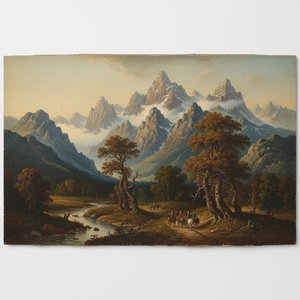
Majestic Peaks on Canvas: A Historical & Artistic Exploration of Mountains in Fine Art
Explore the history of mountain painting! Discover Romantic masterpieces & key artists like Dahl & Calame. Learn about the Sublime & Picturesque aesthetics and find your perfect artwork at OriginalUniqueArt.
Ferdinand du Puigaudeau: Bridging Impressionism & Symbolism in Breton Landscapes
Discover Ferdinand du Puigaudeau's captivating Breton landscapes – a bridge between Impressionism & Symbolism. Explore his life, unique style, and enduring legacy with OriginalUniqueArt.
Ernest Biéler: Navigating Modernity Through Light & Form – A Comprehensive Exploration
Explore the captivating world of Ernest Biéler, a pivotal Swiss painter. Discover his artistic philosophy, technical mastery & lasting legacy. A comprehensive guide for art collectors and enthusiasts.