

 Previzualizare
 Trimite prin felicitare
 Distribuie
 Detalii despre lucrare
 Ghid
Ghid

 Descarcă imaginea
 Produse similare
 Radiografie
 Galerie foto
 Statistici
The Seine at Charenton


 Vezi mai mult
Giclée / Imprimare artistică
Printuri giclée sau pe canvas de calitate muzeală, cu proces de producție rapid și opțiuni flexibile de finisare. ( Comandă pictură realizată manual Comută pe Imagine Digitală)




P118B lei10

P118H lei10

P118W lei10

P438Z lei10

P508JH lei12

P508YH lei12

P805H lei10

P805Z lei10

P919BZ lei10

P919G lei10

P919XJ lei10

P959ZH lei10

P968JZ lei12

W106C lei8

W218G lei10

W218JH lei8

W218Y lei10

W307PJ lei10

W316G lei10

W316PJ lei8

W316Y lei10

W398PJ lei8

W4111J lei10

W500HY lei15

W500JH lei15

W692G lei12

W849H lei8

W940BG lei15

W953PJ lei8




Alegeți dintre dimensiunile noastre prestabilite, care respectă proporțiile originale ale operei de artă.

Introduceți lățimea și înălțimea necesare pentru a se potrivi ramei sau peretelui dumneavoastră. O printare poate fi doar tăiată, niciodată extinsă dincolo de dimensiunea imaginii originale, astfel încât o dimensiune cu o formă diferită va pierde o parte din imagine. Vă trimitem o simulare digitală pentru aprobare înainte de a imprima orice. Imaginea afișată pe această pagină nu prezintă tăierea reală — doar simularea arată acest lucru.
Livrare în întreaga lume () în 2 săptămâni, în loc de cele 4/5 săptămâni standard. (25 Octombrie)

Livrare expres gratuită la nivel mondial

Pânză de in de înaltă calitate

Asigurare completă pentru transport

Garanție de rambursare a taxelor vamale

Garanția fidelității culorilor

Politica de retur în 100 de zile (doar pentru defecte de fabricație)

Garanție de rambursare 100%

Ofertă pentru comenzi multiple
 Opțiunea cu sticlă este disponibilă doar pentru dimensiuni de sub 110 cm

The Seine at Charenton
Giclée / Imprimare artistică
Dimensiune reproducere
-


Preț total calculat
lei 370
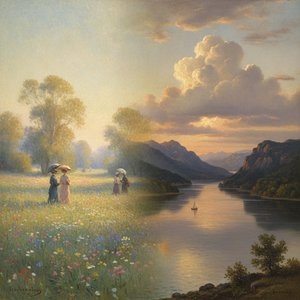
A Moment on the Seine: Ferdinand Guillaumin’s “The Seine at Charenton”
Ferdinand Guillaumin's "The Seine at Charenton," painted in 1878, is more than a picturesque depiction of a riverside scene; it’s a shimmering distillation of Impressionist philosophy. This captivating work transports the viewer to a fleeting moment on the banks of the Seine, capturing not just the physical appearance of Charenton but also the very essence of light and atmosphere that defined Guillaumin's artistic vision. The painting immediately draws the eye with its soft, diffused light – a hallmark of Impressionism’s pursuit of capturing transient effects rather than precise representation.
Guillaumin, a key figure within the French Impressionist movement, was deeply influenced by the theories of Eugène Duranty and Claude Monet. He shared their fascination with depicting the ephemeral qualities of nature, particularly the way light transforms surfaces and creates an illusion of movement. Unlike many of his contemporaries who focused on urban scenes, Guillaumin frequently returned to the landscapes of France, meticulously observing and translating the nuances of color and light onto canvas. “The Seine at Charenton” exemplifies this dedication, showcasing a masterful understanding of how atmospheric conditions can dramatically alter the appearance of familiar subjects.
A Symphony of Color and Light
Technically, the painting is executed with loose, visible brushstrokes – a deliberate choice by Guillaumin to prioritize capturing the *impression* of the scene over meticulous detail. The palette is remarkably restrained yet vibrant, dominated by delicate blues, greens, and ochres that evoke the shimmering surface of the Seine and the hazy sky above. Notice how he uses broken color—applying small dabs of paint side-by-side rather than blending them smoothly—to create a sense of luminosity and depth. The reflections on the water are particularly noteworthy, rendered with an almost ethereal quality, suggesting movement and fluidity.
Guillaumin’s technique is closely aligned with Monet's, yet possesses a unique lyricism. While Monet often sought to capture the objective reality of a scene, Guillaumin imbues his landscapes with a palpable sense of emotion and nostalgia. The composition itself contributes to this effect; the figures in the foreground are subtly blurred, suggesting their detachment from the viewer and inviting us to lose ourselves in the beauty of the natural world.
Symbolism and Emotional Resonance
Beyond its technical brilliance, “The Seine at Charenton” is rich in symbolic meaning. The presence of the boats – one a small rowboat and the other a larger vessel – hints at leisure and connection with nature. These figures, though indistinct, represent humanity’s relationship to the river, suggesting both activity and contemplation. The overall mood is serene and contemplative, inviting the viewer to pause and appreciate the simple pleasures of life. It's not merely a depiction of a place; it’s an evocation of a feeling – a sense of tranquility and connection with the natural world.
The choice of Charenton itself holds significance. Located just southeast of Paris, this charming town was already gaining popularity as a resort destination in the late 19th century, attracting artists and intellectuals seeking respite from the bustle of urban life. Guillaumin’s painting captures this atmosphere of relaxed sophistication, reflecting the growing interest in landscape art and the pursuit of beauty in everyday moments.
A Timeless Masterpiece
“The Seine at Charenton” remains a powerful testament to the enduring appeal of Impressionism. Its delicate colors, evocative brushstrokes, and subtle symbolism continue to captivate viewers today. Reproductions of this work offer an exceptional opportunity to bring the beauty of Guillaumin’s vision into any space, creating a focal point that radiates tranquility and invites contemplation. Consider it not just as a painting, but as a portal to a fleeting moment in time – a reminder of the profound beauty found in the simplest of scenes.
Întrebări și răspunsuri
Ce atmosferă ar aduce într-o încăpere o reproducere a operei "The Seine at Charenton" de Ferdinand Guillaumin?
Cu atmosfera sa Calm, „The Seine at Charenton” este recomandată pentru o Living Room.
Cât de cunoscută este opera „The Seine at Charenton” în cadrul mișcării Impressionist Landscape?
„The Seine at Charenton” este înregistrat ca fiind Recognized printre lucrările de tip Impressionist Landscape din catalog.
În ce perioadă a carierei lui Ferdinand Guillaumin se încadrează "The Seine at Charenton"?
În cariera lui Ferdinand Guillaumin, „The Seine at Charenton” aparține perioadei Mature Impressionism. Această etapă facilitează compararea sa cu celelalte opere ale artistului.
Biografie artist
early life and career
Jean Baptiste Armand Guillaumin (1841 – 1927) was born in Paris, France, the grandson of Jean Joseph Guillaumin who was a notary by trade. Sent to school at a young age, he demonstrated an early aptitude for drawing and painting, nurturing his artistic inclinations throughout his formative years. His initial training encompassed traditional academic techniques, yet he swiftly embraced the burgeoning Impressionist movement—a revolutionary approach prioritizing direct observation and capturing fleeting moments of light and color—marking a pivotal shift in his artistic trajectory.contribution to impressionism
Guillaumin’s involvement with Impressionism extended beyond mere participation; it constituted a profound engagement with its core principles. He actively collaborated with fellow artists like Claude Monet, Camille Pissarro, and Vincent van Gogh, fostering intellectual exchange and stylistic experimentation within the group. Exhibiting regularly at Salon des Beaux-Arts and other prominent venues, Guillaumin showcased his distinctive style—characterized by hazy landscapes imbued with atmospheric luminescence and expressive brushstrokes—solidifying his position as a key figure in shaping Impressionist aesthetics. His canvases often depicted serene vistas of French countryside, capturing the subtle nuances of dawn or dusk with remarkable sensitivity.notable works and associations
Guillaumin’s artistic legacy rests upon a collection of celebrated paintings that exemplify the movement's hallmark qualities. Among his most notable creations are “Garden in Janville in June,” depicting a tranquil floral arrangement bathed in dappled sunlight, and “River Scene,” portraying a meandering waterway reflecting the ethereal hues of twilight. Furthermore, he produced “View of Puy de Dôme,” capturing the majestic volcanic peak against a backdrop of expansive skies—a testament to his mastery of tonal gradation and compositional balance. His artistic collaborations extended beyond Monet; he befriended Eugène Delacroix and collaborated on ambitious projects that reflected the spirit of their time. Notably, Guillaumin’s work was honored by Mount Holyoke College Art Museum, which houses a significant collection showcasing Impressionist masterpieces.style and influences
Guillaumin's artistic style blended Impressionistic techniques with Symbolist sensibilities—a movement concerned with exploring psychological depths and conveying spiritual themes through evocative imagery. Like many Symbolists, he favored bold color palettes and emotionally charged subjects, mirroring the influence of artists such as Edvard Munch and Gustav Klimt. His brushwork was loose and fluid, prioritizing tonal variation over meticulous detail, reflecting a desire to capture not merely what the eye perceives but also what resides beneath the surface—a characteristic that distinguishes his oeuvre from more conventional artistic expressions.legacy and remembrance
Ferdinand Guillaumin’s enduring influence on Impressionist art is undeniable. His paintings continue to resonate with audiences today, inspiring admiration for their beauty and conveying a profound appreciation of nature's ephemeral splendor. He remains remembered as one of the foremost practitioners of Impressionism—a movement that irrevocably transformed the landscape of European painting and ushered in an era of artistic innovation. Explore more of Guillaumin’s works and the Impressionist movement on OriginalUniqueArt: ferdinand guillaumin | 3 artworks impressionism art movement
Ferdinand Guillaumin
1841 - 1927 , Franța
Detalii rapide
- Artistic Movement Or Style: Impressionism
- Artists Or Movements Influenced By This Artist: ['Symbolism']
- Artists Who Influenced This Artist:
- Vincent van Gogh
- Claude Monet
- Paul Cézanne
- Date Of Birth: Feb 16, 1841
- Date Of Death: Jun 26, 1927
- Full Name: Jean Baptiste Armand Guillaumin
- Nationality: French
- Notable Artworks:
- Garden in Janville
- River Scene
- View of Puy de Dôme
- Place Of Birth: Paris, France
Articole similare
Capturing the Light: A Journey Through the Soul of American Impressionism and the Hudson River School
Explore the luminous beauty of American Impressionism and the Hudson River School. Discover a curated journey through light, landscape, and history, celebrating the enduring legacy of masters through exquisite, hand-painted oil reproductions for the discerning art lover.

Paul Cézanne: Cele Mai Reprezentative 25 De Capodopere – Artă, Istorie și Decorațiuni Interioare
Descoperă cele mai frumoase 25 de capodopere Paul Cézanne! Explorează istoria, tehnicile și semnificația picturilor impresioniste iconice. Reproduceri artă de calitate muzeală & inspirație decor interioară pe OriginalUniqueArt.com.

Evocations of Place: A Historical Journey Through Landscape Art
Explore the rich history of landscape art with OriginalUniqueArt. Discover renowned artists, movements like Impressionism & tonalism, and expert guidance for collecting timeless pieces. Find your perfect serene escape today!

Flowing Narratives: Rivers in Painting – A Historical Exploration
Explore the rich history of rivers in painting! Discover masterpieces from ancient times to Impressionism & beyond. Learn about symbolism, artists like Monet & Daubigny, and find your perfect serene artwork at OriginalUniqueArt.

Evocations of Place: A Historical Journey Through Landscape Art
Explore the rich history of landscape art with OriginalUniqueArt. Discover renowned artists, movements like Impressionism & Romanticism, and expert guidance for collecting timeless pieces. Find your perfect serene escape today!