
 Previzualizare
 Trimite prin felicitare
 Distribuie
 Detalii despre lucrare
 Ghid
Ghid

 Descarcă imaginea
 Produse similare
 Radiografie
 Galerie foto
 Statistici
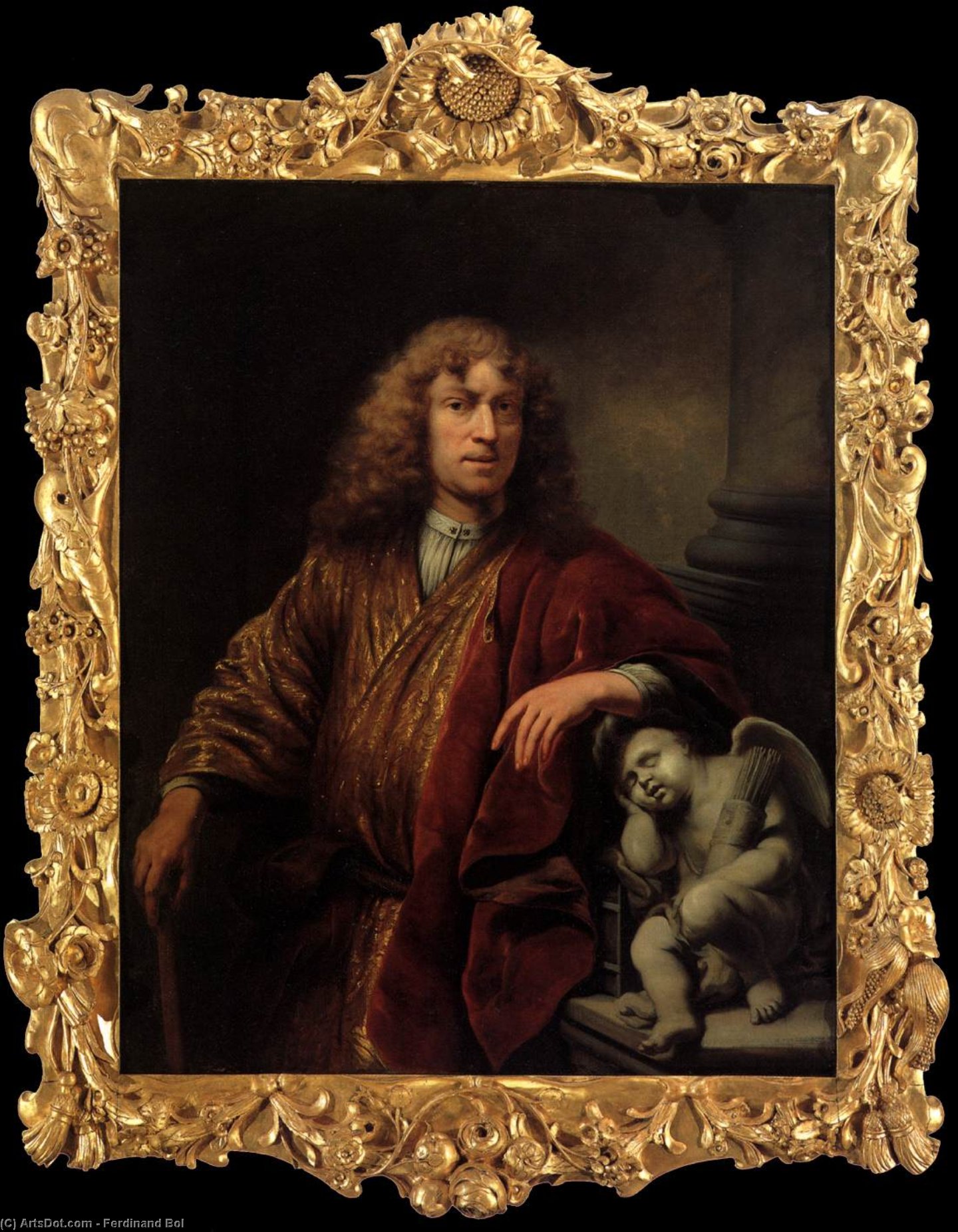
Self-Portrait
 Oil On Canvas
- WallArt
- Baroque
 1669
1669- Early Modern
 128.0 x 104.0 cm
 Rijksmuseum
 Vezi mai mult
Obțineți un fișier gata de imprimare care depășește cu mult previzualizarea web. Fiecare imagine digitală pe care o vindem provine dintr-un master de înaltă rezoluție din baza noastră de date — de obicei între 5.000 și 15.000 de pixeli lățime — astfel încât să puteți printa în format mare, să decupați strâns sau să reproduceți detalii fine cu încredere.
Niciun fișier nu părăsește studioul nostru fără să fie tratat. Un expert digital verifică nuanțele de culoare în raport cu pictura originală și le corectează acolo unde este necesar, apoi îmbunătățește claritatea și detaliile folosind instrumente profesionale de retușare — rămânând întotdeauna fidel picturii și stilului artistului. Rezultatul este o imagine care seamănă cu tabloul propriu-zis, nu cu o scanare filtrată.
Aprobați înainte de finalizare: expertul nostru vă trimite imaginea prin e-mail în termen de 72 de ore pentru revizuire. Nu sunteți mulțumit? Solicitați îmbunătățiri sau corecturi, ori cereți o restituire a plății dacă calitatea nu este pe măsura așteptărilor.
Aceasta este calitatea pe care se bazează editori, studiouri de design, galerii și tipării.
Imagine Digitală
Descărcați un fișier la rezoluție înaltă pentru afișare personală, imprimare și proiecte creative. ( Comută pe versiunea Print Comandă pictură realizată manual)
Inclus în fiecare comandă de imagini digitale
Livrare digitală de expertiză, garantată
Când alegeți OriginalUniqueArt.com, nu primiți doar o simplă imagine – primiți o operă de artă digitală îmbunătățită profesional, creată cu precizie și susținută de o garanție de satisfacție. Iată tot ceea ce primești odată cu comanda ta, în mod automat:

Livrare rapidă prin e-mail
Fișierul imaginii digitale la rezoluție înaltă vă va fi trimis prin e-mail în termen de 72 de ore de la finalizarea comenzii – gata pentru utilizare imediată.

Fișier digital optimizat prin IA
Opera ta de artă este optimizată profesional prin intermediul unor instrumente AI avansate și al editării manuale, asigurând un nivel maxim de detalii, claritate și acuratețe a culorilor.

Retransmitere gratuită pe viață
Ai șters sau ai pierdut din greșeală fișierul? Nu îți face griji – ți-l vom retrimite oricând, gratuit.

Fără taxe de import – Întotdeauna
Bucură-te instant de noua ta operă de artă, fără taxe vamale, taxe de import sau costuri de livrare – descărcările digitale sunt întotdeauna fără taxe.

Garanția acurateții culorilor
Asigurăm o reflectare cât mai fidelă a culorilor originale în imaginea ta digitală, prin utilizarea unor instrumente profesionale și a proceselor de gestionare a culorii.

Garanție de satisfacție de 100 de zile
Dacă nu sunteți mulțumit de imaginea digitală achiziționată, o vom revizui sau vă vom returna 100% în termen de 100 de zile – fără nicio întrebare.

Garanție de returnare 100% a banilor
Nu ești mulțumit? Primești rambursarea integrală în termen de 100 de zile de la primirea fișierului digital – fără nicio întrebare.

Reduceri pentru comenzi în volum
Cumpără 3 imagini, economisește 10% - Cumpără 5, economisește 15% - Cumpără 10+, economisește 20%. Ideal pentru proiecte creative, galerii și agenții.
The Grandeur of Self-Reflection: A Baroque Masterpiece
To stand before this self-portrait is to encounter not merely a likeness, but a carefully constructed statement of status, intellect, and enduring confidence. Rendered in the opulent style of the Baroque period, this work captures the sitter at a moment of profound self-possession. The composition immediately draws the eye into the central figure, whose very bearing speaks of wealth and established dignity. Notice how the artist has utilized dramatic lighting—the hallmark of chiaroscuro—allowing deep shadows to cradle rich folds of fabric while brilliant highlights catch the sheen of luxurious garments and the thoughtful planes of the face. It is a visual symphony built upon contrast, demanding that the viewer pause and absorb the weight of its artistry.
Technique and Material Mastery
The technical execution here is nothing short of masterful. The artist employed oil paints on canvas, allowing for an incredible depth of texture that seems almost palpable. One can trace the meticulous brushwork in the sitter's richly draped clothing, where visible strokes build up volume and suggest the weight of velvet and silk. The handling of skin tones contrasts beautifully with the solidity of the architectural elements—the column and the subtle backdrop. These lines are not merely outlines; they flow, guiding the viewer’s gaze through the carefully orchestrated space. The perspective is expertly managed, employing a one-point focus that anchors all visual energy directly onto the self-portraitist, making the viewing experience intensely personal.
Historical Echoes and Symbolism
Dating to 1669, this piece emerges from the vibrant, ambitious heart of the Dutch Golden Age. While the sitter presents himself as a man of considerable means, the inclusion of the small statue in the background adds a layer of intellectual depth. Such symbolic elements often alluded to classical virtues—perhaps wisdom, or divine favor—suggesting that the subject’s self-regard was rooted not just in earthly success, but in cultivated virtue. The entire presentation speaks to an era where portraiture served as both commemoration and carefully curated public identity.
Bringing Baroque Grandeur Home
For those seeking to infuse a space with the gravitas and romance of historical European art, this reproduction offers unparalleled depth. Imagine this piece gracing a formal drawing-room or a library; its rich palette of deep reds, burnished golds, and warm browns will anchor any sophisticated interior design scheme. The layered textures and dramatic interplay of light make it an instant focal point. Owning a high-quality rendition allows one to connect intimately with the technical brilliance of Ferdinand Bol’s era, bringing home not just a painting, but a tangible piece of Baroque narrative drama.
Întrebări și răspunsuri
Care este utilizarea recomandată pentru o printă a lucrării "Self-Portrait"?
O reproducere a operei "Self-Portrait" de Ferdinand Bol este recomandată pentru Accent. Această sugestie derivă din subiectul, atmosfera și culorile lucrării.
Ce nivel de contrast prezintă "Self-Portrait" de Ferdinand Bol?
Contrastul lumină-umbră din "Self-Portrait" este înregistrat ca Bold. Contrastul descrie cât de puternic diferă zonele luminoase de cele întunecate.
Ce dimensiuni are originalul "Self-Portrait"?
„Self-Portrait” măsoară 128 x 104 cm în formatul său original. Dimensiunile originale reprezintă o referință utilă atunci când alegeți dimensiunea unei reproduceri.
Biografie artist
A Forgotten Master of the Dutch Golden Age
Ferdinand Bol, a name perhaps less familiar than those of his illustrious contemporaries Rembrandt van Rijn and Johannes Vermeer, nevertheless occupies a significant, if often overlooked, position within the pantheon of 17th-century Dutch Masters. Born in Dordrecht in 1616, Bol’s artistic journey was deeply intertwined with that of Rembrandt, serving as a pupil in the master's Amsterdam studio during a formative period. This apprenticeship profoundly shaped his style, initially leading to works so convincingly reminiscent of Rembrandt that attribution could prove challenging even for seasoned experts. However, to simply categorize Bol as a mere imitator would be a disservice to his own unique artistic voice and considerable talent. His early life laid the groundwork for a career marked by both technical brilliance and an evolving stylistic independence. While details regarding his initial training remain somewhat scarce – possibilities include tutelage under Jacob Cuyp in Dordrecht or Abraham Bloemaert in Utrecht – it was undoubtedly his time with Rembrandt that proved pivotal, immersing him in the dramatic lighting, psychological depth, and masterful brushwork characteristic of the Baroque period.From Rembrandt’s Shadow to Independent Vision
Bol's artistic development can be traced through a fascinating trajectory—one beginning with faithful emulation and gradually blossoming into a distinctive personal style. In his early works, the influence of Rembrandt is undeniable; compositions often echo those of his teacher, employing similar chiaroscuro effects and a penchant for portraying figures in moments of intense emotional or psychological drama. However, as Bol matured, he began to refine his technique, moving towards a greater emphasis on clarity, elegance, and refined detail. His palette lightened, and his figures acquired a more polished, aristocratic bearing. This shift is particularly evident in his portraits, which became increasingly sought after by Amsterdam’s wealthy elite. He quickly rose through the ranks of Amsterdam's artistic community, becoming a burgher in 1652 and marrying into a family with connections to both the Admiralty and the wine merchants’ guild – affiliations that undoubtedly contributed to securing prestigious commissions. Notably, he received orders for chimney pieces for the new Amsterdam Town Hall, designed by Jacob van Campen, a testament to his growing reputation and artistic standing. He even took on pupils of his own, most notably Godfrey Kneller, who would later achieve fame as an English portrait painter.Historical Narratives and Portraiture: A Diverse Oeuvre
Bol’s oeuvre is remarkably diverse, encompassing historical subjects, portraits, *tronies* (character studies), and even some landscape elements. He demonstrated a particular aptitude for large-scale historical paintings, imbuing them with a sense of grandeur and dramatic tension. The Peace Negotiations between Claudius Civilis and Quintus Petillius Cerealis on the Demolished Bridge, now housed in a museum collection, stands as a prime example of his skill in depicting complex narratives with compelling visual impact. The painting showcases not only his mastery of composition and perspective but also his ability to convey the weight of historical events through expressive gestures and carefully rendered details. The scene unfolds with a palpable sense of urgency and strategic maneuvering, reflecting Bol’s understanding of military tactics and political intrigue. However, it was perhaps in the realm of portraiture that Bol truly excelled. He possessed an uncanny ability to capture the likenesses of his sitters while simultaneously revealing their inner character and social status. His portraits are characterized by a refined elegance and psychological insight, offering glimpses into the lives and personalities of Amsterdam’s prominent citizens. Works like Man in Golden Helmet (Mars), now residing in Warsaw's National Museum, exemplify this talent, presenting a figure imbued with both authority and vulnerability. The subtle play of light on his armor, combined with the carefully rendered details of his attire, speaks volumes about his position and character – a potent blend of military prowess and regal bearing.Influences and Artistic Development
Bol’s artistic journey wasn't solely defined by his time with Rembrandt; he absorbed influences from various sources, shaping his unique style. The dramatic lighting and emotional intensity of Caravaggio undoubtedly resonated within him, while the meticulous detail and refined elegance of artists like Rubens also contributed to his development. However, Bol skillfully synthesized these diverse influences into a distinctly personal vision. He wasn’t simply copying his predecessors; he was building upon their foundations, forging a new path that combined technical mastery with expressive depth. His early works demonstrate a clear debt to Rembrandt, particularly in the use of *chiaroscuro* and the portrayal of dramatic scenes. Yet, as he matured, Bol gradually moved towards a greater emphasis on clarity, elegance, and refined detail, developing a more polished and aristocratic style. The subtle shifts in his palette – from darker, earthier tones to lighter, brighter hues – reflect this evolution, mirroring his growing independence and artistic confidence.Legacy and Rediscovery
Despite his success during his lifetime, Ferdinand Bol’s reputation waned considerably after his death in 1680. His works were often misattributed to Rembrandt, obscuring his individual contributions to Dutch Golden Age painting. It wasn't until the 20th century that concerted efforts began to re-evaluate his oeuvre and establish him as a significant artist in his own right. Today, scholars and collectors are increasingly recognizing the unique qualities of Bol’s work—his masterful technique, his evolving stylistic independence, and his ability to capture both the outward appearance and inner lives of his subjects. While his output remains relatively small compared to some of his contemporaries, the surviving paintings offer a captivating window into the artistic and cultural landscape of 17th-century Amsterdam. His legacy continues to inspire admiration and intrigue, ensuring that this once-forgotten master will continue to be rediscovered and appreciated by generations to come. The Museum Van Loon in Amsterdam and the Rembrandt House Museum both provide opportunities to encounter his work within the context of the era that shaped him.
Ferdinand Bol
1616 - 1680 , Olanda
Detalii rapide
- Artistic Movement Or Style: Baroc olandez
- Artists Or Movements Influenced By This Artist: ['Cornelis Bisschop']
- Artists Who Influenced This Artist: ['Rembrandt']
- Date Of Birth: 24 iunie 1616
- Date Of Death: 24 august 1680
- Full Name: Ferdinand Bol
- Nationality: Olandez
- Notable Artworks:
- Pace între Claudius...
- Pyrrhus...
- Cavaler în casac
- Place Of Birth: Dordrecht, Olanda