
 Previzualizare
 Trimite prin felicitare
 Distribuie
 Detalii despre lucrare
 Ghid
Ghid

 Descarcă imaginea
 Produse similare
 Radiografie
 Galerie foto
 Întrebări și răspunsuri
 Statistici
The Toilet

- 87.0 x 65.0 cm


 Vezi mai mult
Giclée / Imprimare artistică
Printuri giclée sau pe canvas de calitate muzeală, cu proces de producție rapid și opțiuni flexibile de finisare. ( Comandă pictură realizată manual Comută pe Imagine Digitală)




P118B lei10

P118H lei10

P118W lei10

P438Z lei10

P508JH lei12

P508YH lei12

P805H lei10

P805Z lei10

P919BZ lei10

P919G lei10

P919XJ lei10

P959ZH lei10

P968JZ lei12

W106C lei8

W218G lei10

W218JH lei8

W218Y lei10

W307PJ lei10

W316G lei10

W316PJ lei8

W316Y lei10

W398PJ lei8

W4111J lei10

W500HY lei15

W500JH lei15

W692G lei12

W849H lei8

W940BG lei15

W953PJ lei8




Alegeți dintre dimensiunile noastre prestabilite, care respectă proporțiile originale ale operei de artă.

Introduceți lățimea și înălțimea necesare pentru a se potrivi ramei sau peretelui dumneavoastră. O printare poate fi doar tăiată, niciodată extinsă dincolo de dimensiunea imaginii originale, astfel încât o dimensiune cu o formă diferită va pierde o parte din imagine. Vă trimitem o simulare digitală pentru aprobare înainte de a imprima orice. Imaginea afișată pe această pagină nu prezintă tăierea reală — doar simularea arată acest lucru.
Livrare în întreaga lume () în 2 săptămâni, în loc de cele 4/5 săptămâni standard. (5 Noiembrie)

Livrare expres gratuită la nivel mondial

Pânză de in de înaltă calitate

Asigurare completă pentru transport

Garanție de rambursare a taxelor vamale

Garanția fidelității culorilor

Politica de retur în 100 de zile (doar pentru defecte de fabricație)

Garanție de rambursare 100%

Ofertă pentru comenzi multiple
 Opțiunea cu sticlă este disponibilă doar pentru dimensiuni de sub 110 cm

The Toilet
Giclée / Imprimare artistică
Dimensiune reproducere
-


Preț total calculat
lei 385
The Shocking Beauty of "The Toilet": A Portrait of Modern Discomfort
Felix Vallotton’s “The Toilet,” painted in 1905, is not merely a depiction of a woman in her bedroom; it's a carefully constructed provocation, a visual embodiment of the anxieties and shifting sensibilities of the *fin de siècle*. This oil on canvas, measuring 87 x 65 cm, immediately confronts the viewer with an unapologetically frank portrayal – a woman partially nude, attending to her personal needs with a direct gaze that challenges conventional notions of modesty and decorum. The scene’s unsettling beauty lies in Vallotton's masterful manipulation of color and composition, hallmarks of his Post-Impressionist style, which sought to move beyond simple representation towards an exploration of emotion and psychological truth.
- Subject Matter: The painting’s subject – a woman engaged in a private act – was considered scandalous for its time. Vallotton deliberately stripped away the romanticized depictions of female beauty prevalent in art, offering instead a raw, almost clinical observation.
- Style & Technique: Vallotton's use of bold, flat color and simplified forms aligns perfectly with Post-Impressionism’s rejection of academic realism. The meticulous brushwork, combined with the stark contrast between light and shadow, creates a sense of immediacy and tension. Notice how he avoids softening the subject; the details are rendered with unflinching precision.
- Composition: The arrangement of objects within the room – the chair, dining table, bowls, and vase – contributes to the painting’s unsettling atmosphere. These elements aren't merely decorative; they subtly heighten the sense of unease and isolation felt by the central figure.
A Window into the *Fin de Siècle*
"The Toilet" is inextricably linked to the cultural context in which it was created – the late 19th and early 20th centuries, a period often referred to as the *fin de siècle*. This era was marked by rapid social change, scientific advancements, and a growing sense of disillusionment with traditional values. Artists like Vallotton responded to this atmosphere of uncertainty by challenging established norms and exploring themes of sexuality, alienation, and psychological complexity. The painting reflects the anxieties surrounding modernity – the breakdown of old certainties and the rise of new, often unsettling, ways of seeing the world.
Vallotton’s work resonates with the broader artistic movements of the time, particularly Neo-Impressionism, exemplified by the Musée de l'Annonciade in France. While he diverged from strict adherence to Neo-Impressionist principles, his emphasis on color and form shares a common thread with this influential style.
Symbolism and Emotional Impact
Beyond its overt sensuality, “The Toilet” is rich in symbolic potential. The woman’s direct gaze suggests defiance and self-awareness, challenging the viewer to confront their own voyeuristic impulses. The act of toileting itself can be interpreted as a metaphor for vulnerability, exposure, and the fundamental human need for bodily functions. Vallotton doesn't offer easy answers; instead, he presents a complex and ambiguous image that invites endless interpretation.
The painting’s emotional impact is undeniably unsettling. It evokes a sense of discomfort, perhaps even revulsion, but also a profound curiosity about the human condition. Vallotton forces us to confront our own preconceptions about beauty, modesty, and the nature of representation.
Replicating Masterful Art: A High-Quality Reproduction
OriginalUniqueArt offers meticulously crafted oil painting reproductions of “The Toilet,” ensuring that you experience the full impact of Vallotton’s vision. Our skilled artisans employ traditional techniques and premium materials to faithfully recreate every detail of this iconic artwork. Whether for your private collection or interior design project, a OriginalUniqueArt reproduction provides an authentic and enduring representation of this challenging and beautiful masterpiece.
Întrebări și răspunsuri
Culorile din "The Toilet" par intense sau delicate?
Intensitatea culorilor din "The Toilet" este Balanced. Această intensitate descrie cât de puternice par a fi culorile.
Ce subiect și ce atmosferă surprinde "The Toilet" de Félix Vallotton?
"The Toilet" de Félix Vallotton îmbină nude figure, bedroom scene, swiss artist, post-impressionism, color palette, provocative art, felix vallotton cu o atmosferă Dramatic.
În ce măsură subiectul operei „The Toilet” se regăsește în temele obișnuite ale lui Félix Vallotton?
Printre temele consacrate ale lui Félix Vallotton, swiss modernism, parisian influence, erotic, scandalous themes, challenging bourgeois norms, bold color experimentation, key vallotton’s provocative works – „The Toilet” oferă o perspectivă proprie asupra nude figure, bedroom scene, swiss artist, post-impressionism, color palette, provocative art, felix vallotton.
Biografie artist
A Life Bridging Worlds: Félix Vallotton and the Fin de Siècle
Félix Édouard Vallotton, născut în Lausanne, Elveția, în 1865, a fost un artist al cărui operă reflectă complexitatea spiritului *fin de siècle*. A navigat o cale între rădăcinile sale elvetiene și mediul artistic vibrant din Paris, devenind în cele din urmă o figură centrală în dezvoltarea artei moderne. Viața sa timpurie, impregnată de valorile protestante conservatoare ale familiei sale—tatăl său fiind farmacist, ulterior chocolatier—oferea un contrast puternic cu lumea boemă pe care avea să o îmbrace ca artist. Deși inițial îndrumat spre studiile clasice la Collège Cantonal, pasiunea lui pentru expresia vizuală l-a condus în Paris în 1882, unde s-a înscris la Académie Julian. Acest lucru nu a marcat doar o mutare geografică, ci și o schimbare profundă de perspectivă, îmbuteliindu-l în inima inovației artistice și a fermentului intelectual. Pregătirea sa academică i-a oferit o bază solidă în tehnică, dar este descoperirea cercului avantgardist emergent care a aprins cu adevărat traiectoria creativă.The Nabis and the Language of Intimacy
Evoluția artistică a lui Vallotton a luat o întorsătură decisivă atunci când s-a asociat cu *Les Nabis*—un grup de tineri artiști, inclusiv Pierre Bonnard, Édouard Vuillard și Maurice Denis—în 1892. Deși adesea considerat un outsider în cadrul grupului, afilierea sa a contribuit la modelarea stilului său distinctiv. Nabisii căutau să infuzeze arta cu o calitate spirituală, explorând simbolismul și estetica decorativă. Vallotton a absorbit aceste influențe, dar le-a filtrat prin propria sa sensibilitate unică, caracterizată de o detașare rece și realism neclintit. Acest lucru este cel mai puternic exprimat în seria lui de gravuri din lemn, în special *Intimités* (1898). Aceste zece scene interioare sunt remarcabile pentru intensitatea lor psihologică, reprezentând întâlniri încărcate emoțional între bărbați și femei cu o sinceritate tulburătoare. Nu sunt narațiuni de dragoste sau pasiune, ci mai degrabă explorări ale tensiunii, ale dinamicii puterii și ale complexităților ascunse din viața domestică. Contrastul puternic dintre negru și alb în gravurile sale—o referință deliberată la tiparul *ukiyo-e* japonez—accentuează sentimentul de neliniște și examinare psihologică.Master of Woodcut and Painterly Nuance
Maestrimea lui Vallotton s-a extins dincolo de domeniul picturii; el este larg recunoscut ca un virtuoz al gravurii din lemn, revitalizând media cu tehnici inovatoare. A îmbrățișat simplitatea și directitudinea formei, folosind linii puternice și contraste dure pentru a crea imagini atât de vizual atrăgătoare, cât și emoțional rezonante. Gravurile sale nu erau doar ilustrații, ci opere de artă independente, adesea satirice, comentând asupra convențiilor sociale și a problemelor politice. În același timp, Vallotton a continuat să își dezvolte stilul de pictură, îndepărtându-se de abordările pur academice în favoarea unei expresii personale. A echilibrat cu măiestrie realismul cu subtile nuanțe simbolice, creând portrete, peisaje și încărcături care posedă o calitate enigmatică. Picturile sale ulterioare demonstrează o tehnică rafinată, caracterizată de nuanțări de culoare precise și de o reprezentare atentă a formei. Adesea picta *paysages composés* (“peisaje compuse”), construite din memorie și observație, impregnate de un sentiment de liniște și melancolie.Influences and Artistic Development
Influențele lui Vallotton au fost diverse și complexe. El a fost inspirat de arta elvețiană, în special de gravurile din lemn ale lui Hans Holbein, dar a fost profund influențat de estetica japoneză, în special de *ukiyo-e*. De asemenea, a fost atras de lucrările lui Ingres și de simbolismul lui Gustave Moreau. În perioada Nabis, a adoptat stilul lor de pictură, caracterizat de culori intense, forme simplificate și o atenție sporită la detalii. Cu toate acestea, Vallotton a dezvoltat propriul său stil distinctiv, care era mai puțin spiritual decât cel al Nabisilor și mai realist decât cel al lui Vuillard sau Bonnard. A fost un artist independent, care nu se temea să experimenteze cu diferite tehnici și medii.Legacy and Enduring Influence
Moștenirea lui Félix Vallotton a răsunat în întreaga primă jumătate a secolului XX, influențând artiști precum Edvard Munch și Ernst Ludwig Kirchner. Privirea sa neclintită, explorarea temelor psihologice și utilizarea inovatoare a gravurii au deschis drumul pentru noi expresii artistice. A murit în Paris în 1925, lăsând în urmă un corp de operă care captivează și provoacă încă astăzi publicul. Arta sa servește ca o reflecție poignantă a anxietăților și contradicțiilor *fin de siècle*, oferind o privire asupra unui tărâm aflat la apogeul schimbării profunde. Moștenirea lui Vallotton nu constă doar în măiestria sa tehnică, ci și în capacitatea sa de a surprinde complexitățile experienței umane cu onestitate, inteligență și un sentiment durabil de mister. El rămâne o figură convingătoare—un artist elvețian care și-a găsit vocea în Paris, conectând tradiția și modernitatea, realismul și simbolismul, lăsând o amprentă indelebilă asupra istoriei artei.
Félix Vallotton
1865 - 1925 , Elveția
Detalii rapide
- Artistic Movement Or Style: Post-Impressionism
- Artists Or Movements Influenced By This Artist:
- Nabis
- Munch
- Artists Who Influenced This Artist:
- Holbein
- Ingres
- Date Of Birth: 28 Decembrie 1865
- Date Of Death: 29 Decembrie 1925
- Full Name: Félix Édouard Vallotton
- Nationality: Elvețian/Francez
- Notable Artworks:
- Intimités
- Peisaje
- Retrăiți
- Place Of Birth: Lausanne, Elveția
Articole similare

Oil on Canvas: A Historical & Technical Exploration of a Timeless Artistic Medium
Explore the rich history & enduring techniques of oil painting on canvas. Discover the science behind its longevity, conservation practices, and contemporary relevance. Expert insights for art enthusiasts.

The Enduring Legacy of Oil on Canvas: Technique, History & Aesthetic Impact
Explore the rich history & techniques of oil painting – from Renaissance masters to Impressionism. Discover pigments, layering methods, and why this timeless medium endures. Expert insights for artists & art enthusiasts.
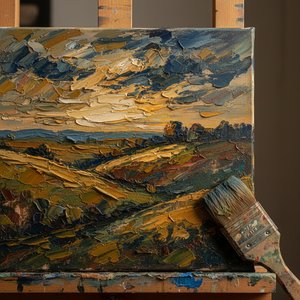
The Timeless Beauty of Oil on Canvas: A Masterclass in Texture, Impasto, and Artistic Mastery
Discover the profound allure of oil on canvas. Explore the mastery of impasto textures, the science of pigment longevity, and expert guides to selecting museum-quality reproductions that elevate your collection with timeless elegance and tactile depth.

Moștenirea Durabilă a Picturii în Ulei: Tehnică, Istorie și Practică Contemporană
Descoperă istoria fascinantă și tehnicile esențiale ale picturii în ulei. Ghid complet pentru artiști, de la materiale până la creații contemporane. Îmbunătățește-ți abilitățile artistice!
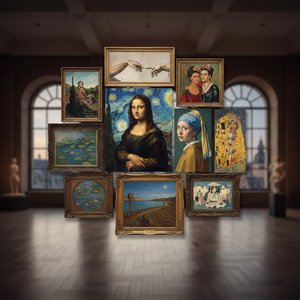
Capodopere în ulei pe pânză: 10 opere care au revoluționat arta | OriginalUniqueArt.ro
Descoperă cele mai importante 10 capodopere în ulei pe pânză care au schimbat istoria artei! Explorează poveștile lui Van Gogh, Da Vinci și alți pictori renumiți. Reproduceri de artă de calitate muzeală pentru decorul perfect. Explorează colecția completă online pe OriginalUniqueArt.com!

